Monday's ETF Movers: SPXL, APIE
Written by Emily J. Thompson, Senior Investment Analyst
Updated: Mar 24 2025
0mins


Source: NASDAQ.COM
ETF Performance: The ActivePassive International Equity ETF is down approximately 1.5%, with notable declines in shares of James Hardie Industries (down 18.7%) and Jinkosolar Holding (down 5.6%).
Author's Perspective: The opinions expressed in the article are those of the author and do not necessarily represent Nasdaq, Inc.
Trade with 70% Backtested Accuracy
Stop guessing "Should I Buy AMD?" and start using high-conviction signals backed by rigorous historical data.
Sign up today to access powerful investing tools and make smarter, data-driven decisions.
Analyst Views on AMD
Wall Street analysts forecast AMD stock price to fall
33 Analyst Rating
25 Buy
8 Hold
0 Sell
Strong Buy
Current: 467.510

Low
210.00
Averages
289.13
High
377.00
Current: 467.510
Low
210.00
Averages
289.13
High
377.00
About AMD
Advanced Micro Devices, Inc. is a global semiconductor company. The Company is focused on high-performance computing and artificial intelligence (AI). Its segments include Data Center, Client and Gaming, and Embedded. Data Center segment includes AI accelerators, microprocessors (CPUs) for servers, graphics processing units (GPUs), accelerated processing units (APUs), data processing units (DPUs), Field Programmable Gate Arrays (FPGAs), and Adaptive system-on-Chip (SoC) products for data centers. Client and Gaming segment includes CPUs, APUs, chipsets for desktops and notebooks, discrete GPUs, and semi-custom SoC products and development services. Embedded segment includes embedded CPUs, APUs, FPGAs, system on modules (SOMs), and Adaptive SoC products. It markets and sells its products under the AMD trademark. Its products include AMD EPYC, AMD Ryzen, AMD Ryzen PRO, Virtex UltraScale+, among others.
About the author

Emily J. Thompson
Emily J. Thompson, a Chartered Financial Analyst (CFA) with 12 years in investment research, graduated with honors from the Wharton School. Specializing in industrial and technology stocks, she provides in-depth analysis for Intellectia’s earnings and market brief reports.
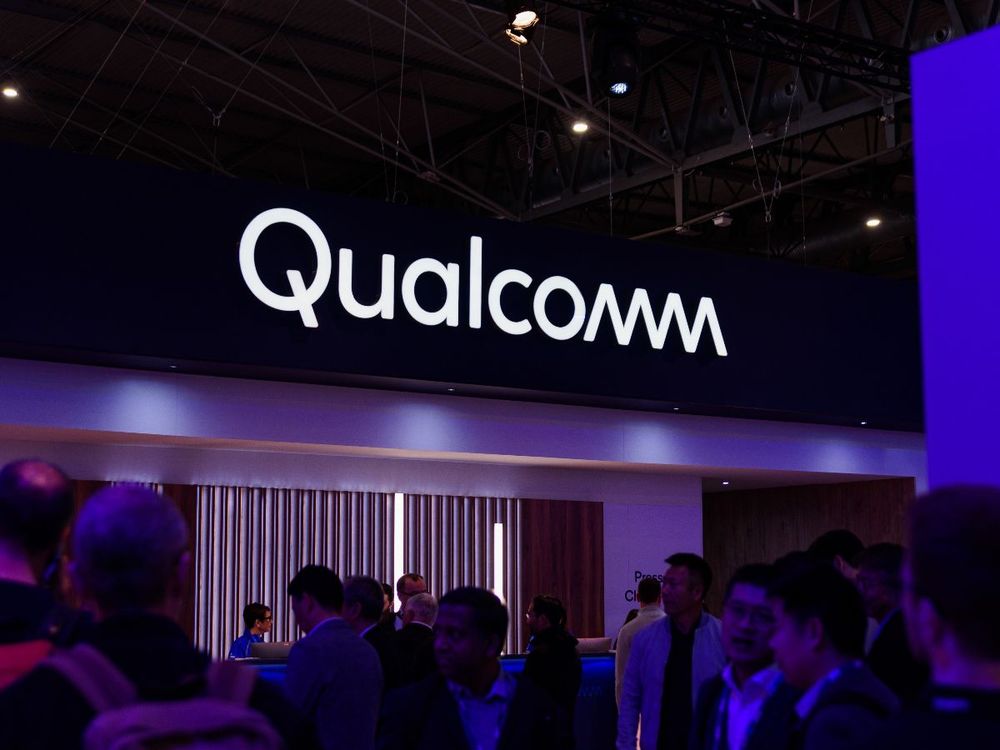
ByteDance Becomes Qualcomm's First Major AI Chip Customer


- Partnership Agreement: ByteDance has signed a deal with Qualcomm to become a major customer for its AI data center chips, marking a significant breakthrough in Qualcomm's diversification strategy beyond smartphones, which is expected to drive future revenue growth.
- Budget Increase: ByteDance has raised its AI infrastructure budget for 2026 by 25% to RMB 200 billion (approximately $29.4 billion), demonstrating its commitment to AI technology and ambition for future development, which may further boost demand for Qualcomm's chips.
- Positive Market Reaction: Qualcomm's shares hit record highs following the signing of the agreement, reflecting investor optimism regarding its AI chip business prospects, with the stock rising over 43% this year, indicating market recognition of its transformation.
- Multi-Generation Collaboration Outlook: Qualcomm's CEO mentioned during the earnings call that the partnership with ByteDance is a
See More

US Stock Indices Rally, Led by Technology Stocks


- Strong Market Performance: The S&P 500 Index rose by 0.81% and the Nasdaq 100 Index increased by 1.74%, reaching all-time highs, indicating robust market support for technology stocks, particularly amid falling crude oil prices and declining bond yields.
- Mixed Economic Data: The Chicago Fed National Activity Index rose to a 13-month high of 0.14, surpassing expectations, while the S&P Composite-20 home price index increased by only 0.83% year-on-year, below the expected 0.90%, suggesting weakness in the housing market that could impact future consumer confidence.
- Volatile Oil Market: WTI crude oil prices fell to a 2.5-week low due to progress in US-Iran peace talks, although US Central Command's strikes on Iranian targets caused market fluctuations, highlighting the ongoing geopolitical influence on energy markets.
- Earnings Season Insights: So far, 83% of the 475 S&P 500 companies have beaten earnings estimates, with Q1 earnings projected to rise by 12% year-on-year; however, excluding the technology sector, the increase is only 3%, reflecting pressure on overall economic growth.
See More

US Stocks Rally as Oil Prices Drop Amid Iran Talks
- Strong Market Performance: The S&P 500 index rose by 0.72% and the Nasdaq 100 by 1.42%, reaching all-time highs, reflecting market confidence in economic recovery, particularly against the backdrop of falling oil prices and declining bond yields.
- Oil Price Volatility: WTI crude oil prices fell to a 2.5-week low, dropping over 3% today, primarily influenced by progress in US-Iran peace talks, although military actions by US Central Command have added pressure to market sentiment.
- Mixed Economic Data: The Chicago Fed National Activity Index rose to a 13-month high of 0.14, exceeding expectations, while the S&P Composite-20 home price index increased by only 0.83% y/y, below the expected 0.90%, indicating weakness in the housing market.
- Earnings Reports: So far, 83% of the 475 S&P 500 companies have beaten earnings estimates, with Q1 earnings projected to rise by 12% y/y, but excluding the tech sector, the increase is only 3%, the lowest in two years, highlighting disparities across industries.
See More
Bank of America Optimistic About Semiconductor Market Outlook

- Strong AI Infrastructure: Bank of America analysts predict sustained demand for AI infrastructure, driven by 3-5x year-over-year sales growth at frontier labs, with the AI total addressable market expected to reach approximately $1.7 trillion by 2030, indicating long-term growth potential.
- Surge in Semiconductor Stocks: Despite a sharp rise in semiconductor stocks in 2026, BofA notes that the forward P/E ratio is around 25.6, suggesting limited speculative inflation and supporting the durability of the rally amid ongoing AI infrastructure growth.
- Segmented Market Opportunities: BofA is optimistic about segments like compute, memory, and semiconductor equipment, particularly highlighting Nvidia, AMD, and Broadcom's leadership in compute, with multiple CPU announcements expected at next month's Computex event.
- Diverse Industry Demand: Analysts mention the potential of ON Semiconductor and Microchip in the analog market, especially with growing demand in AI and defense sectors, further enhancing the diverse demand outlook for the semiconductor industry.
See More

Nvidia Enters CPU Market, Challenging Intel and AMD

- Earnings Beat Expectations: Nvidia's Q1 fiscal 2027 report showed adjusted earnings and revenue exceeding Wall Street estimates, indicating strong growth potential in the AI sector that is likely to further solidify its market leadership.
- New CPU Market Opportunity: The launch of Nvidia's Vera CPU, which is reportedly 1.5 times faster than comparable alternatives, is expected to generate nearly $20 billion in CPU revenue this fiscal year, opening up a new $200 billion market that could quickly narrow the gap with Intel and AMD.
- Market Share Threat: Nvidia's entry into the CPU market poses increased competitive pressure on Intel and AMD, particularly in the agentic AI space, where Nvidia's strong presence could alter the market dynamics and impact the positions of industry leaders.
- Optimistic Industry Outlook: While Nvidia's move may position it as an industry leader, Intel and AMD still have opportunities to thrive in the agentic AI CPU market, as the growing demand provides a favorable growth environment for all players involved.
See More

Autozone Faces International Sales Challenges, Stock Drops


- Autozone Sales Decline: Despite strong domestic sales, Autozone CEO Phil Daniele indicated that international sales faced challenges in the latest quarter, resulting in a stock drop of over 5%.
- Financial Performance: Autozone reported third-quarter revenue of $4.84 billion, falling short of the FactSet consensus estimate of $4.86 billion, although earnings per share of $38.07 exceeded expectations of $36.22, indicating relative profitability strength.
- Eli Lilly Acquisition Expansion: Eli Lilly's stock rose 1% after announcing the acquisition of Curevo Inc., LimmaTech Biologics AG, and Vaccine Company to enhance its infectious diseases portfolio, demonstrating the company's intent to expand in the biopharmaceutical sector.
- Lear Corp Rating Upgrade: Lear Corp's stock gained 2% after TD Cowen upgraded its rating from hold to buy, citing the company's strong positioning in North American auto production, with expectations for a stronger market ahead.
See More
ByteDance Becomes Qualcomm's First Major AI Chip Customer
- Partnership Agreement: ByteDance has signed a deal with Qualcomm to become a major customer for its AI data center chips, marking a significant breakthrough in Qualcomm's diversification strategy beyond smartphones, which is expected to drive future revenue growth.
- Budget Increase: ByteDance has raised its AI infrastructure budget for 2026 by 25% to RMB 200 billion (approximately $29.4 billion), demonstrating its commitment to AI technology and ambition for future development, which may further boost demand for Qualcomm's chips.
- Positive Market Reaction: Qualcomm's shares hit record highs following the signing of the agreement, reflecting investor optimism regarding its AI chip business prospects, with the stock rising over 43% this year, indicating market recognition of its transformation.
- Multi-Generation Collaboration Outlook: Qualcomm's CEO mentioned during the earnings call that the partnership with ByteDance is a
See More
US Stock Indices Rally, Led by Technology Stocks
- Strong Market Performance: The S&P 500 Index rose by 0.81% and the Nasdaq 100 Index increased by 1.74%, reaching all-time highs, indicating robust market support for technology stocks, particularly amid falling crude oil prices and declining bond yields.
- Mixed Economic Data: The Chicago Fed National Activity Index rose to a 13-month high of 0.14, surpassing expectations, while the S&P Composite-20 home price index increased by only 0.83% year-on-year, below the expected 0.90%, suggesting weakness in the housing market that could impact future consumer confidence.
- Volatile Oil Market: WTI crude oil prices fell to a 2.5-week low due to progress in US-Iran peace talks, although US Central Command's strikes on Iranian targets caused market fluctuations, highlighting the ongoing geopolitical influence on energy markets.
- Earnings Season Insights: So far, 83% of the 475 S&P 500 companies have beaten earnings estimates, with Q1 earnings projected to rise by 12% year-on-year; however, excluding the technology sector, the increase is only 3%, reflecting pressure on overall economic growth.
See More
US Stocks Rally as Oil Prices Drop Amid Iran Talks
- Strong Market Performance: The S&P 500 index rose by 0.72% and the Nasdaq 100 by 1.42%, reaching all-time highs, reflecting market confidence in economic recovery, particularly against the backdrop of falling oil prices and declining bond yields.
- Oil Price Volatility: WTI crude oil prices fell to a 2.5-week low, dropping over 3% today, primarily influenced by progress in US-Iran peace talks, although military actions by US Central Command have added pressure to market sentiment.
- Mixed Economic Data: The Chicago Fed National Activity Index rose to a 13-month high of 0.14, exceeding expectations, while the S&P Composite-20 home price index increased by only 0.83% y/y, below the expected 0.90%, indicating weakness in the housing market.
- Earnings Reports: So far, 83% of the 475 S&P 500 companies have beaten earnings estimates, with Q1 earnings projected to rise by 12% y/y, but excluding the tech sector, the increase is only 3%, the lowest in two years, highlighting disparities across industries.
See More
Bank of America Optimistic About Semiconductor Market Outlook
- Strong AI Infrastructure: Bank of America analysts predict sustained demand for AI infrastructure, driven by 3-5x year-over-year sales growth at frontier labs, with the AI total addressable market expected to reach approximately $1.7 trillion by 2030, indicating long-term growth potential.
- Surge in Semiconductor Stocks: Despite a sharp rise in semiconductor stocks in 2026, BofA notes that the forward P/E ratio is around 25.6, suggesting limited speculative inflation and supporting the durability of the rally amid ongoing AI infrastructure growth.
- Segmented Market Opportunities: BofA is optimistic about segments like compute, memory, and semiconductor equipment, particularly highlighting Nvidia, AMD, and Broadcom's leadership in compute, with multiple CPU announcements expected at next month's Computex event.
- Diverse Industry Demand: Analysts mention the potential of ON Semiconductor and Microchip in the analog market, especially with growing demand in AI and defense sectors, further enhancing the diverse demand outlook for the semiconductor industry.
See More
Nvidia Enters CPU Market, Challenging Intel and AMD
- Earnings Beat Expectations: Nvidia's Q1 fiscal 2027 report showed adjusted earnings and revenue exceeding Wall Street estimates, indicating strong growth potential in the AI sector that is likely to further solidify its market leadership.
- New CPU Market Opportunity: The launch of Nvidia's Vera CPU, which is reportedly 1.5 times faster than comparable alternatives, is expected to generate nearly $20 billion in CPU revenue this fiscal year, opening up a new $200 billion market that could quickly narrow the gap with Intel and AMD.
- Market Share Threat: Nvidia's entry into the CPU market poses increased competitive pressure on Intel and AMD, particularly in the agentic AI space, where Nvidia's strong presence could alter the market dynamics and impact the positions of industry leaders.
- Optimistic Industry Outlook: While Nvidia's move may position it as an industry leader, Intel and AMD still have opportunities to thrive in the agentic AI CPU market, as the growing demand provides a favorable growth environment for all players involved.
See More
Autozone Faces International Sales Challenges, Stock Drops
- Autozone Sales Decline: Despite strong domestic sales, Autozone CEO Phil Daniele indicated that international sales faced challenges in the latest quarter, resulting in a stock drop of over 5%.
- Financial Performance: Autozone reported third-quarter revenue of $4.84 billion, falling short of the FactSet consensus estimate of $4.86 billion, although earnings per share of $38.07 exceeded expectations of $36.22, indicating relative profitability strength.
- Eli Lilly Acquisition Expansion: Eli Lilly's stock rose 1% after announcing the acquisition of Curevo Inc., LimmaTech Biologics AG, and Vaccine Company to enhance its infectious diseases portfolio, demonstrating the company's intent to expand in the biopharmaceutical sector.
- Lear Corp Rating Upgrade: Lear Corp's stock gained 2% after TD Cowen upgraded its rating from hold to buy, citing the company's strong positioning in North American auto production, with expectations for a stronger market ahead.
See More