Mobileye Partners with Elektrobit to Advance Autonomous Driving
Written by Emily J. Thompson, Senior Investment Analyst
Updated: Feb 24 2026
0mins

Should l Buy INTC?
Source: PRnewswire
- Safety Application Integration: The integration of EB corbos Linux for Safety Applications into Mobileye Drive™ marks a significant advancement in the autonomous driving sector, serving as a foundation for global OEMs and robotaxi vendors, which is expected to enhance market competitiveness.
- Functional Safety Certification: EB corbos Linux is the world's first open-source operating system assessed to comply with automotive functional safety standards, having received a positive technical assessment for ASIL B and SIL2 by TÜV Nord, ensuring its safety in high-performance computing applications.
- Market Application Prospects: The Mobileye Drive system is designed to support fully autonomous robotaxis, ride-pooling, and public transport, which is anticipated to drive mass production of autonomous vehicles in the coming years, addressing market demands for safety and reliability.
- Accelerated Industry Collaboration: The partnership between Elektrobit and Mobileye reflects the close collaboration between automakers and technology companies in advancing autonomous driving, which is expected to accelerate innovation and drive the industry towards the transition to software-defined vehicles.
Trade with 70% Backtested Accuracy
Stop guessing "Should I Buy INTC?" and start using high-conviction signals backed by rigorous historical data.
Sign up today to access powerful investing tools and make smarter, data-driven decisions.
Analyst Views on INTC
Wall Street analysts forecast INTC stock price to fall
29 Analyst Rating
5 Buy
19 Hold
5 Sell
Hold
Current: 47.980

Low
20.00
Averages
39.30
High
52.00
Current: 47.980
Low
20.00
Averages
39.30
High
52.00
About INTC
Intel Corporation is a global designer and manufacturer of semiconductor products. The Company operates through three segments: Intel Products, Intel Foundry, and All Other. Its Intel Products segment includes Client Computing Group (CCG), Data Center and AI (DCAI), Network and Edge (NEX). The CCG is bringing together the operating system, system architecture, hardware, and software application integration to enable PC experiences. DCAI delivers workload-optimized solutions to cloud service providers and enterprises, along with silicon devices for communications service providers, network and edge, and HPC customers. NEX helps networks and edge compute systems from fixed-function hardware to general-purpose compute, acceleration, and networking devices running cloud native software on programmable hardware. The Intel Foundry segment comprises technology development, manufacturing and foundry services. All Other segments include Altera, Mobileye, Other.
About the author

Emily J. Thompson
Emily J. Thompson, a Chartered Financial Analyst (CFA) with 12 years in investment research, graduated with honors from the Wharton School. Specializing in industrial and technology stocks, she provides in-depth analysis for Intellectia’s earnings and market brief reports.
Samsung Becomes South Korea's First Trillion-Dollar Company

- Market Cap Milestone: Samsung crossed the $1 trillion market cap on February 26, 2026, becoming the first South Korean company to achieve this milestone, and despite a subsequent drop to $779 billion, it is expected to regain its trillion-dollar status, indicating strong market resilience.
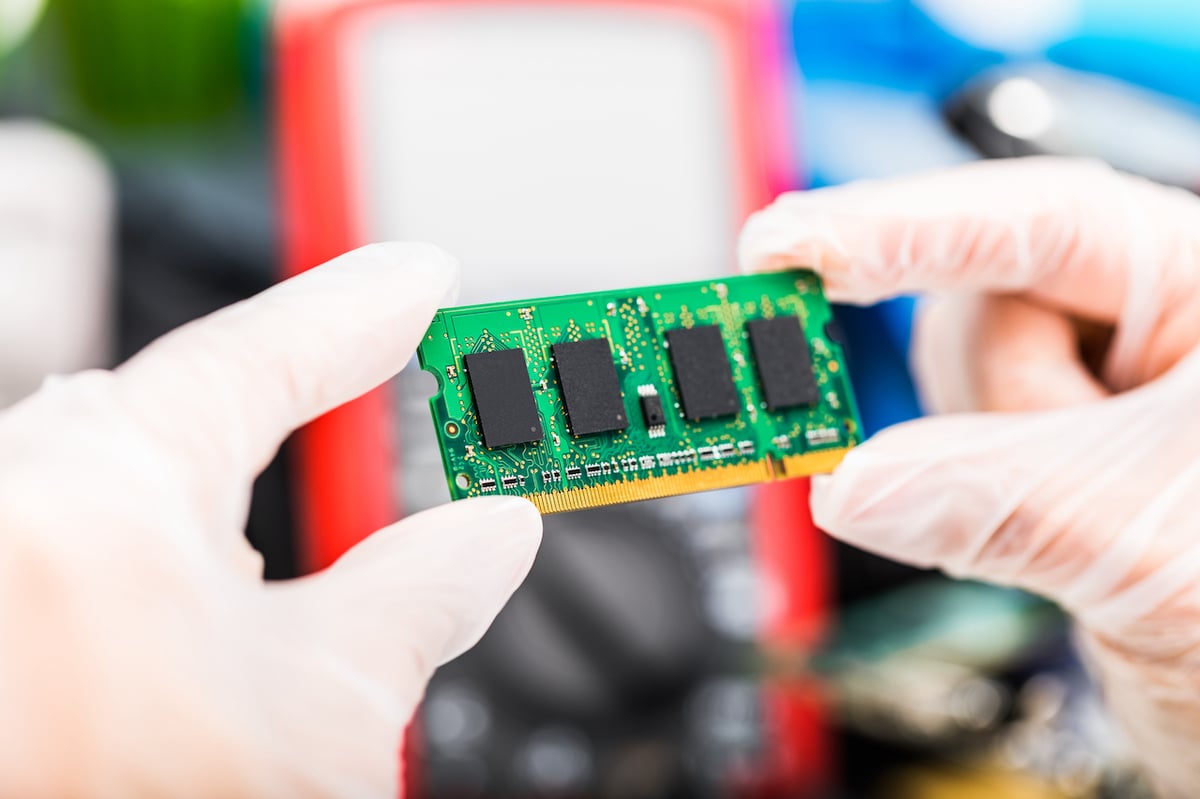
- Surging Memory Demand: The demand for Samsung's memory hardware, particularly RAM and DRAM, is extremely high due to AI needs, with TrendForce forecasting a 50%-55% increase in DRAM prices in Q1 2026, which will further drive revenue growth for Samsung.
- Strong Financial Performance: Samsung reported Q4 2025 revenue of 93.8 trillion won ($63.2 billion), a 23.7% increase year-over-year, with full-year revenue reaching 333.6 trillion won ($224.8 billion), up 28%, showcasing its robust performance in the memory market.
- Significant Profit Growth: Samsung's earnings per share grew by 33.4%, with a net profit margin of 13.6%, and its memory segment became the fastest-growing revenue source, accounting for nearly one-third of total revenue in 2025, indicating continued profitability enhancement in the future.
See More

US Stocks Decline Amid Rising Oil Prices


- Oil Price Surge Impacts Market: WTI crude oil prices surged over 9% today following Iraq's suspension of oil terminal activities due to Iranian attacks on tankers, leading the S&P 500 to drop 1.22%, the Dow Jones by 1.32%, and the Nasdaq 100 by 1.46%, indicating market sensitivity to rising energy costs.
- Bank Stocks Under Pressure: Morgan Stanley and Cliffwater LLC capped withdrawals from their private credit funds amid investor redemption demands exceeding fund limits, causing both Morgan Stanley and KKR to decline over 4%, reflecting growing concerns about credit quality in the market.
- Mixed Economic Data: Initial jobless claims in the US fell by 1,000 to 213,000, indicating labor market strength, while January housing starts unexpectedly rose 7.2% to 1.487 million, despite building permits dropping 5.4% to 1.376 million, suggesting potential slowdowns in future construction activity.
- Optimistic Earnings Outlook: Despite market volatility, over 95% of S&P 500 companies have reported earnings, with 74% exceeding expectations, and Q4 earnings growth is projected at 8.4%, providing some support to the market, although overall sentiment remains pressured by rising oil prices.
See More
Middle East Tensions Drive Oil Prices Up, Pressuring Stock Markets
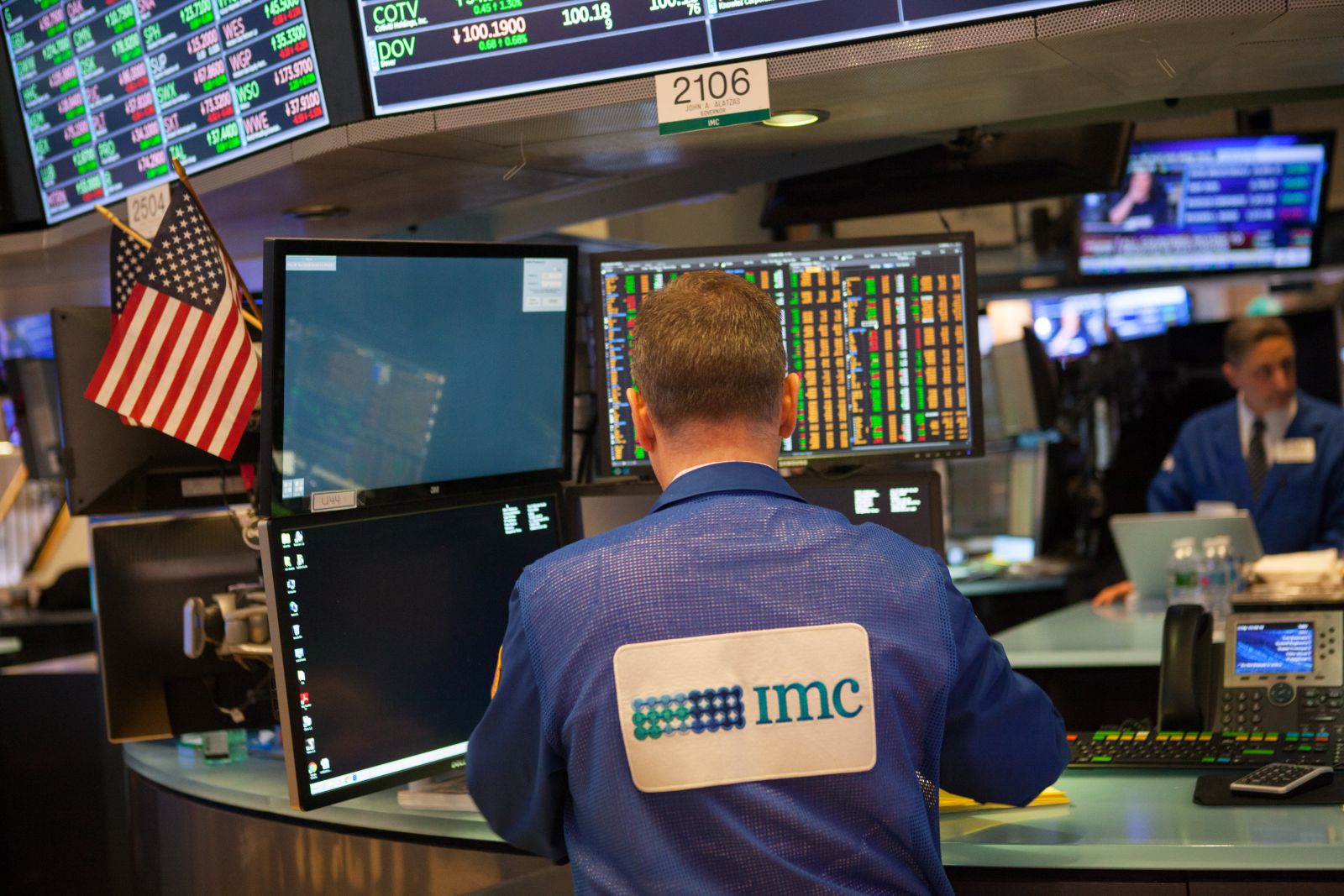
- Surge in Oil Prices: Following an attack by Iran on two tankers, Iraq has suspended oil terminal activities, causing WTI crude prices to rise over 8% today, which could exacerbate global economic uncertainty and lead to increased inflation, impacting consumer spending.
- Global Supply Constraints: The IEA reported that the conflict with Iran is disrupting 7.5% of global oil supply, with an expected reduction of 8 million barrels per day this month, indicating a significant impact on global markets and forcing producers to cut output.
- Mixed US Economic Data: While initial jobless claims fell to 213,000, indicating labor market strength, building permits unexpectedly dropped to a five-month low, suggesting a potential slowdown in future construction activity, which could affect economic growth expectations.
- Market Reactions: Airline and chip stocks are broadly down due to rising oil prices, with companies like Carnival, Royal Caribbean, and Lam Research seeing declines of over 3%, reflecting market concerns about the impact of high oil prices on corporate earnings.
See More
Escalating US-Iran Conflict Disrupts Semiconductor Market


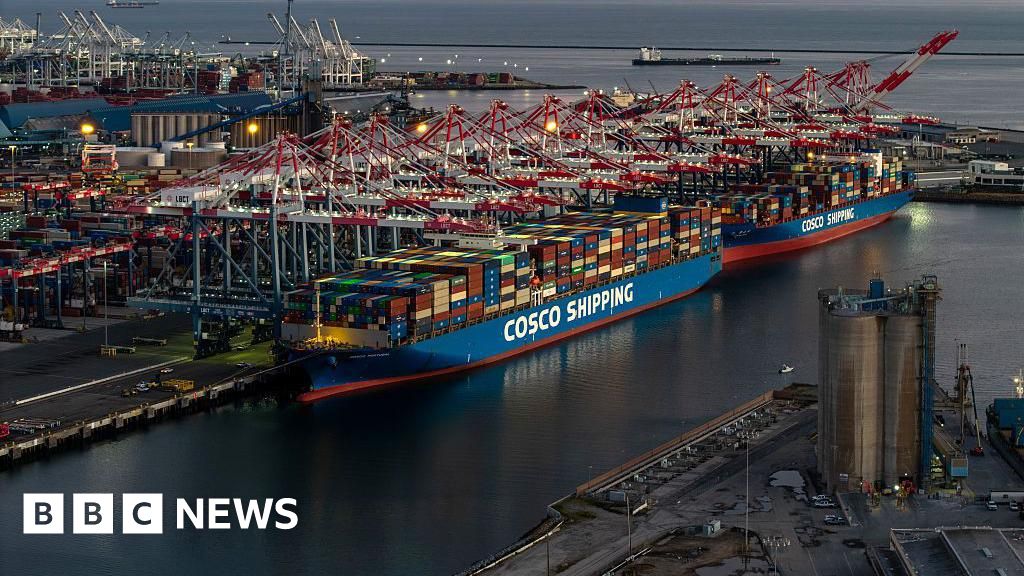
- Shipping Security Risks: Several vessels were reportedly struck near Iranian waters in the past 24 hours, raising investor concerns about potential disruptions to key shipping routes and global tech supply chains, which triggered a market selloff affecting major semiconductor stocks.
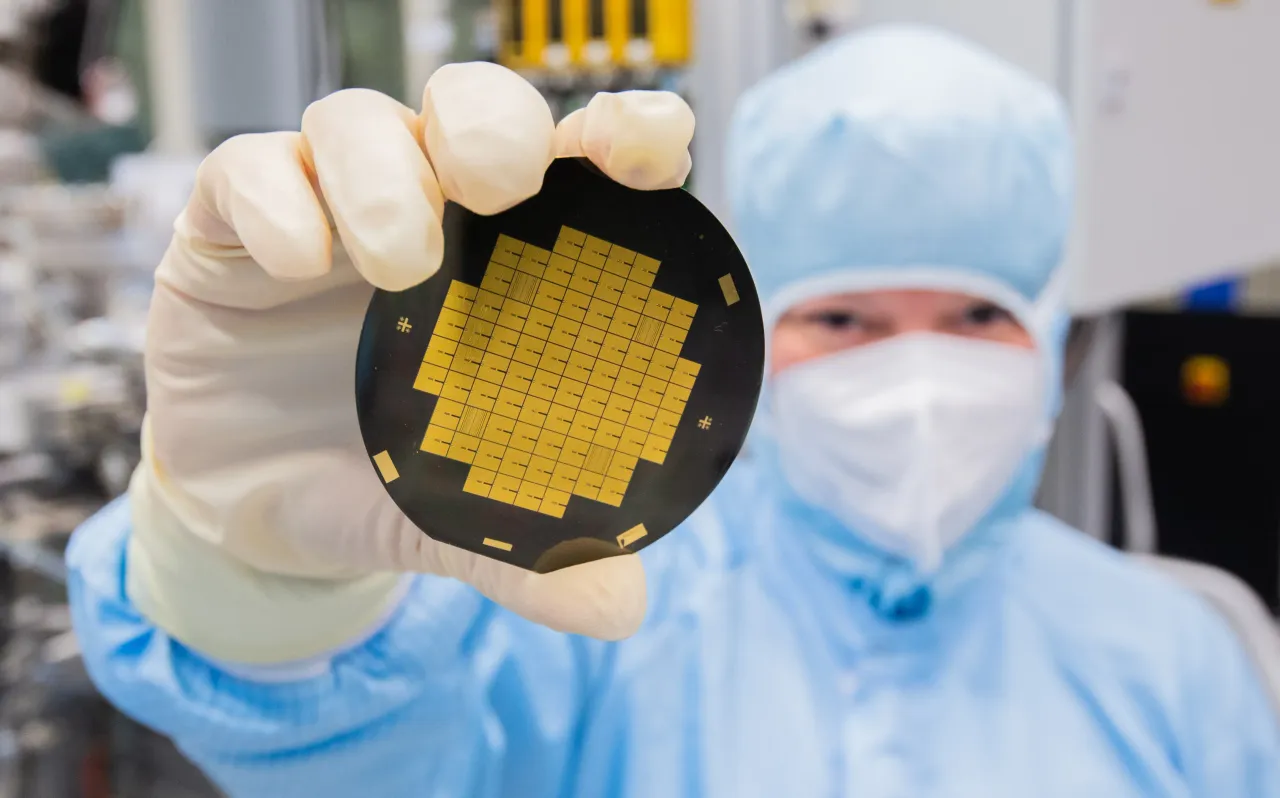
- Semiconductor Stock Declines: TSMC shares fell by 0.8%, Nvidia by 0.7%, and Intel and Broadcom by 0.7% and 0.6% respectively, reflecting market panic over supply chain disruptions that could have significant second-order effects on industries like electronics and automotive.
- Oil Prices Surge: Oil prices spiked above $100 per barrel due to concerns over the Iranian situation, with analysts focusing on potential disruptions to oil supplies while also worrying about impacts on the transport of other goods, further exacerbating market uncertainty.
- New Threats to US Companies: Iran has identified offices and assets linked to major US tech firms as potential targets, raising concerns about cyberattacks and other security risks, which increases investor anxiety regarding companies like Google, Amazon, and Microsoft.
See More
Intel Shareholder Sues Over Government Equity Deal
- Shareholder Lawsuit: Intel shareholder Richard Paisner has filed a lawsuit in Delaware, alleging that the company unlawfully granted a 10% equity stake to the U.S. government, valued at approximately $11 billion, under duress from threats by the Trump administration, which he claims breaches fiduciary duties.
- Transaction Context: The equity stake was funded by converting $2.2 billion in CHIPS Act grants and $8.9 billion in federal grants, indicating the company's compromise under political pressure, which could impact its long-term strategy and market trust.
- Board Accountability: The lawsuit asserts that Intel's board capitulated to Trump's attacks to protect CEO Tan's position, highlighting vulnerabilities in corporate governance that may lead to diminished investor confidence in management.
- Political Ramifications: The case involves not only Intel but also the U.S. Department of Commerce and Secretary Howard Lutnick, illustrating the complex interplay between government and corporations, which could have far-reaching implications for future policies and the investment landscape.
See More

Predictions for Schwab U.S. Dividend ETF Reconstitution
- Reconstitution Impact: The Schwab U.S. Dividend ETF undergoes annual reconstitution in March, with 17 stocks removed and 20 added in 2025, leading to a significant shift in sector allocations, as financials dropped from 17.2% to 8.5% while energy rose from 12.2% to 21%, indicating a potential strategic shift in investment focus.
- Financial Sector Comeback: Predictions suggest that the financial sector may reclaim its status as the largest holding in 2026, currently comprising 35 positions within the fund, and any improvements in these companies could lead to a substantial increase in their weighting, enhancing the fund's return potential.
- Energy Allocation Reduction: The current 20% allocation to energy is unprecedented, and a significant reduction is anticipated due to declining energy prices throughout 2025, which may adversely affect the financial metrics used by the fund, leading to a decrease in future reconstitution weightings.
- Tech Sector Increment: Although tech stocks are not typically dividend-focused, the AI revolution may lead to a modest increase in their weighting within the Schwab ETF, particularly for companies like Texas Instruments and Cisco Systems, which could benefit from strong revenue growth and potentially gain higher allocations.
See More
Samsung Becomes South Korea's First Trillion-Dollar Company
- Market Cap Milestone: Samsung crossed the $1 trillion market cap on February 26, 2026, becoming the first South Korean company to achieve this milestone, and despite a subsequent drop to $779 billion, it is expected to regain its trillion-dollar status, indicating strong market resilience.
- Surging Memory Demand: The demand for Samsung's memory hardware, particularly RAM and DRAM, is extremely high due to AI needs, with TrendForce forecasting a 50%-55% increase in DRAM prices in Q1 2026, which will further drive revenue growth for Samsung.
- Strong Financial Performance: Samsung reported Q4 2025 revenue of 93.8 trillion won ($63.2 billion), a 23.7% increase year-over-year, with full-year revenue reaching 333.6 trillion won ($224.8 billion), up 28%, showcasing its robust performance in the memory market.
- Significant Profit Growth: Samsung's earnings per share grew by 33.4%, with a net profit margin of 13.6%, and its memory segment became the fastest-growing revenue source, accounting for nearly one-third of total revenue in 2025, indicating continued profitability enhancement in the future.
See More
US Stocks Decline Amid Rising Oil Prices
- Oil Price Surge Impacts Market: WTI crude oil prices surged over 9% today following Iraq's suspension of oil terminal activities due to Iranian attacks on tankers, leading the S&P 500 to drop 1.22%, the Dow Jones by 1.32%, and the Nasdaq 100 by 1.46%, indicating market sensitivity to rising energy costs.
- Bank Stocks Under Pressure: Morgan Stanley and Cliffwater LLC capped withdrawals from their private credit funds amid investor redemption demands exceeding fund limits, causing both Morgan Stanley and KKR to decline over 4%, reflecting growing concerns about credit quality in the market.
- Mixed Economic Data: Initial jobless claims in the US fell by 1,000 to 213,000, indicating labor market strength, while January housing starts unexpectedly rose 7.2% to 1.487 million, despite building permits dropping 5.4% to 1.376 million, suggesting potential slowdowns in future construction activity.
- Optimistic Earnings Outlook: Despite market volatility, over 95% of S&P 500 companies have reported earnings, with 74% exceeding expectations, and Q4 earnings growth is projected at 8.4%, providing some support to the market, although overall sentiment remains pressured by rising oil prices.
See More
Middle East Tensions Drive Oil Prices Up, Pressuring Stock Markets
- Surge in Oil Prices: Following an attack by Iran on two tankers, Iraq has suspended oil terminal activities, causing WTI crude prices to rise over 8% today, which could exacerbate global economic uncertainty and lead to increased inflation, impacting consumer spending.
- Global Supply Constraints: The IEA reported that the conflict with Iran is disrupting 7.5% of global oil supply, with an expected reduction of 8 million barrels per day this month, indicating a significant impact on global markets and forcing producers to cut output.
- Mixed US Economic Data: While initial jobless claims fell to 213,000, indicating labor market strength, building permits unexpectedly dropped to a five-month low, suggesting a potential slowdown in future construction activity, which could affect economic growth expectations.
- Market Reactions: Airline and chip stocks are broadly down due to rising oil prices, with companies like Carnival, Royal Caribbean, and Lam Research seeing declines of over 3%, reflecting market concerns about the impact of high oil prices on corporate earnings.
See More
Escalating US-Iran Conflict Disrupts Semiconductor Market
- Shipping Security Risks: Several vessels were reportedly struck near Iranian waters in the past 24 hours, raising investor concerns about potential disruptions to key shipping routes and global tech supply chains, which triggered a market selloff affecting major semiconductor stocks.
- Semiconductor Stock Declines: TSMC shares fell by 0.8%, Nvidia by 0.7%, and Intel and Broadcom by 0.7% and 0.6% respectively, reflecting market panic over supply chain disruptions that could have significant second-order effects on industries like electronics and automotive.
- Oil Prices Surge: Oil prices spiked above $100 per barrel due to concerns over the Iranian situation, with analysts focusing on potential disruptions to oil supplies while also worrying about impacts on the transport of other goods, further exacerbating market uncertainty.
- New Threats to US Companies: Iran has identified offices and assets linked to major US tech firms as potential targets, raising concerns about cyberattacks and other security risks, which increases investor anxiety regarding companies like Google, Amazon, and Microsoft.
See More
Intel Shareholder Sues Over Government Equity Deal
- Shareholder Lawsuit: Intel shareholder Richard Paisner has filed a lawsuit in Delaware, alleging that the company unlawfully granted a 10% equity stake to the U.S. government, valued at approximately $11 billion, under duress from threats by the Trump administration, which he claims breaches fiduciary duties.
- Transaction Context: The equity stake was funded by converting $2.2 billion in CHIPS Act grants and $8.9 billion in federal grants, indicating the company's compromise under political pressure, which could impact its long-term strategy and market trust.
- Board Accountability: The lawsuit asserts that Intel's board capitulated to Trump's attacks to protect CEO Tan's position, highlighting vulnerabilities in corporate governance that may lead to diminished investor confidence in management.
- Political Ramifications: The case involves not only Intel but also the U.S. Department of Commerce and Secretary Howard Lutnick, illustrating the complex interplay between government and corporations, which could have far-reaching implications for future policies and the investment landscape.
See More
Predictions for Schwab U.S. Dividend ETF Reconstitution
- Reconstitution Impact: The Schwab U.S. Dividend ETF undergoes annual reconstitution in March, with 17 stocks removed and 20 added in 2025, leading to a significant shift in sector allocations, as financials dropped from 17.2% to 8.5% while energy rose from 12.2% to 21%, indicating a potential strategic shift in investment focus.
- Financial Sector Comeback: Predictions suggest that the financial sector may reclaim its status as the largest holding in 2026, currently comprising 35 positions within the fund, and any improvements in these companies could lead to a substantial increase in their weighting, enhancing the fund's return potential.
- Energy Allocation Reduction: The current 20% allocation to energy is unprecedented, and a significant reduction is anticipated due to declining energy prices throughout 2025, which may adversely affect the financial metrics used by the fund, leading to a decrease in future reconstitution weightings.
- Tech Sector Increment: Although tech stocks are not typically dividend-focused, the AI revolution may lead to a modest increase in their weighting within the Schwab ETF, particularly for companies like Texas Instruments and Cisco Systems, which could benefit from strong revenue growth and potentially gain higher allocations.
See More