Middle East Conflict Impacts Markets, Analyst Rating Changes
Written by Emily J. Thompson, Senior Investment Analyst
Updated: 1 hour ago
0mins
Should l Buy ZS?
Source: seekingalpha
- Netflix Upgrade: Goldman Sachs upgraded Netflix (NFLX) from Neutral to Buy, projecting its advertising business to grow to approximately $9.5 billion by 2030, which will drive double-digit revenue growth over the next three to four years, thereby enhancing its strategic focus on content investment and shareholder returns.
- Carvana Downgrade: Bank of America downgraded Carvana (CVNA) from Buy to Neutral, with analysts noting that increasing industry competition may challenge medium-term growth, although the company still holds long-term growth potential, reflecting a cautious outlook on its future prospects.
- ServiceNow Downgrade: UBS downgraded ServiceNow (NOW) from Buy to Neutral, expecting revenue growth to be below normal levels in the coming quarters and a slight decline in remaining performance obligations, indicating a weakened confidence in its positioning in the AI era.
- LyondellBasell Downgrade: Bank of America downgraded LyondellBasell (LYB) from Neutral to Underperform, arguing that the recent stock price increase driven by geopolitical factors has already been priced in, despite raising earnings forecasts for 2026-28, indicating improved near-term earnings power.
Trade with 70% Backtested Accuracy
Stop guessing "Should I Buy ZS?" and start using high-conviction signals backed by rigorous historical data.
Sign up today to access powerful investing tools and make smarter, data-driven decisions.
Analyst Views on ZS
Wall Street analysts forecast ZS stock price to rise
30 Analyst Rating
24 Buy
6 Hold
0 Sell
Strong Buy
Current: 122.230

Low
260.00
Averages
325.62
High
390.00
Current: 122.230
Low
260.00
Averages
325.62
High
390.00
About ZS
Zscaler, Inc. is a cloud security company. The Company has developed a platform incorporating core security functionalities needed to enable fast and secure access to cloud resources based on identity, context and an organization’s policies. Its Zscaler Zero Trust Exchange platform protects thousands of customers from cyberattacks and data loss by securely connecting users, devices, and applications in any location. Its solution is a purpose-built, multi-tenant, distributed cloud platform that incorporates the security functionality needed to enable users, applications, and devices to safely and efficiently utilize authorized applications and services based on an organization’s business policies. It delivers its solutions using a software-as-a-service (SaaS) business model and sells subscriptions to customers to access its cloud platform, together with related support services. It offers a security platform that combines its platform with automated security operations.
About the author

Emily J. Thompson
Emily J. Thompson, a Chartered Financial Analyst (CFA) with 12 years in investment research, graduated with honors from the Wharton School. Specializing in industrial and technology stocks, she provides in-depth analysis for Intellectia’s earnings and market brief reports.

Middle East Conflict Impacts Markets, Analyst Rating Changes

- Netflix Upgrade: Goldman Sachs upgraded Netflix (NFLX) from Neutral to Buy, projecting its advertising business to grow to approximately $9.5 billion by 2030, which will drive double-digit revenue growth over the next three to four years, thereby enhancing its strategic focus on content investment and shareholder returns.
- Carvana Downgrade: Bank of America downgraded Carvana (CVNA) from Buy to Neutral, with analysts noting that increasing industry competition may challenge medium-term growth, although the company still holds long-term growth potential, reflecting a cautious outlook on its future prospects.
- ServiceNow Downgrade: UBS downgraded ServiceNow (NOW) from Buy to Neutral, expecting revenue growth to be below normal levels in the coming quarters and a slight decline in remaining performance obligations, indicating a weakened confidence in its positioning in the AI era.
- LyondellBasell Downgrade: Bank of America downgraded LyondellBasell (LYB) from Neutral to Underperform, arguing that the recent stock price increase driven by geopolitical factors has already been priced in, despite raising earnings forecasts for 2026-28, indicating improved near-term earnings power.
See More

Mixed Close for US Stocks as Nasdaq Hits Six-Week High


- Market Volatility: On Friday, the S&P 500 closed down 0.11%, the Dow Jones Industrial Average fell 0.56%, while the Nasdaq 100 rose 0.14%, reflecting a tug-of-war between software stock weakness and inflation concerns.
- Inflation Data Impact: The US March CPI rose 3.3% year-on-year, slightly below the expected 3.4%, marking the largest increase in two years but failing to boost market confidence, as the consumer sentiment index dropped to a record low of 47.6.
- Geopolitical Factors: Optimism surrounding US-Iran diplomatic negotiations has increased market sentiment regarding Middle Eastern tensions, although President Trump's comments about military readiness have raised concerns, putting pressure on stocks.
- Sector Performance Divergence: Software stocks faced declines due to AI disruption fears, with ServiceNow and Cadence Design Systems down over 7% and 5%, respectively, while chipmakers like Broadcom and AMD rose over 4% and 3% due to increased market demand.
See More
Nasdaq Composite Index Rises for Second Straight Week
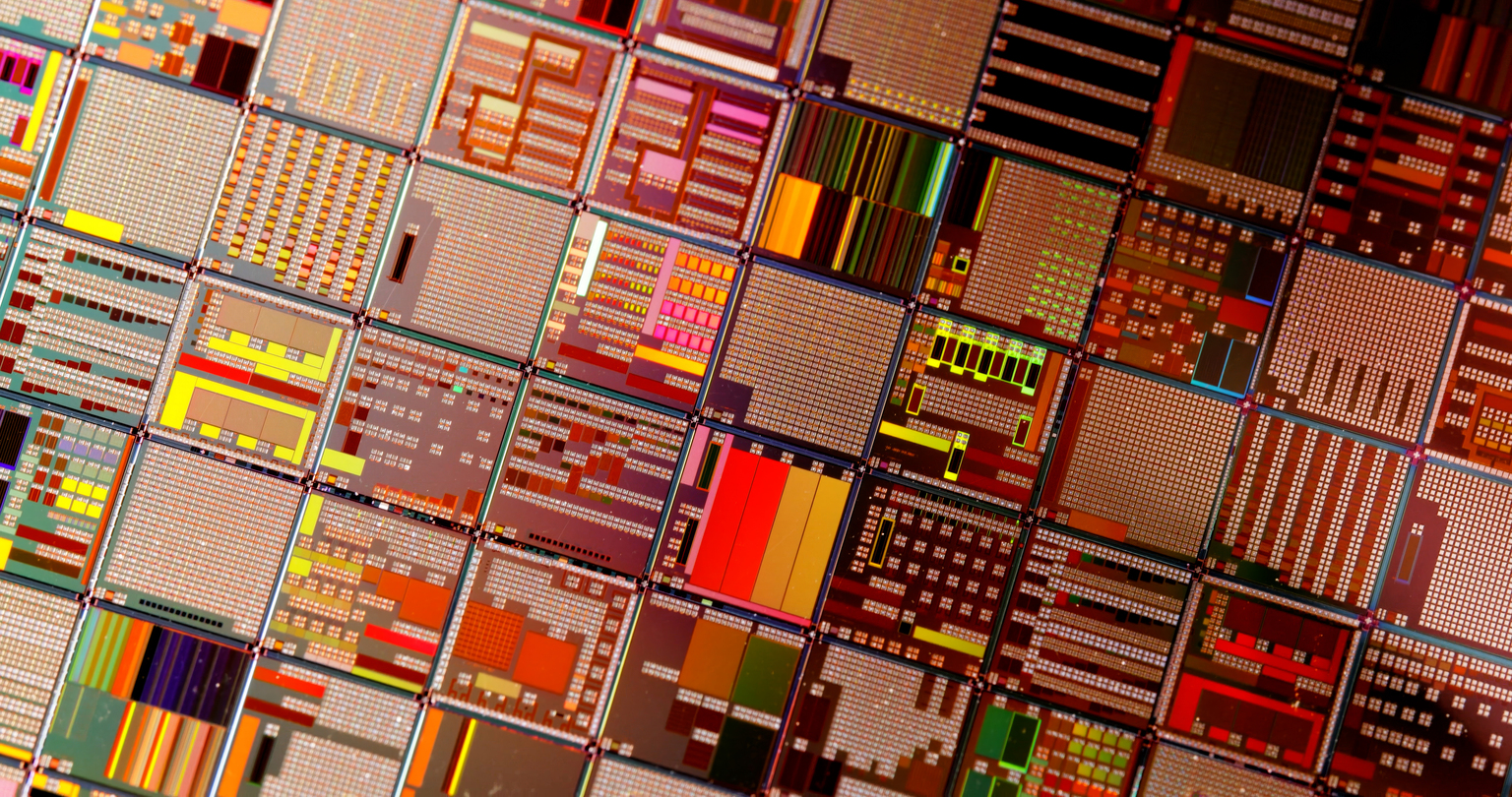
- Semiconductor Stocks Shine: The Nasdaq Composite Index rose 0.35% on Friday, marking its second consecutive week of gains, with semiconductor stocks leading the way, particularly Intel (INTC) and Monolithic Power Systems (MPWR), indicating a recovery following weeks of losses amid U.S.-Iran tensions.
- Market Sentiment Fluctuates: Earlier in the week, Wall Street saw a boost after both warring factions agreed to a conditional ceasefire; however, ongoing uncertainties surrounding the ceasefire agreement kept investors cautious, impacting overall market performance.
- Top Gainers of the Week: Intel (INTC) surged 24.55%, Monolithic Power Systems (MPWR) rose 21.21%, and Lam Research (LRCX) increased by 20.96%, showcasing a strong rebound in the semiconductor sector amidst market recovery.
- Application Software Declines: In contrast to the semiconductor gains, application software stocks like Intuit (INTU) and Atlassian (TEAM) fell 16.99% and 16.68%, respectively, highlighting a divergence in performance across different technology sectors.
See More
US Stocks Fluctuate Amid Inflation Concerns Impacting Markets

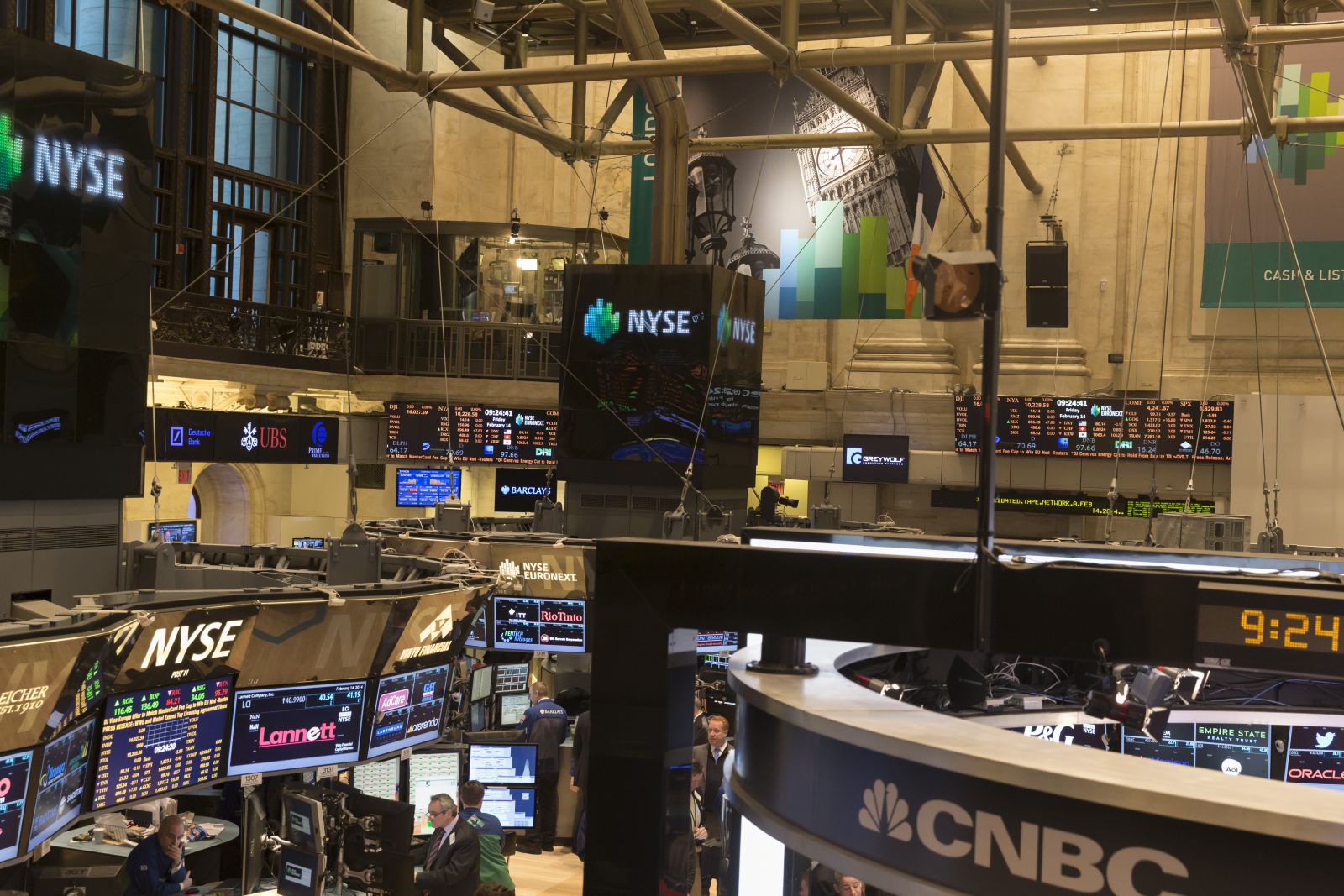
- Market Performance: The S&P 500 Index rose by 0.15%, reaching a five-week high, while the Nasdaq 100 Index increased by 0.35%, marking a six-week high, indicating market resilience amid easing inflation concerns.
- Consumer Sentiment Decline: The University of Michigan's consumer sentiment index fell to a record low of 47.6, significantly below the expected 51.5, reflecting pessimism about the economic outlook that could negatively impact future consumer spending.
- Oil Price Volatility: Despite the Strait of Hormuz remaining closed, WTI crude oil prices are experiencing volatility due to ongoing concerns about the situation in Iran, with over 800 vessels trapped, affecting global energy supply.
- Tech Stock Pressure: Software stocks are under pressure due to fears of AI disruption, with ServiceNow and Datadog both down over 7%, highlighting uncertainty in the tech sector's future, which may affect investor confidence.
See More
Chip Stocks Surge as Investors Favor Semiconductors Over Software


- Chip Stock Surge: Investors are favoring semiconductor companies, with Marvell's stock jumping nearly 7%, heading for a third consecutive positive session, indicating strong market confidence in the chip sector.
- Fair Isaac Decline: Fair Isaac's stock dropped over 12% after Barclays cut its 12-month price target from $2,400 to $1,950 while maintaining an overweight rating, reflecting market concerns about its future performance.
- Organon Acquisition Rumors: Organon's stock surged 24% amid reports that India's Sun Pharmaceutical Industries is considering a $12 billion acquisition, although Sun Pharma labeled the news as
See More

US Stocks Fluctuate Slightly as Inflation Concerns Ease
- Market Performance: The S&P 500 Index rose by 0.07%, reaching a five-week high, while the Nasdaq 100 Index increased by 0.37%, marking a six-week high, reflecting market optimism due to easing inflation concerns.
- Inflation Data Impact: The US March Consumer Price Index rose 3.3% year-over-year, the largest increase in two years but slightly below the expected 3.4%, leading to a reduced market expectation of a 2% chance for a Fed rate hike.
- Oil Price Volatility: WTI crude oil prices are fluctuating due to the near closure of shipping through the Strait of Hormuz, with over 800 vessels trapped, raising concerns about global energy supply amid heightened focus on the Iranian situation.
- Tech Stock Pressure: Software stocks are under pressure due to AI disruption fears, with ServiceNow and Datadog down over 6% and 5% respectively, indicating market uncertainty regarding the future of the tech sector.
See More
Middle East Conflict Impacts Markets, Analyst Rating Changes
- Netflix Upgrade: Goldman Sachs upgraded Netflix (NFLX) from Neutral to Buy, projecting its advertising business to grow to approximately $9.5 billion by 2030, which will drive double-digit revenue growth over the next three to four years, thereby enhancing its strategic focus on content investment and shareholder returns.
- Carvana Downgrade: Bank of America downgraded Carvana (CVNA) from Buy to Neutral, with analysts noting that increasing industry competition may challenge medium-term growth, although the company still holds long-term growth potential, reflecting a cautious outlook on its future prospects.
- ServiceNow Downgrade: UBS downgraded ServiceNow (NOW) from Buy to Neutral, expecting revenue growth to be below normal levels in the coming quarters and a slight decline in remaining performance obligations, indicating a weakened confidence in its positioning in the AI era.
- LyondellBasell Downgrade: Bank of America downgraded LyondellBasell (LYB) from Neutral to Underperform, arguing that the recent stock price increase driven by geopolitical factors has already been priced in, despite raising earnings forecasts for 2026-28, indicating improved near-term earnings power.
See More
Mixed Close for US Stocks as Nasdaq Hits Six-Week High
- Market Volatility: On Friday, the S&P 500 closed down 0.11%, the Dow Jones Industrial Average fell 0.56%, while the Nasdaq 100 rose 0.14%, reflecting a tug-of-war between software stock weakness and inflation concerns.
- Inflation Data Impact: The US March CPI rose 3.3% year-on-year, slightly below the expected 3.4%, marking the largest increase in two years but failing to boost market confidence, as the consumer sentiment index dropped to a record low of 47.6.
- Geopolitical Factors: Optimism surrounding US-Iran diplomatic negotiations has increased market sentiment regarding Middle Eastern tensions, although President Trump's comments about military readiness have raised concerns, putting pressure on stocks.
- Sector Performance Divergence: Software stocks faced declines due to AI disruption fears, with ServiceNow and Cadence Design Systems down over 7% and 5%, respectively, while chipmakers like Broadcom and AMD rose over 4% and 3% due to increased market demand.
See More
Nasdaq Composite Index Rises for Second Straight Week
- Semiconductor Stocks Shine: The Nasdaq Composite Index rose 0.35% on Friday, marking its second consecutive week of gains, with semiconductor stocks leading the way, particularly Intel (INTC) and Monolithic Power Systems (MPWR), indicating a recovery following weeks of losses amid U.S.-Iran tensions.
- Market Sentiment Fluctuates: Earlier in the week, Wall Street saw a boost after both warring factions agreed to a conditional ceasefire; however, ongoing uncertainties surrounding the ceasefire agreement kept investors cautious, impacting overall market performance.
- Top Gainers of the Week: Intel (INTC) surged 24.55%, Monolithic Power Systems (MPWR) rose 21.21%, and Lam Research (LRCX) increased by 20.96%, showcasing a strong rebound in the semiconductor sector amidst market recovery.
- Application Software Declines: In contrast to the semiconductor gains, application software stocks like Intuit (INTU) and Atlassian (TEAM) fell 16.99% and 16.68%, respectively, highlighting a divergence in performance across different technology sectors.
See More
US Stocks Fluctuate Amid Inflation Concerns Impacting Markets
- Market Performance: The S&P 500 Index rose by 0.15%, reaching a five-week high, while the Nasdaq 100 Index increased by 0.35%, marking a six-week high, indicating market resilience amid easing inflation concerns.
- Consumer Sentiment Decline: The University of Michigan's consumer sentiment index fell to a record low of 47.6, significantly below the expected 51.5, reflecting pessimism about the economic outlook that could negatively impact future consumer spending.
- Oil Price Volatility: Despite the Strait of Hormuz remaining closed, WTI crude oil prices are experiencing volatility due to ongoing concerns about the situation in Iran, with over 800 vessels trapped, affecting global energy supply.
- Tech Stock Pressure: Software stocks are under pressure due to fears of AI disruption, with ServiceNow and Datadog both down over 7%, highlighting uncertainty in the tech sector's future, which may affect investor confidence.
See More
Chip Stocks Surge as Investors Favor Semiconductors Over Software
- Chip Stock Surge: Investors are favoring semiconductor companies, with Marvell's stock jumping nearly 7%, heading for a third consecutive positive session, indicating strong market confidence in the chip sector.
- Fair Isaac Decline: Fair Isaac's stock dropped over 12% after Barclays cut its 12-month price target from $2,400 to $1,950 while maintaining an overweight rating, reflecting market concerns about its future performance.
- Organon Acquisition Rumors: Organon's stock surged 24% amid reports that India's Sun Pharmaceutical Industries is considering a $12 billion acquisition, although Sun Pharma labeled the news as
See More
US Stocks Fluctuate Slightly as Inflation Concerns Ease
- Market Performance: The S&P 500 Index rose by 0.07%, reaching a five-week high, while the Nasdaq 100 Index increased by 0.37%, marking a six-week high, reflecting market optimism due to easing inflation concerns.
- Inflation Data Impact: The US March Consumer Price Index rose 3.3% year-over-year, the largest increase in two years but slightly below the expected 3.4%, leading to a reduced market expectation of a 2% chance for a Fed rate hike.
- Oil Price Volatility: WTI crude oil prices are fluctuating due to the near closure of shipping through the Strait of Hormuz, with over 800 vessels trapped, raising concerns about global energy supply amid heightened focus on the Iranian situation.
- Tech Stock Pressure: Software stocks are under pressure due to AI disruption fears, with ServiceNow and Datadog down over 6% and 5% respectively, indicating market uncertainty regarding the future of the tech sector.
See More