Microsoft's Copilot Faces User Challenges Amid AI Strategy
Written by Emily J. Thompson, Senior Investment Analyst
Updated: Feb 04 2026
0mins

Source: seekingalpha
- Declining User Adoption: A survey by Recon Analytics revealed that the percentage of primary users of Copilot dropped from 18.8% to 11.5%, indicating a rising preference for competing products and increasing competitive pressure on Microsoft in the AI market.
- Increased Enterprise Usage: The adoption rate of Copilot within Microsoft's sales team surged from 20% to over 70% in the past year, demonstrating significant progress in encouraging employee use of AI tools, although overall market performance remains lackluster.
- Increased Advertising Spend: Microsoft allocated $60 million for Copilot television ads in 2025, reflecting its commitment to brand promotion, although this is disproportionately high compared to less than $1 million spent on LinkedIn ads.
- Integration Challenges: The lack of a cohesive experience across Copilot's various versions has led to user confusion, an issue acknowledged by Microsoft executives who are working to improve it to enhance user satisfaction and market competitiveness.
Trade with 70% Backtested Accuracy
Stop guessing "Should I Buy MSFT?" and start using high-conviction signals backed by rigorous historical data.
Sign up today to access powerful investing tools and make smarter, data-driven decisions.
Analyst Views on MSFT
Wall Street analysts forecast MSFT stock price to rise
34 Analyst Rating
32 Buy
2 Hold
0 Sell
Strong Buy
Current: 426.990

Low
500.00
Averages
631.36
High
678.00
Current: 426.990
Low
500.00
Averages
631.36
High
678.00
About MSFT
Microsoft Corporation is a technology company. The Company develops and supports software, services, devices, and solutions. The Company’s segments include Productivity and Business Processes, Intelligent Cloud, and More Personal Computing. The Productivity and Business Processes segment consists of products and services in its portfolio of productivity, communication, and information services. This segment primarily comprises: Office Commercial, Office Consumer, LinkedIn, and Dynamics business solutions. The Intelligent Cloud segment consists of server products and cloud services, including Azure and other cloud services, SQL Server, Windows Server, Visual Studio, System Center, and related Client Access Licenses (CALs), and Nuance and GitHub; and Enterprise Services, including enterprise support services, industry solutions and Nuance professional services. The More Personal Computing segment primarily comprises Windows, Devices, Gaming, and search and news advertising.
About the author

Emily J. Thompson
Emily J. Thompson, a Chartered Financial Analyst (CFA) with 12 years in investment research, graduated with honors from the Wharton School. Specializing in industrial and technology stocks, she provides in-depth analysis for Intellectia’s earnings and market brief reports.
Microsoft Stock Investment Opportunity Arises

- Historically Cheap: Microsoft stock is currently trading at around 24 times earnings, significantly lower than its historical average over the past decade, making it an attractive investment opportunity, especially after the bear market of 2022, which has drawn investor interest.
- New Agreement with OpenAI: Microsoft is set to benefit from its new agreement with OpenAI in the next fiscal quarter, with projected income rising to $6 billion from the previously anticipated $4 billion, alleviating investor concerns about cash flow while reducing overall exposure to OpenAI.
- Launch of E7 Platform: On May 1, Microsoft launched Microsoft 365 E7 at $99 per user per month, expected to boost revenue by 2.4% to 2.5%, integrating various products and enhancing enterprise management of AI agents, which could lead to significant revenue increases.
- Analyst Optimism: With 95% of analysts rating Microsoft as a buy and a median 12-month price target of $550, approximately 30% above its current price, there is strong market confidence in Microsoft's growth potential moving forward.
See More
Microsoft and Nvidia to Launch New PCs at Upcoming Conferences

- Industry Conference Debut: Microsoft will join Nvidia next week at the Computex tradeshow in Taipei and the Build developer conference in San Francisco to unveil the first Windows computers powered by Nvidia chips, marking a significant collaboration in hardware innovation.
- Product Teaser: Nvidia teased the launch on social media, stating it will usher in a 'new era of PC' and provided coordinates for the Computex event, reflecting strong confidence and market anticipation for the new product.
- Developer Engagement: Microsoft's head of Windows and Devices, Pavan Davuluri, generated excitement among developers by hinting at new opportunities with the upcoming product, clarifying it is not a new OS version, which underscores Microsoft's commitment to its developer ecosystem.
- Market Reaction Anticipation: This launch is expected to elicit positive market reactions regarding the prospects of Microsoft and Nvidia's collaboration, particularly in high-performance computing and gaming sectors, further solidifying their leadership positions in the industry.
See More

Nvidia and Microsoft to Launch First Windows OS Computers with Nvidia Chips
- First Windows Computers: Nvidia and Microsoft are expected to debut the first Windows OS computers using Nvidia chips as the main processor next week, marking a significant collaboration that could drive demand for high-performance computing devices.
- Brand Collaboration: The new computers will include products from Microsoft's Surface brand as well as other manufacturers like Dell, which will help expand Nvidia's market penetration and enhance its position in a competitive landscape.
- Market Reaction: Although Reuters could not immediately verify the report, if true, it may generate strong consumer and enterprise interest in the new high-performance computers, potentially boosting sales of related products.
- Industry Impact: This launch could not only change consumer perceptions of Windows computers but also prompt other manufacturers to accelerate the adoption of Nvidia's technology, further solidifying its leadership in AI and graphics processing.
See More

Meta Launches AI Subscription Services, Seeking New Revenue Streams


- AI Subscription Service Testing: Meta announced it will test two subscription services in Singapore, Guatemala, and Bolivia, priced at $7.99 and $19.99 per month, aiming to create new revenue streams through its AI app and website, despite advertising still accounting for 98% of its revenue.
- Cloud Computing Potential: Zuckerberg mentioned at the shareholder meeting that a cloud computing business is “definitely on the table,” which could position Meta against Amazon, Microsoft, and Google, although the company has yet to establish sufficient infrastructure in this area.
- Revenue Growth Expectations: Analysts predict that Meta's subscription services could contribute up to $3 billion in revenue by 2027, growing to $16 billion by 2030, which, while a small fraction of its $200 billion annual revenue, indicates significant market potential.
- Enterprise Market Challenges: Meta faces challenges in expanding into the enterprise market, with analysts noting that the company needs to build its business from the ground up and enhance its technology and manpower to compete in cloud computing with existing leaders.
See More
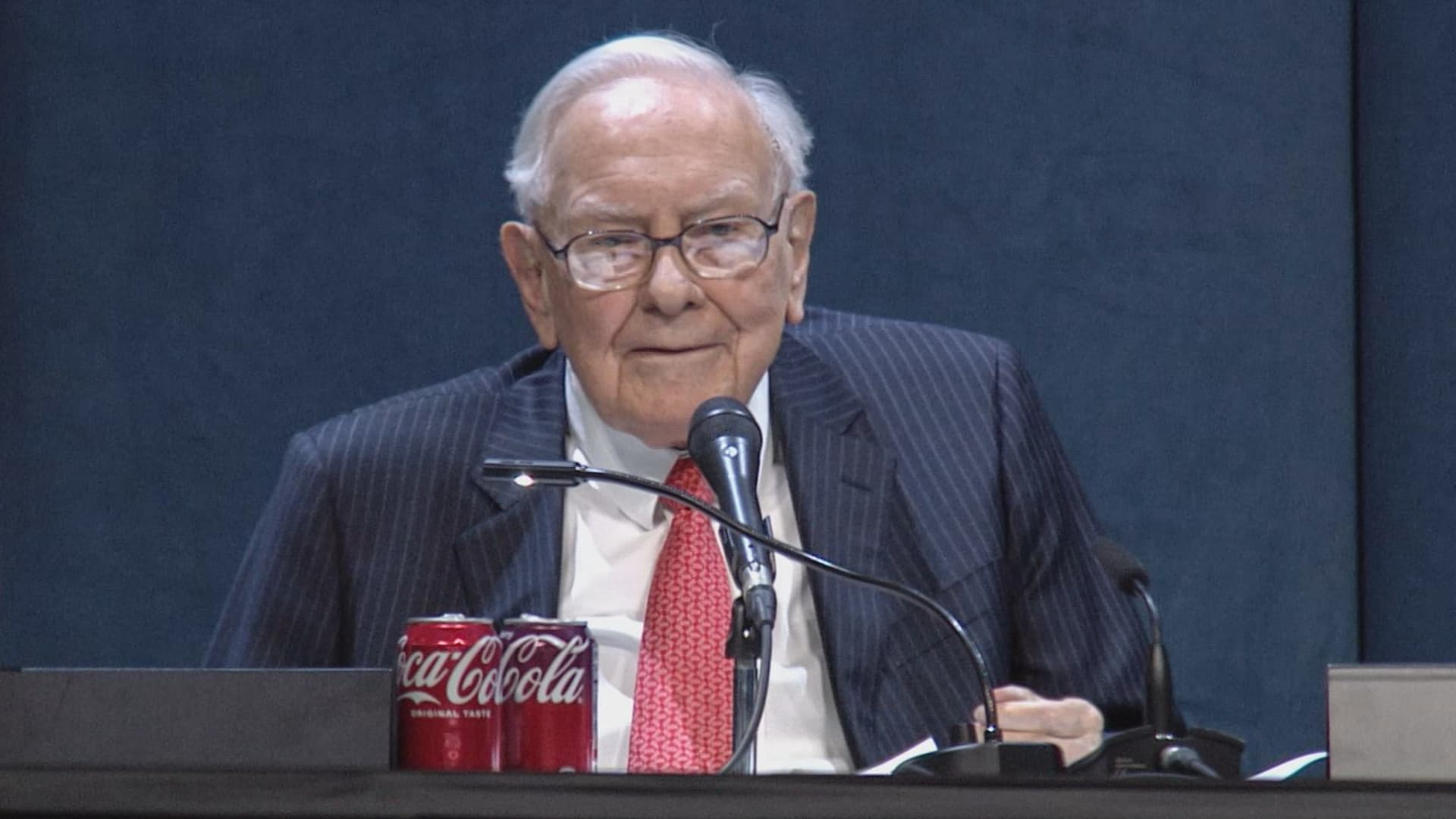
Berkshire Trails S&P by Largest Margin This Year


- Stock Performance Gap: As of May 2026, Berkshire Hathaway's B shares lagged the S&P 500 by 16.3 percentage points year-to-date, marking the largest gap this year, highlighting the stark contrast between the market's enthusiasm for tech stocks and Berkshire's conservative investment strategy.
- Cash Reserve Status: Berkshire reported cash reserves of $397.4 billion as of March 31, up 6.5% from the end of last year, indicating a robust financial position amid market volatility, yet limiting its opportunities for investment in the rapidly growing AI sector.
- AI Investment Dynamics: New CEO Greg Abel tripled the company's stake in Alphabet to nearly $22 billion in Q1, making it the fifth-largest equity holding, although overall AI exposure remains relatively small, reflecting a cautious approach towards emerging technologies.
- Rail Merger Regulatory Delay: The U.S. Surface Transportation Board has paused its review of the proposed $85 billion merger between Union Pacific and Norfolk Southern, requesting additional information, which could delay a final decision until fall 2027; Berkshire's BNSF has opposed the merger, citing anti-competitive concerns.
See More

Meta Expands Business with Subscription Services
- Subscription Service Launch: Meta announced this week that it will test two subscription services for its ChatGPT-like Meta AI app in Singapore, Guatemala, and Bolivia, priced at $7.99 and $19.99 per month, aiming to reduce reliance on advertising through new revenue streams.
- Revenue Potential Analysis: Analysts predict that Meta's subscription services could contribute up to $3 billion in revenue by 2027, growing to $16 billion by 2030, which, while a small fraction of its $200 billion annual revenue, indicates significant growth potential in the AI market.
- Cloud Computing Market Challenges: Zuckerberg mentioned at the shareholder meeting that Meta might enter the cloud computing space, but analysts highlight that substantial investments in technology, platforms, and manpower are necessary for Meta to compete with Amazon, Microsoft, and Google in this competitive market.
- Historical Lessons and Future Outlook: Despite Meta's success in advertising, its past attempts in hardware and enterprise services have not fared well, leading analysts to suggest that new services should be viewed as enhancements to online advertising rather than entirely separate businesses to boost user engagement and content generation.
See More
Microsoft Stock Investment Opportunity Arises
- Historically Cheap: Microsoft stock is currently trading at around 24 times earnings, significantly lower than its historical average over the past decade, making it an attractive investment opportunity, especially after the bear market of 2022, which has drawn investor interest.
- New Agreement with OpenAI: Microsoft is set to benefit from its new agreement with OpenAI in the next fiscal quarter, with projected income rising to $6 billion from the previously anticipated $4 billion, alleviating investor concerns about cash flow while reducing overall exposure to OpenAI.
- Launch of E7 Platform: On May 1, Microsoft launched Microsoft 365 E7 at $99 per user per month, expected to boost revenue by 2.4% to 2.5%, integrating various products and enhancing enterprise management of AI agents, which could lead to significant revenue increases.
- Analyst Optimism: With 95% of analysts rating Microsoft as a buy and a median 12-month price target of $550, approximately 30% above its current price, there is strong market confidence in Microsoft's growth potential moving forward.
See More
Microsoft and Nvidia to Launch New PCs at Upcoming Conferences
- Industry Conference Debut: Microsoft will join Nvidia next week at the Computex tradeshow in Taipei and the Build developer conference in San Francisco to unveil the first Windows computers powered by Nvidia chips, marking a significant collaboration in hardware innovation.
- Product Teaser: Nvidia teased the launch on social media, stating it will usher in a 'new era of PC' and provided coordinates for the Computex event, reflecting strong confidence and market anticipation for the new product.
- Developer Engagement: Microsoft's head of Windows and Devices, Pavan Davuluri, generated excitement among developers by hinting at new opportunities with the upcoming product, clarifying it is not a new OS version, which underscores Microsoft's commitment to its developer ecosystem.
- Market Reaction Anticipation: This launch is expected to elicit positive market reactions regarding the prospects of Microsoft and Nvidia's collaboration, particularly in high-performance computing and gaming sectors, further solidifying their leadership positions in the industry.
See More
Nvidia and Microsoft to Launch First Windows OS Computers with Nvidia Chips
- First Windows Computers: Nvidia and Microsoft are expected to debut the first Windows OS computers using Nvidia chips as the main processor next week, marking a significant collaboration that could drive demand for high-performance computing devices.
- Brand Collaboration: The new computers will include products from Microsoft's Surface brand as well as other manufacturers like Dell, which will help expand Nvidia's market penetration and enhance its position in a competitive landscape.
- Market Reaction: Although Reuters could not immediately verify the report, if true, it may generate strong consumer and enterprise interest in the new high-performance computers, potentially boosting sales of related products.
- Industry Impact: This launch could not only change consumer perceptions of Windows computers but also prompt other manufacturers to accelerate the adoption of Nvidia's technology, further solidifying its leadership in AI and graphics processing.
See More
Meta Launches AI Subscription Services, Seeking New Revenue Streams
- AI Subscription Service Testing: Meta announced it will test two subscription services in Singapore, Guatemala, and Bolivia, priced at $7.99 and $19.99 per month, aiming to create new revenue streams through its AI app and website, despite advertising still accounting for 98% of its revenue.
- Cloud Computing Potential: Zuckerberg mentioned at the shareholder meeting that a cloud computing business is “definitely on the table,” which could position Meta against Amazon, Microsoft, and Google, although the company has yet to establish sufficient infrastructure in this area.
- Revenue Growth Expectations: Analysts predict that Meta's subscription services could contribute up to $3 billion in revenue by 2027, growing to $16 billion by 2030, which, while a small fraction of its $200 billion annual revenue, indicates significant market potential.
- Enterprise Market Challenges: Meta faces challenges in expanding into the enterprise market, with analysts noting that the company needs to build its business from the ground up and enhance its technology and manpower to compete in cloud computing with existing leaders.
See More
Berkshire Trails S&P by Largest Margin This Year
- Stock Performance Gap: As of May 2026, Berkshire Hathaway's B shares lagged the S&P 500 by 16.3 percentage points year-to-date, marking the largest gap this year, highlighting the stark contrast between the market's enthusiasm for tech stocks and Berkshire's conservative investment strategy.
- Cash Reserve Status: Berkshire reported cash reserves of $397.4 billion as of March 31, up 6.5% from the end of last year, indicating a robust financial position amid market volatility, yet limiting its opportunities for investment in the rapidly growing AI sector.
- AI Investment Dynamics: New CEO Greg Abel tripled the company's stake in Alphabet to nearly $22 billion in Q1, making it the fifth-largest equity holding, although overall AI exposure remains relatively small, reflecting a cautious approach towards emerging technologies.
- Rail Merger Regulatory Delay: The U.S. Surface Transportation Board has paused its review of the proposed $85 billion merger between Union Pacific and Norfolk Southern, requesting additional information, which could delay a final decision until fall 2027; Berkshire's BNSF has opposed the merger, citing anti-competitive concerns.
See More
Meta Expands Business with Subscription Services
- Subscription Service Launch: Meta announced this week that it will test two subscription services for its ChatGPT-like Meta AI app in Singapore, Guatemala, and Bolivia, priced at $7.99 and $19.99 per month, aiming to reduce reliance on advertising through new revenue streams.
- Revenue Potential Analysis: Analysts predict that Meta's subscription services could contribute up to $3 billion in revenue by 2027, growing to $16 billion by 2030, which, while a small fraction of its $200 billion annual revenue, indicates significant growth potential in the AI market.
- Cloud Computing Market Challenges: Zuckerberg mentioned at the shareholder meeting that Meta might enter the cloud computing space, but analysts highlight that substantial investments in technology, platforms, and manpower are necessary for Meta to compete with Amazon, Microsoft, and Google in this competitive market.
- Historical Lessons and Future Outlook: Despite Meta's success in advertising, its past attempts in hardware and enterprise services have not fared well, leading analysts to suggest that new services should be viewed as enhancements to online advertising rather than entirely separate businesses to boost user engagement and content generation.
See More