Microsoft and Stellantis Forge Strategic AI Partnership
Written by Emily J. Thompson, Senior Investment Analyst
Updated: 3 days ago
0mins


Should l Buy TSLA?
Source: Fool
- Strategic Partnership: Microsoft and Stellantis have established a five-year strategic partnership aimed at co-developing AI and cybersecurity tools, with plans to launch over 100 AI initiatives, significantly enhancing technological competitiveness in the automotive sector.
- Cloud Migration: Stellantis is shifting its primary tech focus to Microsoft's Azure cloud platform, aiming for a 60% reduction in its physical data center footprint by 2029, which will streamline operations through modernized infrastructure.
- Digital Security Enhancement: The partnership integrates AI-driven analytics across manufacturing sites and connected vehicles to counter emerging cyber threats, thereby protecting the privacy of millions of drivers and enhancing brand trust.
- Positive Market Reaction: Microsoft's stock has surged 10% over the past three days, marking its strongest short-term rally since 2020, with analysts suggesting this indicates growing market confidence in AI integration.
Trade with 70% Backtested Accuracy
Stop guessing "Should I Buy TSLA?" and start using high-conviction signals backed by rigorous historical data.
Sign up today to access powerful investing tools and make smarter, data-driven decisions.
Analyst Views on TSLA
Wall Street analysts forecast TSLA stock price to rise
30 Analyst Rating
12 Buy
11 Hold
7 Sell
Hold
Current: 388.900

Low
25.28
Averages
401.93
High
600.00
Current: 388.900
Low
25.28
Averages
401.93
High
600.00
About TSLA
Tesla, Inc. designs, develops, manufactures, sells and leases high-performance fully electric vehicles and energy generation and storage systems, and offers services related to its products. Its segments include automotive, and energy generation and storage. The automotive segment includes the design, development, manufacturing, sales and leasing of high-performance fully electric vehicles, and sales of automotive regulatory credits. It also includes sales of used vehicles, non-warranty maintenance services and collisions, part sales, paid supercharging, insurance services revenue and retail merchandise sales. The energy generation and storage segment include the design, manufacture, installation, sales and leasing of solar energy generation and energy storage products and related services and sales of solar energy systems incentives. Its consumer vehicles include the Model 3, Y, S, X and Cybertruck. Its lithium-ion battery energy storage products include Powerwall and Megapack.
About the author

Emily J. Thompson
Emily J. Thompson, a Chartered Financial Analyst (CFA) with 12 years in investment research, graduated with honors from the Wharton School. Specializing in industrial and technology stocks, she provides in-depth analysis for Intellectia’s earnings and market brief reports.
Tesla's Q1 2026 Earnings Outlook Raises Concerns

- Delivery Decline: Tesla delivered 358,023 vehicles in Q1 2026, a 14% sequential drop that missed Wall Street's expectation of 370,000, indicating potential demand issues that could hinder future sales growth.
- Inventory Buildup: While deliveries saw a modest 6% year-over-year increase, production surged nearly 13% to 408,386 units, resulting in an inventory increase of about 50,000 cars, suggesting a disconnect between supply and demand that may impact profitability.
- Surging Capital Expenditures: Tesla's capital expenditures for 2026 are projected to exceed $20 billion, a significant rise from $8.5 billion in 2025, highlighting the financial strain associated with its ambitious transformation plans.
- Valuation Risks: With a staggering price-to-earnings ratio near 370, Tesla's stock price reflects market expectations for flawless execution of its autonomous and robotics strategies, exposing investors to substantial risks if regulatory timelines slip or operational challenges arise, making the stock unattractive in the short term.
See More
Tesla's Q1 2026 Earnings Preview and Key Focus Areas
- Production and Delivery Data: In Q1 2026, Tesla produced 408,386 vehicles and delivered 358,023, marking the lowest delivery figures in a year and falling short of Wall Street estimates, indicating potential inventory issues that could pressure free cash flow.
- Robotaxi Progress: Tesla's robotaxi fleet is currently operating in Austin and San Francisco, but the planned expansion into seven new cities may be delayed due to safety culture concerns, which could impact future revenue streams significantly.
- Humanoid Robot Production Outlook: Analysts predict Tesla will produce only 5,000 Optimus robots by 2027 and 30,000 by 2030, despite Musk's ambition of reaching one million annually, creating uncertainty in market expectations regarding these initiatives.
- Market Reaction and Risks: Tesla's stock valuation has decreased from nearly 300 times forward earnings to about 191 times, still higher than peers, and investors are cautious about the rollout of robotaxis; any delays could lead to market disappointment and negatively affect stock performance.
See More
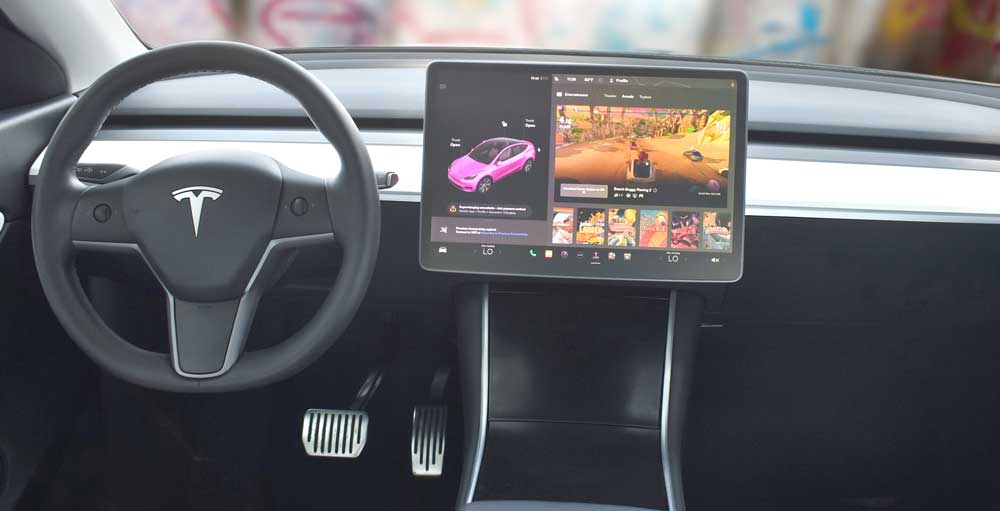
Tesla Launches Robotaxi Service in Dallas and Houston

- City Expansion: Tesla announced the rollout of its robotaxi service in Dallas and Houston, marking the first new cities since Austin and the San Francisco Bay Area, indicating further penetration into the U.S. market.
- Market Potential: This expansion not only provides Tesla with the opportunity to reach more users but also enhances customer loyalty by improving the convenience of transportation services, potentially driving future revenue growth.
- Technology Application: The robotaxi service leverages Tesla's advanced autonomous driving technology, aiming to deliver safe and efficient transportation solutions, thereby solidifying its leadership position in the electric vehicle and autonomous driving sectors.
- Competitive Advantage: By establishing a presence in new markets, Tesla can enhance its brand influence and secure a favorable position in the rapidly growing shared mobility market, increasing its competitiveness against traditional taxi services.
See More

Futures Decline as Oil Prices Surge Amid Iran's Strait Control and Trump's New Talks

- Futures Market Volatility: Futures prices fell as Iran's strict control over the Strait of Hormuz raised geopolitical risk concerns, prompting investors to reassess their risk asset allocations in light of potential supply disruptions.
- Oil Price Surge: Oil prices jumped significantly following Iran's increased control over this critical shipping lane, which could not only impact global energy supply chains but also exacerbate inflationary pressures, affecting both consumer and business cost structures.
- Trump's New Talks: President Trump announced new negotiations set for Monday, although specific details remain undisclosed; this move could influence market expectations regarding future policy directions, thereby impacting investor confidence.
- Tesla Earnings Loom: Tesla is set to release its earnings report soon, and market expectations regarding its performance will directly affect its stock price volatility, with investors keenly watching its performance in the electric vehicle market and future growth potential.
See More

Tesla: A Long-Term Bet on EVs and AI
- Market Expectations vs. Reality: Tesla's P/E ratio exceeds 300, significantly higher than traditional automakers, indicating market expectations for it to evolve beyond just a car manufacturer; however, in 2025, 73% of its revenue still came from vehicle sales, highlighting the risk between current performance and future ambitions.
- Sales and Competitive Pressure: In 2025, Tesla delivered approximately 1.6 million vehicles, making it one of the largest EV makers globally, yet it faces increasing competition and has had to cut prices, resulting in mixed short-term sales performance.
- Long-Term Growth Potential: Tesla is focused on achieving goals like self-driving cars, robotaxi networks, and humanoid robots, and if any of these ventures succeed at scale, it could dramatically shift the company's business model, presenting substantial profit opportunities.
- Investor Decision Considerations: Tesla's future hinges on its ability to achieve autonomy in real-world scenarios; while it may not be an obvious buy in the short term, its long-term potential and ability to reshape industries make it a stock worth monitoring.
See More

Tesla: A Bet on the Future of AI and EVs
- Gap Between Expectations and Reality: Tesla's P/E ratio exceeds 300, significantly higher than traditional automakers, indicating market expectations for it to evolve beyond just a car manufacturer; however, in 2025, 73% of its revenue still came from vehicle sales, highlighting the risk between current performance and future expectations.
- Sales and Competitive Pressure: Tesla delivered approximately 1.6 million vehicles in 2025, making it one of the largest EV makers globally, yet it faces rising competition and price cuts, leading to mixed short-term sales performance that could affect investor confidence.
- Long-Term Growth Potential: Tesla is developing self-driving cars and robotaxi networks that could generate recurring income; if any of these initiatives succeed, it could dramatically shift its business model and create new revenue streams.
- Execution Determines Future: Tesla's success hinges on its ability to execute its ambitious plans in autonomy and other ventures, prompting investors to assess whether it can turn these bold ideas into profitable businesses amidst market volatility.
See More
Tesla's Q1 2026 Earnings Outlook Raises Concerns
- Delivery Decline: Tesla delivered 358,023 vehicles in Q1 2026, a 14% sequential drop that missed Wall Street's expectation of 370,000, indicating potential demand issues that could hinder future sales growth.
- Inventory Buildup: While deliveries saw a modest 6% year-over-year increase, production surged nearly 13% to 408,386 units, resulting in an inventory increase of about 50,000 cars, suggesting a disconnect between supply and demand that may impact profitability.
- Surging Capital Expenditures: Tesla's capital expenditures for 2026 are projected to exceed $20 billion, a significant rise from $8.5 billion in 2025, highlighting the financial strain associated with its ambitious transformation plans.
- Valuation Risks: With a staggering price-to-earnings ratio near 370, Tesla's stock price reflects market expectations for flawless execution of its autonomous and robotics strategies, exposing investors to substantial risks if regulatory timelines slip or operational challenges arise, making the stock unattractive in the short term.
See More
Tesla's Q1 2026 Earnings Preview and Key Focus Areas
- Production and Delivery Data: In Q1 2026, Tesla produced 408,386 vehicles and delivered 358,023, marking the lowest delivery figures in a year and falling short of Wall Street estimates, indicating potential inventory issues that could pressure free cash flow.
- Robotaxi Progress: Tesla's robotaxi fleet is currently operating in Austin and San Francisco, but the planned expansion into seven new cities may be delayed due to safety culture concerns, which could impact future revenue streams significantly.
- Humanoid Robot Production Outlook: Analysts predict Tesla will produce only 5,000 Optimus robots by 2027 and 30,000 by 2030, despite Musk's ambition of reaching one million annually, creating uncertainty in market expectations regarding these initiatives.
- Market Reaction and Risks: Tesla's stock valuation has decreased from nearly 300 times forward earnings to about 191 times, still higher than peers, and investors are cautious about the rollout of robotaxis; any delays could lead to market disappointment and negatively affect stock performance.
See More
Tesla Launches Robotaxi Service in Dallas and Houston
- City Expansion: Tesla announced the rollout of its robotaxi service in Dallas and Houston, marking the first new cities since Austin and the San Francisco Bay Area, indicating further penetration into the U.S. market.
- Market Potential: This expansion not only provides Tesla with the opportunity to reach more users but also enhances customer loyalty by improving the convenience of transportation services, potentially driving future revenue growth.
- Technology Application: The robotaxi service leverages Tesla's advanced autonomous driving technology, aiming to deliver safe and efficient transportation solutions, thereby solidifying its leadership position in the electric vehicle and autonomous driving sectors.
- Competitive Advantage: By establishing a presence in new markets, Tesla can enhance its brand influence and secure a favorable position in the rapidly growing shared mobility market, increasing its competitiveness against traditional taxi services.
See More
Futures Decline as Oil Prices Surge Amid Iran's Strait Control and Trump's New Talks
- Futures Market Volatility: Futures prices fell as Iran's strict control over the Strait of Hormuz raised geopolitical risk concerns, prompting investors to reassess their risk asset allocations in light of potential supply disruptions.
- Oil Price Surge: Oil prices jumped significantly following Iran's increased control over this critical shipping lane, which could not only impact global energy supply chains but also exacerbate inflationary pressures, affecting both consumer and business cost structures.
- Trump's New Talks: President Trump announced new negotiations set for Monday, although specific details remain undisclosed; this move could influence market expectations regarding future policy directions, thereby impacting investor confidence.
- Tesla Earnings Loom: Tesla is set to release its earnings report soon, and market expectations regarding its performance will directly affect its stock price volatility, with investors keenly watching its performance in the electric vehicle market and future growth potential.
See More
Tesla: A Long-Term Bet on EVs and AI
- Market Expectations vs. Reality: Tesla's P/E ratio exceeds 300, significantly higher than traditional automakers, indicating market expectations for it to evolve beyond just a car manufacturer; however, in 2025, 73% of its revenue still came from vehicle sales, highlighting the risk between current performance and future ambitions.
- Sales and Competitive Pressure: In 2025, Tesla delivered approximately 1.6 million vehicles, making it one of the largest EV makers globally, yet it faces increasing competition and has had to cut prices, resulting in mixed short-term sales performance.
- Long-Term Growth Potential: Tesla is focused on achieving goals like self-driving cars, robotaxi networks, and humanoid robots, and if any of these ventures succeed at scale, it could dramatically shift the company's business model, presenting substantial profit opportunities.
- Investor Decision Considerations: Tesla's future hinges on its ability to achieve autonomy in real-world scenarios; while it may not be an obvious buy in the short term, its long-term potential and ability to reshape industries make it a stock worth monitoring.
See More
Tesla: A Bet on the Future of AI and EVs
- Gap Between Expectations and Reality: Tesla's P/E ratio exceeds 300, significantly higher than traditional automakers, indicating market expectations for it to evolve beyond just a car manufacturer; however, in 2025, 73% of its revenue still came from vehicle sales, highlighting the risk between current performance and future expectations.
- Sales and Competitive Pressure: Tesla delivered approximately 1.6 million vehicles in 2025, making it one of the largest EV makers globally, yet it faces rising competition and price cuts, leading to mixed short-term sales performance that could affect investor confidence.
- Long-Term Growth Potential: Tesla is developing self-driving cars and robotaxi networks that could generate recurring income; if any of these initiatives succeed, it could dramatically shift its business model and create new revenue streams.
- Execution Determines Future: Tesla's success hinges on its ability to execute its ambitious plans in autonomy and other ventures, prompting investors to assess whether it can turn these bold ideas into profitable businesses amidst market volatility.
See More