Micron Technology and FedEx Report Strong Quarterly Results Amid Market Turbulence
Written by Emily J. Thompson, Senior Investment Analyst
Updated: Mar 21 2026
0mins


Should l Buy MU?
Source: NASDAQ.COM
- Micron's Earnings Surge: Micron Technology's Q2 sales nearly tripled year-over-year to $23.86 billion, primarily driven by explosive demand for high-bandwidth memory products, showcasing the company's strong execution and profitability in the AI-related market.
- Earnings Beat Expectations: Micron reported an EPS of $12.20, exceeding expectations of $8.80 by 38.64%, and significantly up from $1.56 a year ago, reflecting the company's robust performance in the memory cycle and sustained market demand.
- FedEx's Strong Results: FedEx's Q3 EPS of $5.25 surpassed expectations of $4.14 by 26.81%, while raising its full-year EPS outlook to $19.30-$20.10, indicating ongoing improvements in operational efficiency and package demand.
- Optimistic Market Outlook: Micron expects Q3 sales to reach $33.5 billion, well above the market's forecast of $22.79 billion, highlighting the company's strong growth potential in the memory market, while FedEx is also on track to approach $100 billion in annual sales.
Trade with 70% Backtested Accuracy
Stop guessing "Should I Buy MU?" and start using high-conviction signals backed by rigorous historical data.
Sign up today to access powerful investing tools and make smarter, data-driven decisions.
Analyst Views on MU
Wall Street analysts forecast MU stock price to fall
26 Analyst Rating
24 Buy
2 Hold
0 Sell
Strong Buy
Current: 666.590

Low
235.00
Averages
336.12
High
500.00
Current: 666.590
Low
235.00
Averages
336.12
High
500.00
About MU
Micron Technology, Inc. provides memory and storage solutions. The Company delivers a portfolio of high-performance dynamic random-access memory (DRAM), NAND, and NOR memory and storage products through its Micron and Crucial brands. The Company's products enable advancing in artificial intelligence (AI) and compute-intensive applications. Its segments include Cloud Memory Business Unit (CMBU), Core Data Center Business Unit (CDBU), Mobile and Client Business Unit (MCBU) and Automotive and Embedded Business Unit (AEBU). CMBU is focused on memory solutions for large hyperscale cloud customers, and high bandwidth memory (HBM) for all data center customers. CDBU is focused on memory solutions for mid-tier cloud, enterprise, and OEM data center customers and storage solutions for all data center customers. MCBU is focused on memory and storage solutions for mobile and client segments. AEBU is focused on memory and storage solutions for the automotive, industrial, and consumer segments.
About the author

Emily J. Thompson
Emily J. Thompson, a Chartered Financial Analyst (CFA) with 12 years in investment research, graduated with honors from the Wharton School. Specializing in industrial and technology stocks, she provides in-depth analysis for Intellectia’s earnings and market brief reports.
Micron Technology's Stock Soars Nearly 700% Amid AI Boom

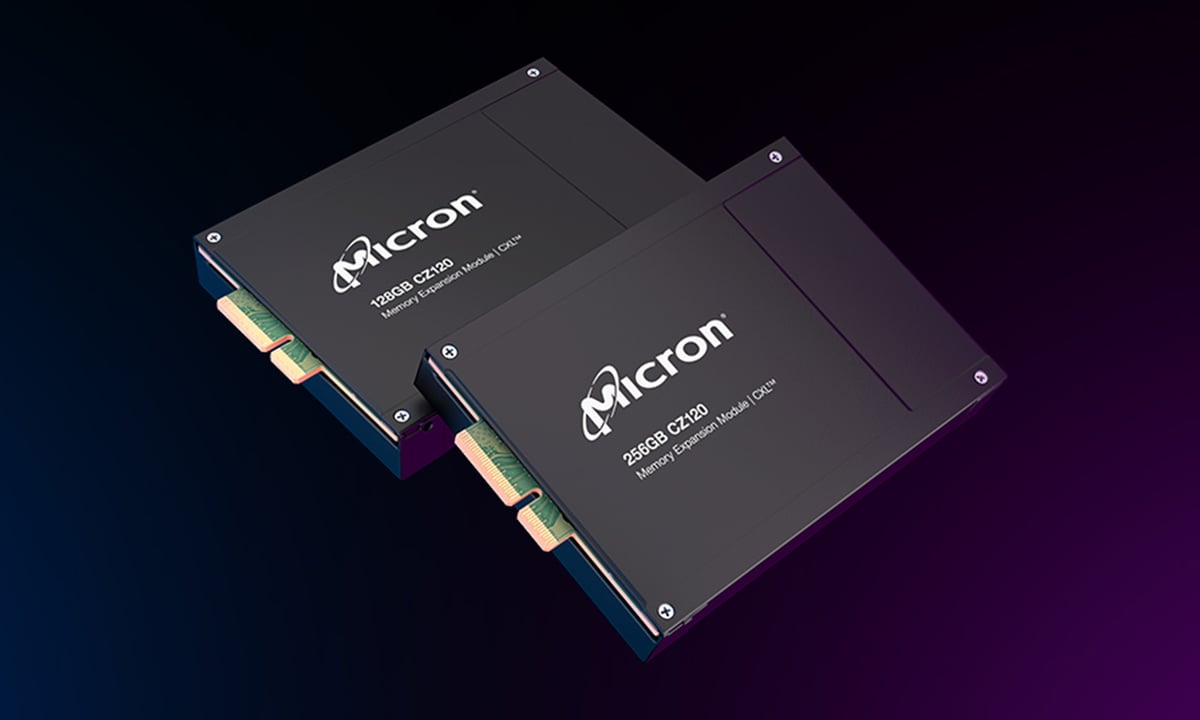
- Stock Surge: Micron Technology's stock has surged nearly 700% over the past year, currently trading above $600, indicating strong market demand and investor confidence, which may prompt the company to consider a stock split to enhance liquidity.
- Revenue Growth: In the second quarter of its 2026 fiscal year, Micron reported $23.9 billion in revenue, a staggering 196% year-over-year increase, marking the company's fourth consecutive quarterly revenue record, showcasing its robust performance in the memory market and ongoing growth potential.
- Supply-Demand Shift: Micron confirmed that its entire HBM4 supply for 2026 is sold out under binding contracts, with customers now signing three- to five-year supply agreements, representing a significant structural shift that will help smooth out previous demand volatility and enhance the company's long-term stability.
- Valuation Appeal: Despite Micron's recent strong performance, it trades at only 11 times forward earnings, which is undervalued compared to most AI stocks, suggesting substantial growth potential if it continues to exceed market expectations, making it a compelling investment opportunity.
See More

US Stocks Close Lower Amid Cautious Market Sentiment


- Market Weakness: On Thursday, the S&P 500 Index fell by 0.38%, the Dow Jones Industrial Average dropped by 0.63%, and the Nasdaq 100 Index decreased by 0.12%, reflecting investor skepticism regarding a potential US-Iran peace deal, which led to a reversal of early gains and impacted market confidence.
- Economic Data Support: Despite the market decline, initial jobless claims rose by 10,000 to 200,000, below the expected 205,000, indicating resilience in the labor market, while Q1 nonfarm productivity increased by 0.8%, surpassing the 0.6% forecast, providing some support to the market.
- Earnings Report Impact: As of Thursday, 84% of the 425 S&P 500 companies that reported earnings exceeded expectations, with Q1 earnings projected to rise by 12% year-over-year, although growth outside the tech sector is only expected to be around 3%, indicating a divergence that may influence investor allocation strategies.
- Oil Price Recovery: WTI crude oil prices rebounded after a 4% decline on Thursday, as the market focused on the potential resumption of US military operations to ensure safe passage through the Strait of Hormuz, which is expected to have ongoing implications for global oil prices and related stocks.
See More
SK Hynix Courted by Global Tech Giants for Investment

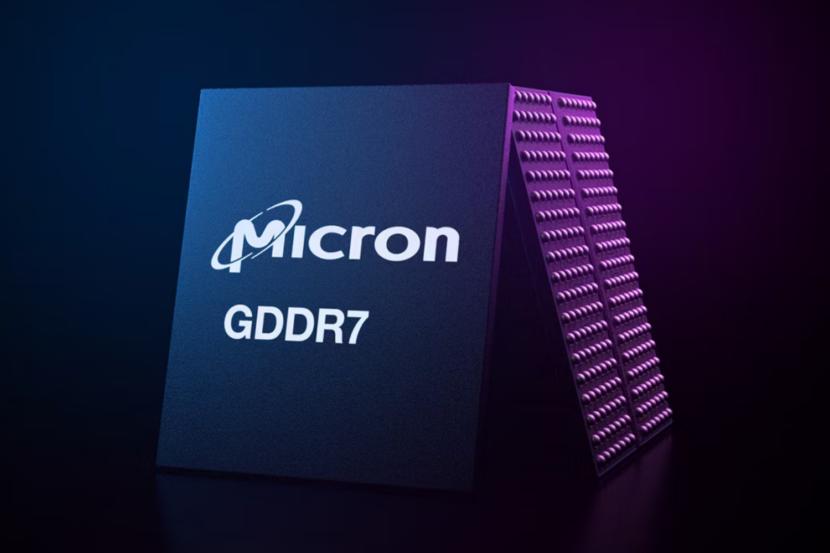
- Surge in Investment Proposals: Global tech firms are making unprecedented investment offers to SK Hynix to support its new production lines and expensive equipment purchases, highlighting the severe global shortage of memory chips, particularly amid surging demand driven by artificial intelligence, indicating a critical need for memory components.
- Customer Financing Plans: Customers have proposed not only investing in dedicated memory production lines but also financing equipment purchases such as ASML's extreme ultraviolet lithography machines, valued at hundreds of millions of dollars, reflecting their strong desire to secure long-term supply while potentially impacting SK Hynix's pricing strategies.
- Tight Capacity Situation: Despite strong investment interest from customers, SK Hynix has stated that available capacity is essentially zero, making it impossible to meet specific customer demands, which could complicate future contract negotiations and affect the company's long-term strategic planning.
- Industry Cycle Shift: Both SK Hynix and Samsung Electronics have indicated that the current memory chip shortage will persist, requiring time to build sufficient production capacity to meet structural growth in AI demand, suggesting that the industry may be entering a prolonged upswing, altering the historical boom-and-bust cycle dynamics.
See More

Qualcomm Collaborates with Meta and OpenAI on New Hardware


- Stock Surge: Qualcomm (QCOM) shares jumped 6% on Thursday, reaching a 22-month high and just 7% shy of record levels, reflecting strong market confidence in the company's future prospects.
- Collaboration with Major Firms: CEO Cristiano Amon revealed that Qualcomm is working with major AI players like Meta and OpenAI on new hardware, indicating a strategic pivot towards AI and 6G networks.
- Strategic Importance of Trump's Visit: Qualcomm will join President Trump's visit to China next week, aimed at strengthening U.S.-China relations, which may pave the way for further development in Qualcomm's Chinese market despite reduced commercial activities.
- Optimistic Market Sentiment: According to Koyfin data, 11 out of 37 analysts rate Qualcomm as a 'buy', 21 as 'hold', and 5 as 'sell', showcasing investor optimism regarding Qualcomm's growth potential.
See More
AI Drives Stock Market Rally with Micron and Nvidia
- Strong Market Performance: Over the past three years, the AI-focused Global X ETF has surged by 145%, significantly outperforming the S&P 500's 85% increase, highlighting AI's critical role in driving revenue and earnings growth for companies, indicating sustained market strength ahead.
- Micron's Earnings Surge: Micron Technology's earnings are expected to skyrocket to $58.08 per share in the current fiscal year, a sevenfold increase driven by robust demand for DRAM and NAND flash, with the memory market projected to nearly triple to $633 billion by 2026, further solidifying its market position.
- Nvidia's Attractive Valuation: Despite Nvidia's flat performance over the past six months, its current forward P/E ratio of 25 makes it a bargain, with analysts forecasting a 75% increase in earnings to $8.34 per share in fiscal 2026, suggesting the stock price could more than double to $417 due to strong data center growth.
- Optimistic Market Outlook: As AI technology continues to evolve, strong earnings expectations for companies like Micron and Nvidia are likely to attract more investor attention, driving further stock market gains and reflecting the long-term growth potential of the tech sector.
See More
Micron Technology Remains a Compelling Investment Opportunity
- Valuation Advantage: Micron Technology's price-to-earnings ratio stands at just 9.9 times, significantly lower than the sector median of approximately 32 times, highlighting its undervaluation in the semiconductor industry and attracting investor interest.
- Growth Potential: The company is projected to achieve a staggering forward EPS growth rate of 327%, indicating strong profitability in a rapidly growing market, which could yield substantial returns for shareholders.
- Stock Performance: Over the past year, Micron's stock has surged by 720%, with an impressive 80% increase in the last month, reflecting strong market confidence in its future performance.
- Investment Recommendation: Despite Micron's cyclical nature, analysts maintain that its fundamentals are robust, and with a combination of low valuation and high growth potential, they recommend investors remain bullish on the stock's long-term outlook.
See More
Micron Technology's Stock Soars Nearly 700% Amid AI Boom
- Stock Surge: Micron Technology's stock has surged nearly 700% over the past year, currently trading above $600, indicating strong market demand and investor confidence, which may prompt the company to consider a stock split to enhance liquidity.
- Revenue Growth: In the second quarter of its 2026 fiscal year, Micron reported $23.9 billion in revenue, a staggering 196% year-over-year increase, marking the company's fourth consecutive quarterly revenue record, showcasing its robust performance in the memory market and ongoing growth potential.
- Supply-Demand Shift: Micron confirmed that its entire HBM4 supply for 2026 is sold out under binding contracts, with customers now signing three- to five-year supply agreements, representing a significant structural shift that will help smooth out previous demand volatility and enhance the company's long-term stability.
- Valuation Appeal: Despite Micron's recent strong performance, it trades at only 11 times forward earnings, which is undervalued compared to most AI stocks, suggesting substantial growth potential if it continues to exceed market expectations, making it a compelling investment opportunity.
See More
US Stocks Close Lower Amid Cautious Market Sentiment
- Market Weakness: On Thursday, the S&P 500 Index fell by 0.38%, the Dow Jones Industrial Average dropped by 0.63%, and the Nasdaq 100 Index decreased by 0.12%, reflecting investor skepticism regarding a potential US-Iran peace deal, which led to a reversal of early gains and impacted market confidence.
- Economic Data Support: Despite the market decline, initial jobless claims rose by 10,000 to 200,000, below the expected 205,000, indicating resilience in the labor market, while Q1 nonfarm productivity increased by 0.8%, surpassing the 0.6% forecast, providing some support to the market.
- Earnings Report Impact: As of Thursday, 84% of the 425 S&P 500 companies that reported earnings exceeded expectations, with Q1 earnings projected to rise by 12% year-over-year, although growth outside the tech sector is only expected to be around 3%, indicating a divergence that may influence investor allocation strategies.
- Oil Price Recovery: WTI crude oil prices rebounded after a 4% decline on Thursday, as the market focused on the potential resumption of US military operations to ensure safe passage through the Strait of Hormuz, which is expected to have ongoing implications for global oil prices and related stocks.
See More
SK Hynix Courted by Global Tech Giants for Investment
- Surge in Investment Proposals: Global tech firms are making unprecedented investment offers to SK Hynix to support its new production lines and expensive equipment purchases, highlighting the severe global shortage of memory chips, particularly amid surging demand driven by artificial intelligence, indicating a critical need for memory components.
- Customer Financing Plans: Customers have proposed not only investing in dedicated memory production lines but also financing equipment purchases such as ASML's extreme ultraviolet lithography machines, valued at hundreds of millions of dollars, reflecting their strong desire to secure long-term supply while potentially impacting SK Hynix's pricing strategies.
- Tight Capacity Situation: Despite strong investment interest from customers, SK Hynix has stated that available capacity is essentially zero, making it impossible to meet specific customer demands, which could complicate future contract negotiations and affect the company's long-term strategic planning.
- Industry Cycle Shift: Both SK Hynix and Samsung Electronics have indicated that the current memory chip shortage will persist, requiring time to build sufficient production capacity to meet structural growth in AI demand, suggesting that the industry may be entering a prolonged upswing, altering the historical boom-and-bust cycle dynamics.
See More
Qualcomm Collaborates with Meta and OpenAI on New Hardware
- Stock Surge: Qualcomm (QCOM) shares jumped 6% on Thursday, reaching a 22-month high and just 7% shy of record levels, reflecting strong market confidence in the company's future prospects.
- Collaboration with Major Firms: CEO Cristiano Amon revealed that Qualcomm is working with major AI players like Meta and OpenAI on new hardware, indicating a strategic pivot towards AI and 6G networks.
- Strategic Importance of Trump's Visit: Qualcomm will join President Trump's visit to China next week, aimed at strengthening U.S.-China relations, which may pave the way for further development in Qualcomm's Chinese market despite reduced commercial activities.
- Optimistic Market Sentiment: According to Koyfin data, 11 out of 37 analysts rate Qualcomm as a 'buy', 21 as 'hold', and 5 as 'sell', showcasing investor optimism regarding Qualcomm's growth potential.
See More
AI Drives Stock Market Rally with Micron and Nvidia
- Strong Market Performance: Over the past three years, the AI-focused Global X ETF has surged by 145%, significantly outperforming the S&P 500's 85% increase, highlighting AI's critical role in driving revenue and earnings growth for companies, indicating sustained market strength ahead.
- Micron's Earnings Surge: Micron Technology's earnings are expected to skyrocket to $58.08 per share in the current fiscal year, a sevenfold increase driven by robust demand for DRAM and NAND flash, with the memory market projected to nearly triple to $633 billion by 2026, further solidifying its market position.
- Nvidia's Attractive Valuation: Despite Nvidia's flat performance over the past six months, its current forward P/E ratio of 25 makes it a bargain, with analysts forecasting a 75% increase in earnings to $8.34 per share in fiscal 2026, suggesting the stock price could more than double to $417 due to strong data center growth.
- Optimistic Market Outlook: As AI technology continues to evolve, strong earnings expectations for companies like Micron and Nvidia are likely to attract more investor attention, driving further stock market gains and reflecting the long-term growth potential of the tech sector.
See More
Micron Technology Remains a Compelling Investment Opportunity
- Valuation Advantage: Micron Technology's price-to-earnings ratio stands at just 9.9 times, significantly lower than the sector median of approximately 32 times, highlighting its undervaluation in the semiconductor industry and attracting investor interest.
- Growth Potential: The company is projected to achieve a staggering forward EPS growth rate of 327%, indicating strong profitability in a rapidly growing market, which could yield substantial returns for shareholders.
- Stock Performance: Over the past year, Micron's stock has surged by 720%, with an impressive 80% increase in the last month, reflecting strong market confidence in its future performance.
- Investment Recommendation: Despite Micron's cyclical nature, analysts maintain that its fundamentals are robust, and with a combination of low valuation and high growth potential, they recommend investors remain bullish on the stock's long-term outlook.
See More