Metsera Shareholders Approve Pfizer's Potential $10 Billion Acquisition
Pfizer's Acquisition of Metsera: Pfizer's takeover offer for Metsera, valued at up to $10 billion, has been approved by shareholders, allowing Pfizer to re-enter the obesity treatment market after competing with Novo Nordisk.
Market Potential and Drug Pipeline: The obesity drug market is projected to reach $150 billion annually by the end of the decade, and Metsera's lead candidate, MET-097i, shows promise in weight loss, potentially rivaling existing treatments.
Impact on Pfizer's Portfolio: This acquisition helps Pfizer diversify beyond its declining COVID-19 portfolio and addresses upcoming patent expirations, with an expected revenue loss of $17 billion to $18 billion annually from 2026 to 2028.
Support from Major Shareholders: Key shareholders of Metsera, including ARCH Venture Fund and Validae Health, supported the deal, holding approximately 37.6% of the company's outstanding stock as of late September.
Trade with 70% Backtested Accuracy
Analyst Views on LLY

About LLY
About the author


ELI LILLY SUBMITS SEC FILING FOR EIGHT-PART NOTES OFFERING WORTH UP TO $9 BILLION

- Company Filing: Eli Lilly has filed for an offering of up to $9 billion in senior notes.
- Purpose of Offering: The proceeds from this offering are intended for general corporate purposes.
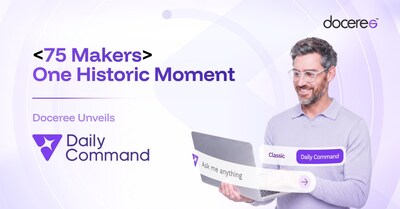
Doceree Launches New System for Pharma Brand Teams


- Collaboration of Industry Leaders: Doceree's Daily Command system, co-built by 75 senior operators including 18 leaders from firms like Sanofi and Merck, signifies a fundamental shift in how pharmaceutical brand teams operate, enhancing decision-making efficiency and transparency.
- Workflow Transformation: Daily Command integrates strategies, creative, and measurement frameworks into a single platform, enabling brand teams to access and manage their work in real-time, significantly improving operational efficiency and team collaboration.
- Market Competitive Advantage: In an environment where pharmaceutical marketing budgets are under sustained pressure, agencies adopting Daily Command will be able to showcase their strategic recommendations within brand teams' daily decision-making processes, thereby increasing client retention and ensuring a competitive edge in the future.
- Open Ecosystem: The Daily Command marketplace allows agencies to integrate their proprietary tools and measurement frameworks directly into the system, ensuring that agencies' intellectual property and data partnerships remain intact, thus fostering innovation and collaboration.
First Generic Versions of Ozempic Approved in Canada
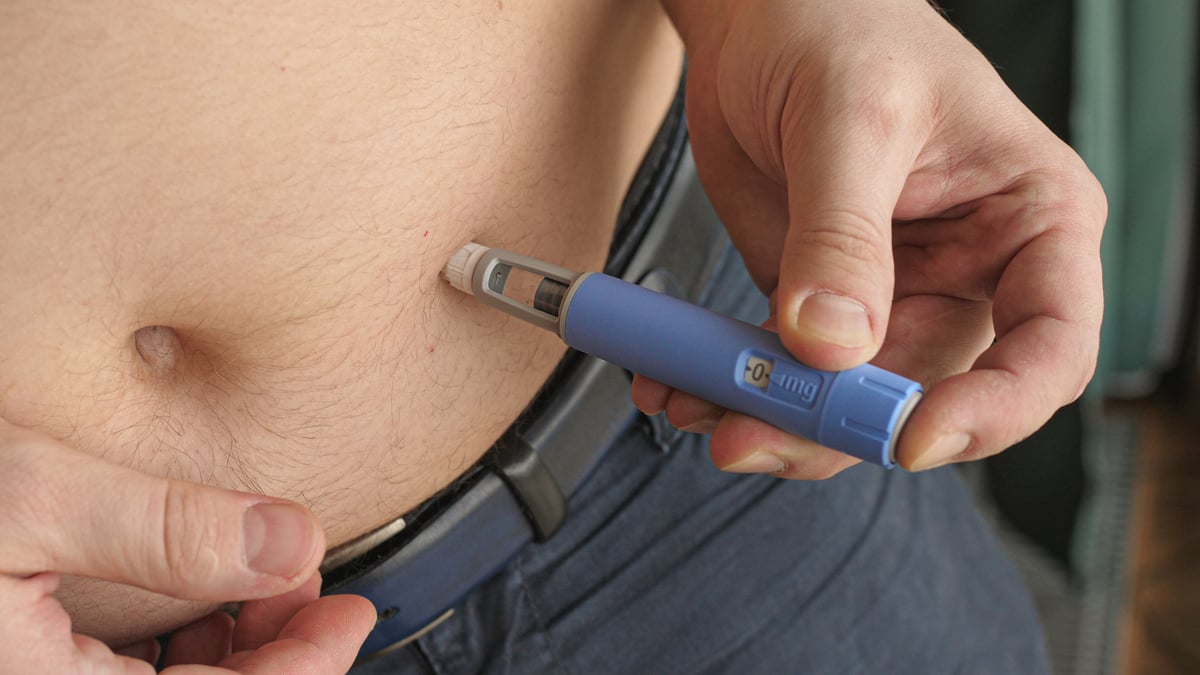
- Generic Approval: Health Canada approved the first generic versions of Ozempic from Dr. Reddy's Laboratories on April 28, followed by another from Apotex, marking the beginning of increased market competition.
- Market Impact Assessment: Analyst Evan Seigerman noted that these new generics could lead to a decline in international revenue for semaglutide, although the impact on the U.S. market is expected to be limited due to competition from Eli Lilly's Mounjaro.
- Novo's Response Strategy: Emil Kongshøj Larsen, EVP of International Operations at Novo Nordisk, stated that the impact of generics is anticipated to be in the low single digits, highlighting the strong uptake of their savings card strategy in Canada.
- Pricing Policy Change: Canadian policy mandates a 65% price cut to Novo's list price once three generic competitors enter the market, which will significantly influence their future market strategy.
Eli Lilly's Stock Surge and Competitor Analysis

- Eli Lilly's Strong Performance: Eli Lilly's GLP-1 weight loss drugs saw sales increase by 125% and 80% in Q1 2026, showcasing robust performance in a rapidly evolving pharmaceutical market, although its P/E ratio stands at 34x, above the industry average of 23x, indicating optimistic market expectations for future growth.
- Novo Nordisk Catching Up: Novo Nordisk's newly launched GLP-1 pill gained traction with 1.3 million prescriptions in the first quarter, suggesting a competitive edge in weight loss effectiveness, prompting the company to raise its full-year 2026 guidance and boosting market confidence.
- Pfizer's Challenges: Pfizer has yet to establish a foothold in the GLP-1 market after having to drop its drug candidate; however, it is actively acquiring promising candidates and advancing oncology and migraine drug development, maintaining its long-standing industry leadership.
- Market Sentiment Analysis: Wall Street's enthusiasm for Eli Lilly has inflated its valuation, prompting caution among long-term investors, while the undervaluation of Novo Nordisk and Pfizer may present greater upside potential, especially in light of overly pessimistic market sentiment.
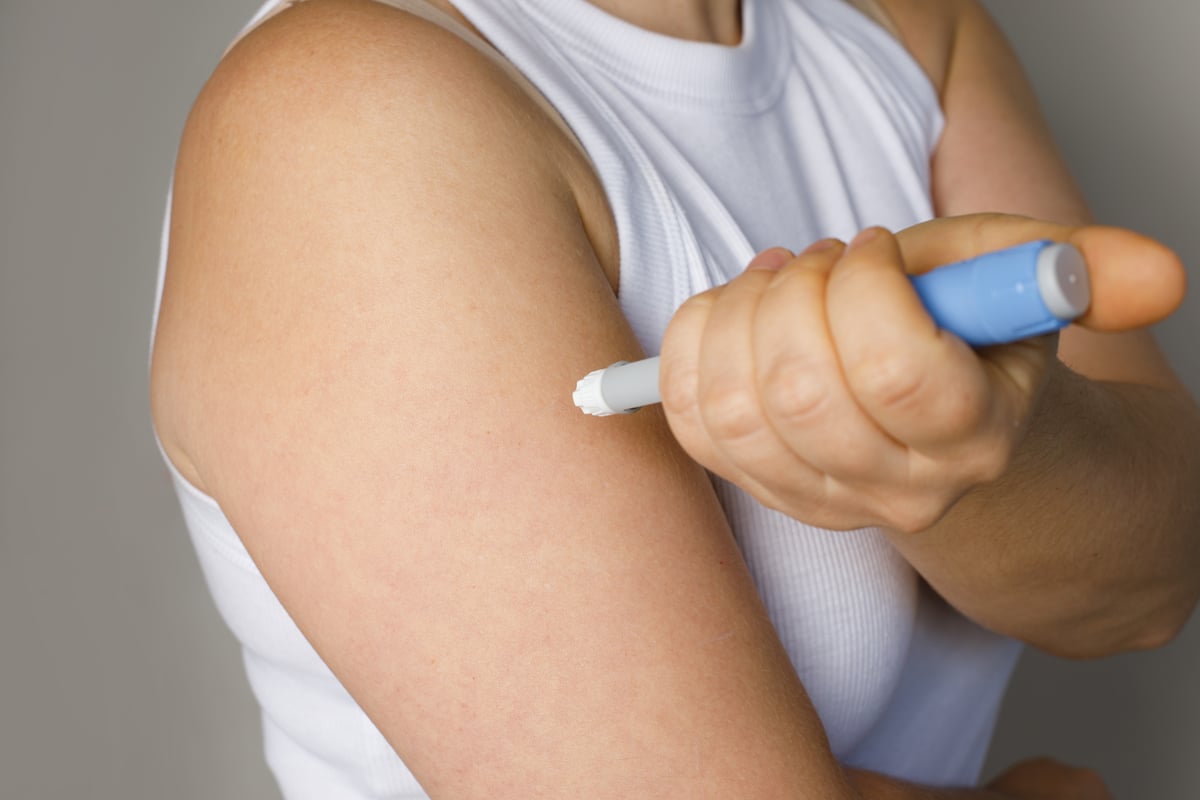
Eli Lilly's Mounjaro Becomes World's Best-Selling Drug
- Sales Surge: Eli Lilly's Mounjaro achieved $8.66 billion in Q1 2026 sales, a 126% increase from $3.84 billion a year ago, surpassing Merck's Keytruda to become the world's top-selling drug, significantly boosting the company's profits.
- International Market Expansion: Mounjaro generated $4.2 billion in U.S. sales, up 59%, while international sales skyrocketed from $1.2 billion to $4.4 billion, primarily due to its inclusion in China's National Reimbursement Drug List, indicating strong global growth potential.
- New Drug Launch: The U.S. launch of Foundayo, an anti-obesity pill, has attracted over 20,000 patients and received prescriptions from more than 8,000 physicians, expected to further drive revenue growth amid a large global obesity population.
- Optimistic Future Outlook: Eli Lilly anticipates total revenue of $84.4 billion in 2026, nearing $100 billion by 2027, with strong sales from Mounjaro and Zepbound, positioning the company favorably for investors looking for growth opportunities.

Weight-Loss Pills Boost Novo Nordisk and Eli Lilly Shares
- Market Expansion Potential: Novo Nordisk's Wegovy pill achieved first-quarter sales about twice expectations, indicating that oral weight-loss medications could attract millions more patients, potentially driving market growth and alleviating pricing pressures.
- Strong Prescription Data: By mid-April, weekly prescriptions for the Wegovy pill reached approximately 207,000, suggesting that demand from new patients exceeded expectations, with nearly 80% of users being treatment-naive, highlighting significant market expansion potential.
- Changing Competitive Landscape: Since its U.S. launch in April, Eli Lilly's Foundayo has been prescribed by over 8,000 doctors, one-third of whom are new to prescribing oral GLP-1 drugs, indicating that the market is attracting new user demographics.
- Pricing Risks and Market Outlook: Although Novo Nordisk's U.S. sales fell 11% due to lower realized prices, analysts believe the rapid acceptance of oral medications may offset this impact, enabling both companies to grow in the expanding obesity market.
ELI LILLY SUBMITS SEC FILING FOR EIGHT-PART NOTES OFFERING WORTH UP TO $9 BILLION
- Company Filing: Eli Lilly has filed for an offering of up to $9 billion in senior notes.
- Purpose of Offering: The proceeds from this offering are intended for general corporate purposes.
Doceree Launches New System for Pharma Brand Teams
- Collaboration of Industry Leaders: Doceree's Daily Command system, co-built by 75 senior operators including 18 leaders from firms like Sanofi and Merck, signifies a fundamental shift in how pharmaceutical brand teams operate, enhancing decision-making efficiency and transparency.
- Workflow Transformation: Daily Command integrates strategies, creative, and measurement frameworks into a single platform, enabling brand teams to access and manage their work in real-time, significantly improving operational efficiency and team collaboration.
- Market Competitive Advantage: In an environment where pharmaceutical marketing budgets are under sustained pressure, agencies adopting Daily Command will be able to showcase their strategic recommendations within brand teams' daily decision-making processes, thereby increasing client retention and ensuring a competitive edge in the future.
- Open Ecosystem: The Daily Command marketplace allows agencies to integrate their proprietary tools and measurement frameworks directly into the system, ensuring that agencies' intellectual property and data partnerships remain intact, thus fostering innovation and collaboration.
First Generic Versions of Ozempic Approved in Canada
- Generic Approval: Health Canada approved the first generic versions of Ozempic from Dr. Reddy's Laboratories on April 28, followed by another from Apotex, marking the beginning of increased market competition.
- Market Impact Assessment: Analyst Evan Seigerman noted that these new generics could lead to a decline in international revenue for semaglutide, although the impact on the U.S. market is expected to be limited due to competition from Eli Lilly's Mounjaro.
- Novo's Response Strategy: Emil Kongshøj Larsen, EVP of International Operations at Novo Nordisk, stated that the impact of generics is anticipated to be in the low single digits, highlighting the strong uptake of their savings card strategy in Canada.
- Pricing Policy Change: Canadian policy mandates a 65% price cut to Novo's list price once three generic competitors enter the market, which will significantly influence their future market strategy.
Eli Lilly's Stock Surge and Competitor Analysis
- Eli Lilly's Strong Performance: Eli Lilly's GLP-1 weight loss drugs saw sales increase by 125% and 80% in Q1 2026, showcasing robust performance in a rapidly evolving pharmaceutical market, although its P/E ratio stands at 34x, above the industry average of 23x, indicating optimistic market expectations for future growth.
- Novo Nordisk Catching Up: Novo Nordisk's newly launched GLP-1 pill gained traction with 1.3 million prescriptions in the first quarter, suggesting a competitive edge in weight loss effectiveness, prompting the company to raise its full-year 2026 guidance and boosting market confidence.
- Pfizer's Challenges: Pfizer has yet to establish a foothold in the GLP-1 market after having to drop its drug candidate; however, it is actively acquiring promising candidates and advancing oncology and migraine drug development, maintaining its long-standing industry leadership.
- Market Sentiment Analysis: Wall Street's enthusiasm for Eli Lilly has inflated its valuation, prompting caution among long-term investors, while the undervaluation of Novo Nordisk and Pfizer may present greater upside potential, especially in light of overly pessimistic market sentiment.
Eli Lilly's Mounjaro Becomes World's Best-Selling Drug
- Sales Surge: Eli Lilly's Mounjaro achieved $8.66 billion in Q1 2026 sales, a 126% increase from $3.84 billion a year ago, surpassing Merck's Keytruda to become the world's top-selling drug, significantly boosting the company's profits.
- International Market Expansion: Mounjaro generated $4.2 billion in U.S. sales, up 59%, while international sales skyrocketed from $1.2 billion to $4.4 billion, primarily due to its inclusion in China's National Reimbursement Drug List, indicating strong global growth potential.
- New Drug Launch: The U.S. launch of Foundayo, an anti-obesity pill, has attracted over 20,000 patients and received prescriptions from more than 8,000 physicians, expected to further drive revenue growth amid a large global obesity population.
- Optimistic Future Outlook: Eli Lilly anticipates total revenue of $84.4 billion in 2026, nearing $100 billion by 2027, with strong sales from Mounjaro and Zepbound, positioning the company favorably for investors looking for growth opportunities.
Weight-Loss Pills Boost Novo Nordisk and Eli Lilly Shares
- Market Expansion Potential: Novo Nordisk's Wegovy pill achieved first-quarter sales about twice expectations, indicating that oral weight-loss medications could attract millions more patients, potentially driving market growth and alleviating pricing pressures.
- Strong Prescription Data: By mid-April, weekly prescriptions for the Wegovy pill reached approximately 207,000, suggesting that demand from new patients exceeded expectations, with nearly 80% of users being treatment-naive, highlighting significant market expansion potential.
- Changing Competitive Landscape: Since its U.S. launch in April, Eli Lilly's Foundayo has been prescribed by over 8,000 doctors, one-third of whom are new to prescribing oral GLP-1 drugs, indicating that the market is attracting new user demographics.
- Pricing Risks and Market Outlook: Although Novo Nordisk's U.S. sales fell 11% due to lower realized prices, analysts believe the rapid acceptance of oral medications may offset this impact, enabling both companies to grow in the expanding obesity market.