Meta Plans $13B Data Center Investment in Texas
Written by Emily J. Thompson, Senior Investment Analyst
Updated: 1 hour ago
0mins
Should l Buy META?
Source: seekingalpha
- Financing Overview: Meta Platforms is reportedly working on a financing package totaling approximately $13 billion for a data center, highlighting Big Tech's increasing reliance on debt to fund infrastructure for the AI boom.
- Key Financial Institutions Involved: Morgan Stanley and JPMorgan Chase are leading this financing effort, with the majority expected to be in debt and the remainder in equity, reflecting strong market interest in AI-related projects.
- Investment Scale Increase: In March, Meta boosted its investment in the El Paso AI data center to $10 billion, more than sixfold, aiming to achieve 1 gigawatt of capacity ahead of the facility's projected opening in 2028.
- Industry Spending Trends: Meta and its rivals, including Amazon, Alphabet, and Microsoft, are projected to spend over $630 billion on AI infrastructure this year, indicating robust demand and investment willingness in the AI development sector.
Trade with 70% Backtested Accuracy
Stop guessing "Should I Buy META?" and start using high-conviction signals backed by rigorous historical data.
Sign up today to access powerful investing tools and make smarter, data-driven decisions.
Analyst Views on META
Wall Street analysts forecast META stock price to rise
44 Analyst Rating
37 Buy
6 Hold
1 Sell
Strong Buy
Current: 608.745

Low
655.15
Averages
824.71
High
1117
Current: 608.745
Low
655.15
Averages
824.71
High
1117
About META
Meta Platforms, Inc. is building human connections, powered by artificial intelligence and immersive technologies. The Company's products enable people to connect and share with friends and family through mobile devices, personal computers, virtual reality (VR) and mixed reality (MR) headsets, augmented reality (AR), and wearables. It also helps people discover and learn about what is going on in the world around them, enabling people to share their experiences, ideas, photos, videos, and other content with audiences ranging from their closest family members and friends to the public at large. The Company's segments include Family of Apps (FoA) and Reality Labs (RL). FoA segment includes Facebook, Instagram, Messenger, WhatsApp and Threads. RL segment includes its virtual, augmented, and mixed reality related consumer hardware, software and content. Its product offerings in VR include its Meta Quest devices, as well as software and content available through the Meta Horizon Store.
About the author

Emily J. Thompson
Emily J. Thompson, a Chartered Financial Analyst (CFA) with 12 years in investment research, graduated with honors from the Wharton School. Specializing in industrial and technology stocks, she provides in-depth analysis for Intellectia’s earnings and market brief reports.

Meta Platforms' AI Spending Surge Triggers Stock Decline

- Earnings Report Reaction: Meta Platforms' earnings report revealed a 33% year-over-year revenue increase, yet the stock plummeted 8.6% post-announcement due to a projected 7% rise in AI capital expenditures, indicating investor concerns over future profitability.
- Increased Capex Guidance: The company now expects capital expenditures for 2026 to range between $125 billion and $145 billion, up from a prior estimate of $115 billion to $135 billion, primarily driven by rising component costs and additional data center expenses, which could strain cash flow and investment returns.
- Lack of Market Confidence: Unlike Alphabet, Meta's unclear monetization strategy for AI raises serious doubts among investors regarding the returns on its AI investments, especially after the $80 billion spent on the Metaverse, leaving its future AI product plans vague and uncertain.
- Intensifying Competitive Pressure: In the AI sector, Meta faces fierce competition from companies like Alphabet and Amazon, which are already profiting from AI cloud services and products, while Meta's AI strategy lacks a clear path to profitability, potentially weakening its position in the industry.
See More

Meta Platforms Stock Plummets After Quarterly Earnings Report
- Earnings Impact: Meta's stock fell nearly double digits following its Q1 2026 earnings report, indicating market disappointment with its financial performance, which could lead to a decline in investor confidence.
- Market Reaction: The stock experienced a significant drop during afternoon trading on May 1, reflecting investor concerns about the company's future growth prospects, potentially affecting its short-term financing capabilities.
- Investor Sentiment: This sharp decline in stock price may trigger further sell-offs among investors, exacerbating market instability and impacting Meta's market capitalization and position.
- Long-term Implications: If Meta fails to quickly restore investor confidence, it could negatively affect its future capital expenditures and R&D investments, thereby impacting the company's long-term growth potential.
See More

Meta Plans $13B Data Center Investment in Texas

- Financing Overview: Meta Platforms is reportedly working on a financing package totaling approximately $13 billion for a data center, highlighting Big Tech's increasing reliance on debt to fund infrastructure for the AI boom.
- Key Financial Institutions Involved: Morgan Stanley and JPMorgan Chase are leading this financing effort, with the majority expected to be in debt and the remainder in equity, reflecting strong market interest in AI-related projects.
- Investment Scale Increase: In March, Meta boosted its investment in the El Paso AI data center to $10 billion, more than sixfold, aiming to achieve 1 gigawatt of capacity ahead of the facility's projected opening in 2028.
- Industry Spending Trends: Meta and its rivals, including Amazon, Alphabet, and Microsoft, are projected to spend over $630 billion on AI infrastructure this year, indicating robust demand and investment willingness in the AI development sector.
See More

Meta Reports 33% Revenue Growth in Q1 but Stock Declines

- Strong Revenue Growth: Meta reported over $56 billion in revenue for Q1 2026, marking a 33% year-over-year increase, showcasing robust market performance, yet the stock declined due to rising AI expenses, reflecting investor concerns about future profitability.
- Advertising Performance Boost: With ad impressions up 19% year-over-year and average ad prices increasing by 12%, Meta continues to capture market share in its advertising business; however, the high spending could impact its profitability.
- Capital Expenditure Increase: Meta raised its 2026 capital expenditure outlook to a range of $125 billion to $145 billion, up from a prior range of $115 billion to $135 billion, indicating ongoing investments in infrastructure and AI, which may pressure short-term earnings.
- Cost Control Initiatives: Despite a total expense guidance of $162 billion to $169 billion, management emphasized efforts to enhance spending efficiency, including partnerships with Broadcom for custom silicon development, aiming to improve computational efficiency and strengthen long-term competitive advantages.
See More

Meta Reports 33% Revenue Growth in Q1 2026
- Significant Revenue Growth: Meta's Q1 revenue surged 33% year-over-year to over $56 billion, indicating strong market demand, although the stock price declined due to rising AI expenditures, reflecting investor concerns about future profitability.
- Strong Ad Performance: Ad impressions increased by 19% year-over-year, and average ad pricing rose by 12%, suggesting enhanced competitiveness in the advertising market, which is expected to continue driving future revenue growth.
- Increased Capital Expenditure Outlook: Meta raised its 2026 capital expenditure forecast to a range of $125 billion to $145 billion, up from $115 billion to $135 billion, primarily due to rising component costs and additional data center expenses, demonstrating the company's confidence in future expansion.
- Cost Control Challenges: Despite maintaining total expense guidance of $162 billion to $169 billion, Q1 capital expenditures reached $19.8 billion, a 45% increase year-over-year, which may pressure future profitability, necessitating investor attention on management's capital allocation decisions.
See More
Revival of Hong Kong IPO Market Signals Growth

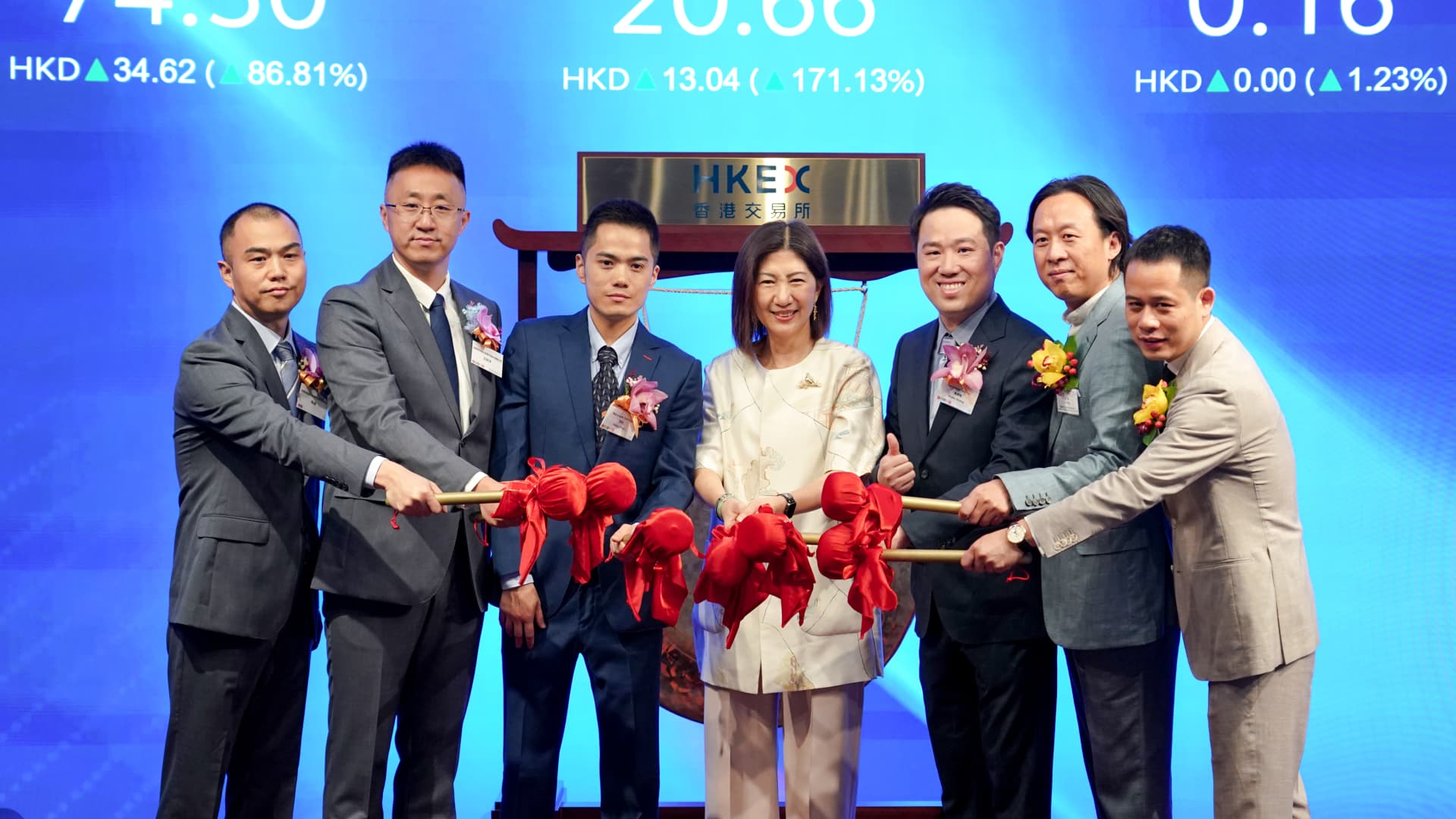
- Surge in Hong Kong IPOs: Over 40 companies have listed in Hong Kong this year, with projections to raise about $60 billion, nearly double the $36 billion expected in 2025, highlighting the market's significance in global capital flows.
- Investor Confidence Boost: Despite regulatory scrutiny, only about 15% of the Hong Kong IPO pipeline may face Chinese regulatory challenges, indicating a strong optimism among investors regarding future IPO liquidity and market recovery.
- Tech Ecosystem Development: The increasing number of Chinese companies going public in Hong Kong is fueling financing for domestic startups, fostering the growth of China's tech ecosystem and attracting global investor interest.
- Shift in Entrepreneurial Mindset: Chinese entrepreneurs are becoming more open to selling their businesses or engaging in M&A, providing investors with more opportunities to profit and further expanding the industry's scale.
See More
Meta Platforms' AI Spending Surge Triggers Stock Decline
- Earnings Report Reaction: Meta Platforms' earnings report revealed a 33% year-over-year revenue increase, yet the stock plummeted 8.6% post-announcement due to a projected 7% rise in AI capital expenditures, indicating investor concerns over future profitability.
- Increased Capex Guidance: The company now expects capital expenditures for 2026 to range between $125 billion and $145 billion, up from a prior estimate of $115 billion to $135 billion, primarily driven by rising component costs and additional data center expenses, which could strain cash flow and investment returns.
- Lack of Market Confidence: Unlike Alphabet, Meta's unclear monetization strategy for AI raises serious doubts among investors regarding the returns on its AI investments, especially after the $80 billion spent on the Metaverse, leaving its future AI product plans vague and uncertain.
- Intensifying Competitive Pressure: In the AI sector, Meta faces fierce competition from companies like Alphabet and Amazon, which are already profiting from AI cloud services and products, while Meta's AI strategy lacks a clear path to profitability, potentially weakening its position in the industry.
See More
Meta Platforms Stock Plummets After Quarterly Earnings Report
- Earnings Impact: Meta's stock fell nearly double digits following its Q1 2026 earnings report, indicating market disappointment with its financial performance, which could lead to a decline in investor confidence.
- Market Reaction: The stock experienced a significant drop during afternoon trading on May 1, reflecting investor concerns about the company's future growth prospects, potentially affecting its short-term financing capabilities.
- Investor Sentiment: This sharp decline in stock price may trigger further sell-offs among investors, exacerbating market instability and impacting Meta's market capitalization and position.
- Long-term Implications: If Meta fails to quickly restore investor confidence, it could negatively affect its future capital expenditures and R&D investments, thereby impacting the company's long-term growth potential.
See More
Meta Plans $13B Data Center Investment in Texas
- Financing Overview: Meta Platforms is reportedly working on a financing package totaling approximately $13 billion for a data center, highlighting Big Tech's increasing reliance on debt to fund infrastructure for the AI boom.
- Key Financial Institutions Involved: Morgan Stanley and JPMorgan Chase are leading this financing effort, with the majority expected to be in debt and the remainder in equity, reflecting strong market interest in AI-related projects.
- Investment Scale Increase: In March, Meta boosted its investment in the El Paso AI data center to $10 billion, more than sixfold, aiming to achieve 1 gigawatt of capacity ahead of the facility's projected opening in 2028.
- Industry Spending Trends: Meta and its rivals, including Amazon, Alphabet, and Microsoft, are projected to spend over $630 billion on AI infrastructure this year, indicating robust demand and investment willingness in the AI development sector.
See More
Meta Reports 33% Revenue Growth in Q1 but Stock Declines
- Strong Revenue Growth: Meta reported over $56 billion in revenue for Q1 2026, marking a 33% year-over-year increase, showcasing robust market performance, yet the stock declined due to rising AI expenses, reflecting investor concerns about future profitability.
- Advertising Performance Boost: With ad impressions up 19% year-over-year and average ad prices increasing by 12%, Meta continues to capture market share in its advertising business; however, the high spending could impact its profitability.
- Capital Expenditure Increase: Meta raised its 2026 capital expenditure outlook to a range of $125 billion to $145 billion, up from a prior range of $115 billion to $135 billion, indicating ongoing investments in infrastructure and AI, which may pressure short-term earnings.
- Cost Control Initiatives: Despite a total expense guidance of $162 billion to $169 billion, management emphasized efforts to enhance spending efficiency, including partnerships with Broadcom for custom silicon development, aiming to improve computational efficiency and strengthen long-term competitive advantages.
See More
Meta Reports 33% Revenue Growth in Q1 2026
- Significant Revenue Growth: Meta's Q1 revenue surged 33% year-over-year to over $56 billion, indicating strong market demand, although the stock price declined due to rising AI expenditures, reflecting investor concerns about future profitability.
- Strong Ad Performance: Ad impressions increased by 19% year-over-year, and average ad pricing rose by 12%, suggesting enhanced competitiveness in the advertising market, which is expected to continue driving future revenue growth.
- Increased Capital Expenditure Outlook: Meta raised its 2026 capital expenditure forecast to a range of $125 billion to $145 billion, up from $115 billion to $135 billion, primarily due to rising component costs and additional data center expenses, demonstrating the company's confidence in future expansion.
- Cost Control Challenges: Despite maintaining total expense guidance of $162 billion to $169 billion, Q1 capital expenditures reached $19.8 billion, a 45% increase year-over-year, which may pressure future profitability, necessitating investor attention on management's capital allocation decisions.
See More
Revival of Hong Kong IPO Market Signals Growth
- Surge in Hong Kong IPOs: Over 40 companies have listed in Hong Kong this year, with projections to raise about $60 billion, nearly double the $36 billion expected in 2025, highlighting the market's significance in global capital flows.
- Investor Confidence Boost: Despite regulatory scrutiny, only about 15% of the Hong Kong IPO pipeline may face Chinese regulatory challenges, indicating a strong optimism among investors regarding future IPO liquidity and market recovery.
- Tech Ecosystem Development: The increasing number of Chinese companies going public in Hong Kong is fueling financing for domestic startups, fostering the growth of China's tech ecosystem and attracting global investor interest.
- Shift in Entrepreneurial Mindset: Chinese entrepreneurs are becoming more open to selling their businesses or engaging in M&A, providing investors with more opportunities to profit and further expanding the industry's scale.
See More