HSBC Holdings Q1 2026 Earnings Analysis
Written by Emily J. Thompson, Senior Investment Analyst
Updated: 1 hour ago
0mins
Should l Buy HSBC?
Source: seekingalpha
- Disappointing Earnings: HSBC Holdings reported a Q1 2026 non-GAAP EPS of $0.44, missing estimates by $1.72, indicating pressure on profitability that could affect investor confidence.
- Stable Revenue Growth: The bank's revenue reached $18.62 billion, a 5.5% year-over-year increase, beating expectations by $80 million, demonstrating resilience in revenue generation despite overall profit decline.
- Declining Capital Ratio: The common equity tier 1 capital ratio stood at 14.0%, down 0.9 percentage points from Q4 2025, reflecting challenges in capital management that may impact future capital allocation and growth strategies.
- Cautious Outlook: HSBC expects banking net interest income of around $46 billion in 2026, and while maintaining a target RoTE of 17% or better, adverse factors could lead to a decline in profitability, necessitating close monitoring of market conditions.
Trade with 70% Backtested Accuracy
Stop guessing "Should I Buy HSBC?" and start using high-conviction signals backed by rigorous historical data.
Sign up today to access powerful investing tools and make smarter, data-driven decisions.
Analyst Views on HSBC
About HSBC
HSBC Holdings plc (HSBC) is a banking and financial services company. Its business segments include Hong Kong, UK, Corporate and Institutional Banking (CIB), and International Wealth and Premier Banking (IWPB). Its Hong Kong business comprises retail banking and wealth and commercial banking of HSBC Hong Kong and Hang Seng Bank. Its UK business comprises UK retail banking and wealth (including first direct and M&S Bank) and UK commercial banking, including HSBC Innovation Bank. The CIB segment is formed from the integration of its commercial banking business (outside the UK and Hong Kong) with its global banking and markets business. The IWPB segment comprises premier banking outside of Hong Kong and the UK, its global private bank, and its asset management, insurance and investment distribution businesses. Its customers worldwide through a network covering 58 countries and territories. Its customers range from individual savers and investors to companies, governments and others.
About the author

Emily J. Thompson
Emily J. Thompson, a Chartered Financial Analyst (CFA) with 12 years in investment research, graduated with honors from the Wharton School. Specializing in industrial and technology stocks, she provides in-depth analysis for Intellectia’s earnings and market brief reports.
HSBC's Q1 Profit Misses Expectations Amid Rising Credit Losses

- Profit Performance: HSBC reported a pre-tax profit of $9.4 billion for Q1, missing analysts' expectations of $9.59 billion primarily due to rising expected credit losses and other impairment charges, indicating economic uncertainty.
- Strong Revenue Growth: Despite the profit decline, HSBC's revenue increased by 6% year-on-year to $18.62 billion, exceeding estimates, driven by stronger wealth management fees and other income, showcasing the effectiveness of its diversification strategy.
- Rising Credit Losses: Expected credit losses rose to $1.3 billion, $400 million higher than the same period last year, primarily linked to exposure to a UK financial sponsor, reflecting economic pressures and uncertainties stemming from the Middle East conflict.
- Shareholder Return Plan: HSBC's board approved its first interim dividend of 10 cents per share for 2026, maintaining a target return on tangible equity of 17% despite potential impacts from the Middle East crisis, demonstrating confidence in future profitability.
See More
European Stocks Expected to Open Lower Amid Iran Conflict Concerns

- Market Reaction: European stocks are expected to open mostly lower on Tuesday as the fragile ceasefire between the U.S. and Iran appears close to collapse, with Germany's DAX and France's CAC 40 down 0.4% each, and Italy's FTSE MIB down 0.1%, indicating investor sensitivity to geopolitical risks.
- Oil Price Volatility: Oil prices surged on Monday as traders assessed Middle East developments, reflecting concerns over the potential for prolonged conflict to lead to a global recession, although prices declined overnight.
- U.S. Warning: President Trump warned Iran in a Fox News interview that it would be
See More

Middle East Tensions Rise, Market Reaction Muted

- Escalating Middle East Tensions: The U.S. Navy sank Iranian boats in the Strait of Hormuz while Iran launched drone and missile attacks on the UAE, putting the fragile ceasefire at risk and potentially leading to broader conflict that could destabilize global markets.
- Rising Inflation Pressures: Australia's central bank raised its policy rate to 4.35%, the highest since December 2024, due to sharply rising fuel and commodity prices linked to the Middle East conflict, which may hinder economic growth prospects.
- Mixed Banking Earnings Reports: HSBC missed first-quarter pre-tax profit expectations due to higher anticipated credit losses, while Italy's UniCredit reported a 16% increase in net profit, indicating varied recovery across different banking sectors.
- Strong Tech Earnings: Palantir reported an 85% revenue growth in Q1, marking its fastest expansion since its 2020 debut, while Paramount and Pinterest also exceeded forecasts, highlighting a robust recovery in the tech and media sectors that may attract investor interest.
See More
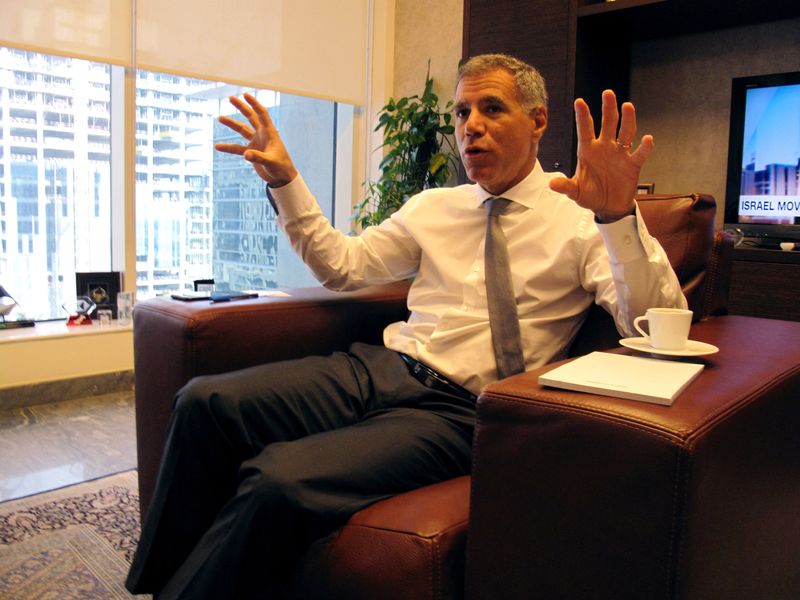
HSBC Holdings Q1 2026 Earnings Analysis
- Disappointing Earnings: HSBC Holdings reported a Q1 2026 non-GAAP EPS of $0.44, missing estimates by $1.72, indicating pressure on profitability that could affect investor confidence.
- Stable Revenue Growth: The bank's revenue reached $18.62 billion, a 5.5% year-over-year increase, beating expectations by $80 million, demonstrating resilience in revenue generation despite overall profit decline.
- Declining Capital Ratio: The common equity tier 1 capital ratio stood at 14.0%, down 0.9 percentage points from Q4 2025, reflecting challenges in capital management that may impact future capital allocation and growth strategies.
- Cautious Outlook: HSBC expects banking net interest income of around $46 billion in 2026, and while maintaining a target RoTE of 17% or better, adverse factors could lead to a decline in profitability, necessitating close monitoring of market conditions.
See More

Palantir Set to Report Q1 2026 Earnings Amid Analyst Concerns

- Earnings Release Outlook: Palantir is set to report its Q1 2026 earnings after market close, with consensus estimates predicting adjusted EPS of $0.28 and revenue of approximately $1.5 billion, reflecting a 75% year-over-year growth, despite the stock's decline of over 13% this year.
- Analyst Downgrade: HSBC analyst Stephen Bersey downgraded Palantir from a buy to hold, cutting the price target by $54 to $205, citing concerns that AI competitors are replicating Palantir's accessible AI coding capabilities, which could erode its market moat.
- Market Expectations and Valuation Pressure: Despite high expectations tied to Palantir's valuation, the company must provide strong second-quarter guidance, with estimates nearing $1.68 billion in revenue and $950 million in adjusted operating income, to regain investor confidence and prevent further stock declines.
- Importance of Future Guidance: Providing full-year U.S. commercial revenue guidance that exceeds Wall Street estimates will bolster investor confidence; however, given the current cautious market sentiment, Palantir must demonstrate its sustained competitive advantage to maintain its elevated valuation.
See More

AMD Faces Cautious Outlook Ahead of Q1 Report

- Rating Downgrade: HSBC analyst Frank Lee downgraded AMD's stock rating from Buy to Hold, indicating that much of the recent price increase may already be reflected, resulting in a roughly 5% drop in shares during Monday's morning session.
- Stock Performance: AMD shares have surged over 68% this year and approximately 258% over the past 12 months, with investors keenly focused on whether the chipmaker can sustain this rally with another strong quarterly performance.
- Earnings Expectations: Wall Street anticipates AMD will report adjusted earnings of $1.28 per share, reflecting a 33% year-over-year increase, with revenues expected to be around $9.9 billion, also up about 33%, showcasing the company's growth potential amid strong demand.
- Valuation Changes: Lee noted that AMD's valuation has sharply increased, with the stock now trading at about 33 times estimated 2027 earnings compared to around 19 times previously, and although the price target was raised from $335 to $340, it still implies about a 6% downside from current levels.
See More
HSBC's Q1 Profit Misses Expectations Amid Rising Credit Losses
- Profit Performance: HSBC reported a pre-tax profit of $9.4 billion for Q1, missing analysts' expectations of $9.59 billion primarily due to rising expected credit losses and other impairment charges, indicating economic uncertainty.
- Strong Revenue Growth: Despite the profit decline, HSBC's revenue increased by 6% year-on-year to $18.62 billion, exceeding estimates, driven by stronger wealth management fees and other income, showcasing the effectiveness of its diversification strategy.
- Rising Credit Losses: Expected credit losses rose to $1.3 billion, $400 million higher than the same period last year, primarily linked to exposure to a UK financial sponsor, reflecting economic pressures and uncertainties stemming from the Middle East conflict.
- Shareholder Return Plan: HSBC's board approved its first interim dividend of 10 cents per share for 2026, maintaining a target return on tangible equity of 17% despite potential impacts from the Middle East crisis, demonstrating confidence in future profitability.
See More
European Stocks Expected to Open Lower Amid Iran Conflict Concerns
- Market Reaction: European stocks are expected to open mostly lower on Tuesday as the fragile ceasefire between the U.S. and Iran appears close to collapse, with Germany's DAX and France's CAC 40 down 0.4% each, and Italy's FTSE MIB down 0.1%, indicating investor sensitivity to geopolitical risks.
- Oil Price Volatility: Oil prices surged on Monday as traders assessed Middle East developments, reflecting concerns over the potential for prolonged conflict to lead to a global recession, although prices declined overnight.
- U.S. Warning: President Trump warned Iran in a Fox News interview that it would be
See More
Middle East Tensions Rise, Market Reaction Muted
- Escalating Middle East Tensions: The U.S. Navy sank Iranian boats in the Strait of Hormuz while Iran launched drone and missile attacks on the UAE, putting the fragile ceasefire at risk and potentially leading to broader conflict that could destabilize global markets.
- Rising Inflation Pressures: Australia's central bank raised its policy rate to 4.35%, the highest since December 2024, due to sharply rising fuel and commodity prices linked to the Middle East conflict, which may hinder economic growth prospects.
- Mixed Banking Earnings Reports: HSBC missed first-quarter pre-tax profit expectations due to higher anticipated credit losses, while Italy's UniCredit reported a 16% increase in net profit, indicating varied recovery across different banking sectors.
- Strong Tech Earnings: Palantir reported an 85% revenue growth in Q1, marking its fastest expansion since its 2020 debut, while Paramount and Pinterest also exceeded forecasts, highlighting a robust recovery in the tech and media sectors that may attract investor interest.
See More
HSBC Holdings Q1 2026 Earnings Analysis
- Disappointing Earnings: HSBC Holdings reported a Q1 2026 non-GAAP EPS of $0.44, missing estimates by $1.72, indicating pressure on profitability that could affect investor confidence.
- Stable Revenue Growth: The bank's revenue reached $18.62 billion, a 5.5% year-over-year increase, beating expectations by $80 million, demonstrating resilience in revenue generation despite overall profit decline.
- Declining Capital Ratio: The common equity tier 1 capital ratio stood at 14.0%, down 0.9 percentage points from Q4 2025, reflecting challenges in capital management that may impact future capital allocation and growth strategies.
- Cautious Outlook: HSBC expects banking net interest income of around $46 billion in 2026, and while maintaining a target RoTE of 17% or better, adverse factors could lead to a decline in profitability, necessitating close monitoring of market conditions.
See More
Palantir Set to Report Q1 2026 Earnings Amid Analyst Concerns
- Earnings Release Outlook: Palantir is set to report its Q1 2026 earnings after market close, with consensus estimates predicting adjusted EPS of $0.28 and revenue of approximately $1.5 billion, reflecting a 75% year-over-year growth, despite the stock's decline of over 13% this year.
- Analyst Downgrade: HSBC analyst Stephen Bersey downgraded Palantir from a buy to hold, cutting the price target by $54 to $205, citing concerns that AI competitors are replicating Palantir's accessible AI coding capabilities, which could erode its market moat.
- Market Expectations and Valuation Pressure: Despite high expectations tied to Palantir's valuation, the company must provide strong second-quarter guidance, with estimates nearing $1.68 billion in revenue and $950 million in adjusted operating income, to regain investor confidence and prevent further stock declines.
- Importance of Future Guidance: Providing full-year U.S. commercial revenue guidance that exceeds Wall Street estimates will bolster investor confidence; however, given the current cautious market sentiment, Palantir must demonstrate its sustained competitive advantage to maintain its elevated valuation.
See More
AMD Faces Cautious Outlook Ahead of Q1 Report
- Rating Downgrade: HSBC analyst Frank Lee downgraded AMD's stock rating from Buy to Hold, indicating that much of the recent price increase may already be reflected, resulting in a roughly 5% drop in shares during Monday's morning session.
- Stock Performance: AMD shares have surged over 68% this year and approximately 258% over the past 12 months, with investors keenly focused on whether the chipmaker can sustain this rally with another strong quarterly performance.
- Earnings Expectations: Wall Street anticipates AMD will report adjusted earnings of $1.28 per share, reflecting a 33% year-over-year increase, with revenues expected to be around $9.9 billion, also up about 33%, showcasing the company's growth potential amid strong demand.
- Valuation Changes: Lee noted that AMD's valuation has sharply increased, with the stock now trading at about 33 times estimated 2027 earnings compared to around 19 times previously, and although the price target was raised from $335 to $340, it still implies about a 6% downside from current levels.
See More