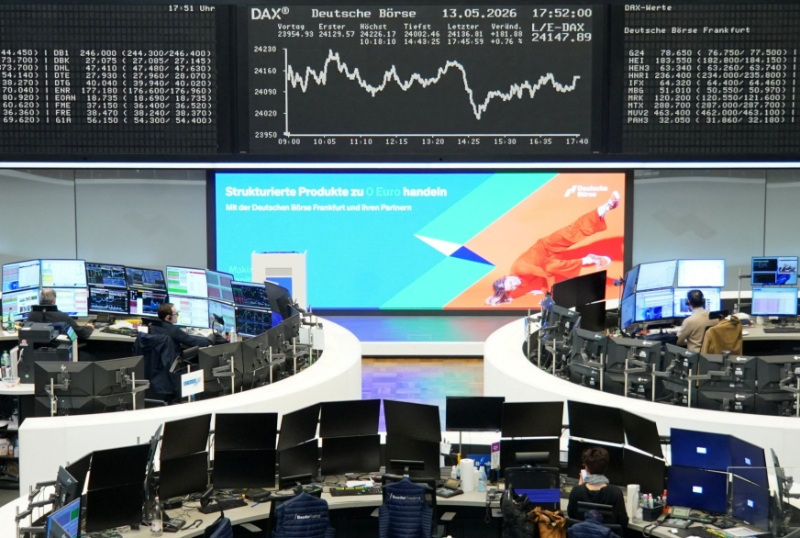
Meta Executives Stand to Gain from $9 Trillion Valuation Target
Written by Emily J. Thompson, Senior Investment Analyst
Updated: Mar 25 2026
0mins
Should l Buy META?
Source: seekingalpha
- Stock Option Program: Meta has awarded new stock options to seven executives, excluding CEO Mark Zuckerberg, which can only be exercised if the company's stock price surges at least 88% by 2031, indicating a strong link between this plan and the company's future success.
- Potential Gains: Executives could fully benefit from the stock options if Meta's share price increases over 500% within five years, reflecting the company's confidence in future growth while also bearing significant risks.
- Market Performance: Despite a 110% rise in Meta's stock over the past five years, shares have declined by 4.2% in the last 12 months, highlighting market concerns about the company's future performance, especially amid competition with Google, Amazon, and Microsoft.
- Strategic Shift: Meta is ramping up investments in AI infrastructure and talent while scaling back unprofitable projects like the metaverse initiative from its Reality Labs division to ensure it remains competitive in the market.
Trade with 70% Backtested Accuracy
Stop guessing "Should I Buy META?" and start using high-conviction signals backed by rigorous historical data.
Sign up today to access powerful investing tools and make smarter, data-driven decisions.
Analyst Views on META
Wall Street analysts forecast META stock price to rise
44 Analyst Rating
37 Buy
6 Hold
1 Sell
Strong Buy
Current: 618.430

Low
655.15
Averages
824.71
High
1117
Current: 618.430
Low
655.15
Averages
824.71
High
1117
About META
Meta Platforms, Inc. is building human connections, powered by artificial intelligence and immersive technologies. The Company's products enable people to connect and share with friends and family through mobile devices, personal computers, virtual reality (VR) and mixed reality (MR) headsets, augmented reality (AR), and wearables. It also helps people discover and learn about what is going on in the world around them, enabling people to share their experiences, ideas, photos, videos, and other content with audiences ranging from their closest family members and friends to the public at large. The Company's segments include Family of Apps (FoA) and Reality Labs (RL). FoA segment includes Facebook, Instagram, Messenger, WhatsApp and Threads. RL segment includes its virtual, augmented, and mixed reality related consumer hardware, software and content. Its product offerings in VR include its Meta Quest devices, as well as software and content available through the Meta Horizon Store.
About the author

Emily J. Thompson
Emily J. Thompson, a Chartered Financial Analyst (CFA) with 12 years in investment research, graduated with honors from the Wharton School. Specializing in industrial and technology stocks, she provides in-depth analysis for Intellectia’s earnings and market brief reports.

Analysis of Three Stable Dividend Stocks


- Walmart's Market Advantage: With a vast network of 5,212 U.S. retail units and a 15.1% growth in global membership revenue, Walmart demonstrates strong market competitiveness, ensuring the safety of its dividend payments and long-term growth potential.
- Coca-Cola's Brand Power: Coca-Cola, with a 64-year dividend growth history and a gross margin of 61.82%, consistently maintains stable dividend returns amid economic fluctuations; although its annual growth rate is modest, its dividend appeal remains strong.
- McDonald's Asset-Light Model: By owning most of its restaurant real estate and charging franchisees rent, McDonald's showcases higher profit margins than traditional restaurant chains; while it has not yet reached
See More
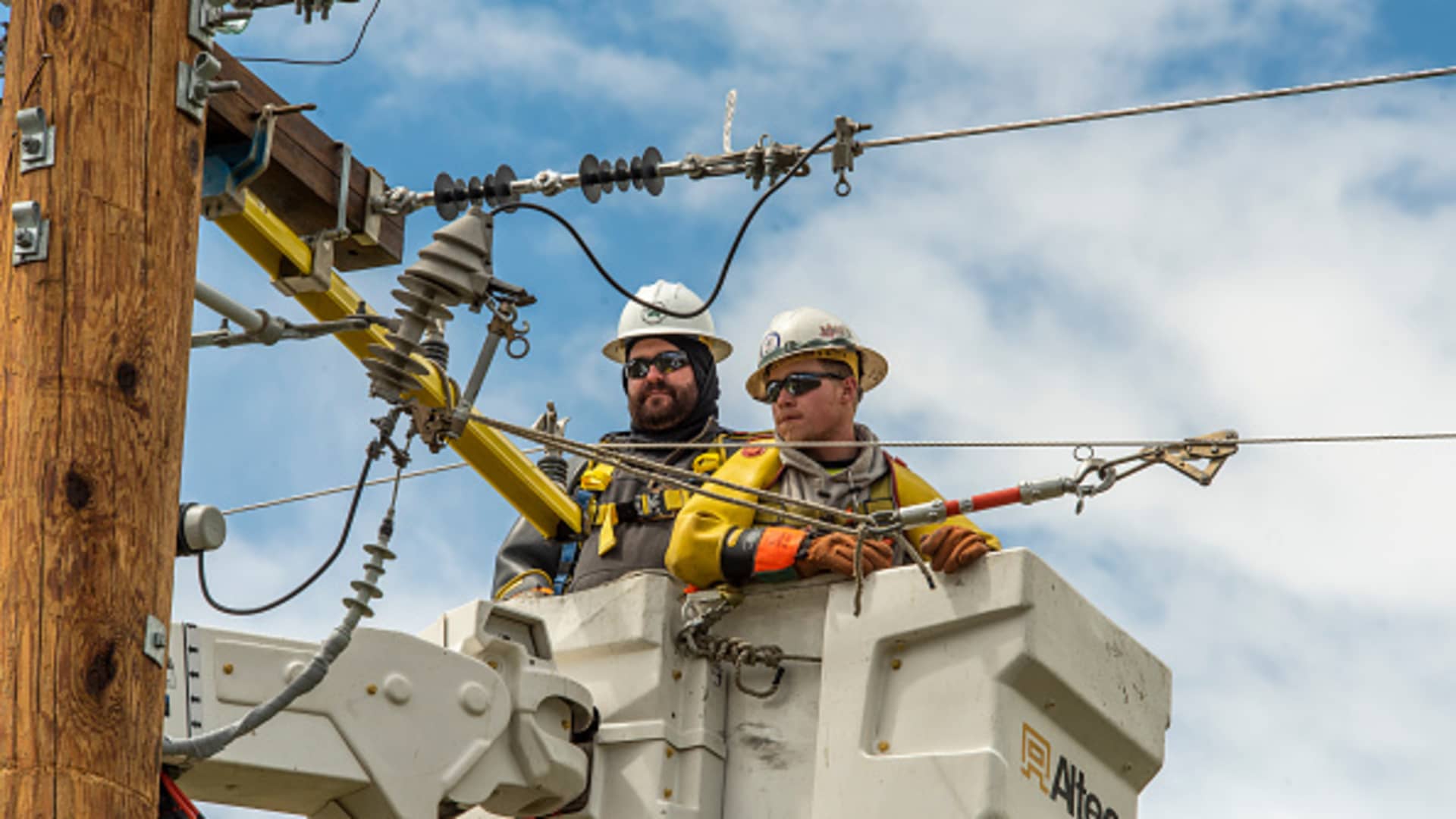
Europe's AI Ambitions Threatened by Soaring Energy Prices


- Energy Cost Challenges: Last year, energy prices in Europe were approximately double those in the U.S. and 50% higher than in China and India, making data center investments increasingly difficult and potentially jeopardizing technological leadership.
- Data Center Development Lag: Experts indicate that Europe is significantly behind the U.S. in data center construction, requiring more investment to catch up, with the current scale ratio of data centers being 100:1 in favor of the U.S., highlighting a substantial development gap.
- Regional Electricity Price Disparities: The average price per MW of electricity in the U.K. was $111.65, compared to $88.97 in Germany, $44.19 in France, and only $28 in the U.S., leading to a migration of data center projects to regions with lower energy costs.
- Future Investment Trends: Although Europe plans to boost its compute capacity and data center buildout, high electricity prices and slow infrastructure development will continue to hinder its competitiveness in AI, especially against lower-cost countries like the Nordics and France.
See More
Impact of Energy Prices on AI Investment in Europe
- Impact of Energy Costs on Competitiveness: According to the International Energy Agency, energy prices for energy-intensive industries in Europe are on average double those in the U.S. and 50% higher than in China and India, posing significant challenges for Europe in AI investment and potentially undermining its global competitiveness.
- Lagging Data Center Development: Experts highlight that Europe is falling behind the U.S. in data center development due to high energy costs, geographic location of companies, and the speed of infrastructure build-out, creating substantial barriers to achieving technological leadership in AI.
- Risks of Surging Power Demand: The rapid growth of data centers is expected to inflate electricity costs by 20-40% in certain regions, which may intensify community pushback against data centers, further impacting investment decisions and market positioning.
- Nordic Countries' Advantage: Norway, Denmark, and Sweden are emerging as prime locations for AI investments due to their lower electricity prices and diverse energy mix, with major tech companies like Microsoft significantly increasing their data center investments in these countries to leverage cost advantages.
See More

Ackman Reduces Alphabet Stake, Increases Microsoft Investment

- Investment Strategy Shift: Ackman's Pershing Square built a $2.1 billion stake in Microsoft in Q1 while trimming its position in Alphabet, indicating a bullish long-term outlook on Microsoft, although he clarified this does not signal a bearish view on Google.
- Microsoft Price Opportunity: Ackman highlighted that the recent pullback in Microsoft's share price presents a rare opportunity for investors to buy into a strong company at an attractive valuation, despite the stock being down 12.6% year-to-date.
- Core Business Potential: He believes that Microsoft's core franchises, such as Microsoft 365 and Azure, are underestimated, as their software ecosystem is deeply embedded in enterprises and difficult to replace, despite concerns over AI competition and cloud growth.
- Optimism on AI Strategy: Ackman is optimistic about Microsoft's AI strategy, particularly the expansion of Copilot and the revised agreement with OpenAI, which he believes positions the company to benefit from the long-term AI boom.
See More

SpaceX Approaches $2 Trillion IPO Valuation

- Valuation Surge: SpaceX's valuation reached $800 billion in 2025, soared to $1.25 trillion after merging with xAI in 2026, and recently hit $1.5 trillion on Forge Global, with IPO expectations between $1.75 trillion and $2 trillion, indicating strong growth potential in the aerospace market.
- Revenue Expectations: Analysts estimate SpaceX's revenue last year ranged from $15 billion to $18 billion, and while specific figures remain undisclosed, the IPO valuation implies a price-to-sales ratio exceeding 100, reflecting high market expectations for future growth.
- Technological Innovation: SpaceX significantly reduces launch costs through reusable rockets and has evolved Starlink into a global broadband network, while also positioning itself as an orbital AI infrastructure provider, with a total addressable market estimated at around $28 trillion, primarily in enterprise AI.
- Market Risks: Although SpaceX's IPO may price shares at a premium, its future valuation faces multiple risks, including the need for Starlink user growth, Starship launch frequency, and the commercialization of its AI business, where any execution delays or shifts in market sentiment could lead to significant valuation volatility.
See More

Valuation Analysis and Investment Opportunities in Tech Giants

- Cash Flow Assessment Priority: When evaluating the 'Magnificent Seven', operating cash flow is deemed the most effective metric as it directly reflects the core business's cash generation ability, providing investors with a clearer view of financial health.
- Tesla and Nvidia Valuation: Tesla's operating cash flow multiple stands at 95 times, consistently trading at high levels, indicating its overvaluation; in contrast, Nvidia trades at 56 times, considered relatively cheaper, yet still expensive, though its strong growth potential may lower this multiple in the future.
- Investment Opportunity in Meta: Meta Platforms has an operating cash flow multiple of just 13 times, at a historical low, and if it returns to an average of 20 times, investors could see quick gains, highlighting its attractiveness as a potential buy opportunity.
- Microsoft's Value Reversal: Microsoft trades at less than 18 times operating cash flow, and despite the market's bearish stance on its stock, its strong business performance may present investors with an undervalued investment opportunity worth considering.
See More
Analysis of Three Stable Dividend Stocks
- Walmart's Market Advantage: With a vast network of 5,212 U.S. retail units and a 15.1% growth in global membership revenue, Walmart demonstrates strong market competitiveness, ensuring the safety of its dividend payments and long-term growth potential.
- Coca-Cola's Brand Power: Coca-Cola, with a 64-year dividend growth history and a gross margin of 61.82%, consistently maintains stable dividend returns amid economic fluctuations; although its annual growth rate is modest, its dividend appeal remains strong.
- McDonald's Asset-Light Model: By owning most of its restaurant real estate and charging franchisees rent, McDonald's showcases higher profit margins than traditional restaurant chains; while it has not yet reached
See More
Europe's AI Ambitions Threatened by Soaring Energy Prices
- Energy Cost Challenges: Last year, energy prices in Europe were approximately double those in the U.S. and 50% higher than in China and India, making data center investments increasingly difficult and potentially jeopardizing technological leadership.
- Data Center Development Lag: Experts indicate that Europe is significantly behind the U.S. in data center construction, requiring more investment to catch up, with the current scale ratio of data centers being 100:1 in favor of the U.S., highlighting a substantial development gap.
- Regional Electricity Price Disparities: The average price per MW of electricity in the U.K. was $111.65, compared to $88.97 in Germany, $44.19 in France, and only $28 in the U.S., leading to a migration of data center projects to regions with lower energy costs.
- Future Investment Trends: Although Europe plans to boost its compute capacity and data center buildout, high electricity prices and slow infrastructure development will continue to hinder its competitiveness in AI, especially against lower-cost countries like the Nordics and France.
See More
Impact of Energy Prices on AI Investment in Europe
- Impact of Energy Costs on Competitiveness: According to the International Energy Agency, energy prices for energy-intensive industries in Europe are on average double those in the U.S. and 50% higher than in China and India, posing significant challenges for Europe in AI investment and potentially undermining its global competitiveness.
- Lagging Data Center Development: Experts highlight that Europe is falling behind the U.S. in data center development due to high energy costs, geographic location of companies, and the speed of infrastructure build-out, creating substantial barriers to achieving technological leadership in AI.
- Risks of Surging Power Demand: The rapid growth of data centers is expected to inflate electricity costs by 20-40% in certain regions, which may intensify community pushback against data centers, further impacting investment decisions and market positioning.
- Nordic Countries' Advantage: Norway, Denmark, and Sweden are emerging as prime locations for AI investments due to their lower electricity prices and diverse energy mix, with major tech companies like Microsoft significantly increasing their data center investments in these countries to leverage cost advantages.
See More
Ackman Reduces Alphabet Stake, Increases Microsoft Investment
- Investment Strategy Shift: Ackman's Pershing Square built a $2.1 billion stake in Microsoft in Q1 while trimming its position in Alphabet, indicating a bullish long-term outlook on Microsoft, although he clarified this does not signal a bearish view on Google.
- Microsoft Price Opportunity: Ackman highlighted that the recent pullback in Microsoft's share price presents a rare opportunity for investors to buy into a strong company at an attractive valuation, despite the stock being down 12.6% year-to-date.
- Core Business Potential: He believes that Microsoft's core franchises, such as Microsoft 365 and Azure, are underestimated, as their software ecosystem is deeply embedded in enterprises and difficult to replace, despite concerns over AI competition and cloud growth.
- Optimism on AI Strategy: Ackman is optimistic about Microsoft's AI strategy, particularly the expansion of Copilot and the revised agreement with OpenAI, which he believes positions the company to benefit from the long-term AI boom.
See More
SpaceX Approaches $2 Trillion IPO Valuation
- Valuation Surge: SpaceX's valuation reached $800 billion in 2025, soared to $1.25 trillion after merging with xAI in 2026, and recently hit $1.5 trillion on Forge Global, with IPO expectations between $1.75 trillion and $2 trillion, indicating strong growth potential in the aerospace market.
- Revenue Expectations: Analysts estimate SpaceX's revenue last year ranged from $15 billion to $18 billion, and while specific figures remain undisclosed, the IPO valuation implies a price-to-sales ratio exceeding 100, reflecting high market expectations for future growth.
- Technological Innovation: SpaceX significantly reduces launch costs through reusable rockets and has evolved Starlink into a global broadband network, while also positioning itself as an orbital AI infrastructure provider, with a total addressable market estimated at around $28 trillion, primarily in enterprise AI.
- Market Risks: Although SpaceX's IPO may price shares at a premium, its future valuation faces multiple risks, including the need for Starlink user growth, Starship launch frequency, and the commercialization of its AI business, where any execution delays or shifts in market sentiment could lead to significant valuation volatility.
See More
Valuation Analysis and Investment Opportunities in Tech Giants
- Cash Flow Assessment Priority: When evaluating the 'Magnificent Seven', operating cash flow is deemed the most effective metric as it directly reflects the core business's cash generation ability, providing investors with a clearer view of financial health.
- Tesla and Nvidia Valuation: Tesla's operating cash flow multiple stands at 95 times, consistently trading at high levels, indicating its overvaluation; in contrast, Nvidia trades at 56 times, considered relatively cheaper, yet still expensive, though its strong growth potential may lower this multiple in the future.
- Investment Opportunity in Meta: Meta Platforms has an operating cash flow multiple of just 13 times, at a historical low, and if it returns to an average of 20 times, investors could see quick gains, highlighting its attractiveness as a potential buy opportunity.
- Microsoft's Value Reversal: Microsoft trades at less than 18 times operating cash flow, and despite the market's bearish stance on its stock, its strong business performance may present investors with an undervalued investment opportunity worth considering.
See More