Meta Considers 20% Workforce Layoffs Amid AI Investment Surge
Written by Emily J. Thompson, Senior Investment Analyst
Updated: 1 hour ago
0mins
Should l Buy META?
Source: Yahoo Finance
- Layoff Considerations: Meta executives are exploring a layoff plan that could impact over 20% of its workforce, potentially cutting more than 15,000 jobs, although no timeline has been finalized, indicating a strategic shift in response to surging AI investments.
- Surging Capital Expenditures: In its latest earnings report, Meta projected capital expenditures for 2026 to be between $115 billion and $135 billion, primarily aimed at supporting its Meta Superintelligence Labs and core business, which could significantly affect the company's financial outlook.
- Industry-Wide Layoff Trends: Meta is not alone in its layoffs as other tech giants like Amazon, Autodesk, and Pinterest are also undergoing significant workforce reductions, highlighting a broader industry trend of reshaping labor structures to adapt to the demands of the AI era.
- Cooling Job Market: The latest U.S. jobs report indicates a drop of 11,000 jobs in the information sector in February, reflecting a cooling in tech hiring, with AI-related layoffs increasing, suggesting a growing focus on AI-driven efficiency across the market.
Trade with 70% Backtested Accuracy
Stop guessing "Should I Buy META?" and start using high-conviction signals backed by rigorous historical data.
Sign up today to access powerful investing tools and make smarter, data-driven decisions.
Analyst Views on META
Wall Street analysts forecast META stock price to rise
44 Analyst Rating
37 Buy
6 Hold
1 Sell
Strong Buy
Current: 638.180

Low
655.15
Averages
824.71
High
1117
Current: 638.180
Low
655.15
Averages
824.71
High
1117
About META
Meta Platforms, Inc. is building human connections, powered by artificial intelligence and immersive technologies. The Company's products enable people to connect and share with friends and family through mobile devices, personal computers, virtual reality (VR) and mixed reality (MR) headsets, augmented reality (AR), and wearables. It also helps people discover and learn about what is going on in the world around them, enabling people to share their experiences, ideas, photos, videos, and other content with audiences ranging from their closest family members and friends to the public at large. The Company's segments include Family of Apps (FoA) and Reality Labs (RL). FoA segment includes Facebook, Instagram, Messenger, WhatsApp and Threads. RL segment includes its virtual, augmented, and mixed reality related consumer hardware, software and content. Its product offerings in VR include its Meta Quest devices, as well as software and content available through the Meta Horizon Store.
About the author

Emily J. Thompson
Emily J. Thompson, a Chartered Financial Analyst (CFA) with 12 years in investment research, graduated with honors from the Wharton School. Specializing in industrial and technology stocks, she provides in-depth analysis for Intellectia’s earnings and market brief reports.

Meta Q4 2025 Earnings: Revenue Growth but AI Competitiveness Questioned

- Significant Revenue Growth: Meta reported Q4 2025 revenue of $59.89 billion, a 24% year-over-year increase, with EPS of $8.88 exceeding estimates by 8%, indicating robust advertising performance.
- Operating Margin Compression: Despite strong revenue, Meta's operating margin fell from 48% to 41% year-over-year, reflecting rising costs due to accelerated AI capital expenditures, which may impact future profitability.
- Insufficient AI Competitiveness: Meta has yet to launch a foundational model to compete with OpenAI's ChatGPT, with analysts highlighting its user engagement significantly lagging behind ChatGPT's 900 million weekly active users, raising doubts about the effectiveness of its $115-135 billion capex commitment in attracting consumer AI traction.
- Market Confidence Eroded: Meta's stock has declined approximately 7% year-to-date, well below its 52-week high of $795.06, as market confidence wanes regarding the company's ability to convert its AI investments into a sustainable competitive advantage, with analyst consensus target price set at $862.25.
See More

Artificial Intelligence Drives Stock Market Growth

- Broadcom's Market Leadership: Broadcom leads in ASIC technology, projecting over $100 billion in AI ASIC sales by fiscal 2027, which is 1.5 times its total revenue for fiscal 2025, indicating strong growth potential in the AI market.
- Data Center Networking Growth: The company's rapidly growing data center networking business complements its software segment led by VMware, further solidifying its competitive edge in the AI infrastructure market and attracting more clients seeking custom chip solutions.
- Meta's Revenue Surge: Meta Platforms leverages AI to drive core business growth, with a 24% revenue increase last quarter and an acceleration expected in Q1 2026, showcasing its strong performance in the advertising market and future potential.
- Innovation in Advertising Tools: By enhancing its recommendation engine and advertising tools with AI, Meta improves user experience and boosts ad revenue, while the untapped potential of assets like WhatsApp and Threads offers long-term growth opportunities.
See More

Meta Considers 20% Workforce Layoffs Amid AI Investment Surge
- Layoff Considerations: Meta executives are exploring a layoff plan that could impact over 20% of its workforce, potentially cutting more than 15,000 jobs, although no timeline has been finalized, indicating a strategic shift in response to surging AI investments.
- Surging Capital Expenditures: In its latest earnings report, Meta projected capital expenditures for 2026 to be between $115 billion and $135 billion, primarily aimed at supporting its Meta Superintelligence Labs and core business, which could significantly affect the company's financial outlook.
- Industry-Wide Layoff Trends: Meta is not alone in its layoffs as other tech giants like Amazon, Autodesk, and Pinterest are also undergoing significant workforce reductions, highlighting a broader industry trend of reshaping labor structures to adapt to the demands of the AI era.
- Cooling Job Market: The latest U.S. jobs report indicates a drop of 11,000 jobs in the information sector in February, reflecting a cooling in tech hiring, with AI-related layoffs increasing, suggesting a growing focus on AI-driven efficiency across the market.
See More

Iran War Drives Oil Prices Near $100


- Oil Price Surge: The ongoing Iran war is pushing oil prices toward $100, which could exert greater pressure on the global economy, particularly for countries reliant on energy imports.
- Market Volatility: Investor concerns over rising oil prices are exacerbating market uncertainty, potentially leading to significant volatility in stock markets and affecting corporate earnings expectations.
- Tech Stock Outlook Uncertain: With Nvidia GTC and Micron earnings on the horizon, market sentiment regarding tech stocks is fraught with uncertainty, which may undermine investor confidence.
- Geopolitical Risks Rising: The Iran war is escalating geopolitical tensions in the Middle East, which could disrupt supply chains and hinder the pace of global economic recovery.
See More
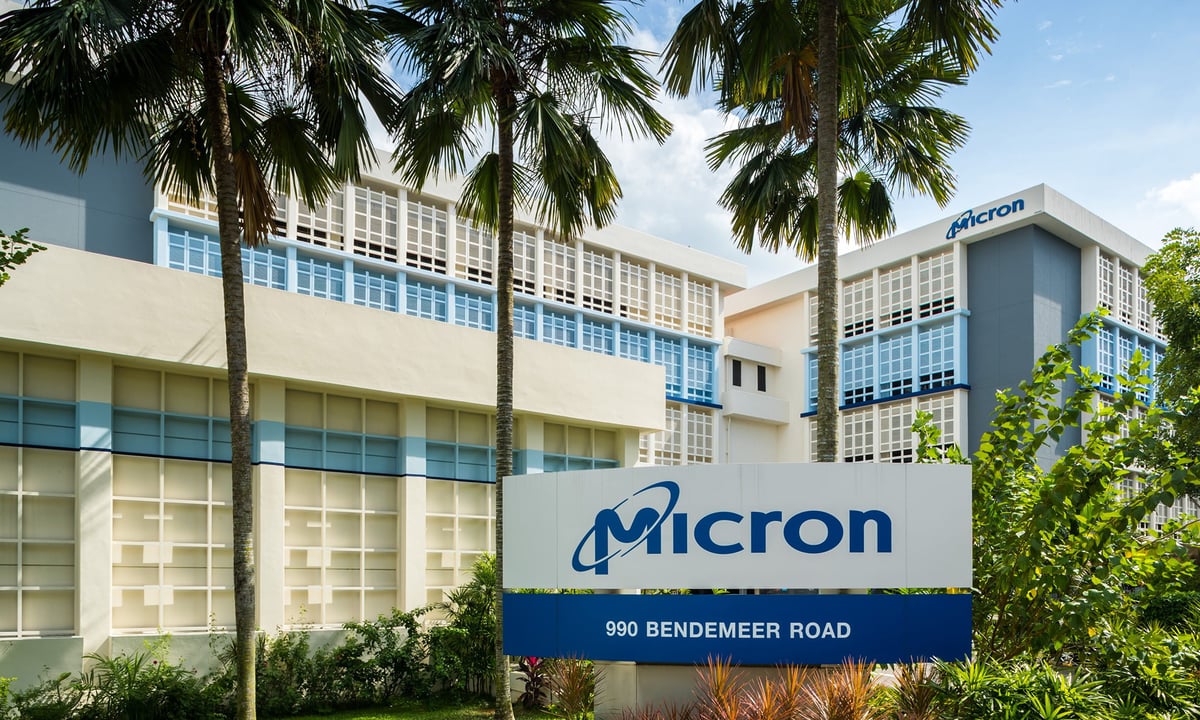
Micron Technology's Stock Soars 304%, Attracting Investor Attention

- Bull Market Context: Over the past three years, the stock market has entered a bull run driven by the AI boom, with semiconductor stocks like Micron Technology (MU) standing out, achieving a remarkable 304% return, significantly outperforming peers and the S&P 500 index.
- Surging Market Demand: Micron's high-bandwidth memory (HBM) solutions are critical for companies like Nvidia and AMD, with forecasts indicating that Amazon, Alphabet, Microsoft, and Meta will spend over $600 billion on data center expansions and chip procurement by 2026, driving Micron's business growth.
- Valuation Potential: Despite the significant rise in Micron's stock price, its forward P/E ratio remains at a modest 11, well below the 40+ ratios seen in other leading AI chip stocks, indicating that there is still room for valuation expansion, making it attractive to investors.
- Future Growth Outlook: As investments in AI infrastructure accelerate, Micron's HBM solutions are poised to enter a supercycle, with analysts projecting a quadrupling of earnings this year, further solidifying its core position in the market.
See More

Vistra and Constellation Secure Long-Term Deals with Hyperscalers


- Nuclear Power Agreements: Vistra has secured a 20-year deal with Amazon to supply up to 1,200 MW of electricity, enhancing its market position amid surging electricity demands from data centers while stabilizing long-term revenue.
- Financial Performance Fluctuations: In 2025, Vistra's revenue rose 2.9% to $17.7 billion, although net income fell 52.5% to $233 million due to higher interest expenses and acquisition costs, highlighting the company's challenges in balancing expansion with cost control.
- Major Acquisition Plans: Vistra is expected to finalize a $4 billion acquisition of Cogentrix Energy in 2026, adding approximately 5,500 MW of natural gas generation capacity, further solidifying its leadership in the U.S. energy market.
- Dividend Growth Potential: Although Vistra's dividend yield has dropped to around 0.6%, the company has raised its payouts for 17 consecutive quarters, and with a payout ratio of 41.2%, there is room for future dividend increases.
See More
Meta Q4 2025 Earnings: Revenue Growth but AI Competitiveness Questioned
- Significant Revenue Growth: Meta reported Q4 2025 revenue of $59.89 billion, a 24% year-over-year increase, with EPS of $8.88 exceeding estimates by 8%, indicating robust advertising performance.
- Operating Margin Compression: Despite strong revenue, Meta's operating margin fell from 48% to 41% year-over-year, reflecting rising costs due to accelerated AI capital expenditures, which may impact future profitability.
- Insufficient AI Competitiveness: Meta has yet to launch a foundational model to compete with OpenAI's ChatGPT, with analysts highlighting its user engagement significantly lagging behind ChatGPT's 900 million weekly active users, raising doubts about the effectiveness of its $115-135 billion capex commitment in attracting consumer AI traction.
- Market Confidence Eroded: Meta's stock has declined approximately 7% year-to-date, well below its 52-week high of $795.06, as market confidence wanes regarding the company's ability to convert its AI investments into a sustainable competitive advantage, with analyst consensus target price set at $862.25.
See More
Artificial Intelligence Drives Stock Market Growth
- Broadcom's Market Leadership: Broadcom leads in ASIC technology, projecting over $100 billion in AI ASIC sales by fiscal 2027, which is 1.5 times its total revenue for fiscal 2025, indicating strong growth potential in the AI market.
- Data Center Networking Growth: The company's rapidly growing data center networking business complements its software segment led by VMware, further solidifying its competitive edge in the AI infrastructure market and attracting more clients seeking custom chip solutions.
- Meta's Revenue Surge: Meta Platforms leverages AI to drive core business growth, with a 24% revenue increase last quarter and an acceleration expected in Q1 2026, showcasing its strong performance in the advertising market and future potential.
- Innovation in Advertising Tools: By enhancing its recommendation engine and advertising tools with AI, Meta improves user experience and boosts ad revenue, while the untapped potential of assets like WhatsApp and Threads offers long-term growth opportunities.
See More
Meta Considers 20% Workforce Layoffs Amid AI Investment Surge
- Layoff Considerations: Meta executives are exploring a layoff plan that could impact over 20% of its workforce, potentially cutting more than 15,000 jobs, although no timeline has been finalized, indicating a strategic shift in response to surging AI investments.
- Surging Capital Expenditures: In its latest earnings report, Meta projected capital expenditures for 2026 to be between $115 billion and $135 billion, primarily aimed at supporting its Meta Superintelligence Labs and core business, which could significantly affect the company's financial outlook.
- Industry-Wide Layoff Trends: Meta is not alone in its layoffs as other tech giants like Amazon, Autodesk, and Pinterest are also undergoing significant workforce reductions, highlighting a broader industry trend of reshaping labor structures to adapt to the demands of the AI era.
- Cooling Job Market: The latest U.S. jobs report indicates a drop of 11,000 jobs in the information sector in February, reflecting a cooling in tech hiring, with AI-related layoffs increasing, suggesting a growing focus on AI-driven efficiency across the market.
See More
Iran War Drives Oil Prices Near $100
- Oil Price Surge: The ongoing Iran war is pushing oil prices toward $100, which could exert greater pressure on the global economy, particularly for countries reliant on energy imports.
- Market Volatility: Investor concerns over rising oil prices are exacerbating market uncertainty, potentially leading to significant volatility in stock markets and affecting corporate earnings expectations.
- Tech Stock Outlook Uncertain: With Nvidia GTC and Micron earnings on the horizon, market sentiment regarding tech stocks is fraught with uncertainty, which may undermine investor confidence.
- Geopolitical Risks Rising: The Iran war is escalating geopolitical tensions in the Middle East, which could disrupt supply chains and hinder the pace of global economic recovery.
See More
Micron Technology's Stock Soars 304%, Attracting Investor Attention
- Bull Market Context: Over the past three years, the stock market has entered a bull run driven by the AI boom, with semiconductor stocks like Micron Technology (MU) standing out, achieving a remarkable 304% return, significantly outperforming peers and the S&P 500 index.
- Surging Market Demand: Micron's high-bandwidth memory (HBM) solutions are critical for companies like Nvidia and AMD, with forecasts indicating that Amazon, Alphabet, Microsoft, and Meta will spend over $600 billion on data center expansions and chip procurement by 2026, driving Micron's business growth.
- Valuation Potential: Despite the significant rise in Micron's stock price, its forward P/E ratio remains at a modest 11, well below the 40+ ratios seen in other leading AI chip stocks, indicating that there is still room for valuation expansion, making it attractive to investors.
- Future Growth Outlook: As investments in AI infrastructure accelerate, Micron's HBM solutions are poised to enter a supercycle, with analysts projecting a quadrupling of earnings this year, further solidifying its core position in the market.
See More
Vistra and Constellation Secure Long-Term Deals with Hyperscalers
- Nuclear Power Agreements: Vistra has secured a 20-year deal with Amazon to supply up to 1,200 MW of electricity, enhancing its market position amid surging electricity demands from data centers while stabilizing long-term revenue.
- Financial Performance Fluctuations: In 2025, Vistra's revenue rose 2.9% to $17.7 billion, although net income fell 52.5% to $233 million due to higher interest expenses and acquisition costs, highlighting the company's challenges in balancing expansion with cost control.
- Major Acquisition Plans: Vistra is expected to finalize a $4 billion acquisition of Cogentrix Energy in 2026, adding approximately 5,500 MW of natural gas generation capacity, further solidifying its leadership in the U.S. energy market.
- Dividend Growth Potential: Although Vistra's dividend yield has dropped to around 0.6%, the company has raised its payouts for 17 consecutive quarters, and with a payout ratio of 41.2%, there is room for future dividend increases.
See More