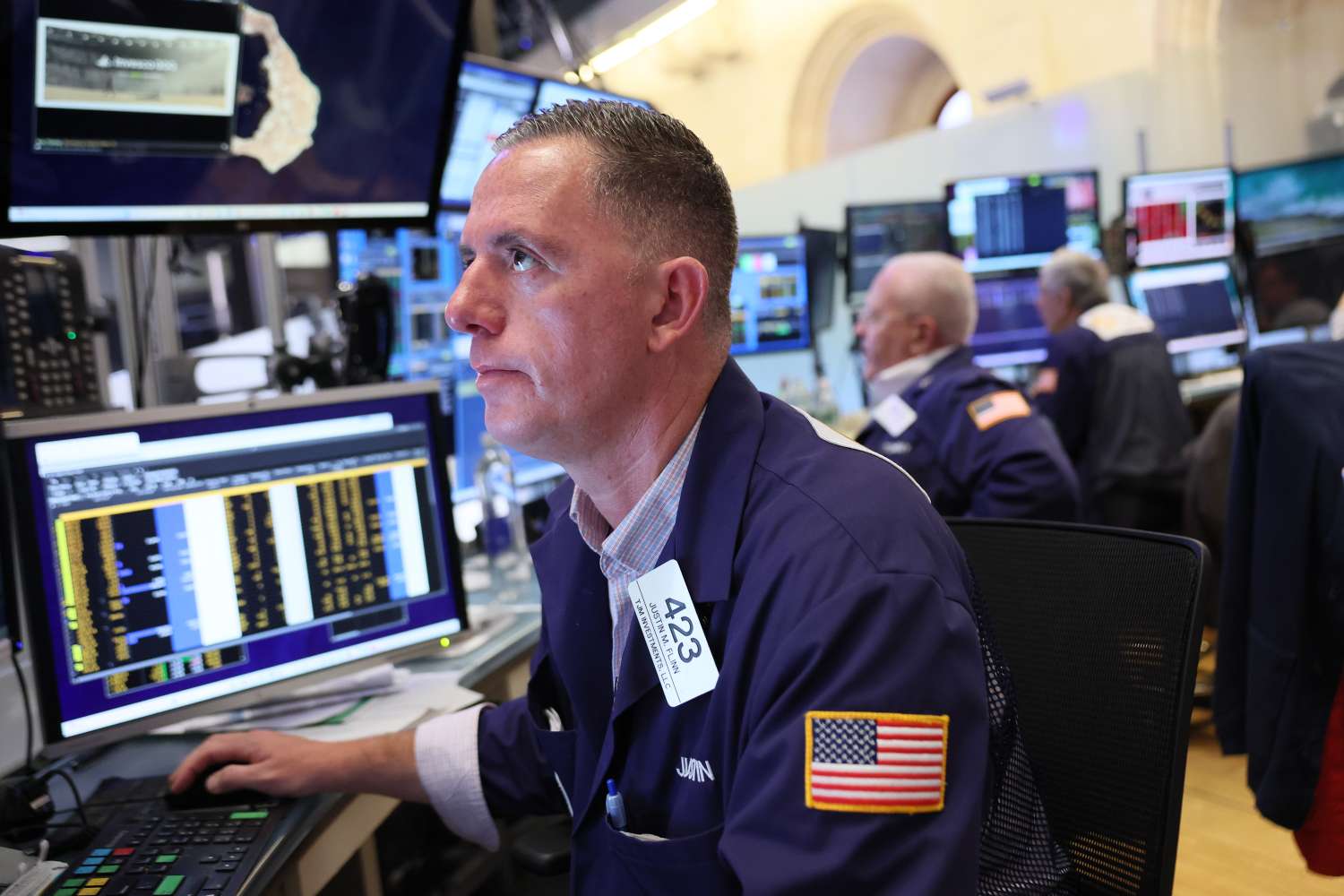
Merck in Talks to Acquire Revolution Medicines for Approximately $30 Billion

- M&A Speculation: At the JPMorgan Healthcare conference in San Francisco, Revolution Medicines (RVMD) declined to comment on recent M&A speculation, adhering to a policy of not discussing rumors, which may affect market expectations regarding future transactions.
- Acquisition Valuation: According to the Wall Street Journal, Merck (MRK) is in talks to acquire Revolution Medicines for approximately $30 billion, with the deal valued between $28 billion and $32 billion, potentially concluding later this month.
- Stock Price Volatility: Following acquisition speculation, Revolution Medicines' shares surged 50% last week but edged down 0.5% on Monday, indicating the market's sensitivity to acquisition news and its direct impact on the company's stock price.
- Market Sentiment: Although Revolution Medicines has not commented on the acquisition rumors, the market remains optimistic about its future acquisition prospects, with analysts rating its stock as a “Strong Buy,” reflecting investor recognition of its potential value.
Trade with 70% Backtested Accuracy
Analyst Views on MRK

About MRK
About the author

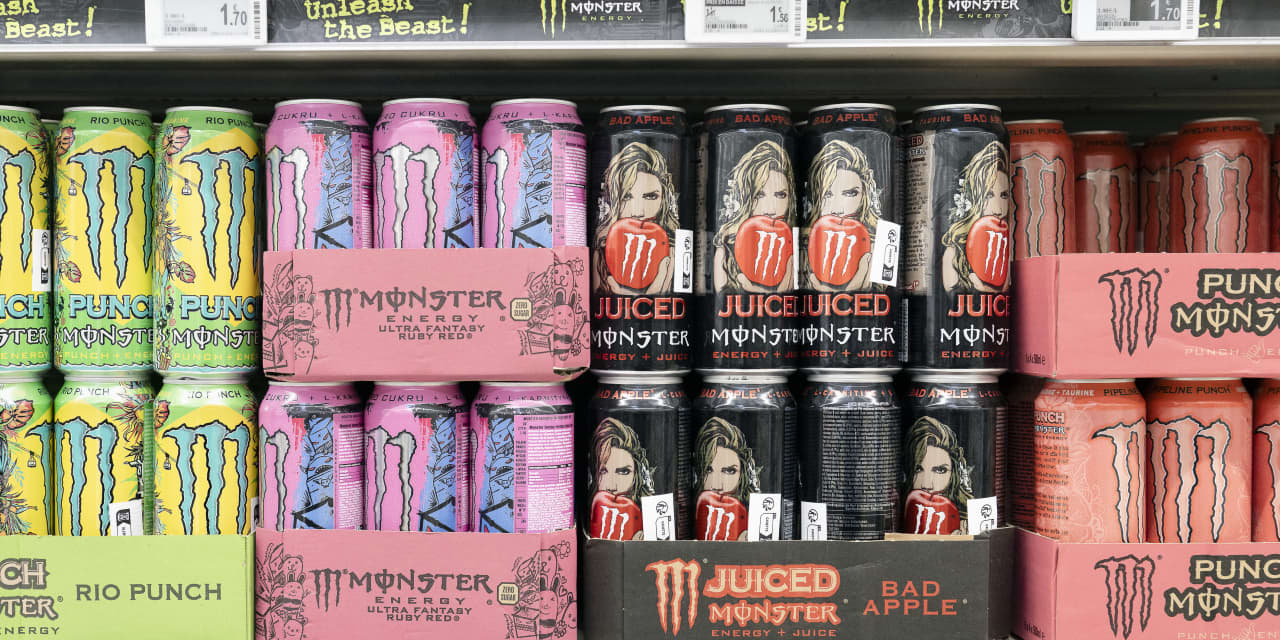
Companies Like Monster, Palantir, and Expedia That Can Withstand Market Turbulence


Market Impact: The stock market experienced a decline due to the ongoing war in the Middle East, which led to a rise in oil prices.
Volatility on Wall Street: The market remains volatile, prompting equity strategists to seek out resilient stocks that can withstand the current economic pressures.

Stocks Like Monster Beverage and Expedia Poised to Endure Market Fluctuations with Higher Profit Margins.
Market Impact: The stock market experienced a decline due to the ongoing war in the Middle East, which led to a rise in oil prices.
Strategic Response: Equity strategists at CIBC Capital Markets are identifying stocks that may remain resilient in the current volatile market conditions.
Pfizer Stock Shows Signs of Reversal Potential


- Technical Reversal Signals: Pfizer's stock has formed a series of higher lows over the past year, breaking above its downtrend since the 2024 peak, indicating potential for a reversal that may provide investors with a timely re-entry opportunity.
- Defined Support Levels: The stock's downside support is clearly defined around the rising 50-day moving average, forming an ascending triangle with a breakout target of $30.50, suggesting a favorable risk/reward scenario in the current market environment.
- Improving Momentum Indicators: The Relative Strength Index (RSI) is trending higher and not overbought, indicating enhanced buying momentum, allowing investors to consider buying on recent weakness to capitalize on a potential rally above $27.50 towards $30.
- Safe Dividend Yield: With a current dividend yield of 6.4%, Pfizer, as part of the large pharma sector, may serve as a safe haven for investors amid increasing market volatility, providing stable returns with relatively low risk.

Analysis of VLUE ETF's 52-Week Price Fluctuations


- Price Range Analysis: The VLUE ETF's 52-week low is $91.80 per share, with a high of $154.31, and the latest trade at $146.48 indicates relative stability in a volatile market, potentially attracting risk-averse investors.
- Technical Analysis Tool: Comparing the latest share price to the 200-day moving average provides valuable insights for investors, helping them assess market trends and optimize investment timing, thereby enhancing decision-making.
- ETF Trading Mechanism: Exchange-traded funds (ETFs) trade like stocks, where investors buy and sell 'units' that can be created or destroyed based on demand, offering flexibility that makes ETFs ideal for diversified portfolios.
- Liquidity Monitoring: Weekly monitoring of changes in shares outstanding allows for tracking significant inflows (new units created) or outflows (old units destroyed), which impacts the ETF's underlying holdings and can influence market performance and investor confidence.

Investment Comparison Between Eli Lilly and Merck


- GLP-1 Drug Market Performance: Eli Lilly's GLP-1 drugs, Mounjaro and Zepbound, are projected to grow by 99% and 175% respectively in 2025, collectively accounting for 56% of the company's revenue, indicating strong market demand and growth potential.
- Valuation and Yield Comparison: Eli Lilly has a P/E ratio of 44 and a meager dividend yield of 0.6%, while Merck boasts a much more attractive P/E of 16 and a dividend yield of 2.8%, making Merck more appealing to value and income-focused investors.
- Patent Protection and Drug Pipeline: Although Merck faces patent expirations for Keytruda, its international patents extend into the early 2030s, and a new delivery method could prolong patent protection into the late 2030s, showcasing its robust product pipeline and market competitiveness.
- Market Attention Discrepancy: While Eli Lilly is performing well, Wall Street's focus on its high valuation may obscure potential risks, whereas Merck is favored for its solid financial performance and reasonable valuation.

GLP-1 Drugs Boost Eli Lilly's Stock Price
- Strong Market Demand: GLP-1 drugs are gaining significant attention on Wall Street, with expectations of sustained demand for years, driving Eli Lilly's growth, although its stock is considered overvalued with a P/E ratio of 44.
- Outstanding Drug Performance: Eli Lilly's Mounjaro and Zepbound drugs are performing exceptionally well, with projected revenue growth of 99% and 175% respectively by 2025, together accounting for 56% of the company's revenue.
- Merck's Competitive Edge: Unlike Eli Lilly, Merck focuses on cancer, infections, and cardiometabolic diseases, which, while less trendy than weight loss, boast a strong drug pipeline, with a P/E ratio of only 16 and a dividend yield of 2.8%.
- Investment Choice Analysis: While Eli Lilly is performing well, its high valuation makes Merck a more attractive option for dividend-seeking investors, given its solid dividend support and more reasonable valuation.
Companies Like Monster, Palantir, and Expedia That Can Withstand Market Turbulence
Market Impact: The stock market experienced a decline due to the ongoing war in the Middle East, which led to a rise in oil prices.
Volatility on Wall Street: The market remains volatile, prompting equity strategists to seek out resilient stocks that can withstand the current economic pressures.
Stocks Like Monster Beverage and Expedia Poised to Endure Market Fluctuations with Higher Profit Margins.
Market Impact: The stock market experienced a decline due to the ongoing war in the Middle East, which led to a rise in oil prices.
Strategic Response: Equity strategists at CIBC Capital Markets are identifying stocks that may remain resilient in the current volatile market conditions.
Pfizer Stock Shows Signs of Reversal Potential
- Technical Reversal Signals: Pfizer's stock has formed a series of higher lows over the past year, breaking above its downtrend since the 2024 peak, indicating potential for a reversal that may provide investors with a timely re-entry opportunity.
- Defined Support Levels: The stock's downside support is clearly defined around the rising 50-day moving average, forming an ascending triangle with a breakout target of $30.50, suggesting a favorable risk/reward scenario in the current market environment.
- Improving Momentum Indicators: The Relative Strength Index (RSI) is trending higher and not overbought, indicating enhanced buying momentum, allowing investors to consider buying on recent weakness to capitalize on a potential rally above $27.50 towards $30.
- Safe Dividend Yield: With a current dividend yield of 6.4%, Pfizer, as part of the large pharma sector, may serve as a safe haven for investors amid increasing market volatility, providing stable returns with relatively low risk.
Analysis of VLUE ETF's 52-Week Price Fluctuations
- Price Range Analysis: The VLUE ETF's 52-week low is $91.80 per share, with a high of $154.31, and the latest trade at $146.48 indicates relative stability in a volatile market, potentially attracting risk-averse investors.
- Technical Analysis Tool: Comparing the latest share price to the 200-day moving average provides valuable insights for investors, helping them assess market trends and optimize investment timing, thereby enhancing decision-making.
- ETF Trading Mechanism: Exchange-traded funds (ETFs) trade like stocks, where investors buy and sell 'units' that can be created or destroyed based on demand, offering flexibility that makes ETFs ideal for diversified portfolios.
- Liquidity Monitoring: Weekly monitoring of changes in shares outstanding allows for tracking significant inflows (new units created) or outflows (old units destroyed), which impacts the ETF's underlying holdings and can influence market performance and investor confidence.
Investment Comparison Between Eli Lilly and Merck
- GLP-1 Drug Market Performance: Eli Lilly's GLP-1 drugs, Mounjaro and Zepbound, are projected to grow by 99% and 175% respectively in 2025, collectively accounting for 56% of the company's revenue, indicating strong market demand and growth potential.
- Valuation and Yield Comparison: Eli Lilly has a P/E ratio of 44 and a meager dividend yield of 0.6%, while Merck boasts a much more attractive P/E of 16 and a dividend yield of 2.8%, making Merck more appealing to value and income-focused investors.
- Patent Protection and Drug Pipeline: Although Merck faces patent expirations for Keytruda, its international patents extend into the early 2030s, and a new delivery method could prolong patent protection into the late 2030s, showcasing its robust product pipeline and market competitiveness.
- Market Attention Discrepancy: While Eli Lilly is performing well, Wall Street's focus on its high valuation may obscure potential risks, whereas Merck is favored for its solid financial performance and reasonable valuation.
GLP-1 Drugs Boost Eli Lilly's Stock Price
- Strong Market Demand: GLP-1 drugs are gaining significant attention on Wall Street, with expectations of sustained demand for years, driving Eli Lilly's growth, although its stock is considered overvalued with a P/E ratio of 44.
- Outstanding Drug Performance: Eli Lilly's Mounjaro and Zepbound drugs are performing exceptionally well, with projected revenue growth of 99% and 175% respectively by 2025, together accounting for 56% of the company's revenue.
- Merck's Competitive Edge: Unlike Eli Lilly, Merck focuses on cancer, infections, and cardiometabolic diseases, which, while less trendy than weight loss, boast a strong drug pipeline, with a P/E ratio of only 16 and a dividend yield of 2.8%.
- Investment Choice Analysis: While Eli Lilly is performing well, its high valuation makes Merck a more attractive option for dividend-seeking investors, given its solid dividend support and more reasonable valuation.