Marriott to Manage The Resort at Kapalua Bay
Written by Emily J. Thompson, Senior Investment Analyst
Updated: Mar 14 2026
0mins
Should l Buy MAR?
Source: Newsfilter
- Management Transition: Marriott International officially assumes management of The Resort at Kapalua Bay on March 14, 2026, while maintaining the same ownership, which is expected to enhance operational efficiency and guest experience, further solidifying Marriott's position in the luxury hotel market.
- Brand Upgrade Plan: The resort is slated to join the St. Regis Hotels & Resorts brand following renovations in 2027, a strategic shift aimed at attracting high-end clientele, enhancing brand value, and increasing market competitiveness.
- Facility and Service Enhancement: The resort features 146 spacious ocean-view residences ranging from 1,774 to over 4,050 square feet, equipped with premium amenities and personalized services designed to meet the needs of modern luxury travelers, thereby boosting customer satisfaction.
- Market Expansion Strategy: This management agreement expands Marriott's portfolio in Hawaii to approximately 30 properties with six in the pipeline, demonstrating its intent to grow in the region and its ongoing investment in the luxury market.
Trade with 70% Backtested Accuracy
Stop guessing "Should I Buy MAR?" and start using high-conviction signals backed by rigorous historical data.
Sign up today to access powerful investing tools and make smarter, data-driven decisions.
Analyst Views on MAR
Wall Street analysts forecast MAR stock price to fall
14 Analyst Rating
8 Buy
6 Hold
0 Sell
Moderate Buy
Current: 333.460

Low
269.70
Averages
314.26
High
370.00
Current: 333.460
Low
269.70
Averages
314.26
High
370.00
About MAR
Marriott International, Inc. is an operator, franchisor, and licensor of hotel, residential, timeshare, and other lodging properties under various brand names. The Company's segments include U.S. and Canada, Europe, the Middle East, and Africa (EMEA), Greater China, and Asia Pacific, excluding China. Its brand portfolio offers a range of brands and lodging offerings in hospitality. Its brands are categorized by style of offering: Classic and Distinctive. The classic brands offer time-honored hospitality for the modern traveler. The distinctive brands offer memorable experiences with a perspective, each of which is grouped into four tiers: Luxury, Premium, Select, and Midscale. Its hotel brands include JW Marriott, The Ritz-Carlton, The Luxury Collection, W Hotels, Marriott Hotels, Sheraton, Delta Hotels by Marriott, Marriott Executive Apartments, Courtyard, SpringHill Suites, City Express, Four Points Flex by Sheraton, citizenM, and others.
About the author

Emily J. Thompson
Emily J. Thompson, a Chartered Financial Analyst (CFA) with 12 years in investment research, graduated with honors from the Wharton School. Specializing in industrial and technology stocks, she provides in-depth analysis for Intellectia’s earnings and market brief reports.
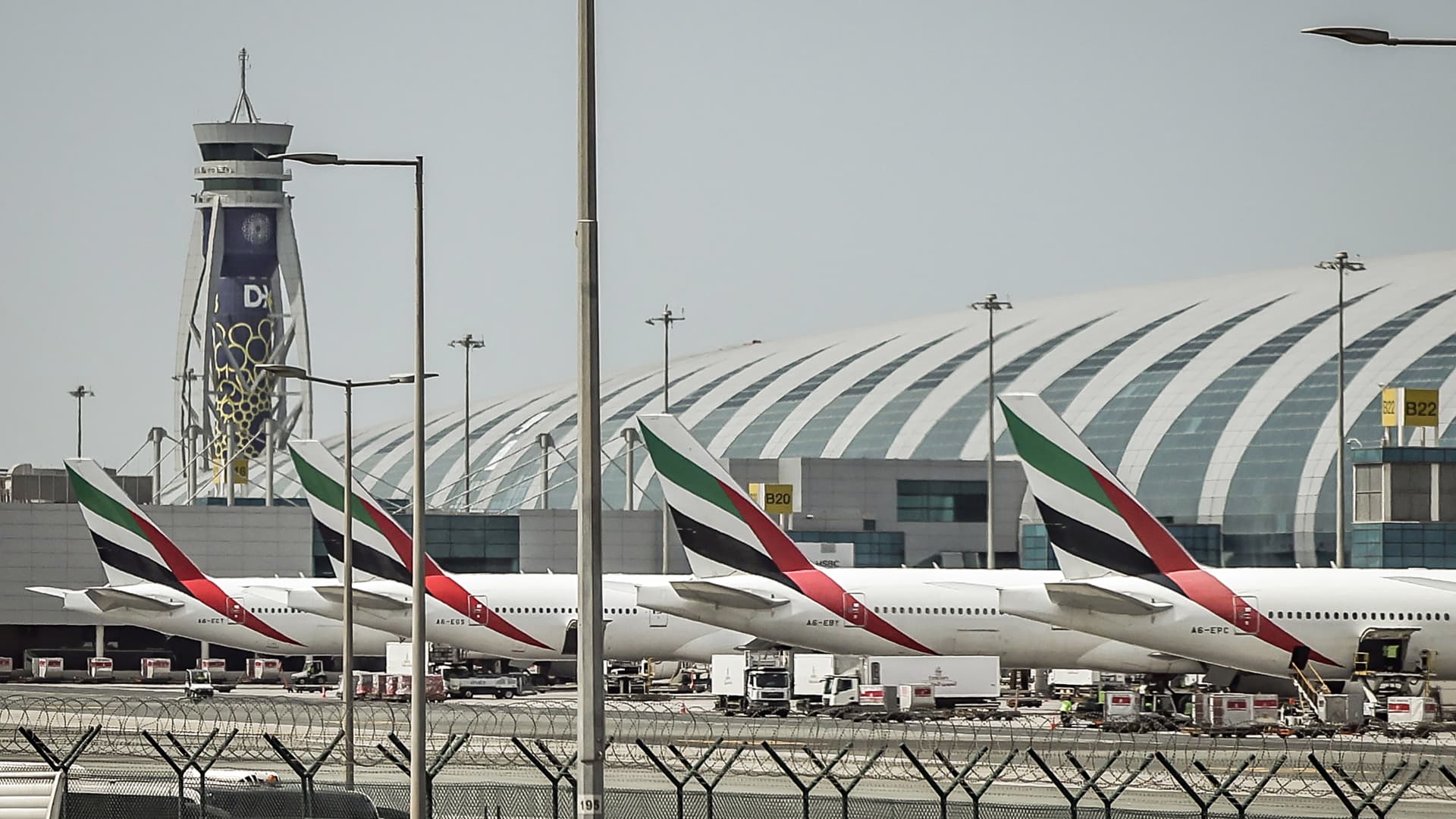
Middle East Conflict Disrupts Tourism Industry

- Flight Cancellations Surge: Over 46,000 flights to and from the Middle East have been canceled since the U.S.-Israel conflict began, posing significant operational challenges for airlines and destabilizing the global aviation market.
- High Airfare Affects Travel Plans: Vietnamese traveler Michelle Bui canceled her trip to the Middle East due to soaring ticket prices ranging from $1,500 to $2,000, highlighting the direct impact of the conflict on travel demand.
- Corporate Travel Strategy Adjustments: Voluntary flight cancellations on Europe-Asia routes more than doubled in the first week of March due to safety concerns, indicating that companies are reassessing employee travel safety, which affects the frequency of business trips.
- Regional Travel Gains Popularity: Ferry travel from Singapore to Batam, Indonesia, remains popular despite a $4.66 fuel surcharge, reflecting the appeal of regional travel options as Asian travelers prefer short getaways over long-haul flights.
See More
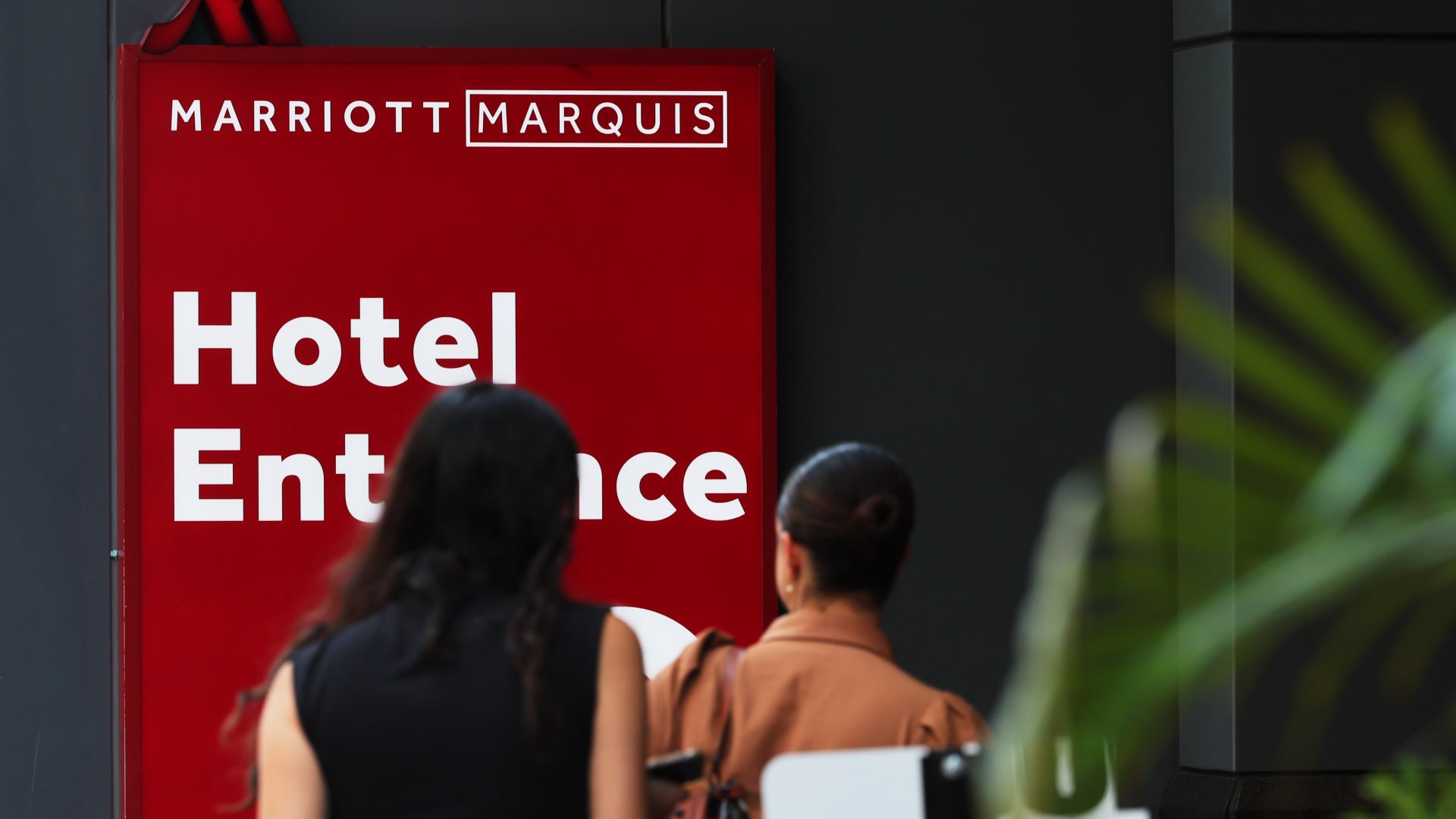
Marriott Faces Valuation Pressure Amid Market Concerns
- Technical Warning: Marriott's stock is forming a head-and-shoulders pattern, with multiple failed rallies indicating a weakening right shoulder; a decisive break below the neckline could confirm this pattern and lead to a drop towards the $285 target.
- Valuation Discrepancy: With a forward P/E of approximately 28.3x compared to the industry average of 16.5x, and expected EPS growth of 12.7% aligning closely with the industry's 13.1%, Marriott's valuation appears excessively high relative to its growth profile.
- Changing Market Conditions: As consumer spending slows and business travel remains uneven, Marriott may face a tougher operating environment; if RevPAR softens or guidance disappoints, the stock could experience significant downside risk.
- Options Trading Strategy: A bearish view can be expressed by buying the May 1, 2026 $325/$295 put vertical at a cost of $7.15, with a maximum risk of $715 and a maximum reward of $2,285, making it suitable for scenarios where a confirmed breakdown occurs.
See More

Marriott International Ranked 7th Best Workplace in 2026 Fortune List
- Best Workplace Recognition: Marriott International has been ranked 7th on the 2026 Fortune and Great Place To Work® 100 Best Workplaces list, reflecting the company's enduring commitment to its associates and a people-first culture, which enhances its attractiveness in the global HR market.
- Global Employer Image: The company has been recognized as a best-in-class employer in over a dozen countries, further solidifying its position as an industry leader, attracting top talent, and driving sustained growth in the competitive hospitality sector.
- Employee Development Programs: The launch of Marriott's Be™ brand, centered around the pillars of Begin, Belong, and Become, focuses on providing career development opportunities that enhance employee satisfaction, thereby increasing retention rates and promoting overall company performance.
- Trust Culture Building: By fostering a high-trust workplace environment, Marriott enhances employee trust in leadership, motivating them to engage more actively in their work, embrace innovation, and improve customer experiences, creating a virtuous cycle that strengthens the company's competitive edge.
See More

Marriott International Ranked 7th Best Workplace in 2026 Fortune List
- Best Workplace Ranking: Marriott International has been recognized as the 7th Best Workplace in the U.S. on the 2026 Fortune and Great Place To Work® list, reflecting the company's enduring commitment to its associates and its people-first culture, further solidifying its leadership position in the global hospitality industry.
- Employee Scale and Culture: With nearly 800,000 associates worldwide, Marriott focuses on creating opportunities, strengthening a culture of belonging, and helping individuals build meaningful careers, which positions the company favorably in a competitive market.
- People Brand Be™: In 2023, Marriott launched its employee brand Be™, centered around Begin, Belong, and Become, enhancing employee career development and overall well-being through digital learning platforms and global wellness programs, thereby increasing employee loyalty and job satisfaction.
- Internal Promotion Mechanism: The Elevate program at Marriott results in a 25% higher retention rate and a 5.5 times greater likelihood of promotion for participants, demonstrating a successful internal development mechanism that not only enhances employee career progression but also cultivates future leaders for the company.
See More
Market Cap Game Show: Emily vs. Bill Showdown


- Market Capital Showdown: In this episode, Motley Fool analysts Emily Flippen and Bill Barker faced off in a market cap range challenge involving 10 companies, engaging listeners and enhancing the show's interactivity.
- Championship Battle: Emily, the reigning Market Cap Game Show world champion, showcased her investment analysis skills against Bill, ultimately winning with a score of 7 to 3, solidifying her champion status.
- Investor Education: The show utilized a fun game format to help listeners understand the significance of market caps, increasing public interest in investing and promoting financial literacy.
- Industry Insights: Analysts discussed the market performance of various companies, including Adyen and PayCom, providing deep insights into current market dynamics to assist investors in making informed decisions.
See More

Marriott International Partners with Leali Family for Joint Venture
- Joint Venture Announcement: Marriott International and the Leali family have announced a joint venture aimed at developing new hotel projects, which is expected to enhance their competitive positioning in the market.
- Market Expansion: This collaboration will enable Marriott to further expand its market share in specific regions, particularly leveraging the properties and resources owned by the Leali family.
- Resource Integration: By combining the Leali family's local expertise with Marriott's global brand influence, both parties will enhance customer experience and optimize operational efficiency.
- Strategic Implications: This joint venture not only supports Marriott's ongoing growth in the industry but also potentially paves the way for future expansion and investment opportunities.
See More
Middle East Conflict Disrupts Tourism Industry
- Flight Cancellations Surge: Over 46,000 flights to and from the Middle East have been canceled since the U.S.-Israel conflict began, posing significant operational challenges for airlines and destabilizing the global aviation market.
- High Airfare Affects Travel Plans: Vietnamese traveler Michelle Bui canceled her trip to the Middle East due to soaring ticket prices ranging from $1,500 to $2,000, highlighting the direct impact of the conflict on travel demand.
- Corporate Travel Strategy Adjustments: Voluntary flight cancellations on Europe-Asia routes more than doubled in the first week of March due to safety concerns, indicating that companies are reassessing employee travel safety, which affects the frequency of business trips.
- Regional Travel Gains Popularity: Ferry travel from Singapore to Batam, Indonesia, remains popular despite a $4.66 fuel surcharge, reflecting the appeal of regional travel options as Asian travelers prefer short getaways over long-haul flights.
See More
Marriott Faces Valuation Pressure Amid Market Concerns
- Technical Warning: Marriott's stock is forming a head-and-shoulders pattern, with multiple failed rallies indicating a weakening right shoulder; a decisive break below the neckline could confirm this pattern and lead to a drop towards the $285 target.
- Valuation Discrepancy: With a forward P/E of approximately 28.3x compared to the industry average of 16.5x, and expected EPS growth of 12.7% aligning closely with the industry's 13.1%, Marriott's valuation appears excessively high relative to its growth profile.
- Changing Market Conditions: As consumer spending slows and business travel remains uneven, Marriott may face a tougher operating environment; if RevPAR softens or guidance disappoints, the stock could experience significant downside risk.
- Options Trading Strategy: A bearish view can be expressed by buying the May 1, 2026 $325/$295 put vertical at a cost of $7.15, with a maximum risk of $715 and a maximum reward of $2,285, making it suitable for scenarios where a confirmed breakdown occurs.
See More
Marriott International Ranked 7th Best Workplace in 2026 Fortune List
- Best Workplace Recognition: Marriott International has been ranked 7th on the 2026 Fortune and Great Place To Work® 100 Best Workplaces list, reflecting the company's enduring commitment to its associates and a people-first culture, which enhances its attractiveness in the global HR market.
- Global Employer Image: The company has been recognized as a best-in-class employer in over a dozen countries, further solidifying its position as an industry leader, attracting top talent, and driving sustained growth in the competitive hospitality sector.
- Employee Development Programs: The launch of Marriott's Be™ brand, centered around the pillars of Begin, Belong, and Become, focuses on providing career development opportunities that enhance employee satisfaction, thereby increasing retention rates and promoting overall company performance.
- Trust Culture Building: By fostering a high-trust workplace environment, Marriott enhances employee trust in leadership, motivating them to engage more actively in their work, embrace innovation, and improve customer experiences, creating a virtuous cycle that strengthens the company's competitive edge.
See More
Marriott International Ranked 7th Best Workplace in 2026 Fortune List
- Best Workplace Ranking: Marriott International has been recognized as the 7th Best Workplace in the U.S. on the 2026 Fortune and Great Place To Work® list, reflecting the company's enduring commitment to its associates and its people-first culture, further solidifying its leadership position in the global hospitality industry.
- Employee Scale and Culture: With nearly 800,000 associates worldwide, Marriott focuses on creating opportunities, strengthening a culture of belonging, and helping individuals build meaningful careers, which positions the company favorably in a competitive market.
- People Brand Be™: In 2023, Marriott launched its employee brand Be™, centered around Begin, Belong, and Become, enhancing employee career development and overall well-being through digital learning platforms and global wellness programs, thereby increasing employee loyalty and job satisfaction.
- Internal Promotion Mechanism: The Elevate program at Marriott results in a 25% higher retention rate and a 5.5 times greater likelihood of promotion for participants, demonstrating a successful internal development mechanism that not only enhances employee career progression but also cultivates future leaders for the company.
See More
Market Cap Game Show: Emily vs. Bill Showdown
- Market Capital Showdown: In this episode, Motley Fool analysts Emily Flippen and Bill Barker faced off in a market cap range challenge involving 10 companies, engaging listeners and enhancing the show's interactivity.
- Championship Battle: Emily, the reigning Market Cap Game Show world champion, showcased her investment analysis skills against Bill, ultimately winning with a score of 7 to 3, solidifying her champion status.
- Investor Education: The show utilized a fun game format to help listeners understand the significance of market caps, increasing public interest in investing and promoting financial literacy.
- Industry Insights: Analysts discussed the market performance of various companies, including Adyen and PayCom, providing deep insights into current market dynamics to assist investors in making informed decisions.
See More
Marriott International Partners with Leali Family for Joint Venture
- Joint Venture Announcement: Marriott International and the Leali family have announced a joint venture aimed at developing new hotel projects, which is expected to enhance their competitive positioning in the market.
- Market Expansion: This collaboration will enable Marriott to further expand its market share in specific regions, particularly leveraging the properties and resources owned by the Leali family.
- Resource Integration: By combining the Leali family's local expertise with Marriott's global brand influence, both parties will enhance customer experience and optimize operational efficiency.
- Strategic Implications: This joint venture not only supports Marriott's ongoing growth in the industry but also potentially paves the way for future expansion and investment opportunities.
See More