Markets Remain Confident of Cuts Despite Fed. Why the Rally Can Run, and 4 Other Things to Know Today.
Written by Emily J. Thompson, Senior Investment Analyst
Updated: Jun 13 2024
0mins


Should l Buy AAPL?
Source: Barron's
- Traders' Reaction to Federal Reserve Forecasts: Traders are more confident than the Federal Reserve about inflation returning to the 2% target, leading to bond yields falling and stocks surging.
- Federal Reserve's Forecast Changes: The Fed now anticipates only one quarter-point cut by the end of 2024, a shift from the three cuts expected in March, with higher inflation predicted.
- EU Imposing Tariffs on Chinese EV Imports: The EU plans to impose tariffs up to 38.1% on Chinese electric vehicle imports from SAIC Motor Corp., aiming to address competition concerns.
- Broadcom's Stock Split and Financial Outlook: Broadcom announces a 10 for 1 stock split and raises its full-year revenue outlook, exceeding Wall Street estimates.
- Sony Pictures Acquiring Alamo Drafthouse Cinema Chain: Sony Pictures is entering the exhibition industry by acquiring Alamo Drafthouse cinema chain, establishing a new division called Sony Pictures Experiences.
Trade with 70% Backtested Accuracy
Stop guessing "Should I Buy AAPL?" and start using high-conviction signals backed by rigorous historical data.
Sign up today to access powerful investing tools and make smarter, data-driven decisions.
Analyst Views on AAPL
Wall Street analysts forecast AAPL stock price to rise
27 Analyst Rating
17 Buy
9 Hold
1 Sell
Moderate Buy
Current: 298.210

Low
239.00
Averages
306.89
High
350.00
Current: 298.210
Low
239.00
Averages
306.89
High
350.00
About AAPL
Apple Inc. designs, manufactures and markets smartphones, personal computers, tablets, wearables and accessories, and sells a variety of related services. Its product categories include iPhone, Mac, iPad, Wearables, Home and Accessories. Its services include advertising, AppleCare, cloud services, digital content, and payment services. The Company operates various platforms, including the App Store, that allow customers to discover and download applications and digital content, such as books, music, video, games and podcasts. It also offers digital content through subscription-based services, including Apple Arcade, Apple Fitness+, Apple Music, Apple News+, and Apple TV+. Its wearables include smartwatches, wireless headphones, and spatial computers. Its products include iPhone 16 Pro, iPhone 16, iPhone 15, iPhone 14, iPhone SE, MacBook Air, MacBook Pro, iMac, Mac mini, Mac Studio, Mac Pro, iPad Pro, iPad Air, AirPods, AirPods Pro, AirPods Max, Apple TV, Apple Vision Pro and others.
About the author

Emily J. Thompson
Emily J. Thompson, a Chartered Financial Analyst (CFA) with 12 years in investment research, graduated with honors from the Wharton School. Specializing in industrial and technology stocks, she provides in-depth analysis for Intellectia’s earnings and market brief reports.

Apple's Services Business Continues Strong Growth

- Revenue Growth in Services: Apple's Services business generated over $30 billion in revenue in the latest quarter, showcasing strong performance across the App Store, iCloud, and Apple Music, and is expected to continue driving overall gross margin improvements.
- Gross Margin Enhancement Potential: Analyst Amit Daryanani highlighted that the structurally higher margins of the Services segment will elevate Apple's overall gross margins, as long as Services maintains double-digit growth, even if segment-level margins remain stable.
- Earnings Per Share Growth Expectations: Daryanani projects that Apple's earnings per share could reach between $12 and $13 in the next couple of years, representing a 50% increase from the $7.49 earned in 2025, indicating that Services will be crucial for sustaining healthy double-digit EPS growth.
- AI Potential Unleashed: With Apple's plans to launch Apple Intelligence this fall, analysts believe this could unlock multiple monetization avenues without requiring the capital expenditure intensity of hyperscalers, further enhancing Apple's competitive position in the market.
See More

Apple Cuts iPhone 17 Prices Ahead of 618 Holiday
- Pricing Strategy: Apple has reduced the prices of some iPhone 17 Pro models by 1,000 yuan to 6,999 yuan in China, aiming to boost sales ahead of the upcoming 618 shopping festival, which is expected to enhance consumer purchasing willingness and strengthen market competitiveness.
- Promotional Impact: By leveraging trade-in programs and other promotional strategies, consumers can enjoy a lower effective price when purchasing the iPhone 17 Pro, which will further drive sales growth and enhance brand loyalty.
- Increased Market Competition: The price cuts are not exclusive to Apple, as competitors like Huawei and Xiaomi have also lowered their smartphone prices, indicating intensified market competition that may lead to an overall price war in the smartphone sector.
- Stock Market Reaction: Following the price cut announcement, Apple shares rose by 0.5%, reflecting a positive market response to this strategy and indicating investor optimism regarding Apple's sales prospects in the Chinese market.
See More
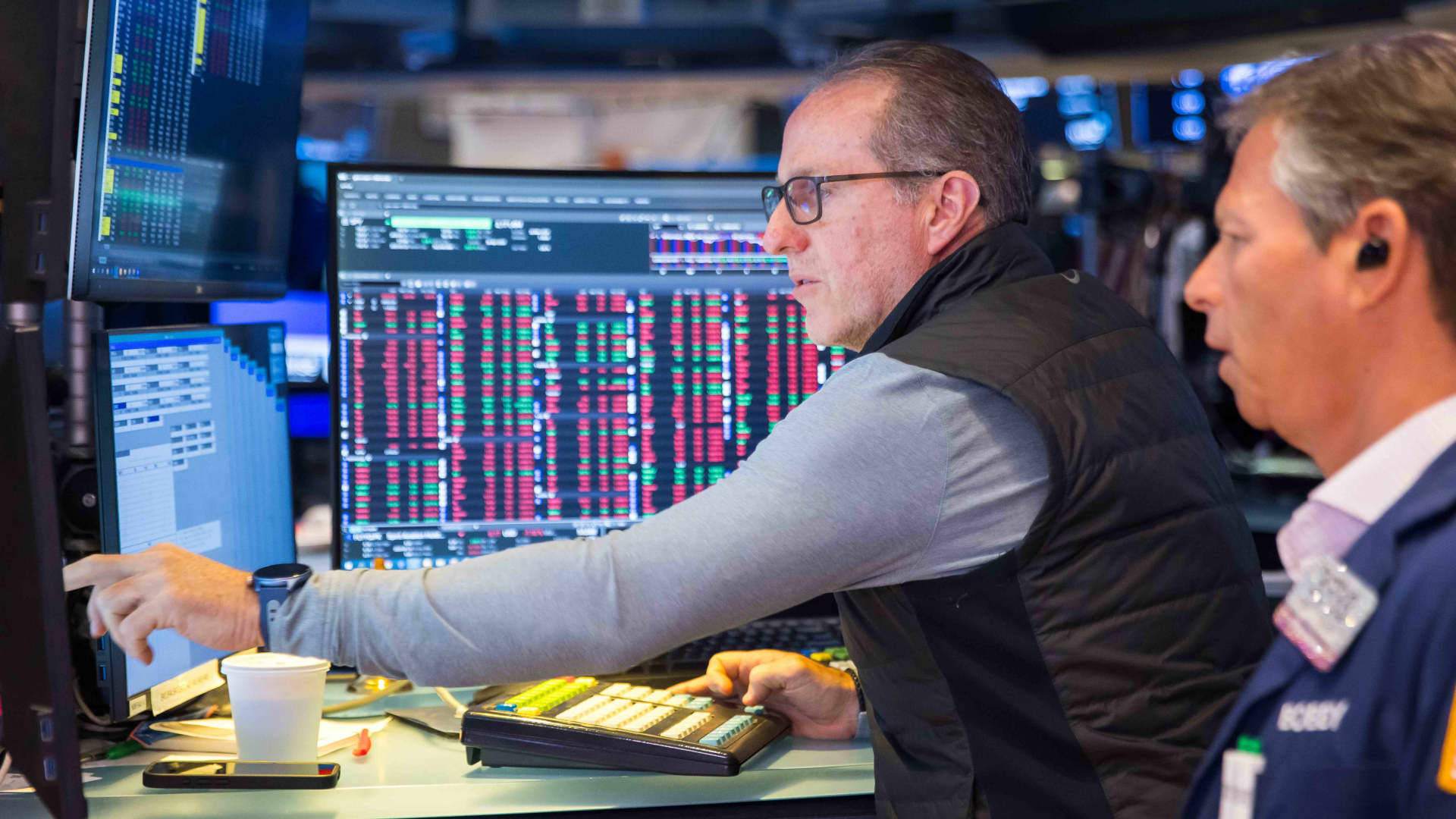
S&P 500 Extends Weekly Gains to Seven Weeks


- S&P 500 Performance: The S&P 500 rose 0.13% last week, marking its seventh consecutive weekly gain, the longest streak since December 2023, despite pressure from soaring oil prices and rising bond yields on Friday.
- Trump-Xi Summit: Following the high-stakes meeting between Trump and Xi, Trump announced a commitment from China to purchase approximately 200 Boeing planes and 750 engines, yet Boeing shares fell 7%, reflecting investor disappointment over the lack of concrete outcomes.
- Fed Policy Challenges: New Fed Chair Kevin Warsh faces inflationary pressures as recent consumer and producer price indices exceeded expectations, complicating market predictions for interest rate cuts and potentially hindering further stock market gains.
- AI Stock Strength: Cerebras' blockbuster IPO raised $5.5 billion, with shares soaring 68% on debut, underscoring strong investor appetite for AI stocks, while Cisco's surge in AI orders further bolstered confidence in the tech sector.
See More

Berkshire's 13-F Filing Under New CEO Reveals Strategic Investment Shifts

- Stable Apple Holdings: Berkshire maintained its stake in Apple at approximately 228 million shares, which, while below the historical peak of over 900 million shares, still represents 22% of its equity portfolio, reflecting confidence in Apple's long-term value.
- Significant Google Investment: Berkshire's share count in Alphabet surged from about 17.85 million to roughly 58 million, pushing the position's value to nearly $17 billion, indicating CEO Abel's strong confidence and willingness to invest in tech stocks.
- Exploration of New Investment Areas: The new $2.65 billion stake in Delta Air Lines and a minor position in Macy's signal Abel's readiness to enter sectors previously avoided by Buffett, further diversifying the investment portfolio.
- Aggressive Sell-offs: Berkshire exited positions in Amazon, Visa, Mastercard, and others, while slashing its stake in Constellation Brands by 95%, indicating Abel's intent to reshape the investment strategy and reinforce his personal style.
See More

Berkshire Hathaway's Major Portfolio Overhaul Under Greg Abel


- Portfolio Restructuring: Under Greg Abel's leadership, Berkshire Hathaway's equity portfolio underwent significant changes in the first three months, adding Delta Air Lines and Macy's, indicating a renewed focus on the airline and retail sectors.
- Massive Alphabet Stake Increase: Berkshire increased its stake in Google's parent company Alphabet by 224% in Q1, making it the company's seventh-largest holding with a market value of $16.6 billion, and the stock has rallied 38% since, showcasing the success of this decision.
- Reduction in Holdings: Abel dramatically cut the number of companies in the portfolio, selling off major stakes including Amazon and Visa, with Amazon's shares reduced from 10 million to 2.3 million, reflecting a significant strategic shift in investment focus.
- Return to Delta Airlines: Berkshire purchased 39.8 million shares of Delta Air Lines in Q1, currently valued at $2.8 billion, marking the company's first return to airline stocks since 2020, demonstrating confidence in the recovery of the airline industry.
See More

Trump and Xi Reignite US-China Relations


- Historic Visit: President Trump made his first visit to China in nearly a decade, engaging in multiple friendly interactions with Xi Jinping, which may pave the way for future trade negotiations and strengthen bilateral ties.
- Business Banquet: During a state banquet at the Great Hall of the People, Trump referred to Xi as “my friend” and invited him and First Lady Peng Liyuan to visit the White House in September, signaling positive economic cooperation that could boost bilateral trade.
- Tech Leaders Gather: Tesla's CEO Elon Musk mingled with Chinese business leaders like ByteDance's Liang Rubo, with social media buzz around Musk's selfie with Xiaomi's Lei Jun reflecting vibrant US-China tech exchanges that may enhance collaboration in the tech sector.
- Future Relationship Framework: Both sides agreed to work towards a more stable bilateral relationship framework over the next three years, with the Trump administration indicating that China would increase purchases of Boeing aircraft and American agricultural products, although the Taiwan issue remains a potential source of conflict.
See More
Apple's Services Business Continues Strong Growth
- Revenue Growth in Services: Apple's Services business generated over $30 billion in revenue in the latest quarter, showcasing strong performance across the App Store, iCloud, and Apple Music, and is expected to continue driving overall gross margin improvements.
- Gross Margin Enhancement Potential: Analyst Amit Daryanani highlighted that the structurally higher margins of the Services segment will elevate Apple's overall gross margins, as long as Services maintains double-digit growth, even if segment-level margins remain stable.
- Earnings Per Share Growth Expectations: Daryanani projects that Apple's earnings per share could reach between $12 and $13 in the next couple of years, representing a 50% increase from the $7.49 earned in 2025, indicating that Services will be crucial for sustaining healthy double-digit EPS growth.
- AI Potential Unleashed: With Apple's plans to launch Apple Intelligence this fall, analysts believe this could unlock multiple monetization avenues without requiring the capital expenditure intensity of hyperscalers, further enhancing Apple's competitive position in the market.
See More
Apple Cuts iPhone 17 Prices Ahead of 618 Holiday
- Pricing Strategy: Apple has reduced the prices of some iPhone 17 Pro models by 1,000 yuan to 6,999 yuan in China, aiming to boost sales ahead of the upcoming 618 shopping festival, which is expected to enhance consumer purchasing willingness and strengthen market competitiveness.
- Promotional Impact: By leveraging trade-in programs and other promotional strategies, consumers can enjoy a lower effective price when purchasing the iPhone 17 Pro, which will further drive sales growth and enhance brand loyalty.
- Increased Market Competition: The price cuts are not exclusive to Apple, as competitors like Huawei and Xiaomi have also lowered their smartphone prices, indicating intensified market competition that may lead to an overall price war in the smartphone sector.
- Stock Market Reaction: Following the price cut announcement, Apple shares rose by 0.5%, reflecting a positive market response to this strategy and indicating investor optimism regarding Apple's sales prospects in the Chinese market.
See More
S&P 500 Extends Weekly Gains to Seven Weeks
- S&P 500 Performance: The S&P 500 rose 0.13% last week, marking its seventh consecutive weekly gain, the longest streak since December 2023, despite pressure from soaring oil prices and rising bond yields on Friday.
- Trump-Xi Summit: Following the high-stakes meeting between Trump and Xi, Trump announced a commitment from China to purchase approximately 200 Boeing planes and 750 engines, yet Boeing shares fell 7%, reflecting investor disappointment over the lack of concrete outcomes.
- Fed Policy Challenges: New Fed Chair Kevin Warsh faces inflationary pressures as recent consumer and producer price indices exceeded expectations, complicating market predictions for interest rate cuts and potentially hindering further stock market gains.
- AI Stock Strength: Cerebras' blockbuster IPO raised $5.5 billion, with shares soaring 68% on debut, underscoring strong investor appetite for AI stocks, while Cisco's surge in AI orders further bolstered confidence in the tech sector.
See More
Berkshire's 13-F Filing Under New CEO Reveals Strategic Investment Shifts
- Stable Apple Holdings: Berkshire maintained its stake in Apple at approximately 228 million shares, which, while below the historical peak of over 900 million shares, still represents 22% of its equity portfolio, reflecting confidence in Apple's long-term value.
- Significant Google Investment: Berkshire's share count in Alphabet surged from about 17.85 million to roughly 58 million, pushing the position's value to nearly $17 billion, indicating CEO Abel's strong confidence and willingness to invest in tech stocks.
- Exploration of New Investment Areas: The new $2.65 billion stake in Delta Air Lines and a minor position in Macy's signal Abel's readiness to enter sectors previously avoided by Buffett, further diversifying the investment portfolio.
- Aggressive Sell-offs: Berkshire exited positions in Amazon, Visa, Mastercard, and others, while slashing its stake in Constellation Brands by 95%, indicating Abel's intent to reshape the investment strategy and reinforce his personal style.
See More
Berkshire Hathaway's Major Portfolio Overhaul Under Greg Abel
- Portfolio Restructuring: Under Greg Abel's leadership, Berkshire Hathaway's equity portfolio underwent significant changes in the first three months, adding Delta Air Lines and Macy's, indicating a renewed focus on the airline and retail sectors.
- Massive Alphabet Stake Increase: Berkshire increased its stake in Google's parent company Alphabet by 224% in Q1, making it the company's seventh-largest holding with a market value of $16.6 billion, and the stock has rallied 38% since, showcasing the success of this decision.
- Reduction in Holdings: Abel dramatically cut the number of companies in the portfolio, selling off major stakes including Amazon and Visa, with Amazon's shares reduced from 10 million to 2.3 million, reflecting a significant strategic shift in investment focus.
- Return to Delta Airlines: Berkshire purchased 39.8 million shares of Delta Air Lines in Q1, currently valued at $2.8 billion, marking the company's first return to airline stocks since 2020, demonstrating confidence in the recovery of the airline industry.
See More
Trump and Xi Reignite US-China Relations
- Historic Visit: President Trump made his first visit to China in nearly a decade, engaging in multiple friendly interactions with Xi Jinping, which may pave the way for future trade negotiations and strengthen bilateral ties.
- Business Banquet: During a state banquet at the Great Hall of the People, Trump referred to Xi as “my friend” and invited him and First Lady Peng Liyuan to visit the White House in September, signaling positive economic cooperation that could boost bilateral trade.
- Tech Leaders Gather: Tesla's CEO Elon Musk mingled with Chinese business leaders like ByteDance's Liang Rubo, with social media buzz around Musk's selfie with Xiaomi's Lei Jun reflecting vibrant US-China tech exchanges that may enhance collaboration in the tech sector.
- Future Relationship Framework: Both sides agreed to work towards a more stable bilateral relationship framework over the next three years, with the Trump administration indicating that China would increase purchases of Boeing aircraft and American agricultural products, although the Taiwan issue remains a potential source of conflict.
See More