Makarora Completes $2.1 Billion Acquisition of Plymouth Industrial REIT
Written by Emily J. Thompson, Senior Investment Analyst
Updated: Jan 27 2026
0mins
Source: Globenewswire
- Acquisition Completed: Makarora Management LP, together with Ares Alternative Credit funds, has completed the acquisition of Plymouth Industrial REIT, Inc. for approximately $2.1 billion, marking a significant expansion in the real estate investment sector.
- Shareholder Cash Return: Under the terms of the transaction, Plymouth shareholders will receive $22.00 per share in cash, providing a substantial return that enhances investor confidence in the deal.
- Advisors Involved: KeyBanc Capital Markets and J.P. Morgan acted as financial advisors for Plymouth, while Moelis & Company served as the lead financial advisor for Makarora, ensuring a smooth transaction process.
- Market Impact: The acquisition results in Plymouth no longer being listed on any public securities exchange, reflecting Makarora's strategic decision to consolidate and optimize its investment portfolio, which is expected to enhance its competitive position in the market.
Trade with 70% Backtested Accuracy
Stop guessing "Should I Buy ARES?" and start using high-conviction signals backed by rigorous historical data.
Sign up today to access powerful investing tools and make smarter, data-driven decisions.
Analyst Views on ARES
Wall Street analysts forecast ARES stock price to rise
10 Analyst Rating
8 Buy
2 Hold
0 Sell
Strong Buy
Current: 113.630

Low
155.00
Averages
191.40
High
223.00
Current: 113.630
Low
155.00
Averages
191.40
High
223.00
About ARES
Ares Management Corporation is an alternative investment manager offering clients complementary primary and secondary investment solutions across various asset classes. Its segments include Credit Group, Private Equity Group, Real Assets Group, Secondaries Group, and Other. The Credit Group segment manages credit strategies across the liquid and illiquid spectrum, including liquid credit, alternative credit, direct lending and APAC credit. The Private Equity Group segment categorizes its investment strategies as corporate private equity, special opportunities and APAC private equity. The Real Assets Group segment manages comprehensive equity and debt strategies across real estate and infrastructure investments. The Secondaries Group segment invests in secondary markets across a range of alternative asset class strategies, including private equity, real estate, infrastructure and credit. It has operations across North America, South America, Europe, Asia Pacific and the Middle East.
About the author

Emily J. Thompson
Emily J. Thompson, a Chartered Financial Analyst (CFA) with 12 years in investment research, graduated with honors from the Wharton School. Specializing in industrial and technology stocks, she provides in-depth analysis for Intellectia’s earnings and market brief reports.

S&P SmallCap 600 Index Adjustments Announced

- Index Changes: Midera Food Processing Inc. will replace Redwood Trust Inc. in the S&P SmallCap 600 effective July 8, 2026, enhancing the index's representation of the small-cap market and potentially attracting more investor interest.
- Corporate Spin-off: The Middleby Corp. is spinning off Midera Food Processing, with the transaction expected to close on July 7, aiming to increase focus on its core business and improve market competitiveness.
- Energy Sector Addition: Centrus Energy Corp. will replace Whitestone REIT in the S&P SmallCap 600 effective July 14, 2026, reflecting ongoing investor interest and recognition of growth potential in the energy sector.
- Real Estate Market Adjustment: The removal of Whitestone REIT signifies a reassessment of the real estate sector within the S&P SmallCap 600, which may influence asset allocation strategies among related investors.
See More
S&P SmallCap 600 Index Changes Announced

- New Addition: Midera Food Processing (Ticker: MFP) will be added to the S&P SmallCap 600 Index on July 8, 2026, indicating recognition and growth in the industrial sector, which is expected to attract more investor attention.
- Removal: Redwood Trust Inc (Ticker: RWT) will be removed from the S&P SmallCap 600 Index on July 8, 2026, a move that may negatively impact its stock price, reflecting market concerns about its future performance.
- New Addition: Centrus Energy (Ticker: LEU) will join the S&P SmallCap 600 Index on July 14, 2026, showcasing its growth potential in the energy sector, which could enhance its market visibility and investment appeal.
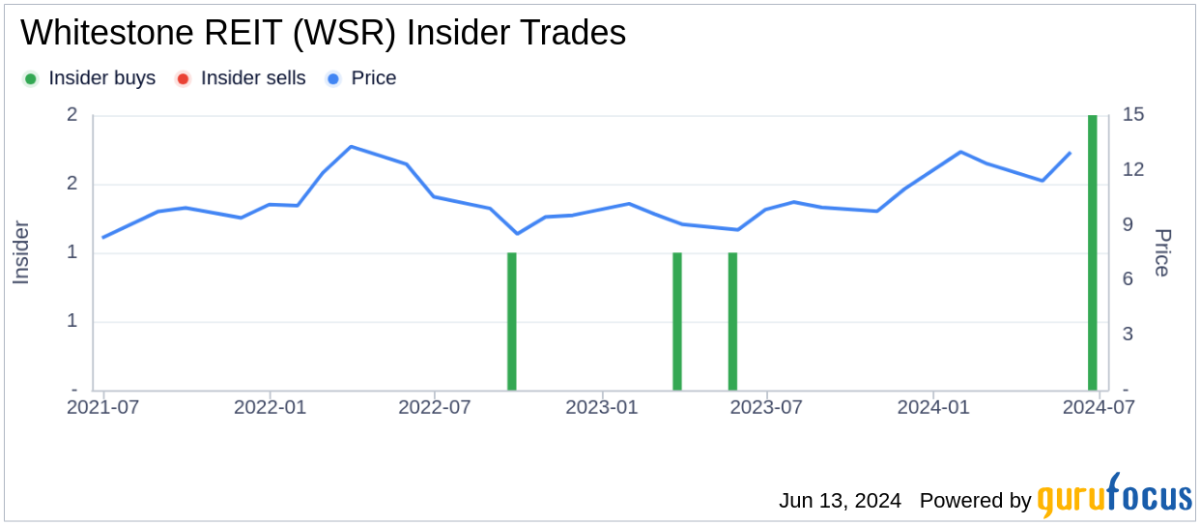
- Removal: Whitestone REIT (Ticker: WSR) will be removed from the S&P SmallCap 600 Index on July 14, 2026, an adjustment that may affect its liquidity and investor confidence, reflecting market skepticism about its asset management capabilities.
See More

Ares Capital to Report Q2 2026 Earnings on July 29


- Earnings Announcement: Ares Capital Corporation will report its second-quarter earnings for the period ending June 30, 2026, on July 29, 2026, before the Nasdaq opens, providing crucial insights into its financial performance for investors.
- Conference Call Invitation: The company invites all interested parties to join a webcast/conference call at 12:00 p.m. (Eastern Time) on the same day to discuss the financial results, enhancing transparency and fostering investor relations.
- Replay Availability: An archived replay of the call will be accessible approximately one hour after its conclusion, available until August 29, 2026, via phone and webcast, ensuring that those unable to attend live can still access key information.
- Company Overview: Founded in 2004, Ares Capital focuses on providing direct loans and investments to private middle-market companies in the U.S., and as the largest publicly traded BDC, aims to drive economic growth and job creation through high-quality borrowers.
See More

Ares Capital to Report Q2 2026 Earnings on July 29
- Earnings Announcement: Ares Capital Corporation has announced it will report its second-quarter earnings for the period ending June 30, 2026, on July 29, 2026, prior to the Nasdaq opening, providing crucial financial insights for investors.
- Webcast Invitation: The company invites all interested parties to join a webcast at 12:00 p.m. (Eastern Time) on the same day to discuss the financial results, enhancing engagement with its investor base.
- Conference Call Access: Domestic callers can join the conference call toll-free at +1 (800) 245-3047, while international participants can dial +1 (203) 518-9765, ensuring timely access to financial information for all investors.
- Replay Availability: An archived replay of the call will be available approximately one hour after the event until August 29, 2026, allowing those who could not attend live to access important updates.
See More

Ares Acquisition Corporation III Successfully Completes IPO

- Successful IPO: Ares Acquisition Corporation III has successfully completed its initial public offering, issuing 34.5 million units at $10.00 each, with an additional 5 million units sold, raising a total of $395 million, reflecting strong market confidence in its business model.
- Unit Composition and Trading: Each unit consists of one Class A ordinary share and one-tenth of a redeemable warrant, with the warrants allowing purchase of one Class A share at $11.50, enhancing potential returns for investors and increasing the company's attractiveness.
- Management Team Background: The management team is led by CEO and Co-Chairman David B. Kaplan and Co-Chairman Michael J. Arougheti, whose extensive experience is expected to provide robust support for the company's future merger activities.
- Strategic Relationship with Ares: As a subsidiary of Ares Management Corporation, Ares Acquisition Corporation III will leverage its $644 billion in assets under management and industry expertise to enhance its competitiveness in the M&A market, with expectations of creating long-term value for shareholders.
See More
Ares Management to Report Q2 2026 Earnings on July 31
- Earnings Announcement: Ares Management Corporation will report its Q2 2026 earnings on July 31, 2026, prior to the NYSE opening, reflecting the company's commitment to transparency and timely communication.
- Conference Call Details: A webcast/conference call will take place at 11:00 a.m. (Eastern Time) on the same day, allowing all interested parties to participate via phone or live webcast, enhancing investor engagement and information access.
- Participation Instructions: Domestic callers can dial +1 (800) 267-6316, while international callers can reach +1 (203) 518-9783, with a request to join 10-15 minutes early and reference conference ID ARESQ226 to ensure accurate information collection.
- Replay Availability: An archived replay of the call will be accessible until August 31, 2026, ensuring that investors who cannot participate live still receive critical information, demonstrating the company's commitment to investor relations.
See More
S&P SmallCap 600 Index Adjustments Announced
- Index Changes: Midera Food Processing Inc. will replace Redwood Trust Inc. in the S&P SmallCap 600 effective July 8, 2026, enhancing the index's representation of the small-cap market and potentially attracting more investor interest.
- Corporate Spin-off: The Middleby Corp. is spinning off Midera Food Processing, with the transaction expected to close on July 7, aiming to increase focus on its core business and improve market competitiveness.
- Energy Sector Addition: Centrus Energy Corp. will replace Whitestone REIT in the S&P SmallCap 600 effective July 14, 2026, reflecting ongoing investor interest and recognition of growth potential in the energy sector.
- Real Estate Market Adjustment: The removal of Whitestone REIT signifies a reassessment of the real estate sector within the S&P SmallCap 600, which may influence asset allocation strategies among related investors.
See More
S&P SmallCap 600 Index Changes Announced
- New Addition: Midera Food Processing (Ticker: MFP) will be added to the S&P SmallCap 600 Index on July 8, 2026, indicating recognition and growth in the industrial sector, which is expected to attract more investor attention.
- Removal: Redwood Trust Inc (Ticker: RWT) will be removed from the S&P SmallCap 600 Index on July 8, 2026, a move that may negatively impact its stock price, reflecting market concerns about its future performance.
- New Addition: Centrus Energy (Ticker: LEU) will join the S&P SmallCap 600 Index on July 14, 2026, showcasing its growth potential in the energy sector, which could enhance its market visibility and investment appeal.
- Removal: Whitestone REIT (Ticker: WSR) will be removed from the S&P SmallCap 600 Index on July 14, 2026, an adjustment that may affect its liquidity and investor confidence, reflecting market skepticism about its asset management capabilities.
See More
Ares Capital to Report Q2 2026 Earnings on July 29
- Earnings Announcement: Ares Capital Corporation will report its second-quarter earnings for the period ending June 30, 2026, on July 29, 2026, before the Nasdaq opens, providing crucial insights into its financial performance for investors.
- Conference Call Invitation: The company invites all interested parties to join a webcast/conference call at 12:00 p.m. (Eastern Time) on the same day to discuss the financial results, enhancing transparency and fostering investor relations.
- Replay Availability: An archived replay of the call will be accessible approximately one hour after its conclusion, available until August 29, 2026, via phone and webcast, ensuring that those unable to attend live can still access key information.
- Company Overview: Founded in 2004, Ares Capital focuses on providing direct loans and investments to private middle-market companies in the U.S., and as the largest publicly traded BDC, aims to drive economic growth and job creation through high-quality borrowers.
See More
Ares Capital to Report Q2 2026 Earnings on July 29
- Earnings Announcement: Ares Capital Corporation has announced it will report its second-quarter earnings for the period ending June 30, 2026, on July 29, 2026, prior to the Nasdaq opening, providing crucial financial insights for investors.
- Webcast Invitation: The company invites all interested parties to join a webcast at 12:00 p.m. (Eastern Time) on the same day to discuss the financial results, enhancing engagement with its investor base.
- Conference Call Access: Domestic callers can join the conference call toll-free at +1 (800) 245-3047, while international participants can dial +1 (203) 518-9765, ensuring timely access to financial information for all investors.
- Replay Availability: An archived replay of the call will be available approximately one hour after the event until August 29, 2026, allowing those who could not attend live to access important updates.
See More
Ares Acquisition Corporation III Successfully Completes IPO
- Successful IPO: Ares Acquisition Corporation III has successfully completed its initial public offering, issuing 34.5 million units at $10.00 each, with an additional 5 million units sold, raising a total of $395 million, reflecting strong market confidence in its business model.
- Unit Composition and Trading: Each unit consists of one Class A ordinary share and one-tenth of a redeemable warrant, with the warrants allowing purchase of one Class A share at $11.50, enhancing potential returns for investors and increasing the company's attractiveness.
- Management Team Background: The management team is led by CEO and Co-Chairman David B. Kaplan and Co-Chairman Michael J. Arougheti, whose extensive experience is expected to provide robust support for the company's future merger activities.
- Strategic Relationship with Ares: As a subsidiary of Ares Management Corporation, Ares Acquisition Corporation III will leverage its $644 billion in assets under management and industry expertise to enhance its competitiveness in the M&A market, with expectations of creating long-term value for shareholders.
See More
Ares Management to Report Q2 2026 Earnings on July 31
- Earnings Announcement: Ares Management Corporation will report its Q2 2026 earnings on July 31, 2026, prior to the NYSE opening, reflecting the company's commitment to transparency and timely communication.
- Conference Call Details: A webcast/conference call will take place at 11:00 a.m. (Eastern Time) on the same day, allowing all interested parties to participate via phone or live webcast, enhancing investor engagement and information access.
- Participation Instructions: Domestic callers can dial +1 (800) 267-6316, while international callers can reach +1 (203) 518-9783, with a request to join 10-15 minutes early and reference conference ID ARESQ226 to ensure accurate information collection.
- Replay Availability: An archived replay of the call will be accessible until August 31, 2026, ensuring that investors who cannot participate live still receive critical information, demonstrating the company's commitment to investor relations.
See More