Major Indexes Break Long-Term Support Amid Rising Oil Prices
Written by Emily J. Thompson, Senior Investment Analyst
Updated: Mar 20 2026
0mins


Should l Buy TSLA?
Source: Yahoo Finance
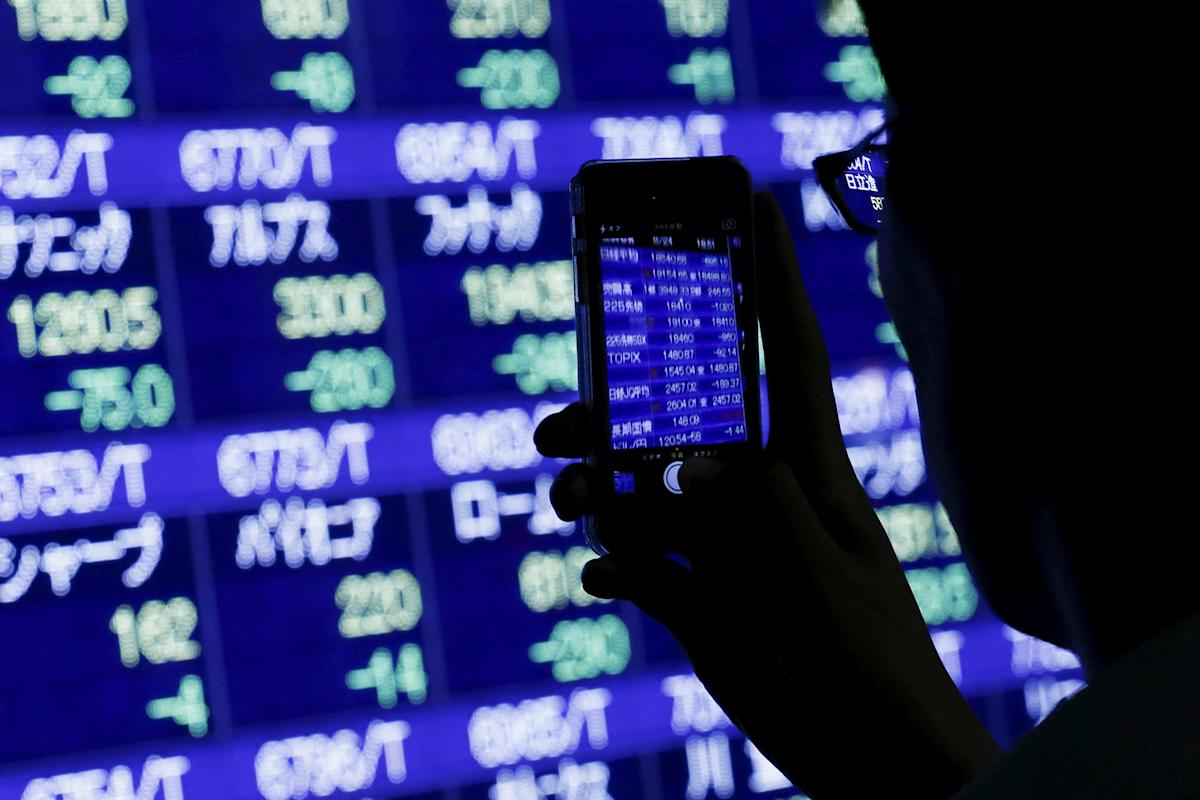
- Market Turmoil Intensifies: Major indexes have broken long-term support levels as soaring oil prices and bond yields raise concerns about the economic outlook, potentially leading to decreased investor confidence and larger sell-offs.
- Trump's Remarks Impact: President Trump stated late Friday that he is considering 'winding down' the Iran war, despite earlier calling such a notion 'unacceptable,' which may prompt a reassessment of geopolitical risks in the market and influence investment decisions.
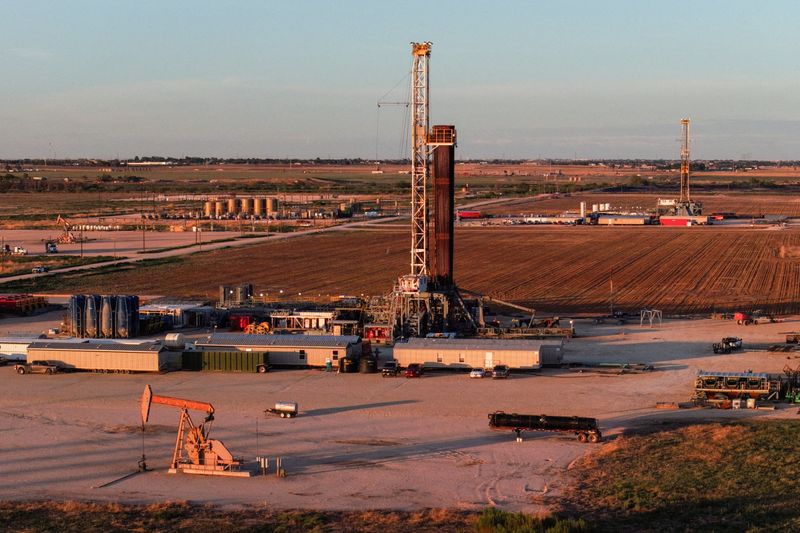
- Rising Oil Prices Impact: The surge in oil prices not only increases operational costs for businesses but may also lead to reduced consumer spending, negatively affecting overall economic growth, especially amid rising inflationary pressures.
- Bond Yield Increase: The rise in bond yields typically puts pressure on the stock market as investors may shift towards fixed-income investments, further exacerbating market volatility and uncertainty.
Trade with 70% Backtested Accuracy
Stop guessing "Should I Buy TSLA?" and start using high-conviction signals backed by rigorous historical data.
Sign up today to access powerful investing tools and make smarter, data-driven decisions.
Analyst Views on TSLA
Wall Street analysts forecast TSLA stock price to fall
30 Analyst Rating
12 Buy
11 Hold
7 Sell
Hold
Current: 411.790

Low
25.28
Averages
401.93
High
600.00
Current: 411.790
Low
25.28
Averages
401.93
High
600.00
About TSLA
Tesla, Inc. designs, develops, manufactures, sells and leases high-performance fully electric vehicles and energy generation and storage systems, and offers services related to its products. Its segments include automotive, and energy generation and storage. The automotive segment includes the design, development, manufacturing, sales and leasing of high-performance fully electric vehicles, and sales of automotive regulatory credits. It also includes sales of used vehicles, non-warranty maintenance services and collisions, part sales, paid supercharging, insurance services revenue and retail merchandise sales. The energy generation and storage segment include the design, manufacture, installation, sales and leasing of solar energy generation and energy storage products and related services and sales of solar energy systems incentives. Its consumer vehicles include the Model 3, Y, S, X and Cybertruck. Its lithium-ion battery energy storage products include Powerwall and Megapack.
About the author

Emily J. Thompson
Emily J. Thompson, a Chartered Financial Analyst (CFA) with 12 years in investment research, graduated with honors from the Wharton School. Specializing in industrial and technology stocks, she provides in-depth analysis for Intellectia’s earnings and market brief reports.

Analysis of Electric Vehicle Market Prospects


- Rivian's Growth Potential: Rivian Automotive (RIVN) plans to launch its first affordable R2 SUV priced under $50,000 in 2026, catering to the majority of prospective buyers, which is expected to drive sales growth and enhance market share.
- Robotaxi Orders: Rivian secured a $1.25 billion order from Uber Technologies for 50,000 R2s, indicating its potential in the robotaxi market; despite fierce competition, its small market cap offers an attractive risk-reward ratio.
- Tesla's Market Position: Tesla (TSLA), with a market cap of $1.3 trillion, may have less raw upside potential, but its investments in self-driving technology and leadership in the robotaxi market provide a strong competitive edge.
- AI Investment and Future Outlook: Tesla has invested $2 billion in Elon Musk's AI startup xAI and plans to significantly increase investments in AI and self-driving technology over the next five years, which is expected to drive company value growth and expand robotaxi services.
See More

Electric Vehicle Market Transformation and Investment Opportunities
- Rivian's New Model Launch: Rivian is set to launch its first affordable vehicle, the R2 SUV, priced under $50,000, with plans for two additional models, the R3 and R3X, within the next 12 to 24 months, aiming to attract more potential buyers and increase market share.
- Robotaxi Market Opportunity: Rivian secured a $1.25 billion order from Uber for 50,000 R2s, indicating its potential in the $10 trillion robotaxi market, which could lead to more orders and further drive company growth.
- Tesla's AI Investments: Tesla has invested $2 billion in AI and self-driving technology, with plans to allocate $25 billion in capital expenditures over the next five years, showcasing its strong competitive position and market leadership in the robotaxi sector.
- Market Outlook and Risks: While Rivian presents higher growth potential, Tesla is viewed as a safer investment due to its scale and financial strength, with the next five years expected to be the most exciting in Tesla's history, potentially significantly boosting its market value.
See More

Stock Splits Open New Growth Opportunities for Major Companies


- Background of Stock Splits: Amazon, Alphabet, and Tesla executed stock splits in mid-2022 after experiencing triple or quadruple-digit stock price increases, indicating strong market performance and investor confidence.
- Post-Split Performance: Amazon's 20-for-1 split on June 3, 2022, resulted in a 124% stock price increase, while Alphabet's similar split on July 15, 2022, led to a remarkable 250% rise, showcasing the positive impact of splits on stock prices.
- Industry Impact: Although Netflix's 10-for-1 split in 2025 resulted in a 20% decline, the uncertainty surrounding its acquisition of Warner Bros. illustrates that company fundamentals and market dynamics have a more significant influence on stock prices than the split itself.
- Investor Insights: Stock splits do not alter a company's fundamentals, but if a quality company continues to achieve earnings growth post-split, investors may see new opportunities for returns, highlighting the importance of selecting high-quality companies.
See More

Analysis of Tech Giants' Stock Splits
- Reason for Stock Splits: Amazon, Alphabet, and Tesla executed stock splits in mid-2022 after experiencing triple or quadruple-digit gains over the previous three years, aiming to lower share prices to attract more investors and potentially initiate a new growth phase.
- Price Performance Review: Prior to their splits, Nvidia's stock surged over 200% in the three years leading up to the split, while Netflix's stock skyrocketed more than 300% in the two and a half years before its split, indicating that strong pre-split performance set the stage for future growth.
- Post-Split Performance: Although Netflix's stock split occurred recently, making direct comparisons challenging, historical data suggests that companies that have completed stock splits often see their share prices rise again over the long term, providing returns to investors.
- Investor Strategy Insights: Stock splits do not affect a company's fundamentals, so investors should focus on earnings growth and prospects; if a quality company continues to deliver growth post-split, it may yield substantial returns once again.
See More

Analysis of Tech Giants' Stock Performance Post-Split


- Background of Stock Splits: Amazon, Alphabet, and Tesla executed stock splits in mid-2022 after experiencing triple or quadruple-digit stock price increases, indicating strong market performance and investor confidence.
- Post-Split Performance: Amazon's 20-for-1 split on June 3, 2022, resulted in a 124% stock price increase; Alphabet's 20-for-1 split on July 15, 2022, led to a 250% rise; and Tesla's 3-for-1 split on August 24, 2022, saw a 34% increase, showcasing the positive impact of splits on stock prices.
- Comparison of Nvidia and Netflix: Nvidia's 10-for-1 split on June 7, 2024, resulted in a 71% increase, while Netflix's similar split on November 14, 2025, led to a 20% decline, reflecting differing market reactions to these companies.
- Long-Term Growth Potential: Historical data suggests that companies that have completed stock splits often see their share prices soar again in the long run, prompting investors to focus on fundamental performance and earnings growth to identify future investment opportunities.
See More

Semiconductor Industry Faces Helium Supply Crisis


- Helium Supply Disruption: The Ras Laffan facility in Qatar, one of only two capable of producing semiconductor-grade helium, was impacted by Iranian drone strikes and may not be fully operational for months, posing a significant threat to chip manufacturers who rely on helium for critical processes.
- U.S. Chipmaker Advantage: U.S.-based semiconductor foundries primarily source helium from domestic and Algerian suppliers, and the recent supply chain disruption is expected to accelerate reshoring efforts, thereby strengthening their market position in the global semiconductor landscape.
- Intel's Turnaround: As the largest chip manufacturer in the U.S., Intel has begun high-volume production of its 18A process node at its Ocotillo campus in Arizona, which offers up to 15% better performance per watt and 30% improved chip density, positioning it to regain market share from competitors like TSMC.
- TSMC's Expansion Plans: TSMC has announced an increase in its total U.S. investment to $165 billion to fund new fabs in Arizona, and despite the helium crunch, its diversified supply chain and helium recycling systems provide a competitive edge over many rivals, particularly those in South Korea reliant on Qatari helium.
See More
Analysis of Electric Vehicle Market Prospects
- Rivian's Growth Potential: Rivian Automotive (RIVN) plans to launch its first affordable R2 SUV priced under $50,000 in 2026, catering to the majority of prospective buyers, which is expected to drive sales growth and enhance market share.
- Robotaxi Orders: Rivian secured a $1.25 billion order from Uber Technologies for 50,000 R2s, indicating its potential in the robotaxi market; despite fierce competition, its small market cap offers an attractive risk-reward ratio.
- Tesla's Market Position: Tesla (TSLA), with a market cap of $1.3 trillion, may have less raw upside potential, but its investments in self-driving technology and leadership in the robotaxi market provide a strong competitive edge.
- AI Investment and Future Outlook: Tesla has invested $2 billion in Elon Musk's AI startup xAI and plans to significantly increase investments in AI and self-driving technology over the next five years, which is expected to drive company value growth and expand robotaxi services.
See More
Electric Vehicle Market Transformation and Investment Opportunities
- Rivian's New Model Launch: Rivian is set to launch its first affordable vehicle, the R2 SUV, priced under $50,000, with plans for two additional models, the R3 and R3X, within the next 12 to 24 months, aiming to attract more potential buyers and increase market share.
- Robotaxi Market Opportunity: Rivian secured a $1.25 billion order from Uber for 50,000 R2s, indicating its potential in the $10 trillion robotaxi market, which could lead to more orders and further drive company growth.
- Tesla's AI Investments: Tesla has invested $2 billion in AI and self-driving technology, with plans to allocate $25 billion in capital expenditures over the next five years, showcasing its strong competitive position and market leadership in the robotaxi sector.
- Market Outlook and Risks: While Rivian presents higher growth potential, Tesla is viewed as a safer investment due to its scale and financial strength, with the next five years expected to be the most exciting in Tesla's history, potentially significantly boosting its market value.
See More
Stock Splits Open New Growth Opportunities for Major Companies
- Background of Stock Splits: Amazon, Alphabet, and Tesla executed stock splits in mid-2022 after experiencing triple or quadruple-digit stock price increases, indicating strong market performance and investor confidence.
- Post-Split Performance: Amazon's 20-for-1 split on June 3, 2022, resulted in a 124% stock price increase, while Alphabet's similar split on July 15, 2022, led to a remarkable 250% rise, showcasing the positive impact of splits on stock prices.
- Industry Impact: Although Netflix's 10-for-1 split in 2025 resulted in a 20% decline, the uncertainty surrounding its acquisition of Warner Bros. illustrates that company fundamentals and market dynamics have a more significant influence on stock prices than the split itself.
- Investor Insights: Stock splits do not alter a company's fundamentals, but if a quality company continues to achieve earnings growth post-split, investors may see new opportunities for returns, highlighting the importance of selecting high-quality companies.
See More
Analysis of Tech Giants' Stock Splits
- Reason for Stock Splits: Amazon, Alphabet, and Tesla executed stock splits in mid-2022 after experiencing triple or quadruple-digit gains over the previous three years, aiming to lower share prices to attract more investors and potentially initiate a new growth phase.
- Price Performance Review: Prior to their splits, Nvidia's stock surged over 200% in the three years leading up to the split, while Netflix's stock skyrocketed more than 300% in the two and a half years before its split, indicating that strong pre-split performance set the stage for future growth.
- Post-Split Performance: Although Netflix's stock split occurred recently, making direct comparisons challenging, historical data suggests that companies that have completed stock splits often see their share prices rise again over the long term, providing returns to investors.
- Investor Strategy Insights: Stock splits do not affect a company's fundamentals, so investors should focus on earnings growth and prospects; if a quality company continues to deliver growth post-split, it may yield substantial returns once again.
See More
Analysis of Tech Giants' Stock Performance Post-Split
- Background of Stock Splits: Amazon, Alphabet, and Tesla executed stock splits in mid-2022 after experiencing triple or quadruple-digit stock price increases, indicating strong market performance and investor confidence.
- Post-Split Performance: Amazon's 20-for-1 split on June 3, 2022, resulted in a 124% stock price increase; Alphabet's 20-for-1 split on July 15, 2022, led to a 250% rise; and Tesla's 3-for-1 split on August 24, 2022, saw a 34% increase, showcasing the positive impact of splits on stock prices.
- Comparison of Nvidia and Netflix: Nvidia's 10-for-1 split on June 7, 2024, resulted in a 71% increase, while Netflix's similar split on November 14, 2025, led to a 20% decline, reflecting differing market reactions to these companies.
- Long-Term Growth Potential: Historical data suggests that companies that have completed stock splits often see their share prices soar again in the long run, prompting investors to focus on fundamental performance and earnings growth to identify future investment opportunities.
See More
Semiconductor Industry Faces Helium Supply Crisis
- Helium Supply Disruption: The Ras Laffan facility in Qatar, one of only two capable of producing semiconductor-grade helium, was impacted by Iranian drone strikes and may not be fully operational for months, posing a significant threat to chip manufacturers who rely on helium for critical processes.
- U.S. Chipmaker Advantage: U.S.-based semiconductor foundries primarily source helium from domestic and Algerian suppliers, and the recent supply chain disruption is expected to accelerate reshoring efforts, thereby strengthening their market position in the global semiconductor landscape.
- Intel's Turnaround: As the largest chip manufacturer in the U.S., Intel has begun high-volume production of its 18A process node at its Ocotillo campus in Arizona, which offers up to 15% better performance per watt and 30% improved chip density, positioning it to regain market share from competitors like TSMC.
- TSMC's Expansion Plans: TSMC has announced an increase in its total U.S. investment to $165 billion to fund new fabs in Arizona, and despite the helium crunch, its diversified supply chain and helium recycling systems provide a competitive edge over many rivals, particularly those in South Korea reliant on Qatari helium.
See More