LSEGY or CME: Which Stock Offers Better Value?
Stock Comparison: Investors are considering London Stock Exchange Group plc - Unsponsored ADR (LSEGY) and CME Group (CME) for potential value investments, with LSEGY currently holding a Zacks Rank of #2 (Buy) compared to CME's #3 (Hold).
Valuation Metrics: LSEGY shows a more favorable valuation with a forward P/E ratio of 21.99 and a PEG ratio of 1.89, while CME has a forward P/E of 23.90 and a PEG ratio of 3.97, indicating LSEGY may be the better value option.
Earnings Outlook: LSEGY's improving earnings outlook is highlighted as a key factor in its attractiveness to value investors, supported by its strong Zacks Rank and favorable valuation metrics.
Investment Recommendations: Zacks Investment Research suggests that LSEGY is currently the superior value option, and they also offer additional stock recommendations with high potential returns.
Trade with 70% Backtested Accuracy
Analyst Views on CME

About CME
About the author

CME Group Launches Bitcoin Volatility Futures

- New Product Launch: CME Group plans to launch Bitcoin volatility futures on June 1, enabling investors to manage market and portfolio positions by isolating volatility risks, marking a significant maturation of Bitcoin as an asset.
- Risk Management Tool: The new futures contracts will settle to the CME CF Bitcoin Volatility Index, which is derived from real-time CME Bitcoin options order books rather than price, providing a critical new layer of risk management.
- Market Demand Response: Giovanni Vicioso, Global Head of Cryptocurrency Products at CME, stated that traders will be able to invest or hedge against future Bitcoin volatility, addressing the urgent market demand for risk management tools.
- Industry Impact: Sui Chung, CEO of CF Benchmarks, noted that this launch represents a major step forward in Bitcoin's evolution as an asset suitable for all types of investors, further advancing the maturation and development of the Bitcoin market.

CME Group Set to Introduce Bitcoin Volatility Futures Contracts

Launch of Bitcoin Volatility Futures: CME Group is set to introduce Bitcoin volatility futures contracts, aimed at providing investors with tools to manage Bitcoin price fluctuations.
Market Impact: The new futures contracts are expected to enhance market liquidity and offer a more efficient way for traders to hedge against Bitcoin's volatility.
Investor Interest: The launch reflects growing institutional interest in Bitcoin and the need for sophisticated financial products in the cryptocurrency market.
Regulatory Considerations: CME Group's initiative may also prompt discussions around regulatory frameworks for cryptocurrency derivatives as the market continues to evolve.
S&P 500 Recovery Amid Economic Uncertainty

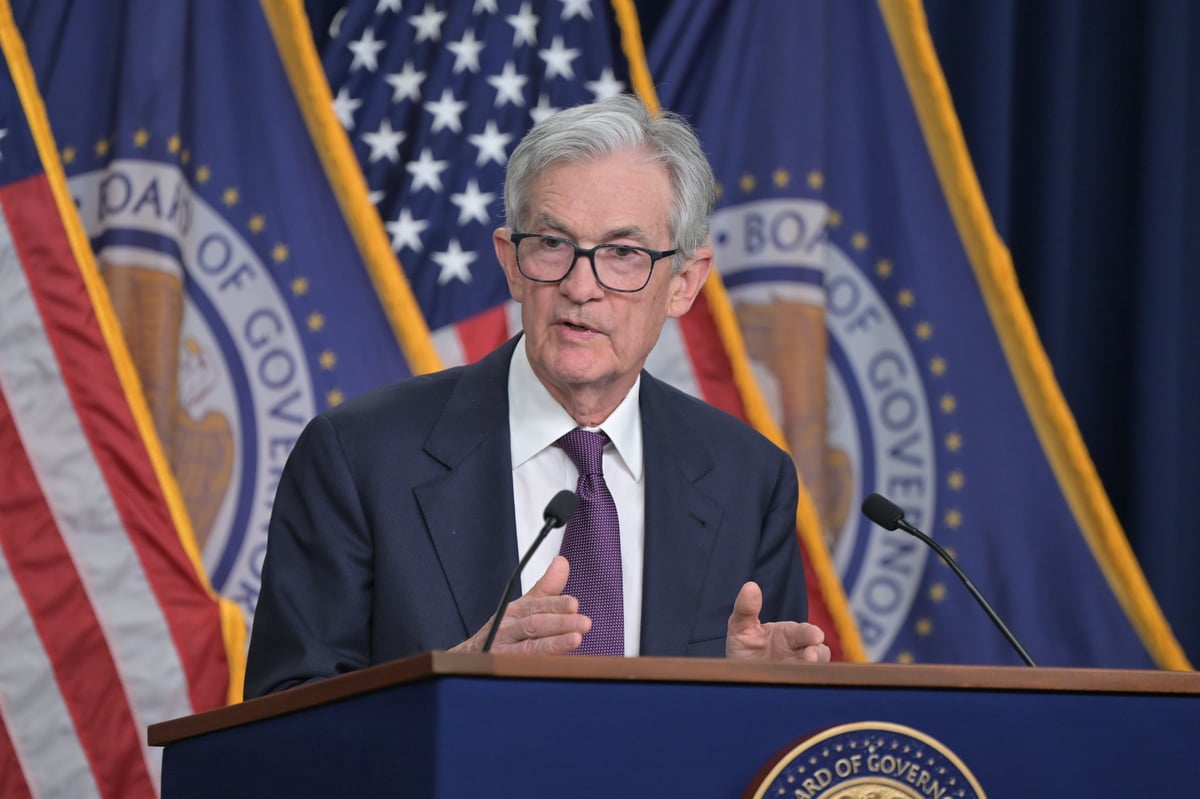
- Economic Outlook Uncertainty: Fed Chair Jerome Powell stated during his final press conference that the economic outlook is 'highly uncertain,' with the Middle East conflict exacerbating this uncertainty, potentially leading to increased inflation in the U.S. and affecting market confidence.
- Rising Inflation Pressure: The Consumer Price Index (CPI) surged by 90 basis points to 3.3% in March, primarily driven by soaring gasoline prices, which are expected to push up transportation and manufacturing costs, thereby impacting prices across other sectors.
- Shifting Rate Expectations: Despite initial investor expectations for at least two rate cuts in 2026, the Federal Reserve has held its benchmark rate steady for three consecutive meetings, with economists predicting rates will remain unchanged through the rest of 2026, potentially pivoting to rate hikes in Q3 2027.
- Increased Market Risks: The S&P 500 currently trades at a forward P/E ratio of 20.9, above the five-year average of 19.9; if the Fed concludes its rate-cutting cycle, investors may shift towards safe-haven assets like Treasury bonds and gold, putting downward pressure on the stock market.

Federal Reserve Outlook Faces Increased Uncertainty Amid Geopolitical Tensions
- Economic Outlook Warning: Federal Reserve Chair Jerome Powell highlighted significant uncertainty in the economic outlook during his final press conference, particularly due to escalating Middle Eastern conflicts, which could lead to rising inflation and impact consumer confidence and market stability.
- Rate Policy Shift: JPMorgan Chase strategists predict that the Federal Reserve will pivot to rate hikes in the third quarter of 2027, ending the current rate-cutting cycle, a shift that could negatively affect the stock market, especially with the S&P 500 currently trading at a price-to-earnings ratio of 20.9 times.
- Inflationary Pressures Intensify: The Consumer Price Index (CPI) surged by 90 basis points to 3.3% in March, marking the worst reading since April 2024, with rising oil prices expected to further increase transportation and manufacturing costs, potentially leading to an economic slowdown.
- Cautious Market Reaction: Although the S&P 500 has recently rebounded to record highs, investor tolerance for high valuations may decrease, particularly with expectations of Fed rate hikes, prompting many investors to shift towards safe-haven assets like Treasury bonds and gold to mitigate risks.
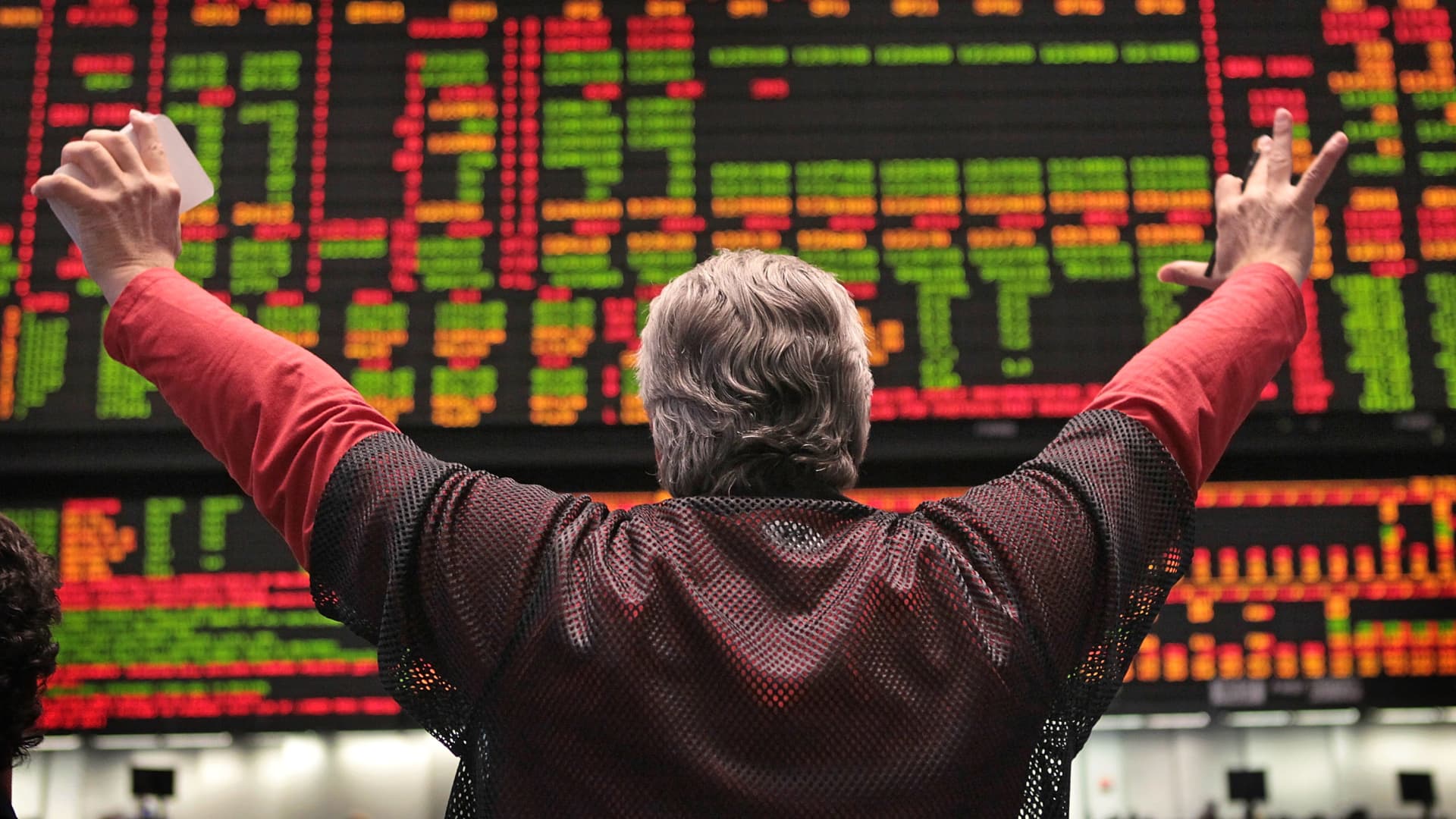
Cboe Global Markets Reports Significant Q1 Profit Surge Amid Market Volatility

- Significant Profit Growth: Cboe Global Markets reported a net income of $384.1 million for Q1, translating to $3.66 per share, a substantial increase from $249.4 million and $2.37 per share a year earlier, showcasing the company's robust profitability amid market volatility.
- Trading Driven by Volatility: Heightened market volatility due to the Middle East conflict led to a surge in options trading, with average daily volume in index options reaching an all-time high of 6.1 million contracts, a 27% increase from 4.8 million a year prior, significantly boosting transaction and clearing fee revenues.
- Strategic Restructuring Plan: Cboe announced a 20% workforce reduction as part of a strategic realignment, with CEO Craig Donohue stating that this move aims to enhance focus and investment in core businesses driving earnings, reflecting the company's agility and foresight in navigating market changes.
- Strong Industry Performance: Cboe's impressive results align with the overall strong performance of U.S. exchange operators like CME Group, Nasdaq, and Intercontinental Exchange, indicating that increased trading activity across the industry is bolstered by market volatility, further solidifying Cboe's competitive position.

Robinhood Stock Faces Continued Downward Pressure

- Declining Transaction Revenue: In Q1 2026, Robinhood reported $623 million in transaction revenue, a 20% decrease from Q4 2025, with options revenue dropping 17% to $260 million, indicating a significant decline in client trading activity that could impact future profitability.
- Cryptocurrency Revenue Plummets: The company's cryptocurrency transaction revenue fell 39% in Q1 to $134 million, reflecting that despite a recovering stock market, the overall crypto market is still down 37% from last year's peak, leading clients to avoid high-risk assets and potentially further revenue declines.
- Increased Valuation Pressure: When Robinhood's stock peaked at $154 in October, its price-to-sales ratio exceeded 30, significantly higher than its average of 11.6 since going public; the current stock price still needs to drop 19% to align with this average, raising concerns about future growth.
- Interest Income Constraints: With the Federal Reserve cutting rates six times since September 2024, Robinhood's net interest revenue has declined for three consecutive quarters, and if rates remain unchanged or are cut further, the company's financial health could face additional pressures.
CME Group Launches Bitcoin Volatility Futures
- New Product Launch: CME Group plans to launch Bitcoin volatility futures on June 1, enabling investors to manage market and portfolio positions by isolating volatility risks, marking a significant maturation of Bitcoin as an asset.
- Risk Management Tool: The new futures contracts will settle to the CME CF Bitcoin Volatility Index, which is derived from real-time CME Bitcoin options order books rather than price, providing a critical new layer of risk management.
- Market Demand Response: Giovanni Vicioso, Global Head of Cryptocurrency Products at CME, stated that traders will be able to invest or hedge against future Bitcoin volatility, addressing the urgent market demand for risk management tools.
- Industry Impact: Sui Chung, CEO of CF Benchmarks, noted that this launch represents a major step forward in Bitcoin's evolution as an asset suitable for all types of investors, further advancing the maturation and development of the Bitcoin market.
CME Group Set to Introduce Bitcoin Volatility Futures Contracts
Launch of Bitcoin Volatility Futures: CME Group is set to introduce Bitcoin volatility futures contracts, aimed at providing investors with tools to manage Bitcoin price fluctuations.
Market Impact: The new futures contracts are expected to enhance market liquidity and offer a more efficient way for traders to hedge against Bitcoin's volatility.
Investor Interest: The launch reflects growing institutional interest in Bitcoin and the need for sophisticated financial products in the cryptocurrency market.
Regulatory Considerations: CME Group's initiative may also prompt discussions around regulatory frameworks for cryptocurrency derivatives as the market continues to evolve.
S&P 500 Recovery Amid Economic Uncertainty
- Economic Outlook Uncertainty: Fed Chair Jerome Powell stated during his final press conference that the economic outlook is 'highly uncertain,' with the Middle East conflict exacerbating this uncertainty, potentially leading to increased inflation in the U.S. and affecting market confidence.
- Rising Inflation Pressure: The Consumer Price Index (CPI) surged by 90 basis points to 3.3% in March, primarily driven by soaring gasoline prices, which are expected to push up transportation and manufacturing costs, thereby impacting prices across other sectors.
- Shifting Rate Expectations: Despite initial investor expectations for at least two rate cuts in 2026, the Federal Reserve has held its benchmark rate steady for three consecutive meetings, with economists predicting rates will remain unchanged through the rest of 2026, potentially pivoting to rate hikes in Q3 2027.
- Increased Market Risks: The S&P 500 currently trades at a forward P/E ratio of 20.9, above the five-year average of 19.9; if the Fed concludes its rate-cutting cycle, investors may shift towards safe-haven assets like Treasury bonds and gold, putting downward pressure on the stock market.
Federal Reserve Outlook Faces Increased Uncertainty Amid Geopolitical Tensions
- Economic Outlook Warning: Federal Reserve Chair Jerome Powell highlighted significant uncertainty in the economic outlook during his final press conference, particularly due to escalating Middle Eastern conflicts, which could lead to rising inflation and impact consumer confidence and market stability.
- Rate Policy Shift: JPMorgan Chase strategists predict that the Federal Reserve will pivot to rate hikes in the third quarter of 2027, ending the current rate-cutting cycle, a shift that could negatively affect the stock market, especially with the S&P 500 currently trading at a price-to-earnings ratio of 20.9 times.
- Inflationary Pressures Intensify: The Consumer Price Index (CPI) surged by 90 basis points to 3.3% in March, marking the worst reading since April 2024, with rising oil prices expected to further increase transportation and manufacturing costs, potentially leading to an economic slowdown.
- Cautious Market Reaction: Although the S&P 500 has recently rebounded to record highs, investor tolerance for high valuations may decrease, particularly with expectations of Fed rate hikes, prompting many investors to shift towards safe-haven assets like Treasury bonds and gold to mitigate risks.
Cboe Global Markets Reports Significant Q1 Profit Surge Amid Market Volatility
- Significant Profit Growth: Cboe Global Markets reported a net income of $384.1 million for Q1, translating to $3.66 per share, a substantial increase from $249.4 million and $2.37 per share a year earlier, showcasing the company's robust profitability amid market volatility.
- Trading Driven by Volatility: Heightened market volatility due to the Middle East conflict led to a surge in options trading, with average daily volume in index options reaching an all-time high of 6.1 million contracts, a 27% increase from 4.8 million a year prior, significantly boosting transaction and clearing fee revenues.
- Strategic Restructuring Plan: Cboe announced a 20% workforce reduction as part of a strategic realignment, with CEO Craig Donohue stating that this move aims to enhance focus and investment in core businesses driving earnings, reflecting the company's agility and foresight in navigating market changes.
- Strong Industry Performance: Cboe's impressive results align with the overall strong performance of U.S. exchange operators like CME Group, Nasdaq, and Intercontinental Exchange, indicating that increased trading activity across the industry is bolstered by market volatility, further solidifying Cboe's competitive position.
Robinhood Stock Faces Continued Downward Pressure
- Declining Transaction Revenue: In Q1 2026, Robinhood reported $623 million in transaction revenue, a 20% decrease from Q4 2025, with options revenue dropping 17% to $260 million, indicating a significant decline in client trading activity that could impact future profitability.
- Cryptocurrency Revenue Plummets: The company's cryptocurrency transaction revenue fell 39% in Q1 to $134 million, reflecting that despite a recovering stock market, the overall crypto market is still down 37% from last year's peak, leading clients to avoid high-risk assets and potentially further revenue declines.
- Increased Valuation Pressure: When Robinhood's stock peaked at $154 in October, its price-to-sales ratio exceeded 30, significantly higher than its average of 11.6 since going public; the current stock price still needs to drop 19% to align with this average, raising concerns about future growth.
- Interest Income Constraints: With the Federal Reserve cutting rates six times since September 2024, Robinhood's net interest revenue has declined for three consecutive quarters, and if rates remain unchanged or are cut further, the company's financial health could face additional pressures.