Long-Term Potential Analysis of Bitcoin and XRP
Written by Emily J. Thompson, Senior Investment Analyst
Updated: 1 day ago
0mins
Should l Buy KO?
Source: NASDAQ.COM
- Bitcoin Market Performance: Bitcoin's market cap stands at $1.5 trillion, and despite a 14% year-to-date price drop due to the war in Iran, its brand recognition and historical performance suggest it retains recovery potential, likely attracting more institutional investors over time.
- XRP's Market Position: As the fourth-largest cryptocurrency with an $88 billion market cap, XRP lacks Bitcoin's brand cachet, yet its developers are focused on expanding its ecosystem and promoting mainstream financial adoption, which could enhance its market performance.
- Institutional Investor Interest: Goldman Sachs disclosed a $153.8 million position in XRP ETFs as of Q4 2025, indicating rising institutional interest that may reduce panic selling and stabilize XRP's price in the market.
- Ripple Labs Ecosystem Expansion: Ripple Labs has introduced a stablecoin called RippleUSD, which, while distinct from XRP, shares the same blockchain, expected to boost network traffic and fees, thereby reducing XRP's circulating supply through a burning process, enhancing its market potential.
Trade with 70% Backtested Accuracy
Stop guessing "Should I Buy KO?" and start using high-conviction signals backed by rigorous historical data.
Sign up today to access powerful investing tools and make smarter, data-driven decisions.
Analyst Views on KO
Wall Street analysts forecast KO stock price to rise
14 Analyst Rating
13 Buy
1 Hold
0 Sell
Strong Buy
Current: 74.630

Low
71.00
Averages
79.33
High
85.00
Current: 74.630
Low
71.00
Averages
79.33
High
85.00
About KO
The Coca-Cola Company is a beverage company. The Company's segments include Europe, Middle East and Africa (EMEA); Latin America; North America; Asia Pacific, and Bottling Investments. It sells multiple brands across several beverage categories worldwide. Its portfolio of sparkling soft drink brands includes Coca-Cola, Sprite and Fanta. Its water, sports, coffee and tea brands include Dasani, smartwater, vitaminwater, Topo Chico, BODYARMOR, Powerade, Costa, Georgia, Fuze Tea, Gold Peak and Ayataka. Its juice, value-added dairy and plant-based beverage brands include Minute Maid, Simply, innocent, Del Valle, fairlife and Santa Clara. It operates in two lines of business: concentrate operations and finished product operations. Its concentrate operations sell beverage concentrates, syrups, including fountain syrups, and certain finished beverages to authorized bottling operations. Its finished product operations sell sparkling soft drinks and a variety of other finished beverages.
About the author

Emily J. Thompson
Emily J. Thompson, a Chartered Financial Analyst (CFA) with 12 years in investment research, graduated with honors from the Wharton School. Specializing in industrial and technology stocks, she provides in-depth analysis for Intellectia’s earnings and market brief reports.
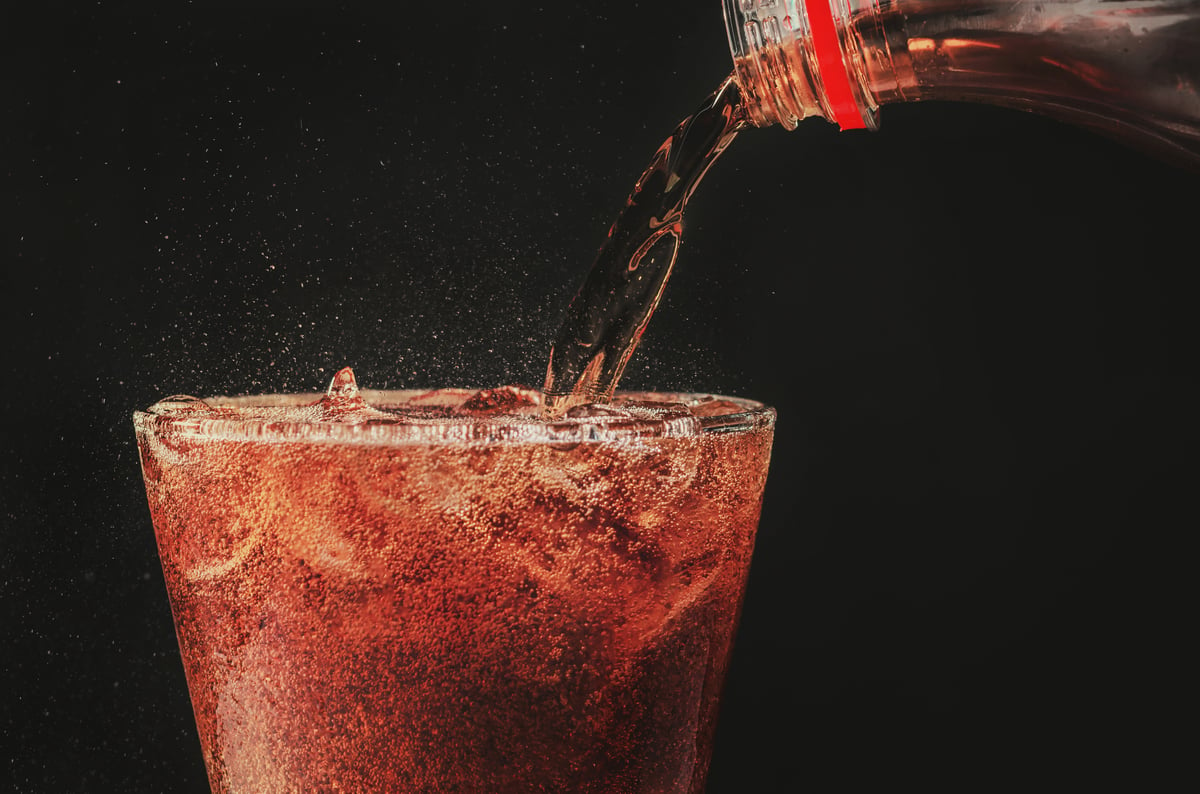
Coca-Cola Faces Rising Costs Amid Slowing Demand

- Cost Pressure: Coca-Cola is facing challenges with rising raw material and production costs as of April 17, 2026, which could squeeze profit margins and impact future profitability.
- Slowing Consumer Demand: The slowdown in consumer spending is reflected in Coca-Cola's decelerating sales growth, indicating a weakening demand for its products that may affect overall company performance.
- Stock Price Volatility: On April 17, 2026, Coca-Cola's stock price experienced fluctuations, raising investor concerns about the company's future earnings outlook, potentially leading to decreased market confidence.
- Need for Strategic Adjustment: In light of the dual pressures of rising costs and slowing demand, Coca-Cola may need to reassess its market strategy to maintain competitiveness and ensure long-term growth.
See More
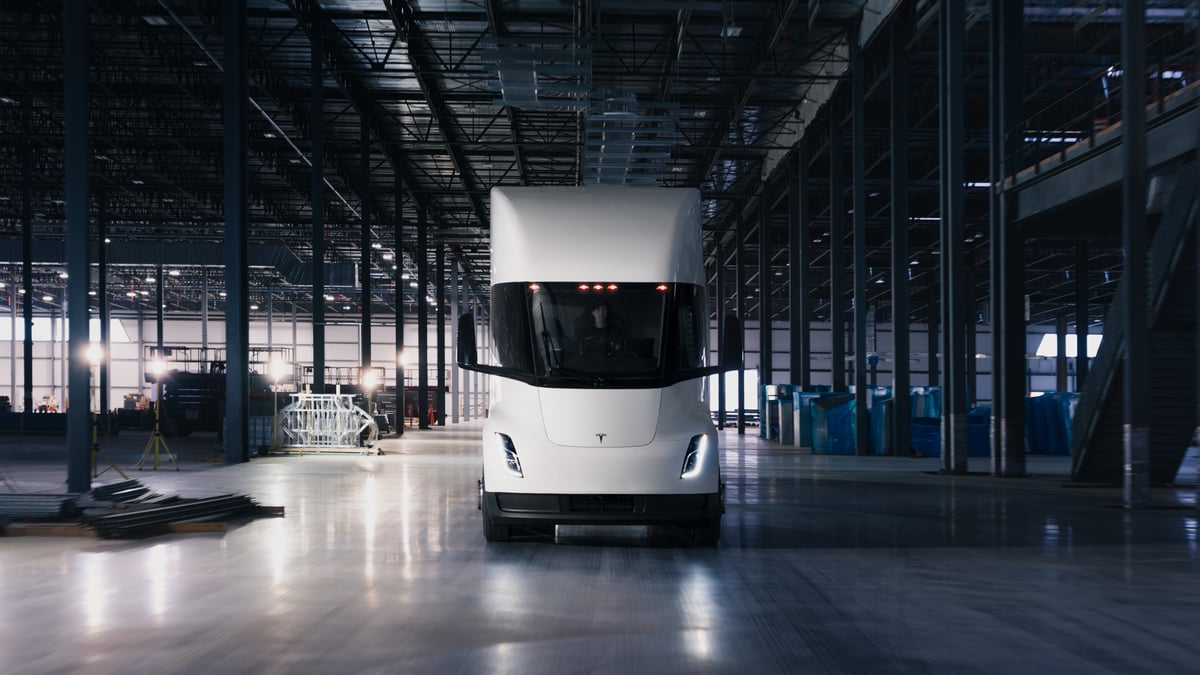
Tesla's Electric Truck Faces Competitive Pressure

- Intensifying Market Competition: Over the past 18 months, Tesla has faced fierce competition from rivals like BYD, which has surpassed Tesla in global EV sales, indicating a significant shift in market share dynamics.
- Electric Truck Delivery Comparison: Volvo has deployed over 5,000 fully electric trucks globally, logging over 100 million zero-emission miles during the same period as Tesla's partnership with Pepsi, which has only a few hundred trucks primarily in pilot programs.
- Production Capacity Outlook: Tesla plans to begin volume production of its electric trucks at its Nevada factory in the first half of 2026, with an annual capacity of approximately 50,000 units; however, investors should maintain realistic expectations regarding early market share.
- Product Potential Assessment: While Tesla's electric trucks have received positive reviews and are compelling for logistics fleets on simpler routes, the company must work hard to bolster investor confidence in the semi's potential amidst increasing market competition.
See More

Tesla's Electric Truck Market Outlook Analysis
- Intensifying Market Competition: Since Tesla's electric truck unveiling, Volvo has deployed over 5,000 full-electric semis globally, logging over 100 million zero-emission miles, highlighting its strong competitive position and increasing pressure on Tesla.
- Cautious Sales Expectations: Although Tesla plans to begin mass production in the first half of 2026 with an annual capacity of around 50,000 trucks, the entire Class 8 market totaled approximately 208,000 trucks last year, suggesting Tesla's initial market share may only be a few thousand units, necessitating investor caution.
- Product Potential to Uncover: Tesla's electric truck has received positive reviews in the logistics sector, and while currently operating mainly in pilot programs, its compelling application on simpler routes indicates strong market appeal, potentially attracting more customers in the future.
- Need for Strategic Adjustments: Tesla must make greater efforts to demonstrate the market performance of its electric truck to meet investor expectations regarding its potential, especially in light of competition from Volvo and others, necessitating the formulation of more effective market strategies to boost sales.
See More

Costco Stock Rises 17% Amid Competitive Consumer Goods Analysis
- Costco Stock Performance: In 2026, Costco's stock surged approximately 17%, reflecting investor preference for defensive consumer goods stocks, although its high valuation at 49 times earnings poses risks.
- Coca-Cola's Strength: Coca-Cola's stock is up 7% year-to-date, offering a stable sales outlook and a 2.8% dividend yield at a 23 times P/E ratio, with management forecasting 4% to 5% organic revenue growth for 2026, indicating further margin expansion.
- Dollar General's Resilient Growth: Dollar General has consistently achieved same-store sales growth over the past 36 years, trading at a 17 times P/E ratio in 2026, with a 1.90% dividend yield reflecting its strong competitive position in rural markets.
- TJX Companies' Expansion Potential: TJX operates over 5,200 stores globally, generating over $60 billion in annual sales, with same-store sales growth between 4% and 5%, showcasing resilience in the discount retail market and significant expansion potential.
See More

Analysis of Coca-Cola and Other Consumer Goods Companies
- Coca-Cola's Market Strength: Coca-Cola generates $48 billion in annual sales with an estimated 2.2 billion servings consumed daily, leveraging strong retail relationships and brand influence to drive sales growth, with a projected 4% to 5% organic revenue growth in 2026, suggesting further margin expansion.
- Dividend King Status: Coca-Cola has increased its dividend for 64 consecutive years, currently offering a 2.8% dividend yield supported by a 67% payout ratio, showcasing its stable cash flow and long-term investment value.
- Dollar General's Resilience: Dollar General has achieved consistent same-store sales growth over the past 36 years, with last year's sales reaching $42 billion and a same-store sales growth rate of 3%, demonstrating its strong competitive position in rural America.
- TJX Companies' Expansion Potential: TJX operates over 5,200 stores globally with annual sales exceeding $60 billion, maintaining a same-store sales growth rate of 4% to 5% despite economic challenges, with management targeting an expansion to over 7,000 stores, indicating robust growth potential.
See More
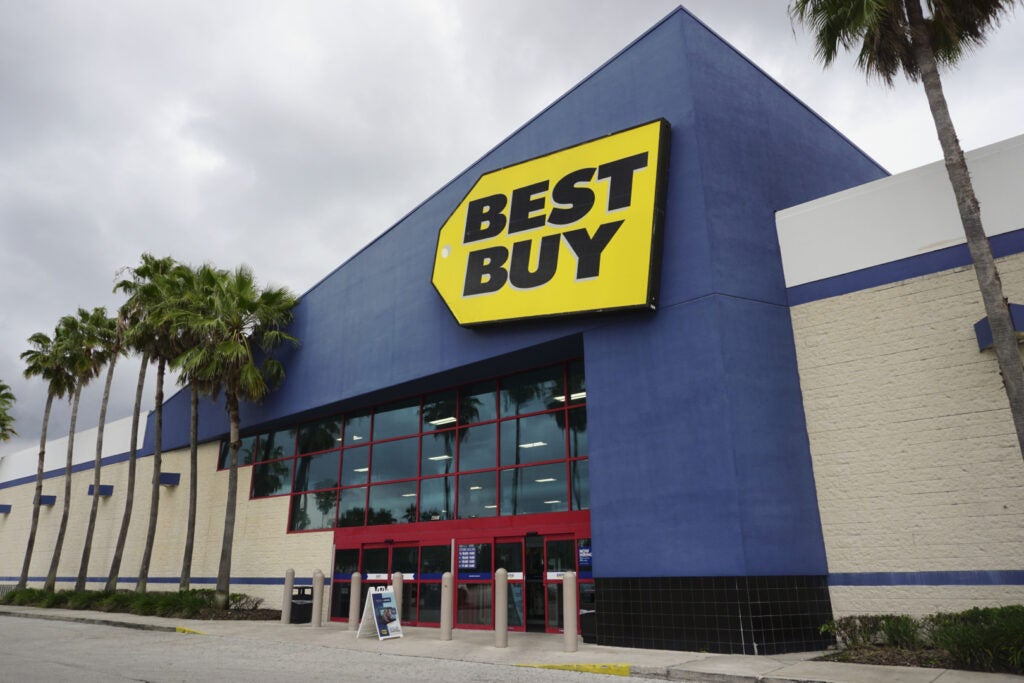
Best Buy Appoints New CEO to Revive Growth

- Leadership Change: Best Buy announced that Jason Bonfig will replace Corie Barry as CEO effective October 31, aiming to address the prolonged slowdown in consumer electronics demand amid inflation and rising interest rates affecting households.
- Strategic Advisor Role: Barry, who has served as CEO since 2019, will remain as a strategic advisor for six months post-resignation to ensure a smooth transition and provide support to Bonfig in his new role.
- Executive Turnover Trend: Best Buy's leadership change reflects a broader trend among consumer goods companies, including Coca-Cola, Procter & Gamble, and Walmart, which have also faced executive turnover due to shifting consumer environments and supply chain challenges stemming from geopolitical unrest.
- Stock Price Reaction: Following the announcement, Best Buy's shares rose approximately 2% in premarket trading, indicating market optimism regarding the new leadership and potential growth strategies.
See More
Coca-Cola Faces Rising Costs Amid Slowing Demand
- Cost Pressure: Coca-Cola is facing challenges with rising raw material and production costs as of April 17, 2026, which could squeeze profit margins and impact future profitability.
- Slowing Consumer Demand: The slowdown in consumer spending is reflected in Coca-Cola's decelerating sales growth, indicating a weakening demand for its products that may affect overall company performance.
- Stock Price Volatility: On April 17, 2026, Coca-Cola's stock price experienced fluctuations, raising investor concerns about the company's future earnings outlook, potentially leading to decreased market confidence.
- Need for Strategic Adjustment: In light of the dual pressures of rising costs and slowing demand, Coca-Cola may need to reassess its market strategy to maintain competitiveness and ensure long-term growth.
See More
Tesla's Electric Truck Faces Competitive Pressure
- Intensifying Market Competition: Over the past 18 months, Tesla has faced fierce competition from rivals like BYD, which has surpassed Tesla in global EV sales, indicating a significant shift in market share dynamics.
- Electric Truck Delivery Comparison: Volvo has deployed over 5,000 fully electric trucks globally, logging over 100 million zero-emission miles during the same period as Tesla's partnership with Pepsi, which has only a few hundred trucks primarily in pilot programs.
- Production Capacity Outlook: Tesla plans to begin volume production of its electric trucks at its Nevada factory in the first half of 2026, with an annual capacity of approximately 50,000 units; however, investors should maintain realistic expectations regarding early market share.
- Product Potential Assessment: While Tesla's electric trucks have received positive reviews and are compelling for logistics fleets on simpler routes, the company must work hard to bolster investor confidence in the semi's potential amidst increasing market competition.
See More
Tesla's Electric Truck Market Outlook Analysis
- Intensifying Market Competition: Since Tesla's electric truck unveiling, Volvo has deployed over 5,000 full-electric semis globally, logging over 100 million zero-emission miles, highlighting its strong competitive position and increasing pressure on Tesla.
- Cautious Sales Expectations: Although Tesla plans to begin mass production in the first half of 2026 with an annual capacity of around 50,000 trucks, the entire Class 8 market totaled approximately 208,000 trucks last year, suggesting Tesla's initial market share may only be a few thousand units, necessitating investor caution.
- Product Potential to Uncover: Tesla's electric truck has received positive reviews in the logistics sector, and while currently operating mainly in pilot programs, its compelling application on simpler routes indicates strong market appeal, potentially attracting more customers in the future.
- Need for Strategic Adjustments: Tesla must make greater efforts to demonstrate the market performance of its electric truck to meet investor expectations regarding its potential, especially in light of competition from Volvo and others, necessitating the formulation of more effective market strategies to boost sales.
See More
Costco Stock Rises 17% Amid Competitive Consumer Goods Analysis
- Costco Stock Performance: In 2026, Costco's stock surged approximately 17%, reflecting investor preference for defensive consumer goods stocks, although its high valuation at 49 times earnings poses risks.
- Coca-Cola's Strength: Coca-Cola's stock is up 7% year-to-date, offering a stable sales outlook and a 2.8% dividend yield at a 23 times P/E ratio, with management forecasting 4% to 5% organic revenue growth for 2026, indicating further margin expansion.
- Dollar General's Resilient Growth: Dollar General has consistently achieved same-store sales growth over the past 36 years, trading at a 17 times P/E ratio in 2026, with a 1.90% dividend yield reflecting its strong competitive position in rural markets.
- TJX Companies' Expansion Potential: TJX operates over 5,200 stores globally, generating over $60 billion in annual sales, with same-store sales growth between 4% and 5%, showcasing resilience in the discount retail market and significant expansion potential.
See More
Analysis of Coca-Cola and Other Consumer Goods Companies
- Coca-Cola's Market Strength: Coca-Cola generates $48 billion in annual sales with an estimated 2.2 billion servings consumed daily, leveraging strong retail relationships and brand influence to drive sales growth, with a projected 4% to 5% organic revenue growth in 2026, suggesting further margin expansion.
- Dividend King Status: Coca-Cola has increased its dividend for 64 consecutive years, currently offering a 2.8% dividend yield supported by a 67% payout ratio, showcasing its stable cash flow and long-term investment value.
- Dollar General's Resilience: Dollar General has achieved consistent same-store sales growth over the past 36 years, with last year's sales reaching $42 billion and a same-store sales growth rate of 3%, demonstrating its strong competitive position in rural America.
- TJX Companies' Expansion Potential: TJX operates over 5,200 stores globally with annual sales exceeding $60 billion, maintaining a same-store sales growth rate of 4% to 5% despite economic challenges, with management targeting an expansion to over 7,000 stores, indicating robust growth potential.
See More
Best Buy Appoints New CEO to Revive Growth
- Leadership Change: Best Buy announced that Jason Bonfig will replace Corie Barry as CEO effective October 31, aiming to address the prolonged slowdown in consumer electronics demand amid inflation and rising interest rates affecting households.
- Strategic Advisor Role: Barry, who has served as CEO since 2019, will remain as a strategic advisor for six months post-resignation to ensure a smooth transition and provide support to Bonfig in his new role.
- Executive Turnover Trend: Best Buy's leadership change reflects a broader trend among consumer goods companies, including Coca-Cola, Procter & Gamble, and Walmart, which have also faced executive turnover due to shifting consumer environments and supply chain challenges stemming from geopolitical unrest.
- Stock Price Reaction: Following the announcement, Best Buy's shares rose approximately 2% in premarket trading, indicating market optimism regarding the new leadership and potential growth strategies.
See More