Lionsgate and SoundHound Options Trading Activity Surges
Written by Emily J. Thompson, Senior Investment Analyst
Updated: Feb 27 2026
0mins


Should l Buy XOM?
Source: NASDAQ.COM
- Lionsgate Options Volume: Lionsgate Studios Corp (Ticker: LION) has seen an options volume of 11,351 contracts today, representing approximately 1.1 million underlying shares, which is about 48% of its average daily trading volume of 2.4 million shares over the past month.
- High Strike Option Activity: Notably, the $10 strike call option expiring on March 20, 2026, has recorded 2,604 contracts traded today, equating to around 260,400 underlying shares, indicating strong market interest in this stock.
- SoundHound Options Volume: SoundHound AI Inc (Ticker: SOUN) has reported an options volume of 129,617 contracts today, representing approximately 13.0 million underlying shares, which is about 47.9% of its average daily trading volume of 27.0 million shares over the past month.
- High Strike Option Activity: Particularly, the $9.50 strike call option expiring on February 27, 2026, has seen 18,230 contracts traded today, corresponding to approximately 1.8 million underlying shares, reflecting bullish sentiment among investors regarding this stock.
Trade with 70% Backtested Accuracy
Stop guessing "Should I Buy XOM?" and start using high-conviction signals backed by rigorous historical data.
Sign up today to access powerful investing tools and make smarter, data-driven decisions.
Analyst Views on XOM
Wall Street analysts forecast XOM stock price to fall
19 Analyst Rating
12 Buy
7 Hold
0 Sell
Moderate Buy
Current: 149.500

Low
114.00
Averages
132.17
High
158.00
Current: 149.500
Low
114.00
Averages
132.17
High
158.00
About XOM
Exxon Mobil Corporation is an energy provider and chemical manufacturer. The Company’s principal business involves exploration for, and production of, crude oil and natural gas; the manufacture, trade, transport and sale of crude oil, natural gas, petroleum products, petrochemicals and a wide variety of specialty products; and pursuit of lower-emission and other new business opportunities, including carbon capture and storage, hydrogen, lower-emission fuels, Proxxima systems, carbon materials, and lithium. Its Upstream segment explores for and produces crude oil and natural gas. The Energy Products, Chemical Products, and Specialty Products segments manufacture and sell petroleum products and petrochemicals. Energy Products segment includes fuels, aromatics, and catalysts and licensing. Chemical Products segment consists of olefins, polyolefins, and intermediates. Specialty Products segment includes finished lubricants, basestocks and waxes, synthetics, and elastomers and resins.
About the author

Emily J. Thompson
Emily J. Thompson, a Chartered Financial Analyst (CFA) with 12 years in investment research, graduated with honors from the Wharton School. Specializing in industrial and technology stocks, she provides in-depth analysis for Intellectia’s earnings and market brief reports.
First LNG Export Begins at Golden Pass Facility in Texas
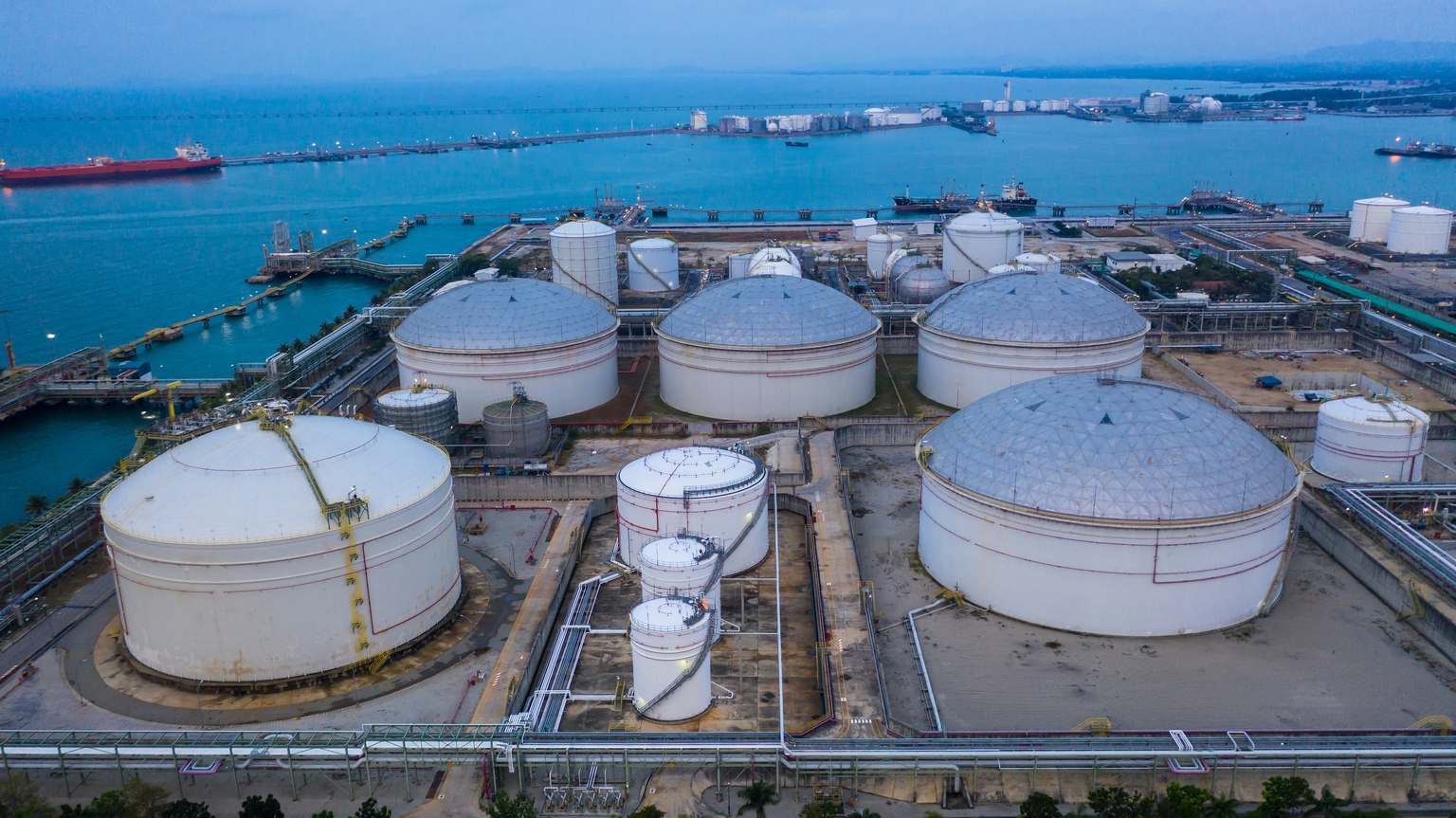
- First Export Launch: The Golden Pass facility in Texas welcomed its inaugural LNG export tanker, Al Qaiyyah, on Monday, marking the commencement of production after prolonged construction delays, which is expected to significantly enhance the U.S. competitiveness in the global LNG market.
- Ownership Structure: The project is owned 70% by QatarEnergy and 30% by Exxon Mobil, indicating a deep collaboration between these two energy giants in the LNG sector, which may drive future market expansion and technological innovation.
- Subsequent Shipment Plans: The Exxon Mobil-chartered LNG carrier, HL Sea Eagle, is heading to Golden Pass to load the second shipment, which not only demonstrates the gradual ramp-up of production capacity but also signals an increase in future export volumes.
- Capacity Potential: Golden Pass is expected to have an export capacity exceeding 18 million metric tons per year when fully operational, and despite facing multiple delays and cost overruns since its inception in 2019, its eventual launch will hold significant strategic implications for U.S. energy exports.
See More
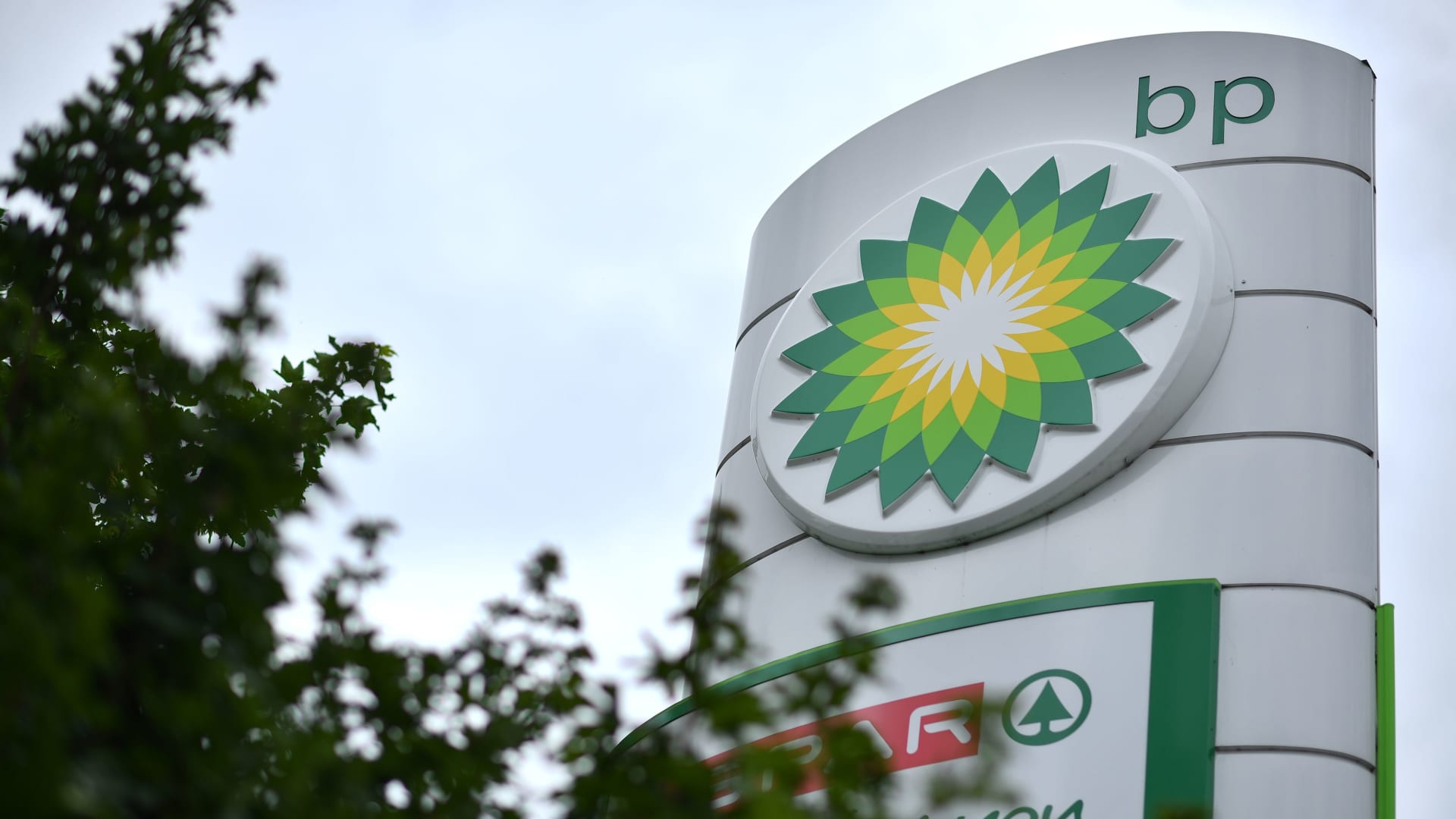
BP Faces Shareholder Revolt at AGM Over Governance and Climate Issues
- AGM Voting Results: At BP's annual general meeting, while 81.8% of shareholders supported the election of Albert Manifold as chair, the company failed to secure the 75% needed to pass two significant resolutions, reflecting shareholder dissatisfaction with governance and climate transparency.
- Proposals Blocked: The board's decision to block a proposal from Follow This, which sought to require BP to disclose plans for creating shareholder value amid declining oil and gas demand, raised eyebrows among investors, particularly given the recommendations against BP from proxy advisors like Glass Lewis and ISS.
- Investor Backlash: Nick Mazan from climate group ACCR remarked that the AGM results were unprecedented, indicating that investors are fed up with BP's lack of capital discipline and shareholder rights, and stressing that the new leadership must demonstrate the value of its planned upstream investments.
- Market Performance Comparison: In stark contrast to BP's struggles, shares of Woodside Energy have surged over 33% year-to-date, highlighting its success in capital management and shareholder returns, thereby increasing the pressure on BP to improve its performance.
See More
ISS Recommends ConocoPhillips Shareholders Support Independent Chair Proposal

- Independent Chair Proposal: Proxy advisor ISS recommends that ConocoPhillips shareholders vote in favor of a proposal for an independent board chair, emphasizing the need for stronger oversight to protect shareholder interests.
- Governance Structure Concerns: ISS highlights that the current board structure may hinder investors from providing candid feedback to independent directors regarding sensitive issues such as CEO performance and succession planning, potentially affecting governance effectiveness.
- Underperformance Issues: The advisor notes that ConocoPhillips' total shareholder returns have lagged behind the S&P 500 over the past three years, underscoring the necessity for an independent chair proposal to address performance shortcomings.
- Company's Response: A ConocoPhillips spokesperson stated that the board believes maintaining the combined role of chairman and CEO along with an independent lead director is in the best interests of shareholders, indicating the company's commitment to its existing governance structure.
See More
Exxon Mobil Explores Sale of Hong Kong Gas Stations
- Sale Consideration: Exxon Mobil is exploring the sale of its 39 Esso-branded gas stations in Hong Kong, with potential proceeds estimated between $500 million and $600 million, as part of its global strategy to streamline retail operations.
- Market Pressures: This potential sale comes amid uncertainty in the retail fuel sector, particularly following the outbreak of war in the Middle East, which has intensified volatility in crude oil markets and impacted gas station operations.
- High Fuel Prices: Gasoline prices in Hong Kong are among the highest globally, averaging over $15 per gallon, while the local government is promoting a shift to electric vehicles, further complicating the outlook for traditional gas stations.
- Global Strategic Shift: Exxon Mobil is implementing a global asset streamlining strategy and has appointed advisors to manage the sale of retail operations in various markets, including France, New Zealand, and Hong Kong, demonstrating its adaptability to changing market conditions.
See More

Trump Extends Ceasefire Agreement with Iran, Impacting Oil Market
- Ceasefire Extension: President Trump unexpectedly announced the extension of the ceasefire with Iran just before its expiration, despite earlier threats to resume bombing, providing the fractured Iranian government time to submit a unified proposal, which may increase uncertainty in the oil market.
- Strait of Hormuz Closure Impact: Although Iran's foreign minister announced the reopening of the Strait of Hormuz for commercial traffic, actual passage remains blocked due to U.S. Navy actions, resulting in a cumulative loss of 500 million barrels of oil supply worth approximately $50 billion since the war began, severely impacting the global oil and gas supply chain.
- Rising Oil Prices: Following the ceasefire extension, Brent crude oil prices rose by 3% to over $101 per barrel, while WTI prices increased by more than 2% to $92 per barrel, intensifying market expectations for prolonged high oil prices, prompting investors to reassess their exposure to oil-sensitive stocks.
- Investment Strategy Adjustment: Given the likelihood of sustained high oil prices, investors should consider reducing allocations to high oil price-sensitive stocks like airlines, while also exploring investment opportunities in oil producers such as ExxonMobil (XOM) to capitalize on potential price increases.
See More

Occidental Petroleum Stock Surge Driven by Oil Prices and Debt Reduction
- Stock Surge Reasons: Occidental Petroleum (Oxy) has seen its stock rise approximately 38% this year, with a 22% increase in March, primarily driven by a 76% surge in WTI crude oil prices to about $100 per barrel, exceeding its breakeven price of around $60, thereby boosting market confidence.
- Debt Reduction Measures: In January, Oxy sold its chemical business, OxyChem, to its major investor Berkshire Hathaway for $9.7 billion, using $5.8 billion of the proceeds to reduce its debt to approximately $15 billion, significantly improving its financial position.
- Future Growth Expectations: Analysts forecast a 23% increase in Oxy's revenue and a 164% rise in EPS for 2026, which would end its three-year streak of declining revenues and earnings, assuming the Middle East conflict continues and oil prices remain high.
- Market Competition Analysis: Although Oxy's P/E ratio stands at 13 times, lower than Chevron and ExxonMobil's 16 and 14 times respectively, its lower dividend yield of 1.9% poses higher risks if oil prices decline, leading investors to prefer more stable large oil companies.
See More
First LNG Export Begins at Golden Pass Facility in Texas
- First Export Launch: The Golden Pass facility in Texas welcomed its inaugural LNG export tanker, Al Qaiyyah, on Monday, marking the commencement of production after prolonged construction delays, which is expected to significantly enhance the U.S. competitiveness in the global LNG market.
- Ownership Structure: The project is owned 70% by QatarEnergy and 30% by Exxon Mobil, indicating a deep collaboration between these two energy giants in the LNG sector, which may drive future market expansion and technological innovation.
- Subsequent Shipment Plans: The Exxon Mobil-chartered LNG carrier, HL Sea Eagle, is heading to Golden Pass to load the second shipment, which not only demonstrates the gradual ramp-up of production capacity but also signals an increase in future export volumes.
- Capacity Potential: Golden Pass is expected to have an export capacity exceeding 18 million metric tons per year when fully operational, and despite facing multiple delays and cost overruns since its inception in 2019, its eventual launch will hold significant strategic implications for U.S. energy exports.
See More
BP Faces Shareholder Revolt at AGM Over Governance and Climate Issues
- AGM Voting Results: At BP's annual general meeting, while 81.8% of shareholders supported the election of Albert Manifold as chair, the company failed to secure the 75% needed to pass two significant resolutions, reflecting shareholder dissatisfaction with governance and climate transparency.
- Proposals Blocked: The board's decision to block a proposal from Follow This, which sought to require BP to disclose plans for creating shareholder value amid declining oil and gas demand, raised eyebrows among investors, particularly given the recommendations against BP from proxy advisors like Glass Lewis and ISS.
- Investor Backlash: Nick Mazan from climate group ACCR remarked that the AGM results were unprecedented, indicating that investors are fed up with BP's lack of capital discipline and shareholder rights, and stressing that the new leadership must demonstrate the value of its planned upstream investments.
- Market Performance Comparison: In stark contrast to BP's struggles, shares of Woodside Energy have surged over 33% year-to-date, highlighting its success in capital management and shareholder returns, thereby increasing the pressure on BP to improve its performance.
See More
ISS Recommends ConocoPhillips Shareholders Support Independent Chair Proposal
- Independent Chair Proposal: Proxy advisor ISS recommends that ConocoPhillips shareholders vote in favor of a proposal for an independent board chair, emphasizing the need for stronger oversight to protect shareholder interests.
- Governance Structure Concerns: ISS highlights that the current board structure may hinder investors from providing candid feedback to independent directors regarding sensitive issues such as CEO performance and succession planning, potentially affecting governance effectiveness.
- Underperformance Issues: The advisor notes that ConocoPhillips' total shareholder returns have lagged behind the S&P 500 over the past three years, underscoring the necessity for an independent chair proposal to address performance shortcomings.
- Company's Response: A ConocoPhillips spokesperson stated that the board believes maintaining the combined role of chairman and CEO along with an independent lead director is in the best interests of shareholders, indicating the company's commitment to its existing governance structure.
See More
Exxon Mobil Explores Sale of Hong Kong Gas Stations
- Sale Consideration: Exxon Mobil is exploring the sale of its 39 Esso-branded gas stations in Hong Kong, with potential proceeds estimated between $500 million and $600 million, as part of its global strategy to streamline retail operations.
- Market Pressures: This potential sale comes amid uncertainty in the retail fuel sector, particularly following the outbreak of war in the Middle East, which has intensified volatility in crude oil markets and impacted gas station operations.
- High Fuel Prices: Gasoline prices in Hong Kong are among the highest globally, averaging over $15 per gallon, while the local government is promoting a shift to electric vehicles, further complicating the outlook for traditional gas stations.
- Global Strategic Shift: Exxon Mobil is implementing a global asset streamlining strategy and has appointed advisors to manage the sale of retail operations in various markets, including France, New Zealand, and Hong Kong, demonstrating its adaptability to changing market conditions.
See More
Trump Extends Ceasefire Agreement with Iran, Impacting Oil Market
- Ceasefire Extension: President Trump unexpectedly announced the extension of the ceasefire with Iran just before its expiration, despite earlier threats to resume bombing, providing the fractured Iranian government time to submit a unified proposal, which may increase uncertainty in the oil market.
- Strait of Hormuz Closure Impact: Although Iran's foreign minister announced the reopening of the Strait of Hormuz for commercial traffic, actual passage remains blocked due to U.S. Navy actions, resulting in a cumulative loss of 500 million barrels of oil supply worth approximately $50 billion since the war began, severely impacting the global oil and gas supply chain.
- Rising Oil Prices: Following the ceasefire extension, Brent crude oil prices rose by 3% to over $101 per barrel, while WTI prices increased by more than 2% to $92 per barrel, intensifying market expectations for prolonged high oil prices, prompting investors to reassess their exposure to oil-sensitive stocks.
- Investment Strategy Adjustment: Given the likelihood of sustained high oil prices, investors should consider reducing allocations to high oil price-sensitive stocks like airlines, while also exploring investment opportunities in oil producers such as ExxonMobil (XOM) to capitalize on potential price increases.
See More
Occidental Petroleum Stock Surge Driven by Oil Prices and Debt Reduction
- Stock Surge Reasons: Occidental Petroleum (Oxy) has seen its stock rise approximately 38% this year, with a 22% increase in March, primarily driven by a 76% surge in WTI crude oil prices to about $100 per barrel, exceeding its breakeven price of around $60, thereby boosting market confidence.
- Debt Reduction Measures: In January, Oxy sold its chemical business, OxyChem, to its major investor Berkshire Hathaway for $9.7 billion, using $5.8 billion of the proceeds to reduce its debt to approximately $15 billion, significantly improving its financial position.
- Future Growth Expectations: Analysts forecast a 23% increase in Oxy's revenue and a 164% rise in EPS for 2026, which would end its three-year streak of declining revenues and earnings, assuming the Middle East conflict continues and oil prices remain high.
- Market Competition Analysis: Although Oxy's P/E ratio stands at 13 times, lower than Chevron and ExxonMobil's 16 and 14 times respectively, its lower dividend yield of 1.9% poses higher risks if oil prices decline, leading investors to prefer more stable large oil companies.
See More