Larry Ellison Once Dismissed Cloud as 'Complete Gibberish'—Now He's Developing It for Elon Musk
Written by Emily J. Thompson, Senior Investment Analyst
Updated: Sep 07 2025
0mins
Should l Buy ORCL?
Source: Benzinga
Larry Ellison's Initial Dismissal of Cloud Computing: In 2008, Oracle's co-founder Larry Ellison criticized cloud computing as "complete gibberish," expressing skepticism about its value and the idea of entrusting critical operations to remote servers.
Transformation into a Cloud Leader: Over the years, Ellison has shifted his stance, leading Oracle's significant transition into cloud services, making the company a key player in the cloud-driven economy and a major provider of resources for AI projects.
Trade with 70% Backtested Accuracy
Stop guessing "Should I Buy ORCL?" and start using high-conviction signals backed by rigorous historical data.
Sign up today to access powerful investing tools and make smarter, data-driven decisions.
Analyst Views on ORCL
Wall Street analysts forecast ORCL stock price to rise
34 Analyst Rating
25 Buy
9 Hold
0 Sell
Moderate Buy
Current: 195.610

Low
180.00
Averages
309.59
High
400.00
Current: 195.610
Low
180.00
Averages
309.59
High
400.00
About ORCL
Oracle Corporation offers integrated suites of applications plus secure, autonomous infrastructure in the Oracle Cloud. The Company operates through three businesses: cloud and license, hardware and service. Its cloud and license business is engaged in the sale, marketing and delivery of its enterprise applications and infrastructure technologies through cloud and on-premise deployment models including its cloud services and license support offerings, and its cloud license and on-premise license offerings. Its hardware business provides infrastructure technologies including Oracle Engineered Systems, servers, storage, industry-specific hardware, operating systems, virtualization, management and other hardware-related software to support diverse IT environments. Its services business provides services to customers and partners to help maximize the performance of their investments in Oracle applications and infrastructure technologies.
About the author

Emily J. Thompson
Emily J. Thompson, a Chartered Financial Analyst (CFA) with 12 years in investment research, graduated with honors from the Wharton School. Specializing in industrial and technology stocks, she provides in-depth analysis for Intellectia’s earnings and market brief reports.

Corvex Management Increases Stake in CoStar and Lionsgate

- New Investment Moves: Corvex Management initiated positions in CoStar Group (CSGP) and Lionsgate Studios (LION) during Q1 2026, acquiring 850,000 and 1.62 million shares respectively, indicating strong confidence that could enhance their market performance.
- ETF Acquisition: The fund also purchased 5,000 shares of iShares Russell 2000 ETF (IWM), reflecting a bullish outlook on the small-cap market and potential to capitalize on market fluctuations.
- Exit Strategy: On the divestment side, Corvex exited its stake in Oracle (ORCL) by selling 403,000 shares and also reduced its position in Algonquin Power & Utilities (AQN), suggesting a cautious stance that may impact short-term stock performance.
- Increased Stake in Disney: Additionally, Corvex increased its holdings in Disney (DIS) from 1.94 million to 2.16 million shares, demonstrating confidence in the company's long-term growth potential, which could yield greater returns in future markets.
See More

Cerebras IPO Surges, Nears $100 Billion Market Cap


- Strong IPO Performance: Cerebras closed its first day of trading with a market cap nearing $100 billion, marking it as one of the largest IPOs in tech history and signaling robust market demand for AI chips.
- Chip Technology Innovation: The WSE-3 chip from Cerebras is 57 times larger than traditional GPUs and contains 50 times the number of transistors, providing a competitive edge in AI applications despite using a less advanced 5-nanometer process.
- Robust Market Demand: The CFO of Cerebras noted that the overwhelming demand for their fast inference products has led to supply challenges, with expectations of tight capacity until 2027, highlighting the immense potential of the AI chip market.
- Intensifying Industry Competition: The successful IPO of Cerebras paves the way for other custom ASIC startups, particularly as demand for AI chips surges, with competitors like Groq and SambaNova actively vying for market share.
See More
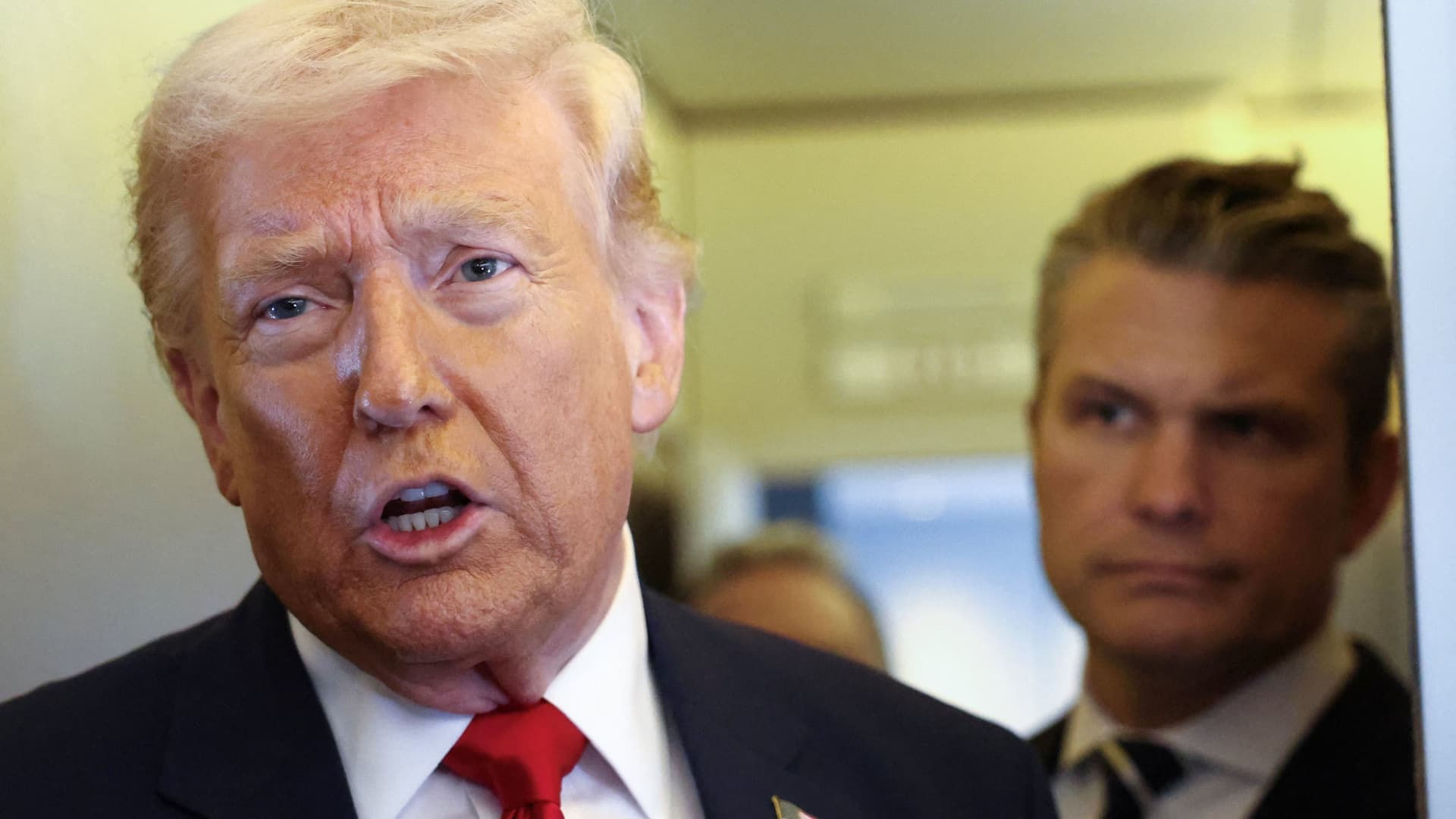
Trump Makes Significant Investments in Palantir Stock

- Significant Investment: Trump purchased between $247,008 and $630,000 worth of Palantir stock in Q1 2026, indicating strong confidence in the company's potential, particularly in the AI sector.
- Frequent Transactions: In March alone, Trump executed at least seven trades totaling up to $530,000 in Palantir shares, suggesting an active strategy to capitalize on short-term price fluctuations amid market volatility.
- Market Reaction: Trump's praise for Palantir coincided with the stock's worst week in over a year, reflecting investor concerns about its future prospects; his endorsement may help bolster investor confidence in the company.
- Diversified Investments: In addition to Palantir, Trump also invested in Nvidia, ServiceNow, and other tech firms during the same period, demonstrating a broad interest in AI and software, potentially aiming to mitigate risks and seize growth opportunities across the sector.
See More

Trump Invests in Palantir Before Public Praise on Truth Social

- Investment Activity: In the first quarter of 2026, Trump purchased between $247,008 and $630,000 worth of Palantir shares, making at least seven transactions in March totaling up to $530,000, indicating strong confidence in the company.
- Market Reaction: Trump's public praise for Palantir on Truth Social coincided with the stock experiencing its worst week in over a year, reflecting market concerns about its future performance, particularly amid the backdrop of the Iran war.
- Transaction Transparency: Trump's investments are managed independently by third-party financial institutions, with all trades executed automatically, indicating he has no direct involvement in specific investment decisions, aimed at eliminating potential conflicts of interest.
- Technological Support: Palantir's applications in defense technology have garnered Trump's favor, especially regarding modernization military needs, highlighting its strategic importance in government contracts and the defense market.
See More

Cerebras' Successful IPO Signals Surge in AI Chip Demand

- Strong IPO Performance: Cerebras closed its first trading day on Wall Street with a market cap nearing $100 billion, marking it as one of the largest IPOs in tech history, reflecting the robust demand for AI chips amid Nvidia's GPU shortages.
- Chip Innovation Advantage: The WSE-3 chip from Cerebras is the size of a dinner plate and boasts 50 times the number of transistors compared to the largest GPU, enabling it to process more information in less time, highlighting its technological leadership in the custom ASIC market.
- Intensifying Market Competition: With Cerebras' successful IPO, other custom ASIC startups like SambaNova and Rebellions are also gearing up for public offerings, indicating a rapidly intensifying competition in the AI chip market and a sustained demand for high-performance chips.
- Cloud Service Expansion: Cerebras primarily operates its chips within its own data centers and has signed a $20 billion cloud service agreement with OpenAI, facing a supply-demand imbalance expected to persist until 2027, further solidifying its market position in cloud computing.
See More
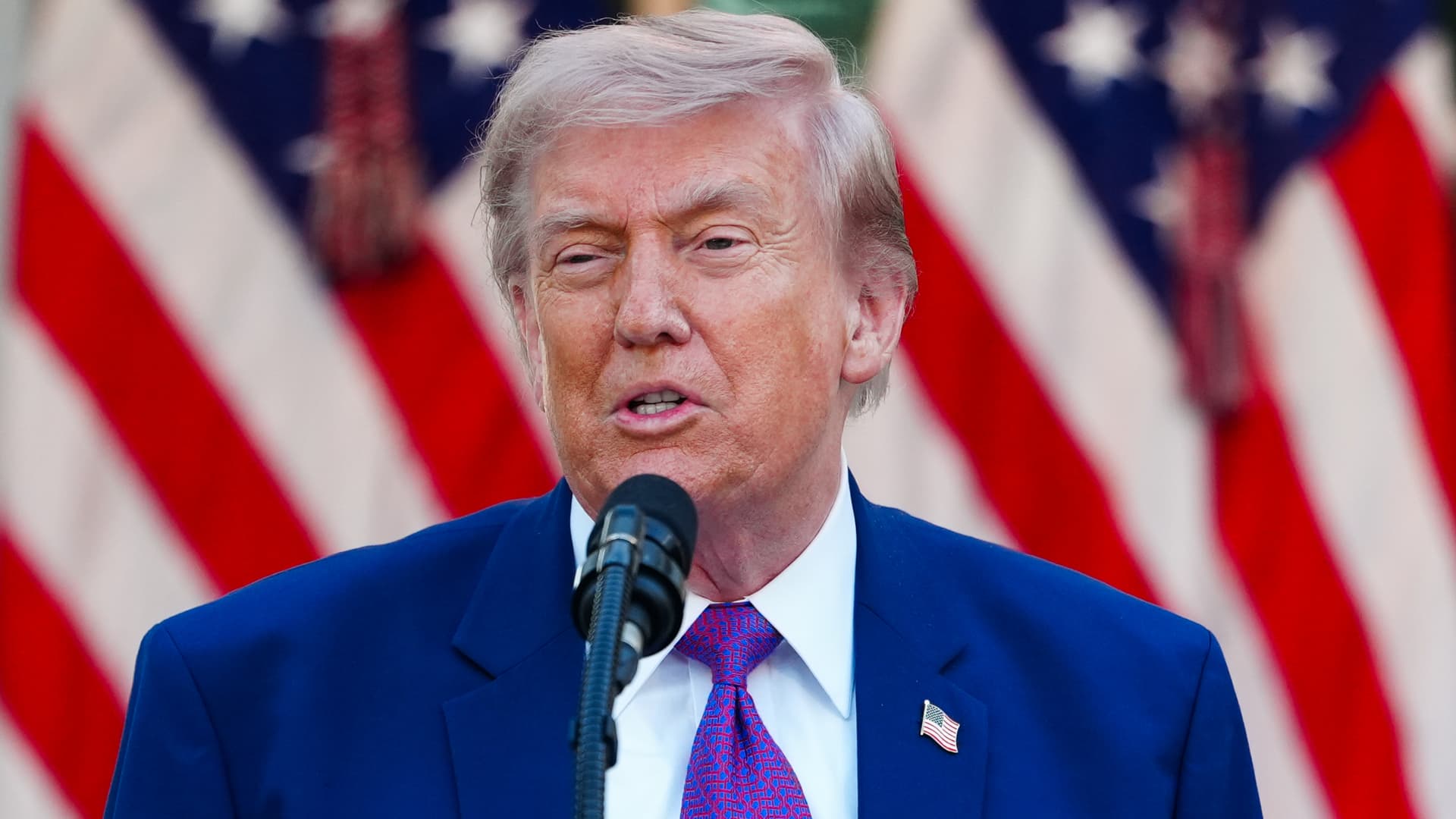
Trump Discloses Millions in Stock Transactions

- High Volume of Transactions: Trump's financial disclosures for Q1 2026 reveal over 3,700 transactions valued between $220 million and $750 million, indicating his active engagement in financial markets and preference for tech stocks.
- Focus on Tech Stocks: The majority of Trump's purchases and sales were concentrated in the tech sector, including companies like Nvidia, Microsoft, Amazon, and Meta, reflecting his strategic investment approach and confidence in technology.
- Timing of Transactions: Some of Trump's trades coincided with significant news from the companies involved, such as his Nvidia stock purchase preceding a major chip deal announcement with Meta, suggesting a keen awareness of market movements.
- Trust Management of Assets: A White House spokesperson stated that Trump's assets are managed by a trust overseen by his children, asserting no conflicts of interest, although presidents are permitted to hold and trade stocks while in office, they must report such transactions.
See More
Corvex Management Increases Stake in CoStar and Lionsgate
- New Investment Moves: Corvex Management initiated positions in CoStar Group (CSGP) and Lionsgate Studios (LION) during Q1 2026, acquiring 850,000 and 1.62 million shares respectively, indicating strong confidence that could enhance their market performance.
- ETF Acquisition: The fund also purchased 5,000 shares of iShares Russell 2000 ETF (IWM), reflecting a bullish outlook on the small-cap market and potential to capitalize on market fluctuations.
- Exit Strategy: On the divestment side, Corvex exited its stake in Oracle (ORCL) by selling 403,000 shares and also reduced its position in Algonquin Power & Utilities (AQN), suggesting a cautious stance that may impact short-term stock performance.
- Increased Stake in Disney: Additionally, Corvex increased its holdings in Disney (DIS) from 1.94 million to 2.16 million shares, demonstrating confidence in the company's long-term growth potential, which could yield greater returns in future markets.
See More
Cerebras IPO Surges, Nears $100 Billion Market Cap
- Strong IPO Performance: Cerebras closed its first day of trading with a market cap nearing $100 billion, marking it as one of the largest IPOs in tech history and signaling robust market demand for AI chips.
- Chip Technology Innovation: The WSE-3 chip from Cerebras is 57 times larger than traditional GPUs and contains 50 times the number of transistors, providing a competitive edge in AI applications despite using a less advanced 5-nanometer process.
- Robust Market Demand: The CFO of Cerebras noted that the overwhelming demand for their fast inference products has led to supply challenges, with expectations of tight capacity until 2027, highlighting the immense potential of the AI chip market.
- Intensifying Industry Competition: The successful IPO of Cerebras paves the way for other custom ASIC startups, particularly as demand for AI chips surges, with competitors like Groq and SambaNova actively vying for market share.
See More
Trump Makes Significant Investments in Palantir Stock
- Significant Investment: Trump purchased between $247,008 and $630,000 worth of Palantir stock in Q1 2026, indicating strong confidence in the company's potential, particularly in the AI sector.
- Frequent Transactions: In March alone, Trump executed at least seven trades totaling up to $530,000 in Palantir shares, suggesting an active strategy to capitalize on short-term price fluctuations amid market volatility.
- Market Reaction: Trump's praise for Palantir coincided with the stock's worst week in over a year, reflecting investor concerns about its future prospects; his endorsement may help bolster investor confidence in the company.
- Diversified Investments: In addition to Palantir, Trump also invested in Nvidia, ServiceNow, and other tech firms during the same period, demonstrating a broad interest in AI and software, potentially aiming to mitigate risks and seize growth opportunities across the sector.
See More
Trump Invests in Palantir Before Public Praise on Truth Social
- Investment Activity: In the first quarter of 2026, Trump purchased between $247,008 and $630,000 worth of Palantir shares, making at least seven transactions in March totaling up to $530,000, indicating strong confidence in the company.
- Market Reaction: Trump's public praise for Palantir on Truth Social coincided with the stock experiencing its worst week in over a year, reflecting market concerns about its future performance, particularly amid the backdrop of the Iran war.
- Transaction Transparency: Trump's investments are managed independently by third-party financial institutions, with all trades executed automatically, indicating he has no direct involvement in specific investment decisions, aimed at eliminating potential conflicts of interest.
- Technological Support: Palantir's applications in defense technology have garnered Trump's favor, especially regarding modernization military needs, highlighting its strategic importance in government contracts and the defense market.
See More
Cerebras' Successful IPO Signals Surge in AI Chip Demand
- Strong IPO Performance: Cerebras closed its first trading day on Wall Street with a market cap nearing $100 billion, marking it as one of the largest IPOs in tech history, reflecting the robust demand for AI chips amid Nvidia's GPU shortages.
- Chip Innovation Advantage: The WSE-3 chip from Cerebras is the size of a dinner plate and boasts 50 times the number of transistors compared to the largest GPU, enabling it to process more information in less time, highlighting its technological leadership in the custom ASIC market.
- Intensifying Market Competition: With Cerebras' successful IPO, other custom ASIC startups like SambaNova and Rebellions are also gearing up for public offerings, indicating a rapidly intensifying competition in the AI chip market and a sustained demand for high-performance chips.
- Cloud Service Expansion: Cerebras primarily operates its chips within its own data centers and has signed a $20 billion cloud service agreement with OpenAI, facing a supply-demand imbalance expected to persist until 2027, further solidifying its market position in cloud computing.
See More
Trump Discloses Millions in Stock Transactions
- High Volume of Transactions: Trump's financial disclosures for Q1 2026 reveal over 3,700 transactions valued between $220 million and $750 million, indicating his active engagement in financial markets and preference for tech stocks.
- Focus on Tech Stocks: The majority of Trump's purchases and sales were concentrated in the tech sector, including companies like Nvidia, Microsoft, Amazon, and Meta, reflecting his strategic investment approach and confidence in technology.
- Timing of Transactions: Some of Trump's trades coincided with significant news from the companies involved, such as his Nvidia stock purchase preceding a major chip deal announcement with Meta, suggesting a keen awareness of market movements.
- Trust Management of Assets: A White House spokesperson stated that Trump's assets are managed by a trust overseen by his children, asserting no conflicts of interest, although presidents are permitted to hold and trade stocks while in office, they must report such transactions.
See More