Kinsale Capital Group's Stock Underperformance Analysis
Written by Emily J. Thompson, Senior Investment Analyst
Updated: 6 days ago
0mins
Should l Buy KNSL?
Source: Fool
- Competitive Headwinds: Kinsale Capital Group has been facing significant competitive pressures recently, resulting in sluggish growth and poor stock performance, which reflects the challenges and uncertainties within the industry.
- Long-Term Holding Confidence: Despite the short-term stock decline, analysts remain optimistic about the company's long-term potential, suggesting that holding shares is a reasonable investment strategy, especially as the market recovers.
- Market Reaction Analysis: As of the morning prices on March 11, 2026, Kinsale's stock saw a modest increase of 0.22%, indicating a lack of investor confidence in the company's future growth, which could impact its financing capabilities.
- Video Analysis Release: The video, published on March 14, 2026, provides an in-depth analysis of Kinsale Capital Group's stock performance, aiming to help investors understand the current market dynamics and the company's outlook.
Trade with 70% Backtested Accuracy
Stop guessing "Should I Buy KNSL?" and start using high-conviction signals backed by rigorous historical data.
Sign up today to access powerful investing tools and make smarter, data-driven decisions.
Analyst Views on KNSL
Wall Street analysts forecast KNSL stock price to rise
11 Analyst Rating
3 Buy
8 Hold
0 Sell
Moderate Buy
Current: 348.300

Low
415.00
Averages
465.89
High
510.00
Current: 348.300
Low
415.00
Averages
465.89
High
510.00
About KNSL
Kinsale Capital Group, Inc. is a specialty insurance company that focuses on the excess and surplus lines (E&S) market in the United States. It writes E&S insurance on a non-admitted basis through its insurance subsidiary, Kinsale Insurance Company, which is authorized to write business in 50 states, the District of Columbia, the Commonwealth of Puerto Rico, and the United States Virgin Islands. It also markets certain products through its subsidiary, Aspera Insurance Services, Inc., an insurance broker. Its core client focus is small- to medium-sized accounts. Its commercial lines offerings include commercial property, excess casualty, small business casualty, construction, general casualty, allied health, products liability, small business casualty, general casualty, construction, allied health, small business property, products liability, entertainment, energy, and all other commercial lines. Its personal lines offerings include high value homeowners and personal insurance.
About the author

Emily J. Thompson
Emily J. Thompson, a Chartered Financial Analyst (CFA) with 12 years in investment research, graduated with honors from the Wharton School. Specializing in industrial and technology stocks, she provides in-depth analysis for Intellectia’s earnings and market brief reports.

Global Markets Decline Amid Inflation Concerns


- Market Decline: On Thursday, the S&P 500 fell by 0.27%, the Dow Jones Industrial Average by 0.44%, and the Nasdaq 100 by 0.29%, indicating a broad market decline driven by inflation concerns and investor pessimism.
- Energy Price Volatility: Crude oil prices experienced significant fluctuations as WTI initially rallied before retreating after Israel's assistance to the US in opening the Strait of Hormuz, highlighting the direct impact of geopolitical tensions on energy markets.
- Rising Bond Yields: The 10-year German Bund yield rose to a 2.25-year high of 3.01%, while the 10-year US Treasury yield reached a 6.75-month high of 4.32%, reflecting market expectations of potential tightening monetary policies by central banks, which could increase borrowing costs.
- Economic Data Impact: US weekly initial jobless claims unexpectedly fell to 205,000, indicating a strong labor market, while the Philadelphia Fed business outlook survey unexpectedly rose to a 6-month high of 18.1, further intensifying market concerns over potential interest rate hikes.
See More
Global Markets Decline Amid Inflation Concerns

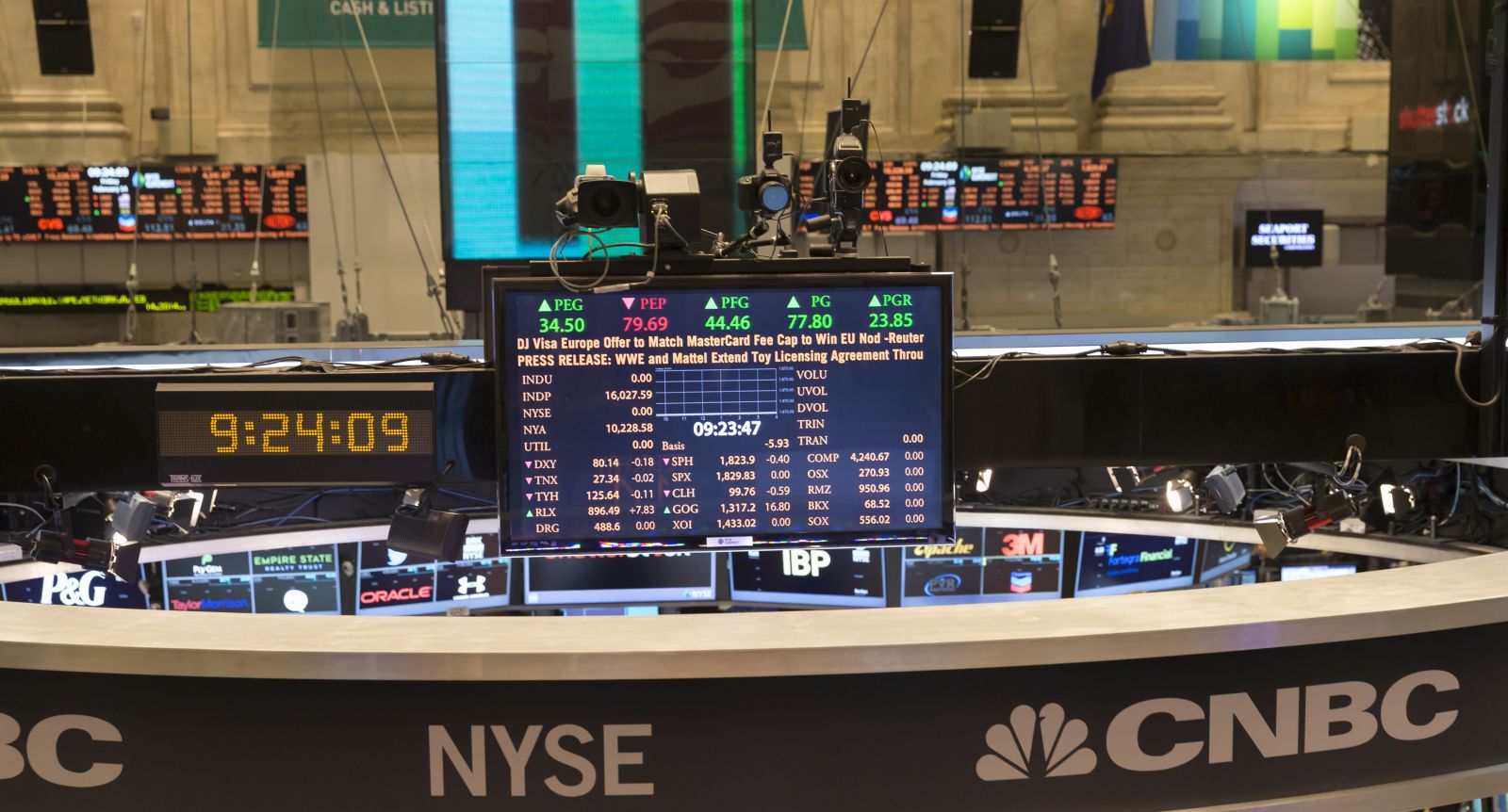
- Market Decline: The S&P 500 index fell by 0.43%, the Dow Jones Industrial Average by 0.59%, and the Nasdaq 100 by 0.44%, indicating a broad sell-off in global equities driven by inflation concerns and investor pessimism.
- Rising Bond Yields: Hawkish comments from the BOE, ECB, and BOJ pushed global bond yields higher, with the 10-year German Bund yield reaching a 2.25-year high of 3.01%, which will increase borrowing costs and impact corporate financing.
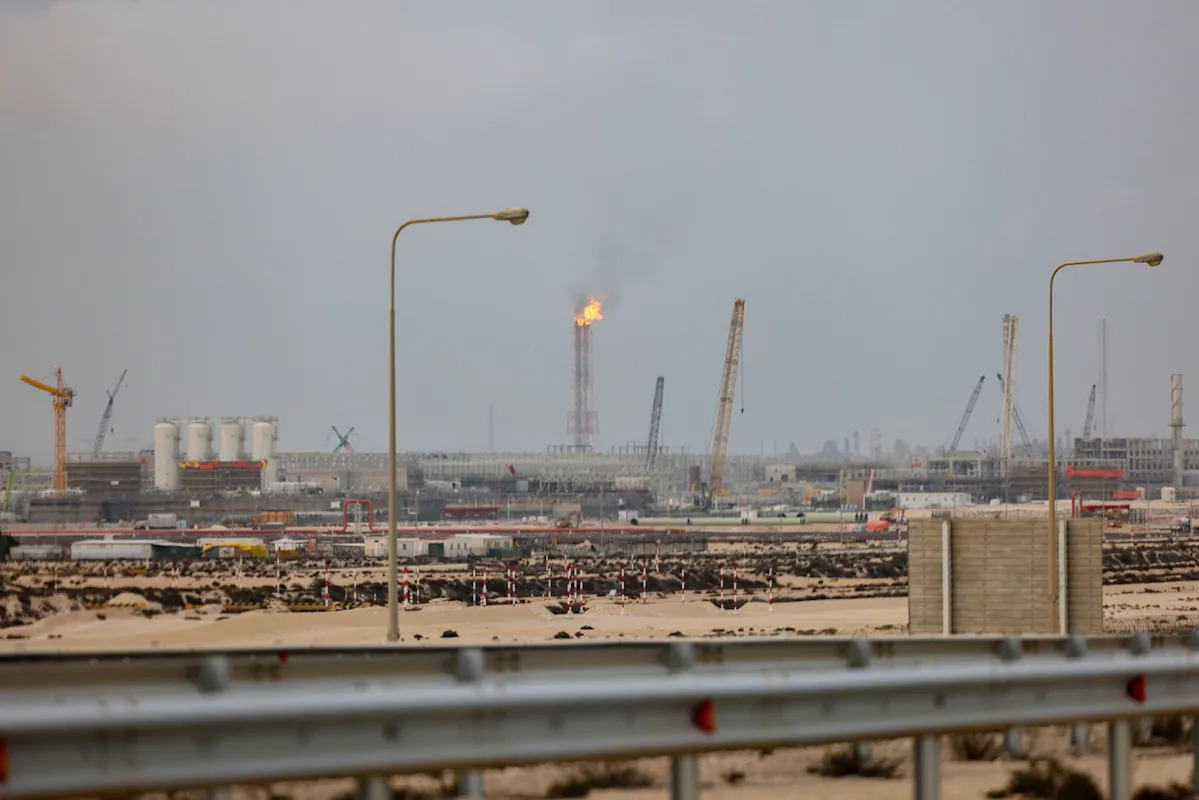
- Surging Energy Prices: European natural gas prices surged over 12% to a three-year high due to escalating conflict in Iran, with Qatar reporting a 17% damage to its LNG export capacity, raising inflation risks and potentially disrupting global energy supplies.
- Strong US Economic Data: Despite initial jobless claims unexpectedly falling to 205,000, indicating a robust labor market, January new home sales plummeted 17.6% to 587,000, below expectations, reflecting weakness in the housing market that may affect future economic growth.
See More

US Stocks Decline Amid Surge in Energy Prices


- Market Decline: The S&P 500 index fell by 0.66%, the Dow Jones Industrial Average by 0.57%, and the Nasdaq 100 by 0.80%, all reaching 3.75-month lows, indicating market concerns over inflation and economic slowdown due to the Middle East conflict.
- Surge in Energy Prices: European natural gas prices surged over 24% to a three-year high after Qatar reported extensive damage at its largest gas export facility, exacerbating fears of supply disruptions that could further elevate global inflation.
- Rising Bond Yields: The 10-year Treasury note yield jumped to a 6.75-month high of 4.32% as stronger-than-expected US economic data indicated labor market resilience, increasing expectations for future rate hikes and adding pressure on the stock market.
- International Market Weakness: Overseas stock markets fell sharply, with the Euro Stoxx 50 hitting a 1.5-week low and China's Shanghai Composite dropping to a 2.5-month low, reflecting heightened risks of global economic slowdown impacting investor sentiment.
See More

Kinsale Capital Group Downgraded to Underperform by Jefferies

- Rating Downgrade: Jefferies has downgraded Kinsale Capital Group from Hold to Underperform, primarily due to decelerating E&S growth and margin pressures, with analysts noting increased industry competition and capital constraints re-hardening will pressure KNSL.
- Changing Growth Dependency: Analysts indicated that KNSL's growth increasingly relies on casualty insurance, but moderated pricing momentum and mix shifts are creating margin headwinds, suggesting that future growth and margins will be negatively impacted as rate and reserve tailwinds fade.
- Price Target Reduction: Jefferies lowered its price target for KNSL from $392 to $312, asserting that the current valuation remains too high and anticipating premium compression as the cycle turns, reflecting a cautious outlook on future growth.
- Market Reaction: During Thursday morning trading, KNSL shares fell by 4.64% to $332.13, indicating a negative market response to the downgrade and concerns over future growth prospects.
See More
Nvidia Unveils 2026 AI Plans at GTC


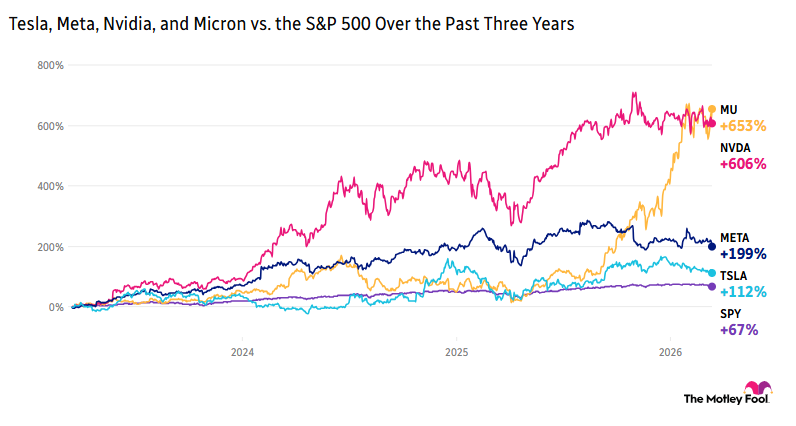
- AI Infrastructure Investment: At the GTC conference in San Jose, Nvidia anticipates over $600 billion in AI infrastructure spending by 2026, which is expected to drive vertical integration from chips to full AI systems, further solidifying its leadership in the AI market.
- Meta Layoff Plans: Meta is planning to cut 20% of its workforce to offset substantial AI infrastructure costs, aiming to achieve savings through increased use of AI agents and assistance for human workers, thereby enhancing operational efficiency and profitability.
- Tesla Semiconductor Manufacturing: CEO Elon Musk announced the imminent launch of Tesla's in-house semiconductor manufacturing, which is expected to boost production capacity and reduce reliance on external suppliers, enhancing the company's technological autonomy.
- Market Volatility Impact: The S&P 500 fell 1.6% last week due to turmoil from the Middle East conflict, but Goldman Sachs predicts a potential rebound to 7,600 points by the end of 2026 driven by rising corporate earnings, indicating the market's underlying recovery potential.
See More

Kinsale Capital Group's Recent Poor Performance
- Increased Competitive Pressure: Kinsale Capital Group is currently facing intensified market competition, resulting in sluggish growth and poor stock performance, which reflects the challenges and pressures the company is experiencing in the industry.
- Investor Confidence Lacking: Despite the analyst team's identification of 10 potential stocks, Kinsale was not included, indicating market skepticism about its future performance, which may affect investors' holding decisions.
- Historical Return Comparison: Compared to historically high-performing companies like Netflix and Nvidia, which achieved returns of 508,607% and 1,122,746% respectively after recommendations, Kinsale's investment returns appear lackluster, highlighting its relative disadvantage.
- Long-Term Holding Strategy: Despite the poor short-term performance, some investors choose to hold Kinsale shares for the long term, reflecting confidence in the company's future potential, which may yield returns when market conditions improve.
See More
Global Markets Decline Amid Inflation Concerns
- Market Decline: On Thursday, the S&P 500 fell by 0.27%, the Dow Jones Industrial Average by 0.44%, and the Nasdaq 100 by 0.29%, indicating a broad market decline driven by inflation concerns and investor pessimism.
- Energy Price Volatility: Crude oil prices experienced significant fluctuations as WTI initially rallied before retreating after Israel's assistance to the US in opening the Strait of Hormuz, highlighting the direct impact of geopolitical tensions on energy markets.
- Rising Bond Yields: The 10-year German Bund yield rose to a 2.25-year high of 3.01%, while the 10-year US Treasury yield reached a 6.75-month high of 4.32%, reflecting market expectations of potential tightening monetary policies by central banks, which could increase borrowing costs.
- Economic Data Impact: US weekly initial jobless claims unexpectedly fell to 205,000, indicating a strong labor market, while the Philadelphia Fed business outlook survey unexpectedly rose to a 6-month high of 18.1, further intensifying market concerns over potential interest rate hikes.
See More
Global Markets Decline Amid Inflation Concerns
- Market Decline: The S&P 500 index fell by 0.43%, the Dow Jones Industrial Average by 0.59%, and the Nasdaq 100 by 0.44%, indicating a broad sell-off in global equities driven by inflation concerns and investor pessimism.
- Rising Bond Yields: Hawkish comments from the BOE, ECB, and BOJ pushed global bond yields higher, with the 10-year German Bund yield reaching a 2.25-year high of 3.01%, which will increase borrowing costs and impact corporate financing.
- Surging Energy Prices: European natural gas prices surged over 12% to a three-year high due to escalating conflict in Iran, with Qatar reporting a 17% damage to its LNG export capacity, raising inflation risks and potentially disrupting global energy supplies.
- Strong US Economic Data: Despite initial jobless claims unexpectedly falling to 205,000, indicating a robust labor market, January new home sales plummeted 17.6% to 587,000, below expectations, reflecting weakness in the housing market that may affect future economic growth.
See More
US Stocks Decline Amid Surge in Energy Prices
- Market Decline: The S&P 500 index fell by 0.66%, the Dow Jones Industrial Average by 0.57%, and the Nasdaq 100 by 0.80%, all reaching 3.75-month lows, indicating market concerns over inflation and economic slowdown due to the Middle East conflict.
- Surge in Energy Prices: European natural gas prices surged over 24% to a three-year high after Qatar reported extensive damage at its largest gas export facility, exacerbating fears of supply disruptions that could further elevate global inflation.
- Rising Bond Yields: The 10-year Treasury note yield jumped to a 6.75-month high of 4.32% as stronger-than-expected US economic data indicated labor market resilience, increasing expectations for future rate hikes and adding pressure on the stock market.
- International Market Weakness: Overseas stock markets fell sharply, with the Euro Stoxx 50 hitting a 1.5-week low and China's Shanghai Composite dropping to a 2.5-month low, reflecting heightened risks of global economic slowdown impacting investor sentiment.
See More
Kinsale Capital Group Downgraded to Underperform by Jefferies
- Rating Downgrade: Jefferies has downgraded Kinsale Capital Group from Hold to Underperform, primarily due to decelerating E&S growth and margin pressures, with analysts noting increased industry competition and capital constraints re-hardening will pressure KNSL.
- Changing Growth Dependency: Analysts indicated that KNSL's growth increasingly relies on casualty insurance, but moderated pricing momentum and mix shifts are creating margin headwinds, suggesting that future growth and margins will be negatively impacted as rate and reserve tailwinds fade.
- Price Target Reduction: Jefferies lowered its price target for KNSL from $392 to $312, asserting that the current valuation remains too high and anticipating premium compression as the cycle turns, reflecting a cautious outlook on future growth.
- Market Reaction: During Thursday morning trading, KNSL shares fell by 4.64% to $332.13, indicating a negative market response to the downgrade and concerns over future growth prospects.
See More
Nvidia Unveils 2026 AI Plans at GTC
- AI Infrastructure Investment: At the GTC conference in San Jose, Nvidia anticipates over $600 billion in AI infrastructure spending by 2026, which is expected to drive vertical integration from chips to full AI systems, further solidifying its leadership in the AI market.
- Meta Layoff Plans: Meta is planning to cut 20% of its workforce to offset substantial AI infrastructure costs, aiming to achieve savings through increased use of AI agents and assistance for human workers, thereby enhancing operational efficiency and profitability.
- Tesla Semiconductor Manufacturing: CEO Elon Musk announced the imminent launch of Tesla's in-house semiconductor manufacturing, which is expected to boost production capacity and reduce reliance on external suppliers, enhancing the company's technological autonomy.
- Market Volatility Impact: The S&P 500 fell 1.6% last week due to turmoil from the Middle East conflict, but Goldman Sachs predicts a potential rebound to 7,600 points by the end of 2026 driven by rising corporate earnings, indicating the market's underlying recovery potential.
See More
Kinsale Capital Group's Recent Poor Performance
- Increased Competitive Pressure: Kinsale Capital Group is currently facing intensified market competition, resulting in sluggish growth and poor stock performance, which reflects the challenges and pressures the company is experiencing in the industry.
- Investor Confidence Lacking: Despite the analyst team's identification of 10 potential stocks, Kinsale was not included, indicating market skepticism about its future performance, which may affect investors' holding decisions.
- Historical Return Comparison: Compared to historically high-performing companies like Netflix and Nvidia, which achieved returns of 508,607% and 1,122,746% respectively after recommendations, Kinsale's investment returns appear lackluster, highlighting its relative disadvantage.
- Long-Term Holding Strategy: Despite the poor short-term performance, some investors choose to hold Kinsale shares for the long term, reflecting confidence in the company's future potential, which may yield returns when market conditions improve.
See More