KeyBanc Analyzes Semiconductor Cycle Recovery Insights
Written by Emily J. Thompson, Senior Investment Analyst
Updated: 1 hour ago
0mins
Should l Buy NVDA?
Source: seekingalpha
- Recovery Outlook: KeyBanc analysts indicate that while the semiconductor cycle has not yet truly recovered, shipments have begun to exceed trendlines, with historical data suggesting that recovery phases last over two years, likely extending through 2027, particularly driven by sustained demand from AI infrastructure.
- Inventory Dynamics: Total supply chain inventories have decreased to 79 days, still above the five-year fourth-quarter average, but non-AI days of inventory have dropped to 75 days, reflecting a more disciplined shipping strategy by suppliers to support inventory digestion.
- Integrated Circuit Shipments: Fourth-quarter integrated circuit shipments fell 2.1% quarter-over-quarter but rose 3.5% year-over-year, with total shipments slightly above trendlines, indicating weak signs of market demand recovery.
- Revenue Forecast Adjustment: Analysts raised their 2026 revenue forecast for integrated circuits excluding memory from 19% to 22%, primarily driven by anticipated price increases, reflecting a positive outlook on future pricing trends.
Trade with 70% Backtested Accuracy
Stop guessing "Should I Buy NVDA?" and start using high-conviction signals backed by rigorous historical data.
Sign up today to access powerful investing tools and make smarter, data-driven decisions.
Analyst Views on NVDA
Wall Street analysts forecast NVDA stock price to rise
41 Analyst Rating
39 Buy
1 Hold
1 Sell
Strong Buy
Current: 202.060

Low
200.00
Averages
264.97
High
352.00
Current: 202.060
Low
200.00
Averages
264.97
High
352.00
About NVDA
NVIDIA Corporation is an artificial intelligence (AI) infrastructure company. The Company is engaged in accelerated computing to help solve the challenging computational problems. Its segments include Compute & Networking and Graphics. The Compute & Networking segment includes its Data Center accelerated computing and networking platforms and AI solutions and software, and automotive platforms and autonomous and electric vehicle solutions, including software. The Graphics segment includes GeForce GPUs for gaming and personal computers (PCs), and Quadro/NVIDIA RTX GPUs for enterprise workstation graphics. Its technology stack includes the foundational NVIDIA CUDA development platform that runs on all NVIDIA GPUs, as well as hundreds of domain-specific software libraries, frameworks, algorithms, software development kits (SDKs), and application programming interfaces (APIs). Its platforms address four markets, which include Data Center, Gaming, Professional Visualization, and Automotive.
About the author

Emily J. Thompson
Emily J. Thompson, a Chartered Financial Analyst (CFA) with 12 years in investment research, graduated with honors from the Wharton School. Specializing in industrial and technology stocks, she provides in-depth analysis for Intellectia’s earnings and market brief reports.

Nvidia Set to Release Q1 2027 Fiscal Results Amid AI Dominance

- Earnings Forecast: Nvidia anticipates Q1 2027 sales of $78 billion, representing a 77% increase year-over-year, with a projected gross margin of 74.9%, indicating robust market demand and profitability.
- Competitive Advantage: Despite increasing external competition, Nvidia's GPUs maintain clear advantages in computational power, and persistent GPU scarcity allows the company to sell hardware at premium prices, solidifying its market position in enterprise data centers.
- Stock Volatility: Historical data shows that Nvidia's stock typically declines after earnings releases, with five out of the last seven quarters experiencing a drop, averaging a 3% loss, reflecting overly optimistic market expectations.
- Investor Caution: While Nvidia's results often exceed analyst forecasts, the optimistic sentiment surrounding AI technology may pose bubble risks, prompting investors to carefully consider their investment decisions following the earnings report.
See More
AI Startup Cursor in Talks for $2B Fundraising at $50B Valuation
- Fundraising Plans: AI startup Cursor is in discussions to raise a $2 billion funding round, with an expected valuation exceeding $50 billion, which will further propel its market expansion and technological innovation.
- Investor Lineup: Andreessen Horowitz is set to co-lead this funding round, with Nvidia and Thrive Capital also expected to participate, reflecting strong confidence in Cursor's future growth from these previously involved investors.
- Historical Funding Review: Last November, Cursor raised approximately $2.3 billion in a Series D funding round, achieving a post-money valuation of $29.3 billion, attracting existing investors like Accel, Thrive, and Andreessen Horowitz, along with new partners such as Coatue, Nvidia, and Alphabet.
- Technology Updates: In February, Cursor released various updates aimed at assisting software developers, including enabling AI agents to test coding changes and record their actions through videos, logs, and screenshots, thereby enhancing development efficiency.
See More
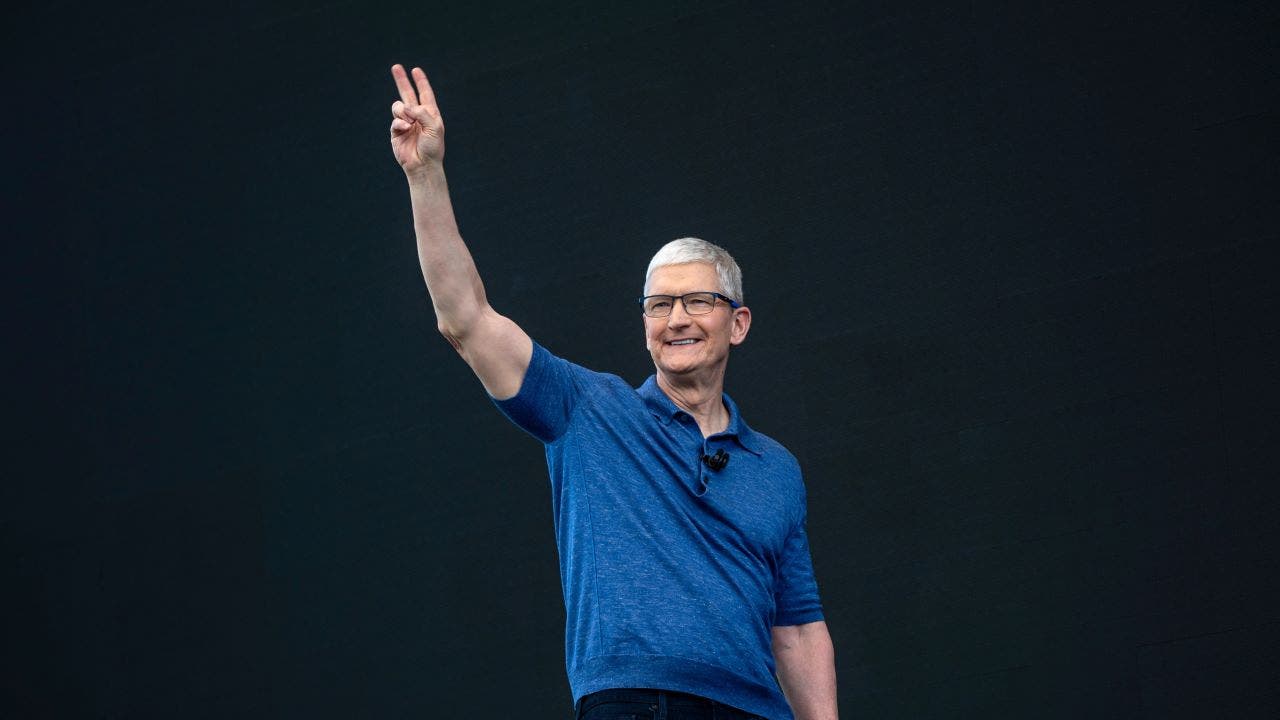
Apple CEO Tim Cook Steps Down, New Leadership Raises Questions


- Leadership Change: Apple CEO Tim Cook's resignation marks a significant shift, as the stock has surged nearly 2,000% since he took over in 2011, potentially impacting investor confidence moving forward.
- New CEO Background: John Ternus, set to take over on September 1, brings extensive hardware engineering experience and has contributed to the design of key products like the iPad and AirPods, suggesting a potentially more innovative leadership style.
- Market Performance Analysis: Although Apple experienced slow revenue growth under Cook, it has only recently begun to recover, and the company's lag in critical areas like artificial intelligence could affect its future performance.
- Stock Valuation Risks: With a current P/E ratio near 35, significantly higher than the S&P 500's 25.4, if Ternus fails to meet high market expectations, the stock price may face downward pressure.
See More
Meta Signs Huge Deals with Neocloud Providers for AI Infrastructure

- Massive Investment: Meta Platforms has signed a $21 billion deal with CoreWeave and up to $27 billion with Nebius, indicating a substantial commitment to AI infrastructure aimed at ensuring ongoing growth in AI training and inference capabilities.
- Long-Term Contract Benefits: Both Nebius and CoreWeave are securing long-term contracts with major AI companies like Meta, guaranteeing payment regardless of usage, which allows them to obtain capital at relatively low interest rates, enhancing their financial stability.
- Significant Revenue Growth: CoreWeave's sales surged 168% last year to $5.1 billion, while Nebius grew 479% to $530 million, demonstrating strong execution capabilities amid skyrocketing demand for AI cloud capacity.
- Profitability Challenges: Despite rapid growth, both companies are currently loss-making, with Nebius losing $447 million last year and CoreWeave $1.2 billion, prompting investors to closely monitor the sustainability of their capital expenditure returns.
See More
Nvidia Faces Clash Between Macro Fears and AI Demand
- Hedge Fund Sell-off: Due to increasing uncertainty in the macroeconomic landscape, several hedge funds dumped Nvidia (NVDA) shares on April 10, 2026, putting downward pressure on the stock price and reflecting market concerns about future growth.
- Strong AI Demand: Despite the sell-off, Nvidia continues to experience robust demand in the AI sector, particularly in data centers and autonomous driving technologies, indicating its long-term growth potential.
- Market Reaction Analysis: Wall Street may be underestimating Nvidia's leadership in the AI market, with analysts suggesting that as technology advances, the company's profitability could significantly improve in the coming quarters.
- Investment Opportunity: This stock price pullback is viewed as a potential investment opportunity, and if market sentiment turns optimistic, Nvidia's stock could rebound quickly, attracting more investor attention.
See More
KeyBanc Analyzes Semiconductor Cycle Recovery Insights

- Recovery Outlook: KeyBanc analysts indicate that while the semiconductor cycle has not yet truly recovered, shipments have begun to exceed trendlines, with historical data suggesting that recovery phases last over two years, likely extending through 2027, particularly driven by sustained demand from AI infrastructure.
- Inventory Dynamics: Total supply chain inventories have decreased to 79 days, still above the five-year fourth-quarter average, but non-AI days of inventory have dropped to 75 days, reflecting a more disciplined shipping strategy by suppliers to support inventory digestion.
- Integrated Circuit Shipments: Fourth-quarter integrated circuit shipments fell 2.1% quarter-over-quarter but rose 3.5% year-over-year, with total shipments slightly above trendlines, indicating weak signs of market demand recovery.
- Revenue Forecast Adjustment: Analysts raised their 2026 revenue forecast for integrated circuits excluding memory from 19% to 22%, primarily driven by anticipated price increases, reflecting a positive outlook on future pricing trends.
See More
Nvidia Set to Release Q1 2027 Fiscal Results Amid AI Dominance
- Earnings Forecast: Nvidia anticipates Q1 2027 sales of $78 billion, representing a 77% increase year-over-year, with a projected gross margin of 74.9%, indicating robust market demand and profitability.
- Competitive Advantage: Despite increasing external competition, Nvidia's GPUs maintain clear advantages in computational power, and persistent GPU scarcity allows the company to sell hardware at premium prices, solidifying its market position in enterprise data centers.
- Stock Volatility: Historical data shows that Nvidia's stock typically declines after earnings releases, with five out of the last seven quarters experiencing a drop, averaging a 3% loss, reflecting overly optimistic market expectations.
- Investor Caution: While Nvidia's results often exceed analyst forecasts, the optimistic sentiment surrounding AI technology may pose bubble risks, prompting investors to carefully consider their investment decisions following the earnings report.
See More
AI Startup Cursor in Talks for $2B Fundraising at $50B Valuation
- Fundraising Plans: AI startup Cursor is in discussions to raise a $2 billion funding round, with an expected valuation exceeding $50 billion, which will further propel its market expansion and technological innovation.
- Investor Lineup: Andreessen Horowitz is set to co-lead this funding round, with Nvidia and Thrive Capital also expected to participate, reflecting strong confidence in Cursor's future growth from these previously involved investors.
- Historical Funding Review: Last November, Cursor raised approximately $2.3 billion in a Series D funding round, achieving a post-money valuation of $29.3 billion, attracting existing investors like Accel, Thrive, and Andreessen Horowitz, along with new partners such as Coatue, Nvidia, and Alphabet.
- Technology Updates: In February, Cursor released various updates aimed at assisting software developers, including enabling AI agents to test coding changes and record their actions through videos, logs, and screenshots, thereby enhancing development efficiency.
See More
Apple CEO Tim Cook Steps Down, New Leadership Raises Questions
- Leadership Change: Apple CEO Tim Cook's resignation marks a significant shift, as the stock has surged nearly 2,000% since he took over in 2011, potentially impacting investor confidence moving forward.
- New CEO Background: John Ternus, set to take over on September 1, brings extensive hardware engineering experience and has contributed to the design of key products like the iPad and AirPods, suggesting a potentially more innovative leadership style.
- Market Performance Analysis: Although Apple experienced slow revenue growth under Cook, it has only recently begun to recover, and the company's lag in critical areas like artificial intelligence could affect its future performance.
- Stock Valuation Risks: With a current P/E ratio near 35, significantly higher than the S&P 500's 25.4, if Ternus fails to meet high market expectations, the stock price may face downward pressure.
See More
Meta Signs Huge Deals with Neocloud Providers for AI Infrastructure
- Massive Investment: Meta Platforms has signed a $21 billion deal with CoreWeave and up to $27 billion with Nebius, indicating a substantial commitment to AI infrastructure aimed at ensuring ongoing growth in AI training and inference capabilities.
- Long-Term Contract Benefits: Both Nebius and CoreWeave are securing long-term contracts with major AI companies like Meta, guaranteeing payment regardless of usage, which allows them to obtain capital at relatively low interest rates, enhancing their financial stability.
- Significant Revenue Growth: CoreWeave's sales surged 168% last year to $5.1 billion, while Nebius grew 479% to $530 million, demonstrating strong execution capabilities amid skyrocketing demand for AI cloud capacity.
- Profitability Challenges: Despite rapid growth, both companies are currently loss-making, with Nebius losing $447 million last year and CoreWeave $1.2 billion, prompting investors to closely monitor the sustainability of their capital expenditure returns.
See More
Nvidia Faces Clash Between Macro Fears and AI Demand
- Hedge Fund Sell-off: Due to increasing uncertainty in the macroeconomic landscape, several hedge funds dumped Nvidia (NVDA) shares on April 10, 2026, putting downward pressure on the stock price and reflecting market concerns about future growth.
- Strong AI Demand: Despite the sell-off, Nvidia continues to experience robust demand in the AI sector, particularly in data centers and autonomous driving technologies, indicating its long-term growth potential.
- Market Reaction Analysis: Wall Street may be underestimating Nvidia's leadership in the AI market, with analysts suggesting that as technology advances, the company's profitability could significantly improve in the coming quarters.
- Investment Opportunity: This stock price pullback is viewed as a potential investment opportunity, and if market sentiment turns optimistic, Nvidia's stock could rebound quickly, attracting more investor attention.
See More
KeyBanc Analyzes Semiconductor Cycle Recovery Insights
- Recovery Outlook: KeyBanc analysts indicate that while the semiconductor cycle has not yet truly recovered, shipments have begun to exceed trendlines, with historical data suggesting that recovery phases last over two years, likely extending through 2027, particularly driven by sustained demand from AI infrastructure.
- Inventory Dynamics: Total supply chain inventories have decreased to 79 days, still above the five-year fourth-quarter average, but non-AI days of inventory have dropped to 75 days, reflecting a more disciplined shipping strategy by suppliers to support inventory digestion.
- Integrated Circuit Shipments: Fourth-quarter integrated circuit shipments fell 2.1% quarter-over-quarter but rose 3.5% year-over-year, with total shipments slightly above trendlines, indicating weak signs of market demand recovery.
- Revenue Forecast Adjustment: Analysts raised their 2026 revenue forecast for integrated circuits excluding memory from 19% to 22%, primarily driven by anticipated price increases, reflecting a positive outlook on future pricing trends.
See More