Kennedy Unveils New Food Pyramid That Could Raise Consumer Costs
Written by Emily J. Thompson, Senior Investment Analyst
Updated: Jan 08 2026
0mins


Should l Buy AMZN?
Source: Benzinga
- New Food Pyramid Unveiled: Health Secretary Kennedy's new food pyramid prioritizes protein and dairy, potentially raising consumer food costs to $175 per week, leading to an annual family expenditure of $36,400, which significantly strains household budgets.
- Policy Shift Impact: The new guidelines oppose added sugars and highly processed foods, likely forcing major food companies like PepsiCo and Coca-Cola to adjust product formulations and marketing strategies to align with the government's redefined health standards.
- Meat Companies Benefit: With the new focus on high-protein foods, meat producers such as Tyson Foods and Seaboard Corporation may see increased demand and sales growth, positioning them favorably in the market.
- Health Food Stocks in Focus: As consumer interest in healthy eating rises, stocks associated with health-focused companies like Sprouts Farmers Market and Chipotle may attract investor attention, potentially impacting their market performance.
Trade with 70% Backtested Accuracy
Stop guessing "Should I Buy AMZN?" and start using high-conviction signals backed by rigorous historical data.
Sign up today to access powerful investing tools and make smarter, data-driven decisions.
Analyst Views on AMZN
Wall Street analysts forecast AMZN stock price to rise
44 Analyst Rating
41 Buy
3 Hold
0 Sell
Strong Buy
Current: 211.740

Low
175.00
Averages
280.01
High
325.00
Current: 211.740
Low
175.00
Averages
280.01
High
325.00
About AMZN
Amazon.com, Inc. provides a range of products and services to customers. The products offered through its stores include merchandise and content it has purchased for resale and products offered by third-party sellers. The Company’s segments include North America, International and Amazon Web Services (AWS). It serves consumers through its online and physical stores and focuses on selection, price, and convenience. Customers access its offerings through its websites, mobile apps, Alexa, devices, streaming, and physically visiting its stores. It also manufactures and sells electronic devices, including Kindle, Fire tablet, Fire TV, Echo, Ring, Blink, and eero, and develops and produces media content. It serves developers and enterprises of all sizes, including start-ups, government agencies, and academic institutions, through AWS, which offers a set of on-demand technology services, including compute, storage, database, analytics, and machine learning, and other services.
About the author

Emily J. Thompson
Emily J. Thompson, a Chartered Financial Analyst (CFA) with 12 years in investment research, graduated with honors from the Wharton School. Specializing in industrial and technology stocks, she provides in-depth analysis for Intellectia’s earnings and market brief reports.
Amazon Launches 1-Hour and 3-Hour Delivery Services

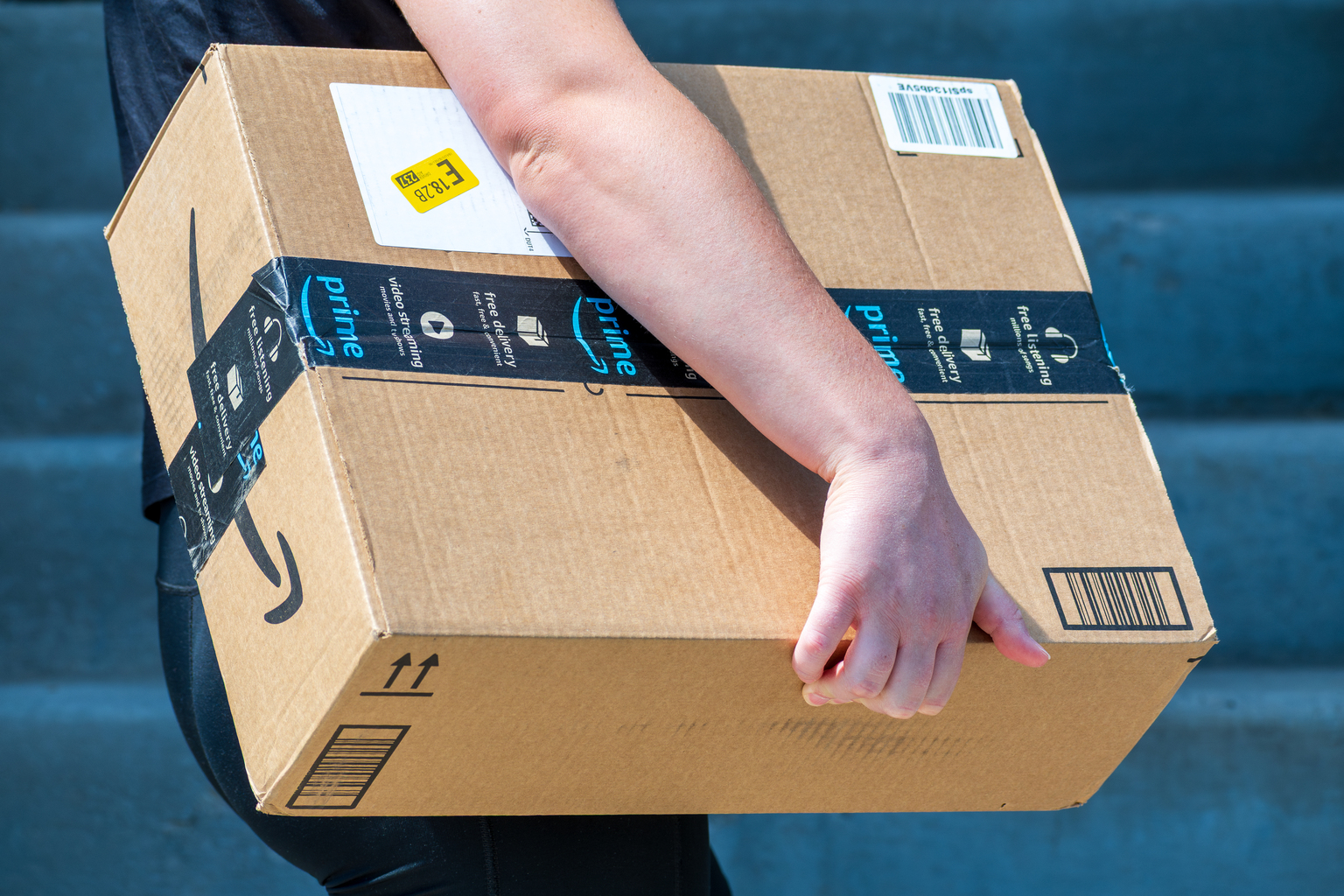
- Delivery Options Expansion: Amazon has launched 1-hour and 3-hour delivery services for over-the-counter medicines, electronics, and groceries, charging Prime members $9.99 and $4.99 respectively, while non-members pay $19.99 and $14.99, significantly enhancing customer convenience.
- Wide Coverage: The 1-hour delivery service is available in hundreds of cities and towns across the U.S., while the 3-hour option is offered in over 2,000 locations, indicating Amazon's growing market penetration in the fast delivery sector.
- Enhanced Search Features: To improve user experience, Amazon has added “in 1 hour” or “in 3 hours” search filters and a dedicated shopping page, enabling customers to easily find products eligible for quick delivery, thereby driving sales growth.
- New Service Testing: Amazon is testing the “Amazon Now” service, which offers delivery in about 30 minutes for everyday essentials and perishables, showcasing the company's ongoing innovation in fast delivery and responsiveness to market demand.
See More
Oracle's $50 Billion AI Investment Plan


- Surging Market Demand: Oracle reported a more than 300% increase in remaining performance obligations to $553 billion, indicating that customer demand for its AI infrastructure far exceeds supply, reflecting a strong market appetite for AI technologies.
- Significant Revenue Growth: Oracle's multi-cloud database revenue soared over 500%, while AI infrastructure revenue advanced more than 200%, which not only enhances the company's market position but also lays a solid foundation for sustained future growth.
- Robust Financing Plan: Following the announcement of its $50 billion AI investment plan, Oracle quickly raised $30 billion through investment-grade bonds and mandatory convertible preferred stock, demonstrating the prudence of its financing strategy and commitment to maintaining its investment-grade rating.
- Optimistic Industry Outlook: Despite investor concerns about overspending on AI, Oracle's actions are viewed as a strategic decision to continue playing a major role in what could be a once-in-a-generation opportunity, indicating the company's confidence in the future AI market.
See More
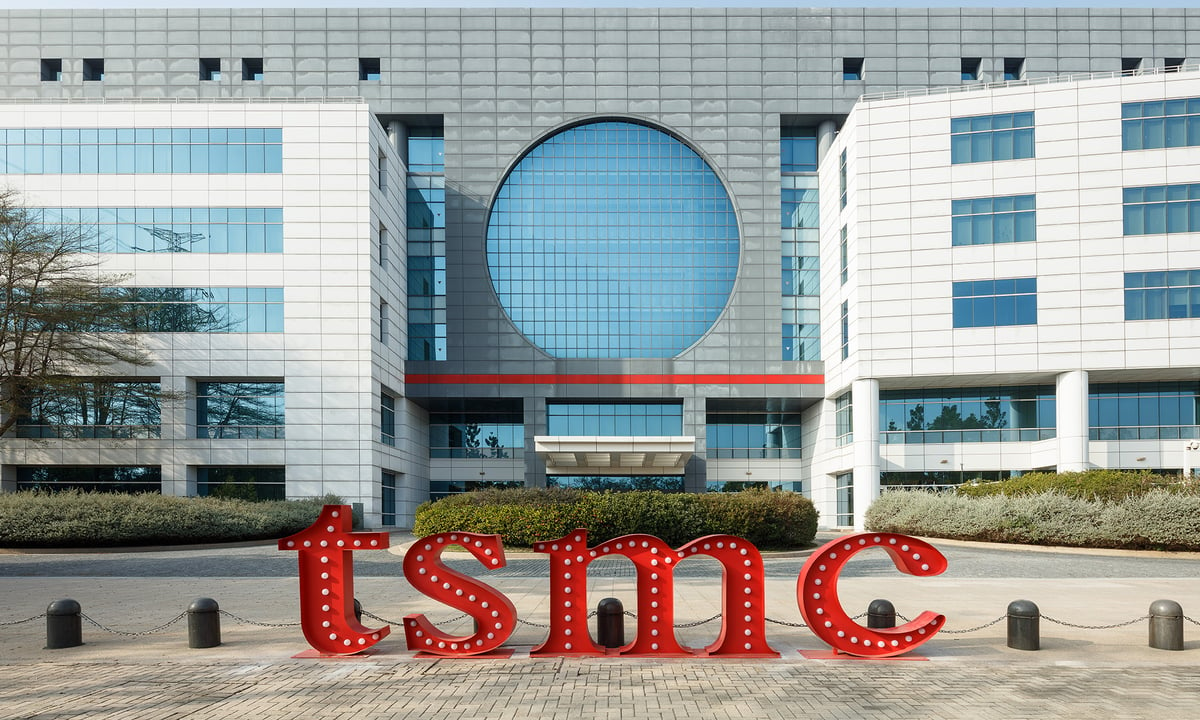
TSMC Set to Benefit from Surge in AI Infrastructure Spending

- Capex Forecast: The five major hyperscalers are projected to spend a staggering $720 billion on capital expenditures in 2026, with Meta, Amazon, and Microsoft forecasting between $115 billion to $135 billion, $200 billion, and $150 billion respectively, indicating a robust commitment to AI infrastructure investment.
- Market Share Advantage: As the world's largest chip manufacturer, TSMC holds a 71% share of the third-party foundry market, establishing itself as the preferred partner for GPU and AI accelerator designers, thereby securing its competitive position in the rapidly expanding AI market.
- Revenue Growth Momentum: With the ongoing AI revolution, TSMC has seen significant increases in revenue, gross profit, and earnings, and its strong pricing power is expected to translate into higher sales and profits from the spending of hyperscalers.
- Valuation Appeal: TSMC's current forward P/E ratio stands at 23.6, slightly above its three-year average, and despite investor concerns about hyperscalers sustaining their capex, TSMC's unique manufacturing role suggests a positive growth outlook moving forward.
See More

Big Tech Doubles Down on AI Infrastructure Investments
- Surge in AI Infrastructure Spending: The big five hyperscalers are projected to spend $720 billion on AI capital expenditures in 2026, a massive investment that will significantly boost the performance of related chip design companies, particularly Nvidia, AMD, and Broadcom.
- Taiwan Semiconductor's Key Role: As the world's largest chip manufacturer, TSMC holds a 71% share of the third-party chip foundry market, increasingly becoming the preferred partner for GPU and ASIC designers in AI infrastructure development.
- Significant Financial Performance: Driven by the AI revolution, TSMC has seen substantial growth in revenue, gross profit, and earnings, coupled with strong pricing power, indicating that it will benefit from the ongoing investments by hyperscalers.
- Valuation Discount and Market Confidence: Despite TSMC's forward P/E ratio of 23.6, slightly above its three-year average, market skepticism about hyperscalers' ability to sustain capital expenditures has led to a valuation discount; however, the long-term growth outlook remains optimistic.
See More

Oracle's $50 Billion AI Investment Sparks Debate
- Significant Revenue Growth: Oracle has reported a remarkable surge in quarterly revenue during the AI boom, with remaining performance obligations skyrocketing over 300% to $553 billion, indicating strong customer demand for its cloud services and database management, thereby solidifying its market position.
- Multi-Cloud Database Revenue Surge: The company's multi-cloud database revenue soared more than 500%, while AI infrastructure revenue advanced over 200%, demonstrating Oracle's enhanced capability to meet the burgeoning AI market demand, potentially laying the groundwork for sustained future growth.
- Massive Investment Plan: Oracle announced a $50 billion investment to support the expansion of its AI infrastructure; despite investor concerns about overspending, the company raised $30 billion through investment-grade bonds and mandatory convertible preferred stock, showcasing its financial stability and commitment to maintaining its investment-grade rating.
- Rising Industry Demand: Despite worries about a potential decline in AI demand, Oracle and other major AI players have indicated that demand continues to soar, making the company's investment in the AI sector strategically significant and potentially a once-in-a-generation opportunity.
See More

Perplexity Wins Appeal, Comet Bot Temporarily Allowed to Shop on Amazon
- Appeals Court Ruling: The appeals court has temporarily paused the lower court's ruling, allowing Perplexity's Comet shopping bot to continue shopping on Amazon, granting the company crucial time to address legal challenges.
- Legal Controversy: Perplexity faces accusations of computer fraud for allegedly disguising itself as a user to bypass Amazon's terms of service, with a lawsuit filed last year that could significantly impact the company's operations if the final ruling is unfavorable.
- Data Access Restrictions: The lower court's ruling prohibits Perplexity from accessing password-protected Prime accounts and mandates the destruction of copies of Amazon's data, directly affecting the functionality and user experience of its shopping bot.
- Legal Debate Window: Judge Maxine Chesney has allowed both parties a week to debate the legality of shopping bots purchasing merchandise without retailer consent, providing Perplexity with an opportunity for further legal support and potential victory.
See More
Amazon Launches 1-Hour and 3-Hour Delivery Services
- Delivery Options Expansion: Amazon has launched 1-hour and 3-hour delivery services for over-the-counter medicines, electronics, and groceries, charging Prime members $9.99 and $4.99 respectively, while non-members pay $19.99 and $14.99, significantly enhancing customer convenience.
- Wide Coverage: The 1-hour delivery service is available in hundreds of cities and towns across the U.S., while the 3-hour option is offered in over 2,000 locations, indicating Amazon's growing market penetration in the fast delivery sector.
- Enhanced Search Features: To improve user experience, Amazon has added “in 1 hour” or “in 3 hours” search filters and a dedicated shopping page, enabling customers to easily find products eligible for quick delivery, thereby driving sales growth.
- New Service Testing: Amazon is testing the “Amazon Now” service, which offers delivery in about 30 minutes for everyday essentials and perishables, showcasing the company's ongoing innovation in fast delivery and responsiveness to market demand.
See More
Oracle's $50 Billion AI Investment Plan
- Surging Market Demand: Oracle reported a more than 300% increase in remaining performance obligations to $553 billion, indicating that customer demand for its AI infrastructure far exceeds supply, reflecting a strong market appetite for AI technologies.
- Significant Revenue Growth: Oracle's multi-cloud database revenue soared over 500%, while AI infrastructure revenue advanced more than 200%, which not only enhances the company's market position but also lays a solid foundation for sustained future growth.
- Robust Financing Plan: Following the announcement of its $50 billion AI investment plan, Oracle quickly raised $30 billion through investment-grade bonds and mandatory convertible preferred stock, demonstrating the prudence of its financing strategy and commitment to maintaining its investment-grade rating.
- Optimistic Industry Outlook: Despite investor concerns about overspending on AI, Oracle's actions are viewed as a strategic decision to continue playing a major role in what could be a once-in-a-generation opportunity, indicating the company's confidence in the future AI market.
See More
TSMC Set to Benefit from Surge in AI Infrastructure Spending
- Capex Forecast: The five major hyperscalers are projected to spend a staggering $720 billion on capital expenditures in 2026, with Meta, Amazon, and Microsoft forecasting between $115 billion to $135 billion, $200 billion, and $150 billion respectively, indicating a robust commitment to AI infrastructure investment.
- Market Share Advantage: As the world's largest chip manufacturer, TSMC holds a 71% share of the third-party foundry market, establishing itself as the preferred partner for GPU and AI accelerator designers, thereby securing its competitive position in the rapidly expanding AI market.
- Revenue Growth Momentum: With the ongoing AI revolution, TSMC has seen significant increases in revenue, gross profit, and earnings, and its strong pricing power is expected to translate into higher sales and profits from the spending of hyperscalers.
- Valuation Appeal: TSMC's current forward P/E ratio stands at 23.6, slightly above its three-year average, and despite investor concerns about hyperscalers sustaining their capex, TSMC's unique manufacturing role suggests a positive growth outlook moving forward.
See More
Big Tech Doubles Down on AI Infrastructure Investments
- Surge in AI Infrastructure Spending: The big five hyperscalers are projected to spend $720 billion on AI capital expenditures in 2026, a massive investment that will significantly boost the performance of related chip design companies, particularly Nvidia, AMD, and Broadcom.
- Taiwan Semiconductor's Key Role: As the world's largest chip manufacturer, TSMC holds a 71% share of the third-party chip foundry market, increasingly becoming the preferred partner for GPU and ASIC designers in AI infrastructure development.
- Significant Financial Performance: Driven by the AI revolution, TSMC has seen substantial growth in revenue, gross profit, and earnings, coupled with strong pricing power, indicating that it will benefit from the ongoing investments by hyperscalers.
- Valuation Discount and Market Confidence: Despite TSMC's forward P/E ratio of 23.6, slightly above its three-year average, market skepticism about hyperscalers' ability to sustain capital expenditures has led to a valuation discount; however, the long-term growth outlook remains optimistic.
See More
Oracle's $50 Billion AI Investment Sparks Debate
- Significant Revenue Growth: Oracle has reported a remarkable surge in quarterly revenue during the AI boom, with remaining performance obligations skyrocketing over 300% to $553 billion, indicating strong customer demand for its cloud services and database management, thereby solidifying its market position.
- Multi-Cloud Database Revenue Surge: The company's multi-cloud database revenue soared more than 500%, while AI infrastructure revenue advanced over 200%, demonstrating Oracle's enhanced capability to meet the burgeoning AI market demand, potentially laying the groundwork for sustained future growth.
- Massive Investment Plan: Oracle announced a $50 billion investment to support the expansion of its AI infrastructure; despite investor concerns about overspending, the company raised $30 billion through investment-grade bonds and mandatory convertible preferred stock, showcasing its financial stability and commitment to maintaining its investment-grade rating.
- Rising Industry Demand: Despite worries about a potential decline in AI demand, Oracle and other major AI players have indicated that demand continues to soar, making the company's investment in the AI sector strategically significant and potentially a once-in-a-generation opportunity.
See More
Perplexity Wins Appeal, Comet Bot Temporarily Allowed to Shop on Amazon
- Appeals Court Ruling: The appeals court has temporarily paused the lower court's ruling, allowing Perplexity's Comet shopping bot to continue shopping on Amazon, granting the company crucial time to address legal challenges.
- Legal Controversy: Perplexity faces accusations of computer fraud for allegedly disguising itself as a user to bypass Amazon's terms of service, with a lawsuit filed last year that could significantly impact the company's operations if the final ruling is unfavorable.
- Data Access Restrictions: The lower court's ruling prohibits Perplexity from accessing password-protected Prime accounts and mandates the destruction of copies of Amazon's data, directly affecting the functionality and user experience of its shopping bot.
- Legal Debate Window: Judge Maxine Chesney has allowed both parties a week to debate the legality of shopping bots purchasing merchandise without retailer consent, providing Perplexity with an opportunity for further legal support and potential victory.
See More