JPMorgan Positioned to Weather Private Credit Market Stress
Written by Emily J. Thompson, Senior Investment Analyst
Updated: Mar 12 2026
0mins


Source: CNBC
- Risk Management Strategy: JPMorgan's proactive decision to mark down the value of certain software-related loans reflects its active risk management approach, reducing exposure to specific private credit funds and indicating no expected losses, showcasing its ability to manage underlying collateral effectively.
- Industry Growth Comparison: With revenue growth approximately double that of the industry over the past decade, JPMorgan has lessened its reliance on riskier deals, highlighting its competitive position and market strength amid increasing scrutiny in the private credit sector.
- Complexity of Credit Structures: While the private credit industry faces risks from increasingly complex loan structures, JPMorgan typically lends through senior financing structures that historically yield lower loan losses, demonstrating its superior credit management capabilities compared to smaller lenders.
- Market Performance Volatility: Despite JPMorgan's shares falling over 6% this month and declining for the third consecutive month, with a nearly 13% drop in 2026, analysts believe the bank remains well-positioned to withstand market pressures due to its robust monitoring and risk management practices.
Trade with 70% Backtested Accuracy
Stop guessing "Should I Buy JPM?" and start using high-conviction signals backed by rigorous historical data.
Sign up today to access powerful investing tools and make smarter, data-driven decisions.
Analyst Views on JPM
Wall Street analysts forecast JPM stock price to rise
19 Analyst Rating
11 Buy
7 Hold
1 Sell
Moderate Buy
Current: 325.220

Low
260.00
Averages
341.38
High
400.00
Current: 325.220
Low
260.00
Averages
341.38
High
400.00
About JPM
JPMorgan Chase & Co. is a financial holding company. The Company is engaged in investment banking, financial services for consumers and small businesses, commercial banking, financial transaction processing and asset management. The Company operates through three segments: Consumer & Community Banking (CCB), Commercial & Investment Bank (CIB), and Asset & Wealth Management (AWM). Its CCB segment offers products and services to consumers and small businesses through bank branches, ATMs, digital and telephone banking. Its CIB segment consists of banking and payments and markets and securities services, and offers a suite of investment banking, lending, payments, market-making, financing, custody and securities products and services to a global base of corporate and institutional clients. AWM segment offers investment and wealth management solutions. It offers multi-asset investment management solutions, retirement products and services, brokerage, custody, estate planning, and others.
About the author

Emily J. Thompson
Emily J. Thompson, a Chartered Financial Analyst (CFA) with 12 years in investment research, graduated with honors from the Wharton School. Specializing in industrial and technology stocks, she provides in-depth analysis for Intellectia’s earnings and market brief reports.

US Lifts Sanctions on Iranian Oil Trade

- Comprehensive Sanctions Rollback: The U.S. Treasury issued a 60-day exemption allowing Iran to produce and sell crude oil and petroleum products in U.S. dollars, marking the most extensive rollback of sanctions since the 1979 Islamic Revolution, expected to generate $8 to $9 billion in revenue for Iran.
- Surge in Exports: Iranian crude exports reached 6.79 million barrels last week, the highest in two months, as U.S.-Iran negotiations progressed, indicating a resurgence in market demand that could push prices above Brent.
- Rising Chinese Demand: The exemption allows Iran to receive oil proceeds directly into its central bank, reducing transaction costs, and is expected to lead to accelerated purchases from China, particularly by independent refineries, boosting Iran's economic recovery.
- Long-term Contracts Secured: Iran is likely to use this 60-day window to repair war-damaged oil facilities and secure long-term contracts with Chinese buyers, enhancing its economy and strengthening its position in the international market.
See More

Long-Term Returns from Buffett's Investment Advice


- Buffett's Investment Achievements: Warren Buffett's tenure as CEO of Berkshire Hathaway from 1965 to 2025 saw the company grow into a $1 trillion conglomerate, delivering a compound annual return of 19.7%, meaning a $1,000 investment in 1965 would have grown to $48.4 million by 2025, showcasing his exceptional investment acumen and market insight.
- ETF Investment Recommendation: Buffett advises investors to buy ETFs that track the S&P 500, such as the Vanguard S&P 500 ETF (VOO), which boasts an extremely low expense ratio of just 0.03% and broad market coverage, helping average investors achieve long-term stable returns, particularly with a 12.9% annual return since his 2014 recommendation.
- Diversification Advantage of S&P 500: The S&P 500 index comprises 500 profitable companies across 11 economic sectors, ensuring a diversified and stable investment portfolio, with the information technology sector alone accounting for 38.6%, including giants like Nvidia and Apple with a combined market cap of $15.4 trillion, enhancing investment security and growth potential.
- Future Investment Opportunities: With the rise of emerging technologies like artificial intelligence, autonomous vehicles, and quantum computing, investing in the Vanguard S&P 500 ETF remains a wise choice, providing investors with high-growth opportunities while achieving solid risk diversification through hundreds of stocks, ensuring competitiveness in future markets.
See More

Buffett's Investment Wisdom and ETF Recommendation
- Buffett's Success Journey: Warren Buffett transformed Berkshire Hathaway into a $1 trillion conglomerate from 1965 to 2025, achieving a compound annual return of 19.7%, meaning a $1,000 investment in 1965 would have grown to an astonishing $48.4 million by the time he stepped down.
- ETF Investment Recommendation: Buffett's recommendation of the Vanguard S&P 500 ETF (VOO) in 2014, praised for its extremely low expense ratio of just 0.03%, would have turned a $10,000 investment into approximately $42,887 today, showcasing its long-term investment potential and value.
- Diversity of S&P 500: The S&P 500 index includes 500 companies with a minimum market cap of $22.7 billion, ensuring high-quality constituents, with the information technology sector holding a 38.6% weighting, and major firms like Nvidia, Apple, and Microsoft collectively valued at $15.4 trillion, enhancing portfolio stability.
- Future Investment Opportunities: With the rise of technologies like artificial intelligence, autonomous vehicles, and quantum computing, the S&P 500 is expected to benefit from these high-growth areas, making investment in the Vanguard S&P 500 ETF a strategic move to capture future market opportunities, with Buffett's advice remaining highly relevant 12 years later.
See More
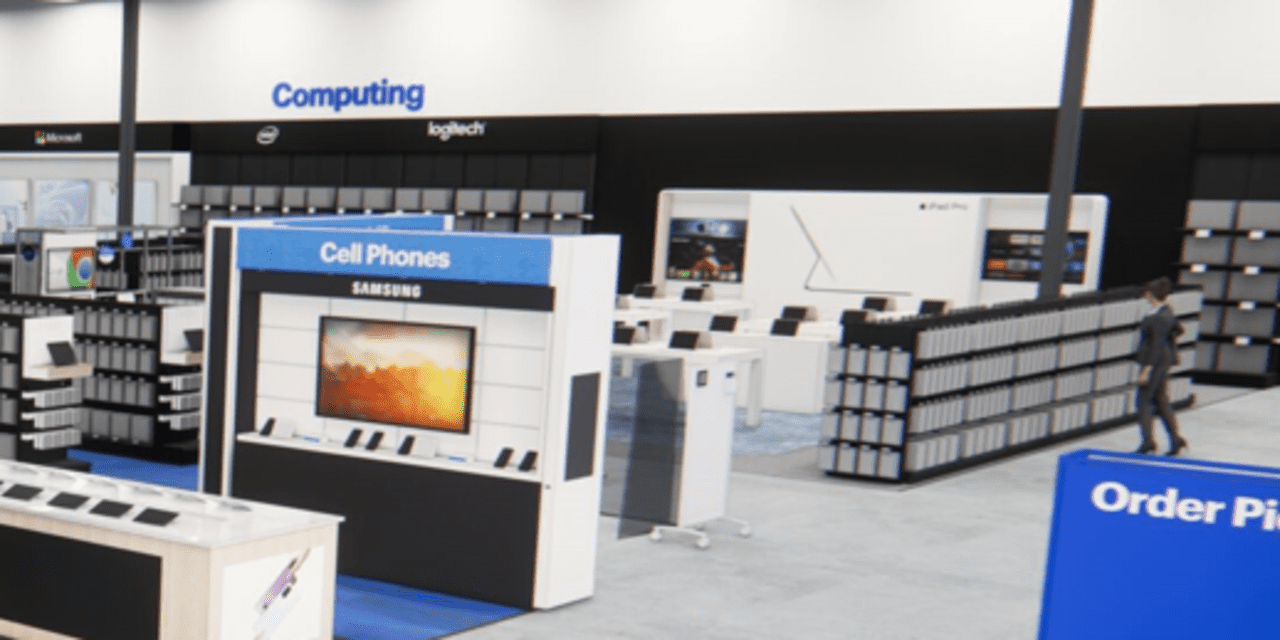
Market Defense Strategy: Focus on Companies with Stock Buybacks


- Buyback Strategy: Wolfe Research highlights that focusing on companies with at least 10 consecutive years of stock buybacks can provide defensive investment during market volatility, particularly excelling during economic downturns.
- Best Buy Performance: Best Buy, with a 5% dividend yield, made the list by returning $1.1 billion to shareholders through buybacks and dividends in fiscal 2026, and despite facing a sales slump, it reported a first-quarter earnings and revenue beat.
- Colgate-Palmolive Growth: Colgate-Palmolive's stock rose 13% in 2026, and it announced a $5 billion share repurchase program in March 2025, increasing its dividend to 53 cents per share, showcasing its strength as a Dividend Aristocrat.
- Honeywell Business Restructuring: Honeywell plans to spin off its aerospace business on June 29, focusing on automation, which is expected to enhance its market competitiveness, with shares up about 17% year to date.
See More

SpaceX Completes Historic IPO, Valuation Reaches $2.5 Trillion


- Successful IPO and Valuation: SpaceX completed its IPO at $135 per share, selling 555,555,555 shares and raising nearly $86 billion, achieving a valuation of $2.5 trillion, surpassing giants like Tesla and Meta, indicating strong market confidence in its growth prospects.
- Market Performance and Volatility: Despite a post-IPO drop of 12.28%, with a current price of $162.28, the stock's volatility reflects investor caution regarding SpaceX's future profitability, especially given its ongoing losses.
- Long-term Returns and Risks: Historical data from 1975 to 2021 shows that about 60% of IPO stocks had negative cumulative returns after three years, particularly among mature IPOs with over $100 million in annual revenue, although SpaceX's unique business model may allow it to defy this trend.
- AI Business Potential: SpaceX's AI division is seen as having immense growth potential, possibly valued in the trillions, yet the uncertainty between optimistic market expectations and actual profitability necessitates careful evaluation by investors.
See More

SpaceX Completes Historic IPO, Valuation Reaches $2.5 Trillion
- Successful IPO: SpaceX completed its IPO at $135 per share, successfully selling 555,555,555 shares and raising $75 billion, ultimately achieving a valuation of $2.5 trillion, reflecting strong market confidence in its future growth.
- Market Performance: Historical data indicates that about 60% of IPO stocks experience negative returns within three years; however, as a mature company with several multibillion-dollar businesses, SpaceX is expected to maintain relatively stable long-term performance.
- Investor Focus: SpaceX's unique growth opportunities, particularly in the AI sector, may justify its valuation despite current losses, prompting investors to carefully assess its future profitability.
- Analyst Insights: While the IPO price suggests an optimistic outlook, Morningstar notes that only under the most favorable scenarios could the price be justified, urging investors to conduct thorough research on its business model and market prospects.
See More
US Lifts Sanctions on Iranian Oil Trade
- Comprehensive Sanctions Rollback: The U.S. Treasury issued a 60-day exemption allowing Iran to produce and sell crude oil and petroleum products in U.S. dollars, marking the most extensive rollback of sanctions since the 1979 Islamic Revolution, expected to generate $8 to $9 billion in revenue for Iran.
- Surge in Exports: Iranian crude exports reached 6.79 million barrels last week, the highest in two months, as U.S.-Iran negotiations progressed, indicating a resurgence in market demand that could push prices above Brent.
- Rising Chinese Demand: The exemption allows Iran to receive oil proceeds directly into its central bank, reducing transaction costs, and is expected to lead to accelerated purchases from China, particularly by independent refineries, boosting Iran's economic recovery.
- Long-term Contracts Secured: Iran is likely to use this 60-day window to repair war-damaged oil facilities and secure long-term contracts with Chinese buyers, enhancing its economy and strengthening its position in the international market.
See More
Long-Term Returns from Buffett's Investment Advice
- Buffett's Investment Achievements: Warren Buffett's tenure as CEO of Berkshire Hathaway from 1965 to 2025 saw the company grow into a $1 trillion conglomerate, delivering a compound annual return of 19.7%, meaning a $1,000 investment in 1965 would have grown to $48.4 million by 2025, showcasing his exceptional investment acumen and market insight.
- ETF Investment Recommendation: Buffett advises investors to buy ETFs that track the S&P 500, such as the Vanguard S&P 500 ETF (VOO), which boasts an extremely low expense ratio of just 0.03% and broad market coverage, helping average investors achieve long-term stable returns, particularly with a 12.9% annual return since his 2014 recommendation.
- Diversification Advantage of S&P 500: The S&P 500 index comprises 500 profitable companies across 11 economic sectors, ensuring a diversified and stable investment portfolio, with the information technology sector alone accounting for 38.6%, including giants like Nvidia and Apple with a combined market cap of $15.4 trillion, enhancing investment security and growth potential.
- Future Investment Opportunities: With the rise of emerging technologies like artificial intelligence, autonomous vehicles, and quantum computing, investing in the Vanguard S&P 500 ETF remains a wise choice, providing investors with high-growth opportunities while achieving solid risk diversification through hundreds of stocks, ensuring competitiveness in future markets.
See More
Buffett's Investment Wisdom and ETF Recommendation
- Buffett's Success Journey: Warren Buffett transformed Berkshire Hathaway into a $1 trillion conglomerate from 1965 to 2025, achieving a compound annual return of 19.7%, meaning a $1,000 investment in 1965 would have grown to an astonishing $48.4 million by the time he stepped down.
- ETF Investment Recommendation: Buffett's recommendation of the Vanguard S&P 500 ETF (VOO) in 2014, praised for its extremely low expense ratio of just 0.03%, would have turned a $10,000 investment into approximately $42,887 today, showcasing its long-term investment potential and value.
- Diversity of S&P 500: The S&P 500 index includes 500 companies with a minimum market cap of $22.7 billion, ensuring high-quality constituents, with the information technology sector holding a 38.6% weighting, and major firms like Nvidia, Apple, and Microsoft collectively valued at $15.4 trillion, enhancing portfolio stability.
- Future Investment Opportunities: With the rise of technologies like artificial intelligence, autonomous vehicles, and quantum computing, the S&P 500 is expected to benefit from these high-growth areas, making investment in the Vanguard S&P 500 ETF a strategic move to capture future market opportunities, with Buffett's advice remaining highly relevant 12 years later.
See More
Market Defense Strategy: Focus on Companies with Stock Buybacks
- Buyback Strategy: Wolfe Research highlights that focusing on companies with at least 10 consecutive years of stock buybacks can provide defensive investment during market volatility, particularly excelling during economic downturns.
- Best Buy Performance: Best Buy, with a 5% dividend yield, made the list by returning $1.1 billion to shareholders through buybacks and dividends in fiscal 2026, and despite facing a sales slump, it reported a first-quarter earnings and revenue beat.
- Colgate-Palmolive Growth: Colgate-Palmolive's stock rose 13% in 2026, and it announced a $5 billion share repurchase program in March 2025, increasing its dividend to 53 cents per share, showcasing its strength as a Dividend Aristocrat.
- Honeywell Business Restructuring: Honeywell plans to spin off its aerospace business on June 29, focusing on automation, which is expected to enhance its market competitiveness, with shares up about 17% year to date.
See More
SpaceX Completes Historic IPO, Valuation Reaches $2.5 Trillion
- Successful IPO and Valuation: SpaceX completed its IPO at $135 per share, selling 555,555,555 shares and raising nearly $86 billion, achieving a valuation of $2.5 trillion, surpassing giants like Tesla and Meta, indicating strong market confidence in its growth prospects.
- Market Performance and Volatility: Despite a post-IPO drop of 12.28%, with a current price of $162.28, the stock's volatility reflects investor caution regarding SpaceX's future profitability, especially given its ongoing losses.
- Long-term Returns and Risks: Historical data from 1975 to 2021 shows that about 60% of IPO stocks had negative cumulative returns after three years, particularly among mature IPOs with over $100 million in annual revenue, although SpaceX's unique business model may allow it to defy this trend.
- AI Business Potential: SpaceX's AI division is seen as having immense growth potential, possibly valued in the trillions, yet the uncertainty between optimistic market expectations and actual profitability necessitates careful evaluation by investors.
See More
SpaceX Completes Historic IPO, Valuation Reaches $2.5 Trillion
- Successful IPO: SpaceX completed its IPO at $135 per share, successfully selling 555,555,555 shares and raising $75 billion, ultimately achieving a valuation of $2.5 trillion, reflecting strong market confidence in its future growth.
- Market Performance: Historical data indicates that about 60% of IPO stocks experience negative returns within three years; however, as a mature company with several multibillion-dollar businesses, SpaceX is expected to maintain relatively stable long-term performance.
- Investor Focus: SpaceX's unique growth opportunities, particularly in the AI sector, may justify its valuation despite current losses, prompting investors to carefully assess its future profitability.
- Analyst Insights: While the IPO price suggests an optimistic outlook, Morningstar notes that only under the most favorable scenarios could the price be justified, urging investors to conduct thorough research on its business model and market prospects.
See More