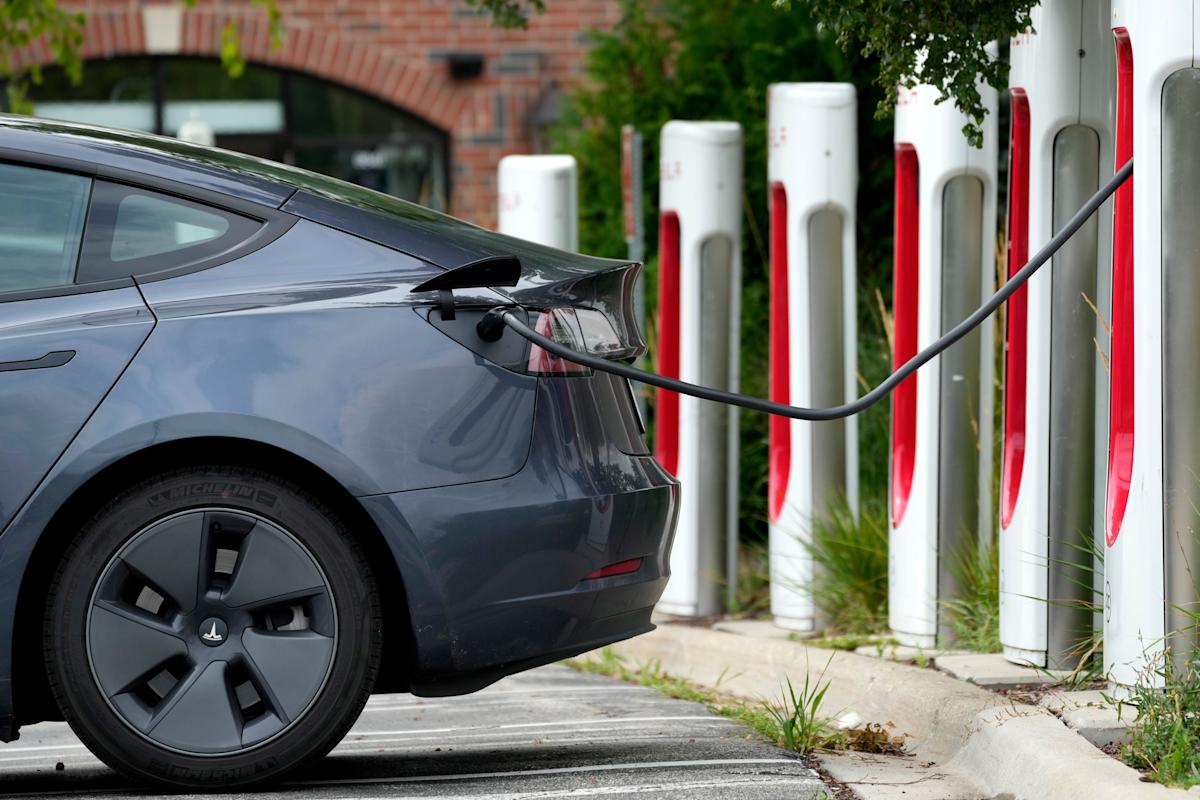
JPMorgan: Costco to Benefit Most from Tax Season
Written by Emily J. Thompson, Senior Investment Analyst
Updated: Feb 06 2026
0mins
Should l Buy WMT?
Source: CNBC
- Tax Season Gains: JPMorgan analysts highlight that Costco is poised to benefit the most in the upcoming tax season, as consumers are expected to receive larger refunds, particularly compared to BJ's Wholesale and Walmart's Sam's Club.
- Market Performance Insight: Costco's stock has risen about 15% year-to-date in 2026, recovering from a 6% decline in 2025, indicating strong potential for recovery driven by tax stimulus.
- Consumer Demographic Advantage: With a membership base skewed towards mid- to high-end consumers, analysts believe Costco is well-positioned to attract shoppers during the tax season, especially with its strong performance in big-ticket merchandise.
- Overall Retail Impact: JPMorgan estimates that last year's tax law changes could lead to over a 1% increase in core retail sales in 2026, with the impact being particularly pronounced during the tax refund season, further solidifying Costco's market position.
Trade with 70% Backtested Accuracy
Stop guessing "Should I Buy WMT?" and start using high-conviction signals backed by rigorous historical data.
Sign up today to access powerful investing tools and make smarter, data-driven decisions.
Analyst Views on WMT
Wall Street analysts forecast WMT stock price to fall
26 Analyst Rating
25 Buy
1 Hold
0 Sell
Strong Buy
Current: 132.030

Low
119.00
Averages
125.75
High
136.00
Current: 132.030
Low
119.00
Averages
125.75
High
136.00
About WMT
Walmart Inc. is a technology-powered omnichannel retailer. The Company is engaged in the operation of retail and wholesale stores and clubs, as well as eCommerce Websites and mobile applications, located throughout the United States (U.S.), Africa, Canada, Central America, Chile, China, India and Mexico. It operates in three reportable segments: Walmart U.S., Walmart International and Sam's Club U.S. The Walmart U.S. segment includes the Company's mass merchandising concept in the U.S., as well as eCommerce, which includes omni-channel initiatives and certain other business offerings such as advertising services. The Walmart International segment consists of the Company's operations outside of the U.S. through its subsidiaries, as well as eCommerce and omni-channel initiatives. The Sam's Club U.S. segment includes the warehouse membership clubs in the U.S., as well as samsclub.com and omni-channel initiatives.
About the author

Emily J. Thompson
Emily J. Thompson, a Chartered Financial Analyst (CFA) with 12 years in investment research, graduated with honors from the Wharton School. Specializing in industrial and technology stocks, she provides in-depth analysis for Intellectia’s earnings and market brief reports.
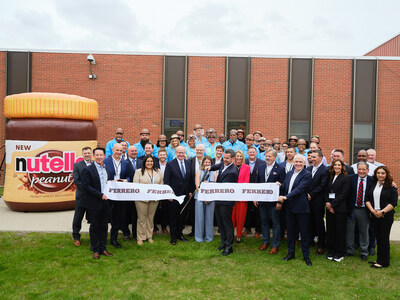
Ferrero Invests $75 Million in Illinois Plant for New Nutella Flavor

- New Product Line Launch: Ferrero's $75 million investment in its Franklin Park, Illinois plant initiates the production of Nutella Peanut, creating 50 new jobs and marking the brand's first-ever new flavor manufactured in the U.S.
- Local Economic Boost: This investment enhances Ferrero's footprint in the U.S. while partnering with Walmart to drive local economic development, showcasing the positive impact of manufacturing on communities.
- Agricultural Investment: Nutella Peanut is made with hazelnuts sourced from Oregon and peanuts from Georgia and other Southeastern states, reflecting Ferrero's commitment to supporting U.S. agriculture and local supply chains.
- Innovation Meets Manufacturing: The expansion in Franklin Park not only continues a production legacy dating back to the 1960s but also highlights the synergy between innovation and manufacturing, reinforcing Illinois's status as a hub for advanced manufacturing.
See More
Walmart's $2.4 Billion Investment to Expand International Markets
- Significant Investment: Walmart plans to invest $2.4 billion in Mexico and Chile, with a 10% increase in Mexico aimed at enhancing in-store experiences and distribution networks, supporting the long-term goal of opening 1,500 new stores between 2025 and 2029.
- Chile Distribution Center Expansion: In Chile, Walmart will double the size of its Pudahuel facility to 130,000 square meters, expected to improve delivery times by 25% and incorporate over 2,300 robots, enhancing efficiency and technological advancement.
- International Market Strategy: With U.S. sales accounting for two-thirds of total revenue, Walmart is increasingly focusing on international expansion, recognizing the significant growth opportunities available in these markets.
- Long-term Growth Outlook: By methodically investing and expanding its geographic footprint, Walmart has solidified its position as one of the world's largest consumer staples companies, with substantial growth potential in international markets in the coming years.
See More

Walmart's Strategic Investments in Mexico and Chile
- Investment Growth: Walmart plans to invest $2.4 billion in Mexico and Chile, with a 10% increase in Mexico by 2026, supporting the long-term goal of opening 1,500 new stores between 2025 and 2029.
- Distribution Network Upgrade: In Chile, Walmart is expanding its Pudahuel facility to 130,000 square meters, expected to improve delivery efficiency by 25% and incorporate over 2,300 robots to enhance technological capabilities.
- Market Expansion Strategy: While the U.S. market accounts for two-thirds of Walmart's revenue, the company is strategically shifting focus to international markets to capture larger growth opportunities.
- Global Retail Giant: As one of the world's largest consumer staples companies, Walmart has solidified its market dominance through continuous investment and geographic expansion, with significant growth potential in the coming years.
See More
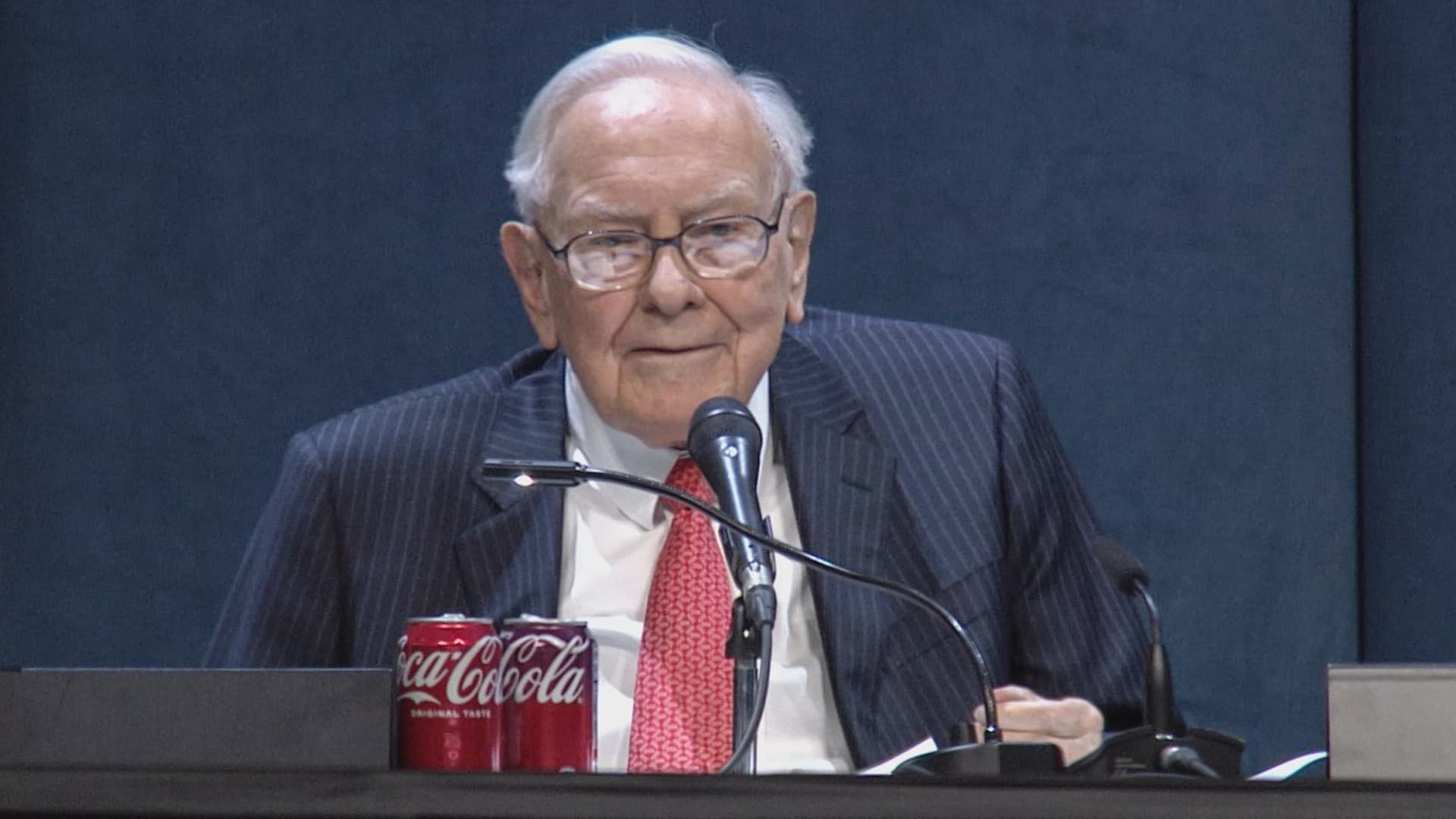
Berkshire Hathaway Shares Decline Amid Market Gains


- Stock Underperformance: Berkshire Hathaway's B shares fell approximately 1% this week while the S&P 500 rose 0.6%, increasing the relative underperformance to 11.3 percentage points, indicating investor concerns about the company's future prospects.
- Buyback Potential: UBS analyst Brian Meredith estimates Berkshire is trading at an 8% discount to its intrinsic value, with expectations for 2026 repurchases raised to $1.7 billion, which could attract more investor interest in the stock.
- Management Changes Impact: New CEO Greg Abel has unloaded approximately $16 billion in stocks managed by Todd Combs, which may affect portfolio diversity but also provides Abel with a chance for direct management of the remaining assets.
- Market Value Shift: Walmart's market value has surged over 35% in the past year, surpassing Berkshire to become the ninth largest company in the U.S., reflecting market preference for retail over concerns regarding Berkshire's growth trajectory.
See More
Walmart Shares Dip as Market Sentiment Turns Cautious
- Stock Decline: Walmart (WMT) shares fell 1.50% to $130.05 in afternoon trading on Friday, ending a six-session winning streak, indicating a shift in market sentiment.
- Market Performance Comparison: Between April 16 and April 23, Walmart's stock rose approximately 5.8%, while the S&P 500 only increased by 0.95%, showcasing Walmart's relative strength, although the recent pullback raises concerns.
- Analyst Rating Discrepancies: According to Seeking Alpha's QuantRating system, Walmart is rated a Hold with a score of 3.38, receiving an A+ for profitability but an F for valuation, reflecting market worries about its future growth.
- Year-to-Date Performance: Despite the recent decline, Walmart shares are still up 17.8% year-to-date and have gained around 5.8% in the past month, indicating resilience in the overall market.
See More

Consumer Staples Shine as Safe Haven in 2026 Market


- Costco's Stable Growth: Costco has delivered net sales growth in all but one of the last 33 years, with a 1.5% decline in 2009 due to the recession, demonstrating resilience in uncertain markets; despite a high P/E ratio of 53, its customer loyalty and low churn rate make it a safe stock.
- Coca-Cola's High-Margin Model: With a 27% net margin and 64 years of dividend increases, Coca-Cola showcases its strength as a beverage industry leader; although trading at a P/E of 25, its iconic brand and extensive product line justify this premium.
- Walmart's Market Position: As the second-largest company in the U.S., Walmart's market cap exceeds $1 trillion, with a 39% stock price increase over the past year, and only one year of negative growth in decades, highlighting its stability during economic fluctuations, complemented by 53 years of dividend growth.
- Attraction of Consumer Staples: In 2026, the demand for safe investments has driven growth in the consumer staples sector, particularly for companies like Costco, Coca-Cola, and Walmart, which are favored by investors for their performance in uncertain market conditions.
See More
Ferrero Invests $75 Million in Illinois Plant for New Nutella Flavor
- New Product Line Launch: Ferrero's $75 million investment in its Franklin Park, Illinois plant initiates the production of Nutella Peanut, creating 50 new jobs and marking the brand's first-ever new flavor manufactured in the U.S.
- Local Economic Boost: This investment enhances Ferrero's footprint in the U.S. while partnering with Walmart to drive local economic development, showcasing the positive impact of manufacturing on communities.
- Agricultural Investment: Nutella Peanut is made with hazelnuts sourced from Oregon and peanuts from Georgia and other Southeastern states, reflecting Ferrero's commitment to supporting U.S. agriculture and local supply chains.
- Innovation Meets Manufacturing: The expansion in Franklin Park not only continues a production legacy dating back to the 1960s but also highlights the synergy between innovation and manufacturing, reinforcing Illinois's status as a hub for advanced manufacturing.
See More
Walmart's $2.4 Billion Investment to Expand International Markets
- Significant Investment: Walmart plans to invest $2.4 billion in Mexico and Chile, with a 10% increase in Mexico aimed at enhancing in-store experiences and distribution networks, supporting the long-term goal of opening 1,500 new stores between 2025 and 2029.
- Chile Distribution Center Expansion: In Chile, Walmart will double the size of its Pudahuel facility to 130,000 square meters, expected to improve delivery times by 25% and incorporate over 2,300 robots, enhancing efficiency and technological advancement.
- International Market Strategy: With U.S. sales accounting for two-thirds of total revenue, Walmart is increasingly focusing on international expansion, recognizing the significant growth opportunities available in these markets.
- Long-term Growth Outlook: By methodically investing and expanding its geographic footprint, Walmart has solidified its position as one of the world's largest consumer staples companies, with substantial growth potential in international markets in the coming years.
See More
Walmart's Strategic Investments in Mexico and Chile
- Investment Growth: Walmart plans to invest $2.4 billion in Mexico and Chile, with a 10% increase in Mexico by 2026, supporting the long-term goal of opening 1,500 new stores between 2025 and 2029.
- Distribution Network Upgrade: In Chile, Walmart is expanding its Pudahuel facility to 130,000 square meters, expected to improve delivery efficiency by 25% and incorporate over 2,300 robots to enhance technological capabilities.
- Market Expansion Strategy: While the U.S. market accounts for two-thirds of Walmart's revenue, the company is strategically shifting focus to international markets to capture larger growth opportunities.
- Global Retail Giant: As one of the world's largest consumer staples companies, Walmart has solidified its market dominance through continuous investment and geographic expansion, with significant growth potential in the coming years.
See More
Berkshire Hathaway Shares Decline Amid Market Gains
- Stock Underperformance: Berkshire Hathaway's B shares fell approximately 1% this week while the S&P 500 rose 0.6%, increasing the relative underperformance to 11.3 percentage points, indicating investor concerns about the company's future prospects.
- Buyback Potential: UBS analyst Brian Meredith estimates Berkshire is trading at an 8% discount to its intrinsic value, with expectations for 2026 repurchases raised to $1.7 billion, which could attract more investor interest in the stock.
- Management Changes Impact: New CEO Greg Abel has unloaded approximately $16 billion in stocks managed by Todd Combs, which may affect portfolio diversity but also provides Abel with a chance for direct management of the remaining assets.
- Market Value Shift: Walmart's market value has surged over 35% in the past year, surpassing Berkshire to become the ninth largest company in the U.S., reflecting market preference for retail over concerns regarding Berkshire's growth trajectory.
See More
Walmart Shares Dip as Market Sentiment Turns Cautious
- Stock Decline: Walmart (WMT) shares fell 1.50% to $130.05 in afternoon trading on Friday, ending a six-session winning streak, indicating a shift in market sentiment.
- Market Performance Comparison: Between April 16 and April 23, Walmart's stock rose approximately 5.8%, while the S&P 500 only increased by 0.95%, showcasing Walmart's relative strength, although the recent pullback raises concerns.
- Analyst Rating Discrepancies: According to Seeking Alpha's QuantRating system, Walmart is rated a Hold with a score of 3.38, receiving an A+ for profitability but an F for valuation, reflecting market worries about its future growth.
- Year-to-Date Performance: Despite the recent decline, Walmart shares are still up 17.8% year-to-date and have gained around 5.8% in the past month, indicating resilience in the overall market.
See More
Consumer Staples Shine as Safe Haven in 2026 Market
- Costco's Stable Growth: Costco has delivered net sales growth in all but one of the last 33 years, with a 1.5% decline in 2009 due to the recession, demonstrating resilience in uncertain markets; despite a high P/E ratio of 53, its customer loyalty and low churn rate make it a safe stock.
- Coca-Cola's High-Margin Model: With a 27% net margin and 64 years of dividend increases, Coca-Cola showcases its strength as a beverage industry leader; although trading at a P/E of 25, its iconic brand and extensive product line justify this premium.
- Walmart's Market Position: As the second-largest company in the U.S., Walmart's market cap exceeds $1 trillion, with a 39% stock price increase over the past year, and only one year of negative growth in decades, highlighting its stability during economic fluctuations, complemented by 53 years of dividend growth.
- Attraction of Consumer Staples: In 2026, the demand for safe investments has driven growth in the consumer staples sector, particularly for companies like Costco, Coca-Cola, and Walmart, which are favored by investors for their performance in uncertain market conditions.
See More