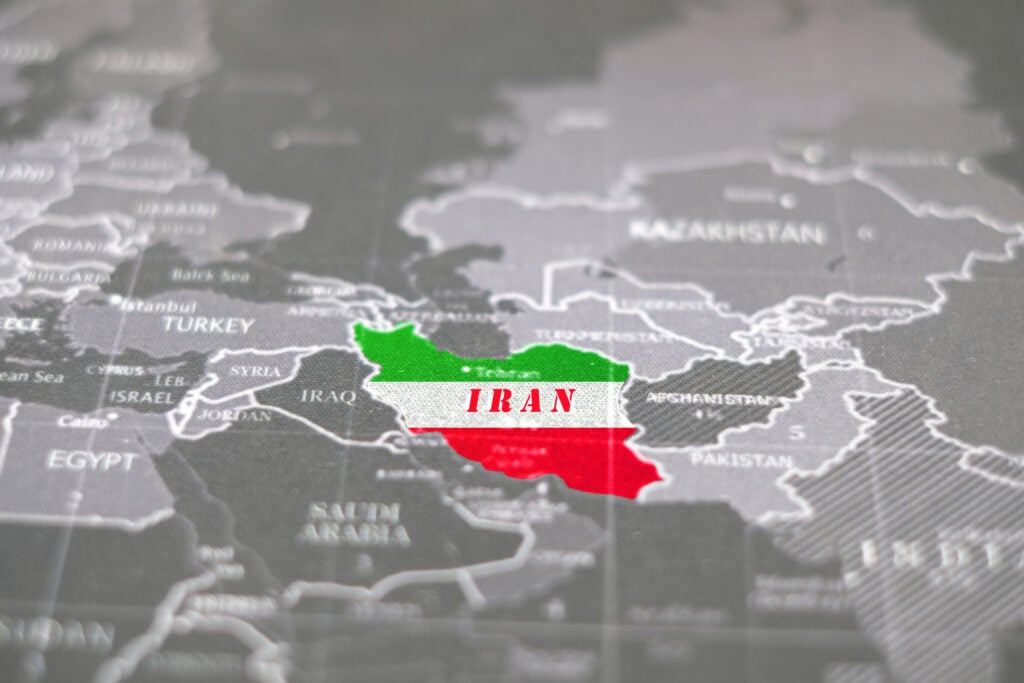
Iran's Supreme Leader Khamenei Killed, Escalating US-Iran Tensions
Written by Emily J. Thompson, Senior Investment Analyst
Updated: 1 hour ago
0mins
Source: CNBC
- Conflict Escalation: President Trump announced on social media his intent to avenge the deaths of three U.S. service members, confirming that military operations in Iran will continue, indicating a significant increase in U.S. military involvement in the Middle East.
- Retaliation Threats: Military historian David Silbey warned that Iran may retaliate more aggressively against the U.S.-Israeli strikes, potentially launching missile attacks on U.S. military bases in the Gulf, which could further escalate regional tensions.
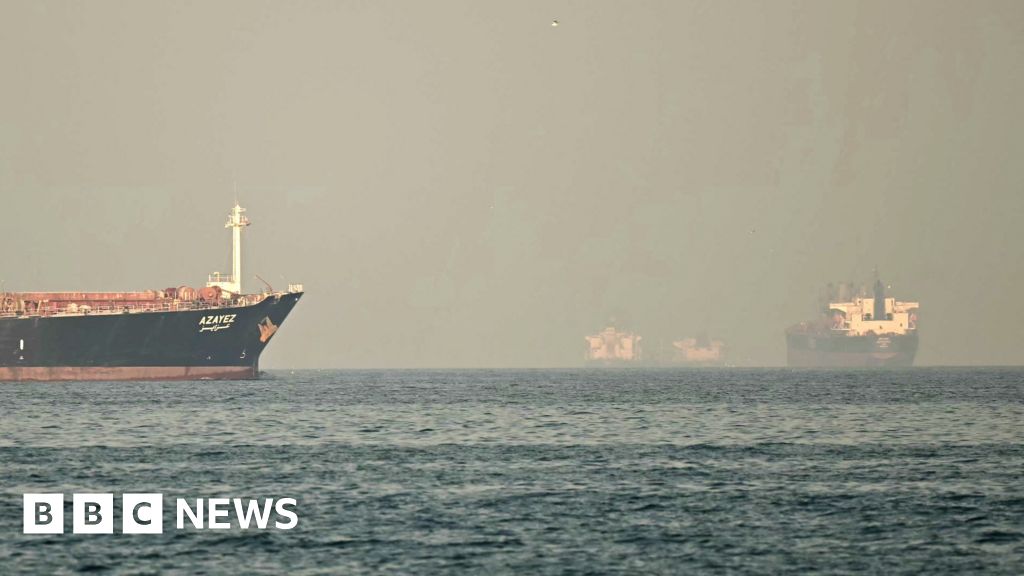
- Energy Market Turmoil: Amid fears of supply disruptions, U.S. crude oil prices surged over 7% on Sunday evening, with tankers beginning to accumulate near the Strait of Hormuz, reflecting market panic over potential price spikes in the near future.
- Flight Cancellations: Airlines in the Middle East canceled hundreds of flights due to security concerns, with Air India suspending all flights to the region, highlighting the immediate impact of the conflict on global air travel.
Trade with 70% Backtested Accuracy
Stop guessing "Should I Buy XOM?" and start using high-conviction signals backed by rigorous historical data.
Sign up today to access powerful investing tools and make smarter, data-driven decisions.
Analyst Views on XOM
Wall Street analysts forecast XOM stock price to fall
19 Analyst Rating
12 Buy
7 Hold
0 Sell
Moderate Buy
Current: 148.540

Low
114.00
Averages
132.17
High
158.00
Current: 148.540
Low
114.00
Averages
132.17
High
158.00
About XOM
Exxon Mobil Corporation is an energy provider and chemical manufacturer. The Company’s principal business involves exploration for, and production of, crude oil and natural gas; the manufacture, trade, transport and sale of crude oil, natural gas, petroleum products, petrochemicals and a wide variety of specialty products; and pursuit of lower-emission and other new business opportunities, including carbon capture and storage, hydrogen, lower-emission fuels, Proxxima systems, carbon materials, and lithium. Its Upstream segment explores for and produces crude oil and natural gas. The Energy Products, Chemical Products, and Specialty Products segments manufacture and sell petroleum products and petrochemicals. Energy Products segment includes fuels, aromatics, and catalysts and licensing. Chemical Products segment consists of olefins, polyolefins, and intermediates. Specialty Products segment includes finished lubricants, basestocks and waxes, synthetics, and elastomers and resins.
About the author

Emily J. Thompson
Emily J. Thompson, a Chartered Financial Analyst (CFA) with 12 years in investment research, graduated with honors from the Wharton School. Specializing in industrial and technology stocks, she provides in-depth analysis for Intellectia’s earnings and market brief reports.

U.S.-Israeli Military Actions on Iran Trigger Market Turmoil


- Market Reaction: U.S. stock futures fell sharply, with S&P 500 futures down 1.1% and Dow futures down 1.2%, reflecting heightened investor sensitivity to geopolitical risks following U.S.-Israeli military strikes on Iran.
- Oil Price Surge: Oil prices jumped 13% in early trading amid escalating supply risks in the Strait of Hormuz, raising inflation concerns and potentially leading to significant increases in gasoline prices that could impact consumer spending.
- Escalating Military Conflict: Trump confirmed ongoing U.S. military operations in Iran, which have resulted in three American servicemembers killed and five seriously wounded, further intensifying market fears of a broader regional conflict.
- Safe-Haven Assets in Demand: As geopolitical tensions rise, gold prices rallied to $5,350 per ounce, and the bond market showed defensive positioning with 10-year Treasury futures firming, indicating a reassessment of risk by investors.
See More

Iran's Supreme Leader Khamenei Killed, Escalating US-Iran Tensions

- Conflict Escalation: President Trump announced on social media his intent to avenge the deaths of three U.S. service members, confirming that military operations in Iran will continue, indicating a significant increase in U.S. military involvement in the Middle East.
- Retaliation Threats: Military historian David Silbey warned that Iran may retaliate more aggressively against the U.S.-Israeli strikes, potentially launching missile attacks on U.S. military bases in the Gulf, which could further escalate regional tensions.
- Energy Market Turmoil: Amid fears of supply disruptions, U.S. crude oil prices surged over 7% on Sunday evening, with tankers beginning to accumulate near the Strait of Hormuz, reflecting market panic over potential price spikes in the near future.
- Flight Cancellations: Airlines in the Middle East canceled hundreds of flights due to security concerns, with Air India suspending all flights to the region, highlighting the immediate impact of the conflict on global air travel.
See More

Escalating Iran Conflict Triggers Market Turmoil

- Market Reaction: Asia-Pacific markets tumbled on Monday as the conflict between Iran and the U.S.-Israel escalated, with Japan's Nikkei 225 index dropping nearly 2% at open, reflecting heightened investor concerns over the situation.
- Oil Price Surge: Following the death of Iranian Supreme Leader Khamenei, oil futures jumped over 8%, with West Texas Intermediate and Brent trading at $72.52 and $79.04 per barrel respectively, indicating market anxiety over energy supply disruptions.
- Increased Gold Demand: As investors flocked to global safe-haven assets, gold futures rose by 2.3%, highlighting growing fears of uncertainty and a desire to protect investments amid geopolitical tensions.
- U.S. Stock Futures Decline: Following the weekend strikes in Iran, Dow Jones Industrial Average futures fell by 517 points, or 1%, with S&P 500 and Nasdaq 100 futures also declining over 1%, showcasing the market's sensitivity to geopolitical risks.
See More

U.S.-Israel Airstrikes on Iran Trigger Market Turmoil


- Middle East Market Decline: Following the U.S. and Israeli airstrikes on Iran, Middle Eastern stock markets faced significant declines on their first trading day, with Saudi Arabia's Tadawul, Oman's Muscat index, and Bahrain's exchange all trading in the red, reflecting investor anxiety over the escalating conflict.
- Oil Price Surge Anticipation: Traders are predicting that Brent crude prices will spike above $80 per barrel due to the airstrikes, despite OPEC's recent decision to increase output, indicating heightened volatility in the global oil market.
- Strait of Hormuz Closure: The closure of the Strait of Hormuz has led global shipping companies to suspend all vessel transit, increasing shipping times and costs, which further exacerbates oil price instability in the wake of retaliatory strikes by Iran's Revolutionary Guard.
- Air Travel Disruption: The airspace across the Middle East has been largely closed since the strikes, resulting in over 1,500 flight cancellations and more than 19,000 global flight delays, placing immense operational pressure on airlines as they work to reopen routes and arrange repatriation flights.
See More

Middle East Turmoil Triggers Market Panic

- Oil Price Surge Impact: The closure of the Strait of Hormuz due to U.S. and Israeli attacks on Iran has led to skyrocketing oil prices, which are expected to exacerbate inflation and hinder the Federal Reserve's ability to cut interest rates, posing significant obstacles to economic recovery.
- Private Equity Crisis: Private equity and private credit firms are facing a trust crisis as they are perceived as high-risk debt bearers, leading to a sharp decline in market confidence regarding their future, which could result in a wave of bankruptcies and further heighten recession risks.
- Nvidia Under Customer Pressure: Despite Nvidia reporting strong quarterly results last week, concerns over future demand have intensified as competitors Amazon and Alphabet launched cheaper chips, causing its stock price to drop from $196 to $176, reflecting investor panic in the tech sector.
- Layoff Wave Triggers Market Turmoil: Block's announcement of a 40% workforce reduction has sparked concerns about the future of the tech industry; while this move may boost stock prices in the short term, it risks losing top talent and undermining operational stability and market confidence in the long run.
See More
Oil Prices Expected to Surge Amid U.S.-Iran Conflict Fears
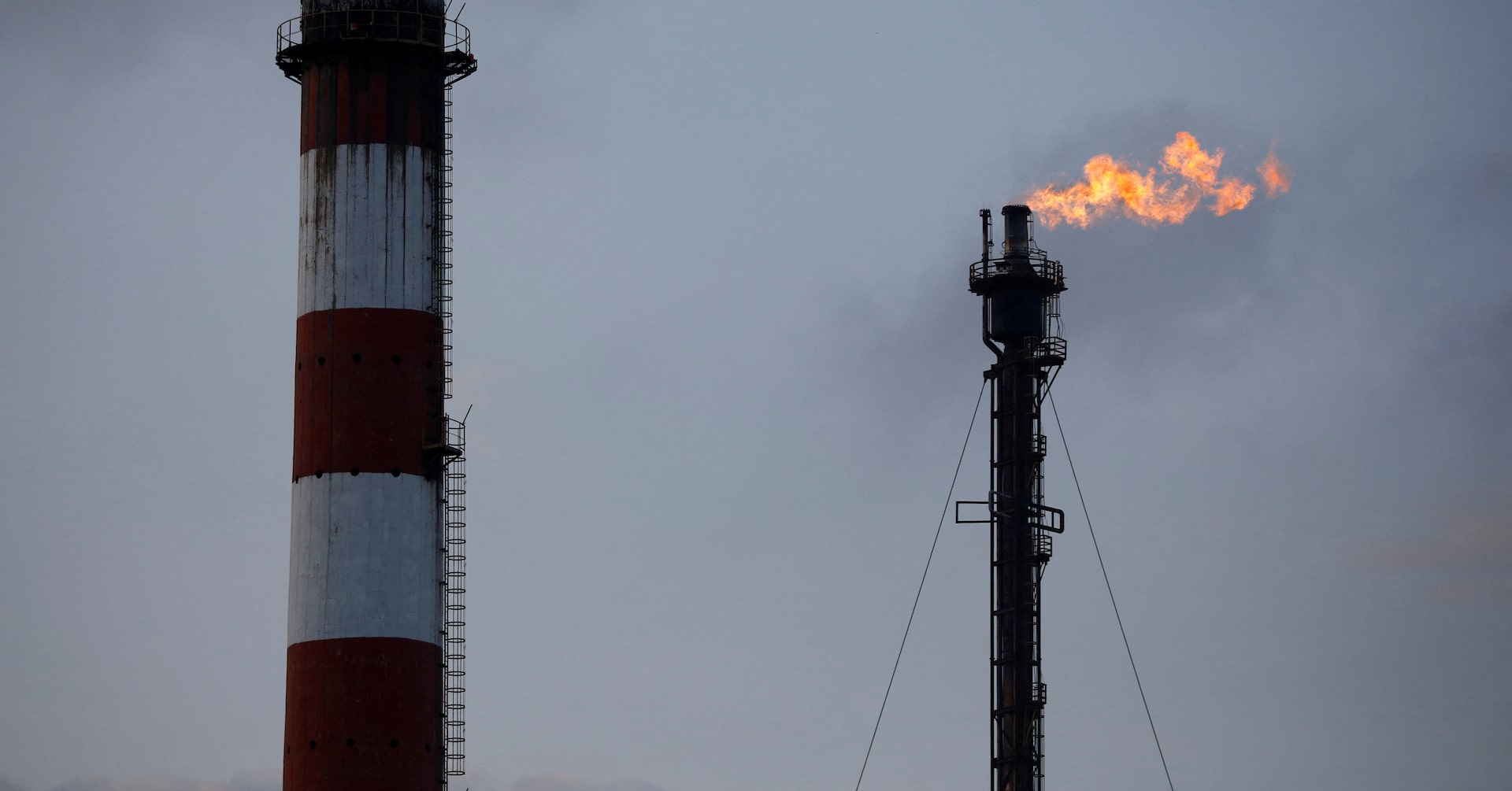
- Price Predictions: Market participants anticipate U.S. crude oil prices could rise to $73 per barrel from the current $67.02, reflecting a 17% increase year-to-date due to fears surrounding the Iran conflict.
- Brent Crude Outlook: Brent crude futures closed at $73.21 on Friday, up 20% this year, with expectations of a potential $20 surge at market open, indicating strong market reactions to supply disruption fears.
- Strait of Hormuz Impact: The Strait of Hormuz, a critical oil transport route, saw an average of 14 million barrels per day in 2025; any escalation in conflict could lead to a complete halt in tanker traffic, significantly affecting global oil supply.
- Analyst Insights: Barclays analysts predict Brent crude could hit $100 per barrel at market open, highlighting the market's acute sensitivity to potential supply disruptions and the significant uncertainty surrounding the situation's resolution.
See More
U.S.-Israeli Military Actions on Iran Trigger Market Turmoil
- Market Reaction: U.S. stock futures fell sharply, with S&P 500 futures down 1.1% and Dow futures down 1.2%, reflecting heightened investor sensitivity to geopolitical risks following U.S.-Israeli military strikes on Iran.
- Oil Price Surge: Oil prices jumped 13% in early trading amid escalating supply risks in the Strait of Hormuz, raising inflation concerns and potentially leading to significant increases in gasoline prices that could impact consumer spending.
- Escalating Military Conflict: Trump confirmed ongoing U.S. military operations in Iran, which have resulted in three American servicemembers killed and five seriously wounded, further intensifying market fears of a broader regional conflict.
- Safe-Haven Assets in Demand: As geopolitical tensions rise, gold prices rallied to $5,350 per ounce, and the bond market showed defensive positioning with 10-year Treasury futures firming, indicating a reassessment of risk by investors.
See More
Iran's Supreme Leader Khamenei Killed, Escalating US-Iran Tensions
- Conflict Escalation: President Trump announced on social media his intent to avenge the deaths of three U.S. service members, confirming that military operations in Iran will continue, indicating a significant increase in U.S. military involvement in the Middle East.
- Retaliation Threats: Military historian David Silbey warned that Iran may retaliate more aggressively against the U.S.-Israeli strikes, potentially launching missile attacks on U.S. military bases in the Gulf, which could further escalate regional tensions.
- Energy Market Turmoil: Amid fears of supply disruptions, U.S. crude oil prices surged over 7% on Sunday evening, with tankers beginning to accumulate near the Strait of Hormuz, reflecting market panic over potential price spikes in the near future.
- Flight Cancellations: Airlines in the Middle East canceled hundreds of flights due to security concerns, with Air India suspending all flights to the region, highlighting the immediate impact of the conflict on global air travel.
See More
Escalating Iran Conflict Triggers Market Turmoil
- Market Reaction: Asia-Pacific markets tumbled on Monday as the conflict between Iran and the U.S.-Israel escalated, with Japan's Nikkei 225 index dropping nearly 2% at open, reflecting heightened investor concerns over the situation.
- Oil Price Surge: Following the death of Iranian Supreme Leader Khamenei, oil futures jumped over 8%, with West Texas Intermediate and Brent trading at $72.52 and $79.04 per barrel respectively, indicating market anxiety over energy supply disruptions.
- Increased Gold Demand: As investors flocked to global safe-haven assets, gold futures rose by 2.3%, highlighting growing fears of uncertainty and a desire to protect investments amid geopolitical tensions.
- U.S. Stock Futures Decline: Following the weekend strikes in Iran, Dow Jones Industrial Average futures fell by 517 points, or 1%, with S&P 500 and Nasdaq 100 futures also declining over 1%, showcasing the market's sensitivity to geopolitical risks.
See More
U.S.-Israel Airstrikes on Iran Trigger Market Turmoil
- Middle East Market Decline: Following the U.S. and Israeli airstrikes on Iran, Middle Eastern stock markets faced significant declines on their first trading day, with Saudi Arabia's Tadawul, Oman's Muscat index, and Bahrain's exchange all trading in the red, reflecting investor anxiety over the escalating conflict.
- Oil Price Surge Anticipation: Traders are predicting that Brent crude prices will spike above $80 per barrel due to the airstrikes, despite OPEC's recent decision to increase output, indicating heightened volatility in the global oil market.
- Strait of Hormuz Closure: The closure of the Strait of Hormuz has led global shipping companies to suspend all vessel transit, increasing shipping times and costs, which further exacerbates oil price instability in the wake of retaliatory strikes by Iran's Revolutionary Guard.
- Air Travel Disruption: The airspace across the Middle East has been largely closed since the strikes, resulting in over 1,500 flight cancellations and more than 19,000 global flight delays, placing immense operational pressure on airlines as they work to reopen routes and arrange repatriation flights.
See More
Middle East Turmoil Triggers Market Panic
- Oil Price Surge Impact: The closure of the Strait of Hormuz due to U.S. and Israeli attacks on Iran has led to skyrocketing oil prices, which are expected to exacerbate inflation and hinder the Federal Reserve's ability to cut interest rates, posing significant obstacles to economic recovery.
- Private Equity Crisis: Private equity and private credit firms are facing a trust crisis as they are perceived as high-risk debt bearers, leading to a sharp decline in market confidence regarding their future, which could result in a wave of bankruptcies and further heighten recession risks.
- Nvidia Under Customer Pressure: Despite Nvidia reporting strong quarterly results last week, concerns over future demand have intensified as competitors Amazon and Alphabet launched cheaper chips, causing its stock price to drop from $196 to $176, reflecting investor panic in the tech sector.
- Layoff Wave Triggers Market Turmoil: Block's announcement of a 40% workforce reduction has sparked concerns about the future of the tech industry; while this move may boost stock prices in the short term, it risks losing top talent and undermining operational stability and market confidence in the long run.
See More
Oil Prices Expected to Surge Amid U.S.-Iran Conflict Fears
- Price Predictions: Market participants anticipate U.S. crude oil prices could rise to $73 per barrel from the current $67.02, reflecting a 17% increase year-to-date due to fears surrounding the Iran conflict.
- Brent Crude Outlook: Brent crude futures closed at $73.21 on Friday, up 20% this year, with expectations of a potential $20 surge at market open, indicating strong market reactions to supply disruption fears.
- Strait of Hormuz Impact: The Strait of Hormuz, a critical oil transport route, saw an average of 14 million barrels per day in 2025; any escalation in conflict could lead to a complete halt in tanker traffic, significantly affecting global oil supply.
- Analyst Insights: Barclays analysts predict Brent crude could hit $100 per barrel at market open, highlighting the market's acute sensitivity to potential supply disruptions and the significant uncertainty surrounding the situation's resolution.
See More