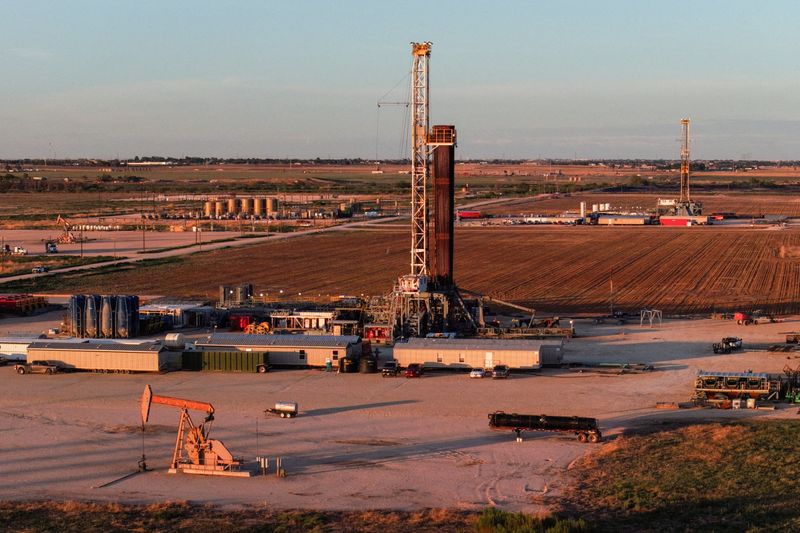
Iran Airstrikes Disrupt Steel Production
Written by Emily J. Thompson, Senior Investment Analyst
Updated: Apr 04 2026
0mins

Should l Buy MT?
Source: Yahoo Finance
- Production Disruption: Recent airstrikes on Iran's two largest steel plants, Mobarakeh and Khuzestan, have disrupted production, with these facilities representing less than 20% of Iran's total steel capacity; however, as national utilization rates were already below 50% before the strikes, recovery could be swift by reallocating output to unaffected sites.
- Regional Market Volatility: The impact on the Gulf Cooperation Council (GCC) countries is more pronounced, as approximately 65% of their steel capacity is constrained by reliance on the Strait of Hormuz for raw material imports, meaning that direct military strikes on GCC plants would have a limited incremental effect on production levels.
- Increased Import Reliance: With domestic capacity under threat, the Middle East is expected to deepen its reliance on international markets to fill the supply gap, as the GCC is already a major net importer of steel, with China supplying over 60% of its imports, which may drive higher global blast furnace utilization rates.
- Raw Material Price Surge: Middle Eastern buyers seeking to secure finished steel from Asian exporters could lead to a
Trade with 70% Backtested Accuracy
Stop guessing "Should I Buy MT?" and start using high-conviction signals backed by rigorous historical data.
Sign up today to access powerful investing tools and make smarter, data-driven decisions.
Analyst Views on MT
Wall Street analysts forecast MT stock price to fall
5 Analyst Rating
3 Buy
2 Hold
0 Sell
Moderate Buy
Current: 61.140

Low
39.00
Averages
44.67
High
49.00
Current: 61.140
Low
39.00
Averages
44.67
High
49.00
About MT
ArcelorMittal SA is a Luxembourg-based holding company. The Company, via its subsidiaries, owns and operates steel, iron ore manufacturing and coal mining facilities in Europe, North and South America, Asia, and Africa. The Company is organized in five operating segments: NAFTA; Brazil; Europe; Africa and Commonwealth of Independent States (ACIS), and Mining. The NAFTA, Brazil, Europe, and ACIS segments produce flat, long, and tubular products including slabs, hot-rolled coil, cold-rolled coil, coated steel products, among others. The Mining segment provides steel operations and comprises all mines owned by the Company in the Americas, Europe, Africa, and countries of the Commonwealth of Independent States (CIS).
About the author

Emily J. Thompson
Emily J. Thompson, a Chartered Financial Analyst (CFA) with 12 years in investment research, graduated with honors from the Wharton School. Specializing in industrial and technology stocks, she provides in-depth analysis for Intellectia’s earnings and market brief reports.
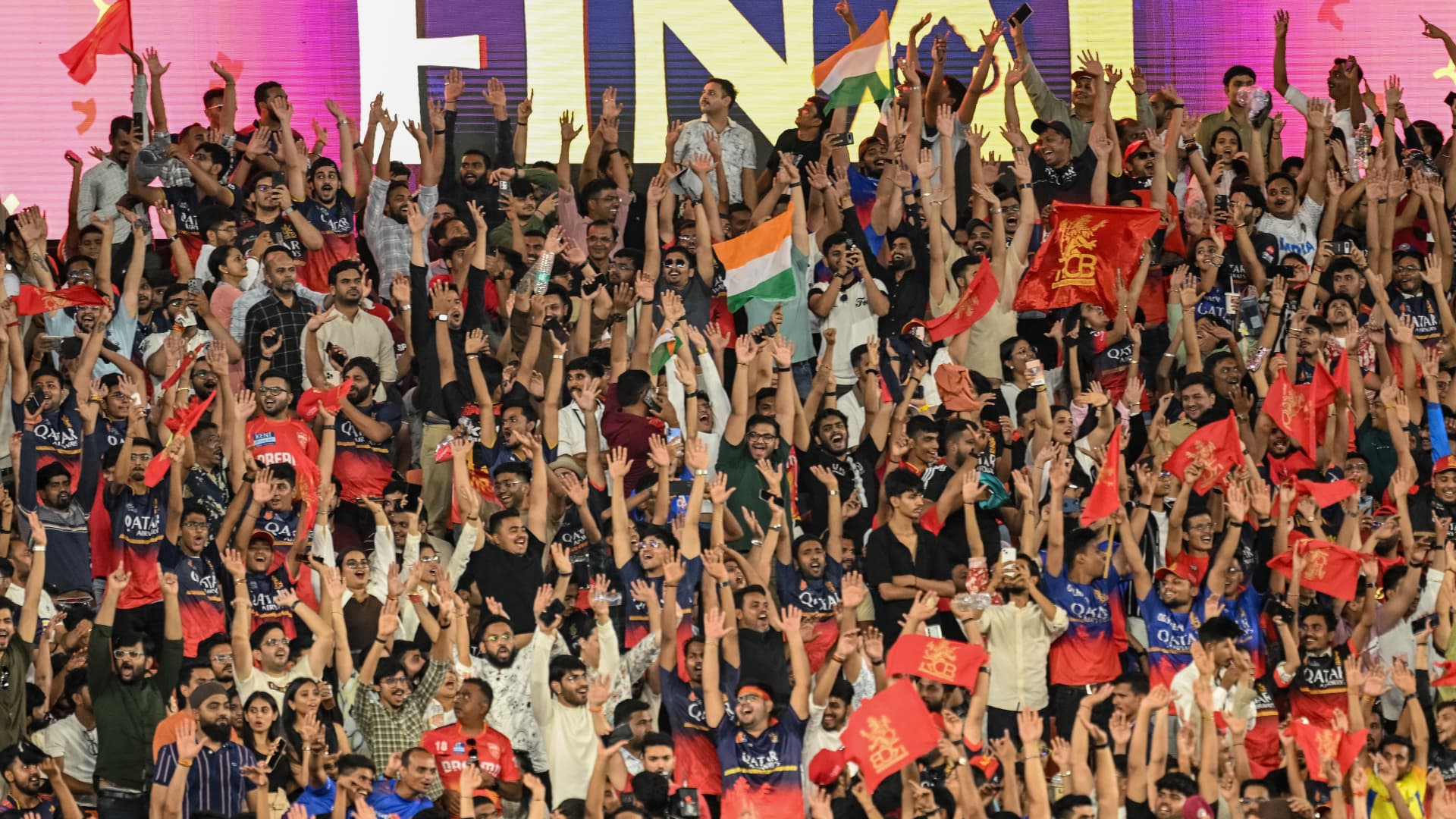
IPL Attracts Investors with Billion-Dollar Valuations


- Investment Surge: The Indian Premier League (IPL) has seen two franchises sold for over a billion dollars in just over a month, with the latest being Rajasthan Royals acquired for $1.65 billion, indicating a rapid increase in the league's investment appeal.
- Capital Returns: According to Deloitte, IPL's valuation has reached $18.5 billion, making it the second most valuable sports league globally after the NFL, showcasing its strong capital appreciation potential and stable cash flows that attract global investors.
- Growing Fan Base: Market research indicates that 66% of India's population are cricket fans, approximately 950 million, providing enormous growth potential for IPL as rising disposable incomes drive spending on tickets and merchandise.
- Globalization Trend: Experts note that IPL is in the early stages of maturity, with future growth expected through globalization, deeper monetization of digital audiences, and commercial expansion beyond matchday revenues, capturing more investor interest.
See More
Metallium Secures PCB Feedstock Supply Contracts
- Contract Coverage Increase: Metallium Limited has signed contracts with multiple industry participants covering 50% of its 8,000 tons per annum PCB feedstock target, providing a stable raw material foundation for its operations in the U.S. and ensuring sustainable production.
- Flexible Market Strategy: The company plans to source 70% of its feedstock from contracted suppliers and 30% from the spot market, a strategy that not only optimizes margins but also allows real-time market price monitoring, enhancing procurement flexibility.
- Accelerated Technical Progress: Metallium is advancing the installation and testing of multi-reactor FHJ at its Texas Technology Campus, ensuring extended processing campaigns across multiple PCB streams, thereby improving reactor utilization and data generation capabilities.
- Market Opportunity Emergence: With the rapid growth of global e-waste, the recycling potential of PCBs as high-value secondary materials is significant, and Metallium's low-carbon, high-efficiency technology positions it favorably to meet the increasing demand in this market.
See More

ArcelorMittal Shareholders Approve All Resolutions at General Meetings
- Approval of Resolutions: At the Annual and Extraordinary General Meetings held in Luxembourg, ArcelorMittal saw 82.28% of voting rights represented, with all resolutions approved, reflecting strong shareholder confidence in the company's future direction.
- Dividend Distribution: Shareholders approved a dividend of $0.60 per share, which not only enhances shareholder returns but may also attract more investors by highlighting the company's long-term value proposition.
- Board Re-elections and New Appointment: The re-election of key directors, including Lakshmi Mittal and Aditya Mittal, alongside the appointment of Roy Harvey, ensures stability and continuity in the company's governance structure.
- Capital Structure Adjustments: Shareholders approved the cancellation of repurchased shares and a reduction in issued share capital, while also renewing the Board's authority to increase share capital and limit or suspend existing shareholders' preferential subscription rights, aimed at optimizing the capital structure to support future growth.
See More

ArcelorMittal Q1 2026 Earnings Report Highlights
- Earnings Beat: ArcelorMittal reported a Q1 2026 non-GAAP EPS of $0.76, exceeding expectations by $0.05, indicating strong profitability amidst market challenges.
- Revenue Miss: Revenue rose 4.5% year-over-year to $15.46 billion, yet fell short of estimates by $600 million, highlighting the impact of fluctuating market demand on performance.
- Strong EBITDA Growth: The EBITDA per tonne for Q1 reached $131, up $15 year-over-year, reflecting ongoing improvements in cost management and operational efficiency, which bolster profitability.
- Robust Liquidity: Despite a free cash outflow of $1.3 billion and an increase in net debt to $9.3 billion, the company maintains a strong liquidity position of $9.9 billion, ensuring financial flexibility for future investments and operations.
See More

European Stocks Expected to Open Lower Amid Iran War Concerns


- Market Opening Expectations: European stocks are anticipated to open lower, with the UK's FTSE index down 0.1%, Germany's DAX down 0.7%, France's CAC 40 down 0.5%, and Italy's FTSE MIB down 0.7%, reflecting investor sensitivity to geopolitical risks amid ongoing tensions in Iran.
- Surge in Oil Prices: Brent crude oil prices surged 6.84% to $126.10 per barrel, reaching a wartime high due to reports that the U.S. military would brief President Trump on potential military actions against Iran, indicating market concerns over supply disruptions.
- Central Bank Policy Focus: The European Central Bank and the Bank of England are set to announce their latest monetary policy decisions today, with no interest rate changes expected; however, their forward guidance will be closely monitored for potential economic implications amid the ongoing conflict.
- Earnings Release Day: A busy day for earnings reports includes major companies like Schneider Electric, Unilever, and Volkswagen, with the market evaluating the impact of these results on economic outlooks, particularly in the current uncertain macroeconomic environment.
See More
ArcelorMittal Q1 Earnings Announcement Scheduled
- Earnings Release Date: ArcelorMittal is set to announce its Q1 earnings on April 30 before market open, with a consensus EPS estimate of $0.71, reflecting a significant year-over-year decline of 32.4%, indicating potential profitability challenges ahead.
- Revenue Expectations: The anticipated revenue for Q1 is $16.06 billion, representing an 8.5% year-over-year increase, which, despite market challenges, suggests some growth potential and underscores the company's position in the steel industry.
- Historical Performance: Over the past two years, ArcelorMittal has beaten EPS estimates 75% of the time and revenue estimates 50% of the time, indicating a relative stability in its profitability metrics.
- Estimate Revision Trends: In the last three months, EPS estimates have seen no upward revisions and two downward adjustments, while revenue estimates experienced one upward revision and three downward adjustments, reflecting a cautious market outlook on the company's future performance.
See More
IPL Attracts Investors with Billion-Dollar Valuations
- Investment Surge: The Indian Premier League (IPL) has seen two franchises sold for over a billion dollars in just over a month, with the latest being Rajasthan Royals acquired for $1.65 billion, indicating a rapid increase in the league's investment appeal.
- Capital Returns: According to Deloitte, IPL's valuation has reached $18.5 billion, making it the second most valuable sports league globally after the NFL, showcasing its strong capital appreciation potential and stable cash flows that attract global investors.
- Growing Fan Base: Market research indicates that 66% of India's population are cricket fans, approximately 950 million, providing enormous growth potential for IPL as rising disposable incomes drive spending on tickets and merchandise.
- Globalization Trend: Experts note that IPL is in the early stages of maturity, with future growth expected through globalization, deeper monetization of digital audiences, and commercial expansion beyond matchday revenues, capturing more investor interest.
See More
Metallium Secures PCB Feedstock Supply Contracts
- Contract Coverage Increase: Metallium Limited has signed contracts with multiple industry participants covering 50% of its 8,000 tons per annum PCB feedstock target, providing a stable raw material foundation for its operations in the U.S. and ensuring sustainable production.
- Flexible Market Strategy: The company plans to source 70% of its feedstock from contracted suppliers and 30% from the spot market, a strategy that not only optimizes margins but also allows real-time market price monitoring, enhancing procurement flexibility.
- Accelerated Technical Progress: Metallium is advancing the installation and testing of multi-reactor FHJ at its Texas Technology Campus, ensuring extended processing campaigns across multiple PCB streams, thereby improving reactor utilization and data generation capabilities.
- Market Opportunity Emergence: With the rapid growth of global e-waste, the recycling potential of PCBs as high-value secondary materials is significant, and Metallium's low-carbon, high-efficiency technology positions it favorably to meet the increasing demand in this market.
See More
ArcelorMittal Shareholders Approve All Resolutions at General Meetings
- Approval of Resolutions: At the Annual and Extraordinary General Meetings held in Luxembourg, ArcelorMittal saw 82.28% of voting rights represented, with all resolutions approved, reflecting strong shareholder confidence in the company's future direction.
- Dividend Distribution: Shareholders approved a dividend of $0.60 per share, which not only enhances shareholder returns but may also attract more investors by highlighting the company's long-term value proposition.
- Board Re-elections and New Appointment: The re-election of key directors, including Lakshmi Mittal and Aditya Mittal, alongside the appointment of Roy Harvey, ensures stability and continuity in the company's governance structure.
- Capital Structure Adjustments: Shareholders approved the cancellation of repurchased shares and a reduction in issued share capital, while also renewing the Board's authority to increase share capital and limit or suspend existing shareholders' preferential subscription rights, aimed at optimizing the capital structure to support future growth.
See More
ArcelorMittal Q1 2026 Earnings Report Highlights
- Earnings Beat: ArcelorMittal reported a Q1 2026 non-GAAP EPS of $0.76, exceeding expectations by $0.05, indicating strong profitability amidst market challenges.
- Revenue Miss: Revenue rose 4.5% year-over-year to $15.46 billion, yet fell short of estimates by $600 million, highlighting the impact of fluctuating market demand on performance.
- Strong EBITDA Growth: The EBITDA per tonne for Q1 reached $131, up $15 year-over-year, reflecting ongoing improvements in cost management and operational efficiency, which bolster profitability.
- Robust Liquidity: Despite a free cash outflow of $1.3 billion and an increase in net debt to $9.3 billion, the company maintains a strong liquidity position of $9.9 billion, ensuring financial flexibility for future investments and operations.
See More
European Stocks Expected to Open Lower Amid Iran War Concerns
- Market Opening Expectations: European stocks are anticipated to open lower, with the UK's FTSE index down 0.1%, Germany's DAX down 0.7%, France's CAC 40 down 0.5%, and Italy's FTSE MIB down 0.7%, reflecting investor sensitivity to geopolitical risks amid ongoing tensions in Iran.
- Surge in Oil Prices: Brent crude oil prices surged 6.84% to $126.10 per barrel, reaching a wartime high due to reports that the U.S. military would brief President Trump on potential military actions against Iran, indicating market concerns over supply disruptions.
- Central Bank Policy Focus: The European Central Bank and the Bank of England are set to announce their latest monetary policy decisions today, with no interest rate changes expected; however, their forward guidance will be closely monitored for potential economic implications amid the ongoing conflict.
- Earnings Release Day: A busy day for earnings reports includes major companies like Schneider Electric, Unilever, and Volkswagen, with the market evaluating the impact of these results on economic outlooks, particularly in the current uncertain macroeconomic environment.
See More
ArcelorMittal Q1 Earnings Announcement Scheduled
- Earnings Release Date: ArcelorMittal is set to announce its Q1 earnings on April 30 before market open, with a consensus EPS estimate of $0.71, reflecting a significant year-over-year decline of 32.4%, indicating potential profitability challenges ahead.
- Revenue Expectations: The anticipated revenue for Q1 is $16.06 billion, representing an 8.5% year-over-year increase, which, despite market challenges, suggests some growth potential and underscores the company's position in the steel industry.
- Historical Performance: Over the past two years, ArcelorMittal has beaten EPS estimates 75% of the time and revenue estimates 50% of the time, indicating a relative stability in its profitability metrics.
- Estimate Revision Trends: In the last three months, EPS estimates have seen no upward revisions and two downward adjustments, while revenue estimates experienced one upward revision and three downward adjustments, reflecting a cautious market outlook on the company's future performance.
See More