Nvidia's Strong AI Demand Signals Positive Stock Outlook
Written by Emily J. Thompson, Senior Investment Analyst
Updated: 43 minutes ago
0mins
Should l Buy NVDA?
Source: Fool
- Revenue Growth Outlook: Nvidia projects first-quarter fiscal 2027 revenue of approximately $78 billion, reflecting a year-over-year growth of 73% to 80%, indicating the company's strong position in the AI market and potential for further stock price appreciation.
- Robust Product Cycle: The demand for Nvidia's Blackwell systems is strong, with management expecting at least $1 trillion in opportunities tied to these systems by 2027, highlighting the immense market potential in AI infrastructure.
- Infrastructure Investment: Nvidia plans to invest up to $2.1 billion in data center operator Irena to deploy 5 gigawatts of AI infrastructure, demonstrating the company's proactive strategy in expanding its AI capabilities.
- Diversified Customer Base: While the top five hyperscalers account for nearly 60% of Nvidia's business, the remaining 40% comes from a diverse range of enterprises and projects, enhancing the company's resilience during economic slowdowns and ensuring sustained demand.
Trade with 70% Backtested Accuracy
Stop guessing "Should I Buy NVDA?" and start using high-conviction signals backed by rigorous historical data.
Sign up today to access powerful investing tools and make smarter, data-driven decisions.
Analyst Views on NVDA
Wall Street analysts forecast NVDA stock price to rise
41 Analyst Rating
39 Buy
1 Hold
1 Sell
Strong Buy
Current: 211.500

Low
200.00
Averages
264.97
High
352.00
Current: 211.500
Low
200.00
Averages
264.97
High
352.00
About NVDA
NVIDIA Corporation is an artificial intelligence (AI) infrastructure company. The Company is engaged in accelerated computing to help solve the challenging computational problems. Its segments include Compute & Networking and Graphics. The Compute & Networking segment includes its Data Center accelerated computing and networking platforms and AI solutions and software, and automotive platforms and autonomous and electric vehicle solutions, including software. The Graphics segment includes GeForce GPUs for gaming and personal computers (PCs), and Quadro/NVIDIA RTX GPUs for enterprise workstation graphics. Its technology stack includes the foundational NVIDIA CUDA development platform that runs on all NVIDIA GPUs, as well as hundreds of domain-specific software libraries, frameworks, algorithms, software development kits (SDKs), and application programming interfaces (APIs). Its platforms address four markets, which include Data Center, Gaming, Professional Visualization, and Automotive.
About the author

Emily J. Thompson
Emily J. Thompson, a Chartered Financial Analyst (CFA) with 12 years in investment research, graduated with honors from the Wharton School. Specializing in industrial and technology stocks, she provides in-depth analysis for Intellectia’s earnings and market brief reports.

Nvidia's AI Demand Continues to Expand

- Revenue Growth Outlook: Nvidia has guided for approximately $78 billion in revenue for Q1 FY2027, reflecting a year-over-year growth rate of 73% to 80%, indicating strong potential for further stock price appreciation driven by AI advancements.
- Strong Market Demand: The anticipated market opportunity for Nvidia's Blackwell and Rubin systems has surged to over $1 trillion, as CEO Jensen Huang highlights a significant increase from the previous $500 billion forecast, showcasing the rapid evolution of AI infrastructure demand.
- Infrastructure Investment: Nvidia plans to invest up to $2.1 billion in data center operator Irena to deploy 5 gigawatts of AI infrastructure, demonstrating the company's proactive strategy to meet the escalating computational needs of AI workloads.
- Diversified Customer Base: While the top five hyperscalers account for 60% of Nvidia's business, the remaining 40% comes from enterprises, sovereign AI projects, and edge computing, providing resilience against spending slowdowns in any single industry segment.
See More

Nvidia's Strong AI Demand Signals Positive Stock Outlook
- Revenue Growth Outlook: Nvidia projects first-quarter fiscal 2027 revenue of approximately $78 billion, reflecting a year-over-year growth of 73% to 80%, indicating the company's strong position in the AI market and potential for further stock price appreciation.
- Robust Product Cycle: The demand for Nvidia's Blackwell systems is strong, with management expecting at least $1 trillion in opportunities tied to these systems by 2027, highlighting the immense market potential in AI infrastructure.
- Infrastructure Investment: Nvidia plans to invest up to $2.1 billion in data center operator Irena to deploy 5 gigawatts of AI infrastructure, demonstrating the company's proactive strategy in expanding its AI capabilities.
- Diversified Customer Base: While the top five hyperscalers account for nearly 60% of Nvidia's business, the remaining 40% comes from a diverse range of enterprises and projects, enhancing the company's resilience during economic slowdowns and ensuring sustained demand.
See More

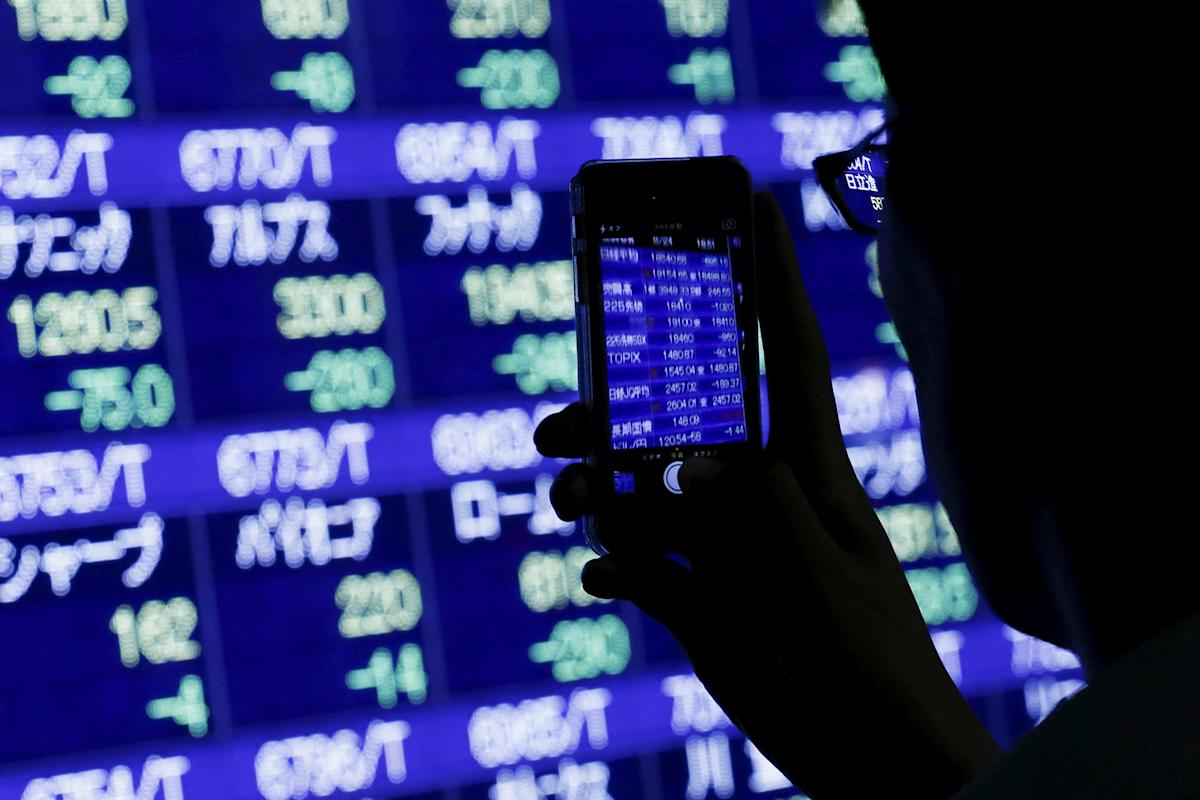
Middle East Tensions Drive Oil Prices Higher


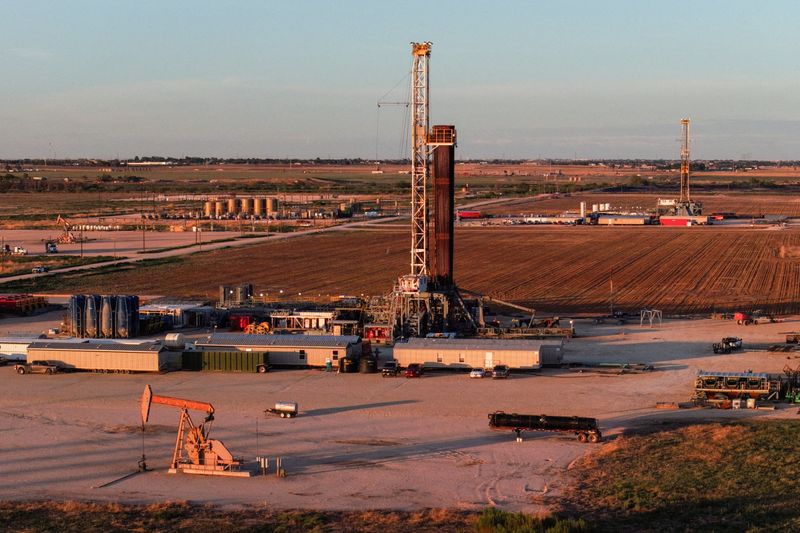
- Oil Price Surge: Oil prices have risen sharply, with Brent crude futures climbing 2.8% to $104.06 per barrel due to deadlocked peace talks between the U.S. and Iran, which have effectively shut the vital Strait of Hormuz, raising concerns over supply disruptions.
- Dollar Strengthens: The dollar gained 0.2% against the Japanese yen, reaching 156.88 yen, as it serves as a liquidity store during risk events, indicating increased demand for safe-haven assets amid escalating tensions in the Middle East.
- Stock Index Volatility: S&P 500 futures fell 0.3% and Nasdaq futures dipped 0.2%, reflecting investor caution ahead of upcoming corporate earnings reports, despite the market hitting record highs last week.
- Japanese Market Recovery: Japanese stock futures traded at 63,475, still catching up to Wall Street's Friday jump, indicating market reactions to U.S. economic data while also focusing on potential impacts from a hawkish shift at the Bank of Japan.
See More
Trump Calls Iran's Response Unacceptable


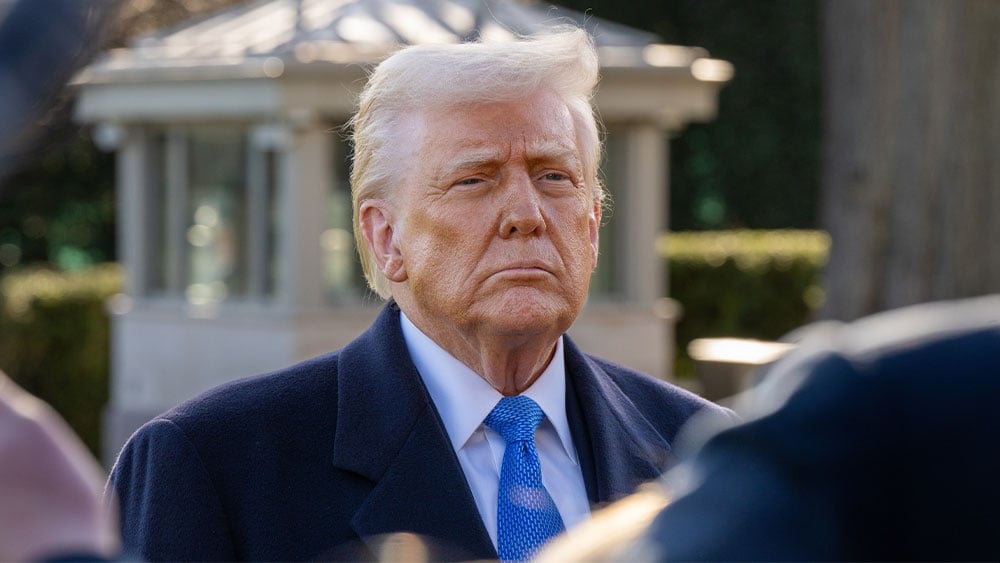
- Response to Peace Offer: President Trump stated that Iran's reaction to the U.S. peace proposal is 'totally unacceptable,' indicating a significant escalation in tensions that could hinder future diplomatic negotiations and regional stability.
- Escalating Diplomatic Tensions: This statement may lead the U.S. to adopt a more aggressive stance towards Iran, further exacerbating tensions in the Middle East, which could impact global oil prices and market sentiment.
- Upcoming Summit: Against this backdrop, the upcoming Xi summit may serve as a crucial platform for discussing the Middle East situation, influencing the international community's perspective on the Iranian issue.
- Strategic Impact Assessment: Trump's hardline position may prompt allies to reassess their relationships with Iran, affecting future international cooperation and security policies, particularly regarding nuclear issues.
See More
AT&T's Successful Turnaround Boosts Stock Recovery

- Debt Reduction: AT&T has successfully reduced its debt since peaking in early 2022, with its credit rating recovering to investment-grade status, receiving a BBB rating from S&P Global, indicating a significant improvement in financial health.
- Strong Dividend Position: The company's dividend payout ratio is only about half of its estimated earnings for 2026, with a current yield of 4.4%, providing management with room to increase dividends, thus attracting income-focused investors.
- Stable User Growth: Although AT&T added 294,000 postpaid users in the first quarter, down from 324,000 a year ago, its strong performance over three consecutive quarters shows stability and competitiveness in the mature U.S. wireless market.
- Future Growth Potential: With a projected P/E ratio of less than 11 times its estimated 2026 earnings, and expected double-digit annual growth in earnings per share, analysts forecast an 11% to 12% annual growth over the next 3 to 5 years, indicating a relatively inexpensive valuation and a solid investment opportunity.
See More
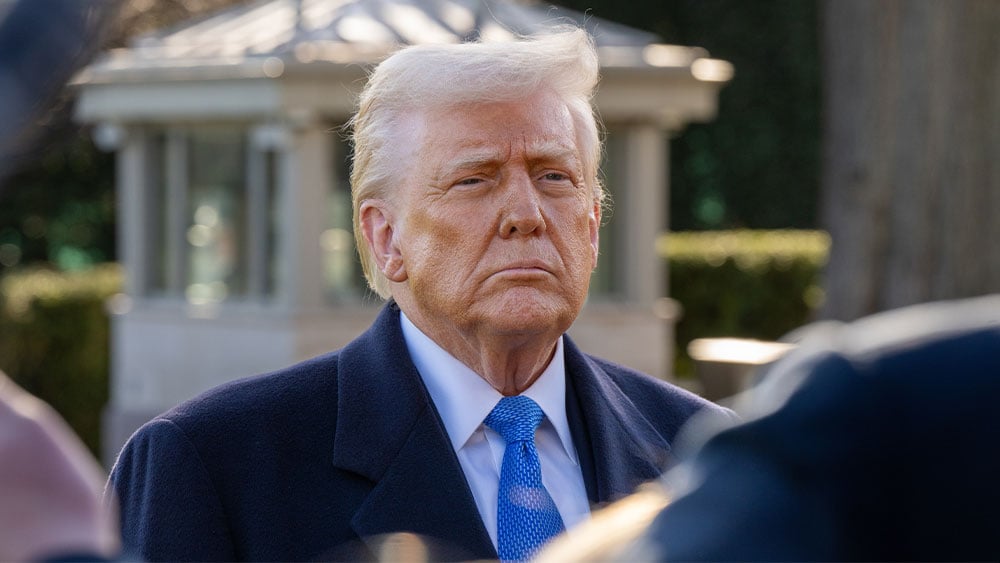
Trump Calls Iran's Response Unacceptable
- Peace Offer Response: Trump stated that Iran's reaction to the U.S. peace proposal is 'totally unacceptable,' indicating a significant escalation in tensions that could hinder future diplomatic negotiations and regional stability.
- Summit Implications: Ahead of the upcoming Xi summit, Trump's remarks may affect diplomatic interactions with China, particularly in the context of increasingly complex U.S.-China relations.
- Geopolitical Ramifications: Trump's hardline stance could exacerbate the situation in the Middle East, increasing U.S. military and diplomatic pressures in the region, which may subsequently impact global oil prices and market sentiment.
- Domestic Political Strategy: Trump's comments may be aimed at solidifying his domestic support base, especially under election pressure, by leveraging a tough foreign policy stance to attract voter attention.
See More
Nvidia's AI Demand Continues to Expand
- Revenue Growth Outlook: Nvidia has guided for approximately $78 billion in revenue for Q1 FY2027, reflecting a year-over-year growth rate of 73% to 80%, indicating strong potential for further stock price appreciation driven by AI advancements.
- Strong Market Demand: The anticipated market opportunity for Nvidia's Blackwell and Rubin systems has surged to over $1 trillion, as CEO Jensen Huang highlights a significant increase from the previous $500 billion forecast, showcasing the rapid evolution of AI infrastructure demand.
- Infrastructure Investment: Nvidia plans to invest up to $2.1 billion in data center operator Irena to deploy 5 gigawatts of AI infrastructure, demonstrating the company's proactive strategy to meet the escalating computational needs of AI workloads.
- Diversified Customer Base: While the top five hyperscalers account for 60% of Nvidia's business, the remaining 40% comes from enterprises, sovereign AI projects, and edge computing, providing resilience against spending slowdowns in any single industry segment.
See More
Nvidia's Strong AI Demand Signals Positive Stock Outlook
- Revenue Growth Outlook: Nvidia projects first-quarter fiscal 2027 revenue of approximately $78 billion, reflecting a year-over-year growth of 73% to 80%, indicating the company's strong position in the AI market and potential for further stock price appreciation.
- Robust Product Cycle: The demand for Nvidia's Blackwell systems is strong, with management expecting at least $1 trillion in opportunities tied to these systems by 2027, highlighting the immense market potential in AI infrastructure.
- Infrastructure Investment: Nvidia plans to invest up to $2.1 billion in data center operator Irena to deploy 5 gigawatts of AI infrastructure, demonstrating the company's proactive strategy in expanding its AI capabilities.
- Diversified Customer Base: While the top five hyperscalers account for nearly 60% of Nvidia's business, the remaining 40% comes from a diverse range of enterprises and projects, enhancing the company's resilience during economic slowdowns and ensuring sustained demand.
See More
Middle East Tensions Drive Oil Prices Higher
- Oil Price Surge: Oil prices have risen sharply, with Brent crude futures climbing 2.8% to $104.06 per barrel due to deadlocked peace talks between the U.S. and Iran, which have effectively shut the vital Strait of Hormuz, raising concerns over supply disruptions.
- Dollar Strengthens: The dollar gained 0.2% against the Japanese yen, reaching 156.88 yen, as it serves as a liquidity store during risk events, indicating increased demand for safe-haven assets amid escalating tensions in the Middle East.
- Stock Index Volatility: S&P 500 futures fell 0.3% and Nasdaq futures dipped 0.2%, reflecting investor caution ahead of upcoming corporate earnings reports, despite the market hitting record highs last week.
- Japanese Market Recovery: Japanese stock futures traded at 63,475, still catching up to Wall Street's Friday jump, indicating market reactions to U.S. economic data while also focusing on potential impacts from a hawkish shift at the Bank of Japan.
See More
Trump Calls Iran's Response Unacceptable
- Response to Peace Offer: President Trump stated that Iran's reaction to the U.S. peace proposal is 'totally unacceptable,' indicating a significant escalation in tensions that could hinder future diplomatic negotiations and regional stability.
- Escalating Diplomatic Tensions: This statement may lead the U.S. to adopt a more aggressive stance towards Iran, further exacerbating tensions in the Middle East, which could impact global oil prices and market sentiment.
- Upcoming Summit: Against this backdrop, the upcoming Xi summit may serve as a crucial platform for discussing the Middle East situation, influencing the international community's perspective on the Iranian issue.
- Strategic Impact Assessment: Trump's hardline position may prompt allies to reassess their relationships with Iran, affecting future international cooperation and security policies, particularly regarding nuclear issues.
See More
AT&T's Successful Turnaround Boosts Stock Recovery
- Debt Reduction: AT&T has successfully reduced its debt since peaking in early 2022, with its credit rating recovering to investment-grade status, receiving a BBB rating from S&P Global, indicating a significant improvement in financial health.
- Strong Dividend Position: The company's dividend payout ratio is only about half of its estimated earnings for 2026, with a current yield of 4.4%, providing management with room to increase dividends, thus attracting income-focused investors.
- Stable User Growth: Although AT&T added 294,000 postpaid users in the first quarter, down from 324,000 a year ago, its strong performance over three consecutive quarters shows stability and competitiveness in the mature U.S. wireless market.
- Future Growth Potential: With a projected P/E ratio of less than 11 times its estimated 2026 earnings, and expected double-digit annual growth in earnings per share, analysts forecast an 11% to 12% annual growth over the next 3 to 5 years, indicating a relatively inexpensive valuation and a solid investment opportunity.
See More
Trump Calls Iran's Response Unacceptable
- Peace Offer Response: Trump stated that Iran's reaction to the U.S. peace proposal is 'totally unacceptable,' indicating a significant escalation in tensions that could hinder future diplomatic negotiations and regional stability.
- Summit Implications: Ahead of the upcoming Xi summit, Trump's remarks may affect diplomatic interactions with China, particularly in the context of increasingly complex U.S.-China relations.
- Geopolitical Ramifications: Trump's hardline stance could exacerbate the situation in the Middle East, increasing U.S. military and diplomatic pressures in the region, which may subsequently impact global oil prices and market sentiment.
- Domestic Political Strategy: Trump's comments may be aimed at solidifying his domestic support base, especially under election pressure, by leveraging a tough foreign policy stance to attract voter attention.
See More