Investors Adjust Strategies Amid Market Weakness
Written by Emily J. Thompson, Senior Investment Analyst
Updated: Feb 27 2026
0mins

Should l Buy NVDA?
Source: CNBC
- Investor Sell-Off Strategy: Steve Weiss revealed he sold shares of Nvidia and Amazon, expressing concerns over increasing competition, although he believes Nvidia has long-term upside potential, with the stock currently stuck in the $180 to $190 range.
- Amazon Outlook Concerns: While Weiss thinks Amazon's capital expenditure plans are sound and will yield good returns, he is worried about the potential impact of AI on the labor market, contributing to a more than 9% decline in Amazon's stock year-to-date.
- Netflix Investment Return: Following the abandonment of the Warner Bros Discovery acquisition, Weiss increased his stake in Netflix, believing this will allow the company to invest more in its own content, leading to a nearly 22% surge in Netflix shares.
- Apple and Microsoft Purchases: Kevin Simpson bought shares of Apple and Microsoft, believing Apple is insulated from AI capex fears due to lower investments and potential upside from its partnership with Google, while Microsoft is seen as oversold with a nearly 19% decline year-to-date.
Trade with 70% Backtested Accuracy
Stop guessing "Should I Buy NVDA?" and start using high-conviction signals backed by rigorous historical data.
Sign up today to access powerful investing tools and make smarter, data-driven decisions.
Analyst Views on NVDA
Wall Street analysts forecast NVDA stock price to rise
41 Analyst Rating
39 Buy
1 Hold
1 Sell
Strong Buy
Current: 165.170

Low
200.00
Averages
264.97
High
352.00
Current: 165.170
Low
200.00
Averages
264.97
High
352.00
About NVDA
NVIDIA Corporation is an artificial intelligence (AI) infrastructure company. The Company is engaged in accelerated computing to help solve the challenging computational problems. Its segments include Compute & Networking and Graphics. The Compute & Networking segment includes its Data Center accelerated computing and networking platforms and AI solutions and software, and automotive platforms and autonomous and electric vehicle solutions, including software. The Graphics segment includes GeForce GPUs for gaming and personal computers (PCs), and Quadro/NVIDIA RTX GPUs for enterprise workstation graphics. Its technology stack includes the foundational NVIDIA CUDA development platform that runs on all NVIDIA GPUs, as well as hundreds of domain-specific software libraries, frameworks, algorithms, software development kits (SDKs), and application programming interfaces (APIs). Its platforms address four markets, which include Data Center, Gaming, Professional Visualization, and Automotive.
About the author

Emily J. Thompson
Emily J. Thompson, a Chartered Financial Analyst (CFA) with 12 years in investment research, graduated with honors from the Wharton School. Specializing in industrial and technology stocks, she provides in-depth analysis for Intellectia’s earnings and market brief reports.

Nvidia Reports 65% Revenue Growth in Fiscal 2026

- Significant Revenue Growth: Nvidia reported a revenue of $215.9 billion for fiscal 2026, reflecting a 65% year-over-year increase, despite a 10.2% decline in stock price so far in 2026, indicating market concerns about the sustainability of AI infrastructure spending.
- Robust AI Demand Outlook: CEO Jensen Huang announced at the GTC AI Conference that demand for AI systems is projected to reach at least $1 trillion in 2026 and 2027, a substantial increase from the previous estimate of $500 billion, highlighting the long-term trend in AI infrastructure development.
- Diversified Customer Base: Nvidia's business is composed of 60% from hyperscalers and 40% from enterprises, sovereign AI projects, startups, and emerging applications, ensuring that the company is not overly reliant on any single industry, thereby mitigating market risks.
- Continuous Product Innovation: Nvidia is actively launching new products, with ongoing deployments of Hopper systems and ramping up Blackwell systems, while future platforms like Rubin and Feynman are already in development, enhancing the company's competitive edge in the market.
See More

Harbor Capital's Strategic Buy and Sell Moves in Q1 2026
- New Stock Additions: In Q1 2026, Harbor Capital added three stocks, with Merck & Co (MRK) being the largest at 2,020,767 shares, accounting for 0.86% of the portfolio and valued at $222.83 million, indicating confidence in the pharmaceutical sector.
- Key Position Increases: The fund increased its stake in Amphenol Corp (APH) by 818,193 shares, representing a significant 58.39% increase, bringing total holdings to 2,219,459 shares with an overall investment value of $319.78 million, reflecting optimism about its growth potential.
- Complete Exits: Harbor Capital fully exited four holdings in Q1, including Nike (NKE) and Boston Scientific (BSX), impacting the portfolio by -0.74% and -0.45% respectively, indicating a cautious outlook on these companies.
- Position Reductions: The fund reduced stakes in 34 stocks, notably cutting NVIDIA (NVDA) by 3,792,310 shares, resulting in a 20.42% decrease and a -2.61% portfolio impact, showcasing a strategic response to market volatility.
See More
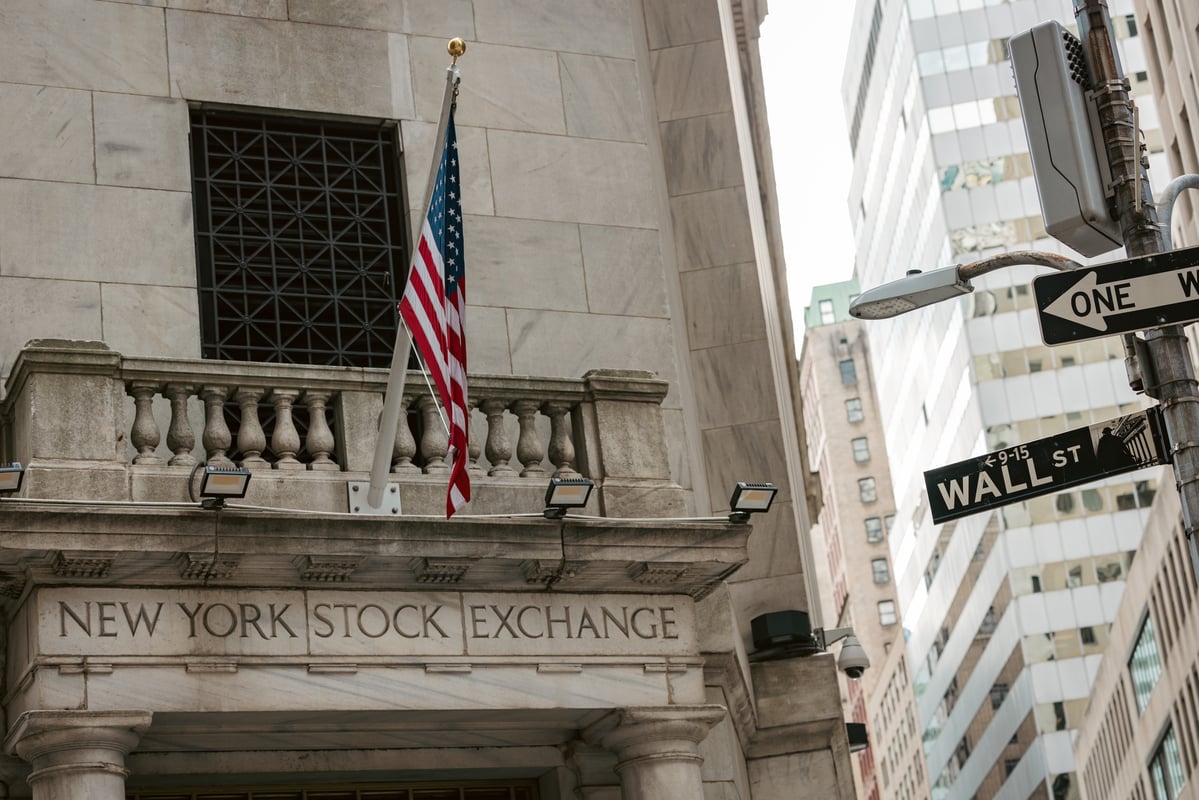
Unilever and McCormick Near Historic Merger Deal


- Massive Deal Size: Unilever's merger with McCormick is poised to become one of the largest transactions in consumer staples history, with Unilever set to receive nearly $16 billion in cash and a 65% stake in the combined entity, which is expected to be valued over $46 billion post-merger.
- Clear Strategic Significance: This merger represents a significant strategic move for Unilever in the food sector, indicating its confidence in market consolidation after previous talks with Kraft Heinz fell through, positioning McCormick as a backup bidder.
- Positive Market Reaction: McCormick's stock surged 5.29%, reflecting investor optimism about the merger's prospects, while Unilever's shares rose 6.43%, indicating market approval of the deal.
- Industry Consolidation Trend: This merger further accelerates the trend of consolidation in the consumer goods sector, with analysts suggesting that it will create synergies for both companies, enhancing competitive strength and expanding market share.
See More

Risks and Opportunities in ETF Investments

- Tech Stock Volatility: Nvidia's nearly 9% weighting in the Invesco QQQ Trust has led to a decline in the ETF this year, highlighting the volatility inherent in tech stocks, which investors need to assess carefully.
- Market Performance Comparison: While the Invesco QQQ Trust has more than doubled in value since 2023, it experienced a significant 33% drop in 2022 due to inflation-driven market crashes, illustrating its vulnerability during market fluctuations.
- Investor Strategy Consideration: Short-term investors may find it prudent to pivot to safer investments, while long-term investors must evaluate their patience and potential returns from holding the ETF.
- Nvidia's Market Impact: As the most valuable company globally, Nvidia's performance directly influences many tech ETFs, necessitating investor attention to its valuations and tech spending's impact on the market.
See More

Teucrium Agricultural ETF Sees 36.9% Inflow Surge

- Significant Inflow Growth: The Teucrium Agricultural Strategy No K-1 ETF added 387,500 units, resulting in a 36.9% increase in outstanding units, indicating strong investor interest in the agricultural market, which could drive related asset prices higher.
- Positive Market Reaction: The inflow growth reflects market confidence in agricultural investments, particularly against the backdrop of global food security and agricultural technology innovations, potentially attracting more capital into the sector.
- Investor Focus Shift: As the appeal of agricultural investments rises, the performance of the Teucrium ETF may prompt other investors to reassess their portfolios and increase allocations to agricultural assets.
- Optimistic Industry Outlook: The inflow growth not only highlights current market trends but may also signal sustained growth in agricultural investments in the future, especially in the context of addressing climate change and enhancing food production efficiency.
See More
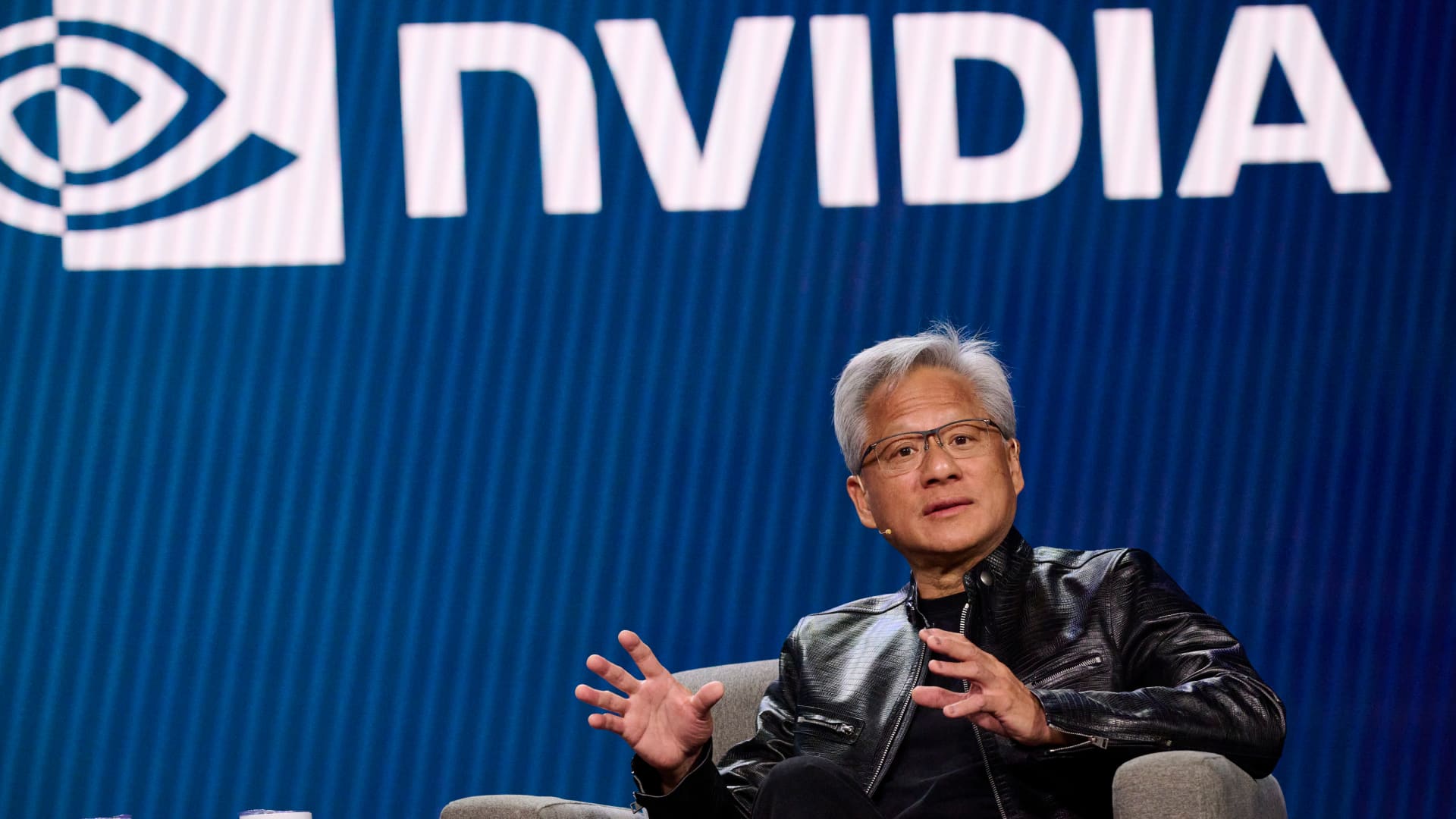
Goldman Sachs Optimistic on Nvidia's AI Healthcare Prospects

- Positive Market Outlook: Goldman Sachs' buy rating on Nvidia and a $250 price target imply a 51% upside, reflecting investor confidence in its AI applications within healthcare and life sciences.
- Collaborative Technological Edge: By partnering with life sciences companies, Nvidia can validate its models in labs, leveraging digital twins and simulation to enhance the quality of experiments and manufacturing while reducing costs, thereby strengthening its market position.
- Investment and Applications: In 2023, Nvidia invested $50 million in clinical-stage biotech firm Recursion Pharmaceuticals to develop AI models for accelerating drug discovery, driving technological advancements in the biopharma sector.
- Clinical Trial Efficiency Gains: Recursion's AI technology enables drugmakers to synthesize 90% fewer compounds and reduces the average time to enter human trials from 42 months to 17 months, significantly improving research and development efficiency.
See More
Nvidia Reports 65% Revenue Growth in Fiscal 2026
- Significant Revenue Growth: Nvidia reported a revenue of $215.9 billion for fiscal 2026, reflecting a 65% year-over-year increase, despite a 10.2% decline in stock price so far in 2026, indicating market concerns about the sustainability of AI infrastructure spending.
- Robust AI Demand Outlook: CEO Jensen Huang announced at the GTC AI Conference that demand for AI systems is projected to reach at least $1 trillion in 2026 and 2027, a substantial increase from the previous estimate of $500 billion, highlighting the long-term trend in AI infrastructure development.
- Diversified Customer Base: Nvidia's business is composed of 60% from hyperscalers and 40% from enterprises, sovereign AI projects, startups, and emerging applications, ensuring that the company is not overly reliant on any single industry, thereby mitigating market risks.
- Continuous Product Innovation: Nvidia is actively launching new products, with ongoing deployments of Hopper systems and ramping up Blackwell systems, while future platforms like Rubin and Feynman are already in development, enhancing the company's competitive edge in the market.
See More
Harbor Capital's Strategic Buy and Sell Moves in Q1 2026
- New Stock Additions: In Q1 2026, Harbor Capital added three stocks, with Merck & Co (MRK) being the largest at 2,020,767 shares, accounting for 0.86% of the portfolio and valued at $222.83 million, indicating confidence in the pharmaceutical sector.
- Key Position Increases: The fund increased its stake in Amphenol Corp (APH) by 818,193 shares, representing a significant 58.39% increase, bringing total holdings to 2,219,459 shares with an overall investment value of $319.78 million, reflecting optimism about its growth potential.
- Complete Exits: Harbor Capital fully exited four holdings in Q1, including Nike (NKE) and Boston Scientific (BSX), impacting the portfolio by -0.74% and -0.45% respectively, indicating a cautious outlook on these companies.
- Position Reductions: The fund reduced stakes in 34 stocks, notably cutting NVIDIA (NVDA) by 3,792,310 shares, resulting in a 20.42% decrease and a -2.61% portfolio impact, showcasing a strategic response to market volatility.
See More
Unilever and McCormick Near Historic Merger Deal
- Massive Deal Size: Unilever's merger with McCormick is poised to become one of the largest transactions in consumer staples history, with Unilever set to receive nearly $16 billion in cash and a 65% stake in the combined entity, which is expected to be valued over $46 billion post-merger.
- Clear Strategic Significance: This merger represents a significant strategic move for Unilever in the food sector, indicating its confidence in market consolidation after previous talks with Kraft Heinz fell through, positioning McCormick as a backup bidder.
- Positive Market Reaction: McCormick's stock surged 5.29%, reflecting investor optimism about the merger's prospects, while Unilever's shares rose 6.43%, indicating market approval of the deal.
- Industry Consolidation Trend: This merger further accelerates the trend of consolidation in the consumer goods sector, with analysts suggesting that it will create synergies for both companies, enhancing competitive strength and expanding market share.
See More
Risks and Opportunities in ETF Investments
- Tech Stock Volatility: Nvidia's nearly 9% weighting in the Invesco QQQ Trust has led to a decline in the ETF this year, highlighting the volatility inherent in tech stocks, which investors need to assess carefully.
- Market Performance Comparison: While the Invesco QQQ Trust has more than doubled in value since 2023, it experienced a significant 33% drop in 2022 due to inflation-driven market crashes, illustrating its vulnerability during market fluctuations.
- Investor Strategy Consideration: Short-term investors may find it prudent to pivot to safer investments, while long-term investors must evaluate their patience and potential returns from holding the ETF.
- Nvidia's Market Impact: As the most valuable company globally, Nvidia's performance directly influences many tech ETFs, necessitating investor attention to its valuations and tech spending's impact on the market.
See More
Teucrium Agricultural ETF Sees 36.9% Inflow Surge
- Significant Inflow Growth: The Teucrium Agricultural Strategy No K-1 ETF added 387,500 units, resulting in a 36.9% increase in outstanding units, indicating strong investor interest in the agricultural market, which could drive related asset prices higher.
- Positive Market Reaction: The inflow growth reflects market confidence in agricultural investments, particularly against the backdrop of global food security and agricultural technology innovations, potentially attracting more capital into the sector.
- Investor Focus Shift: As the appeal of agricultural investments rises, the performance of the Teucrium ETF may prompt other investors to reassess their portfolios and increase allocations to agricultural assets.
- Optimistic Industry Outlook: The inflow growth not only highlights current market trends but may also signal sustained growth in agricultural investments in the future, especially in the context of addressing climate change and enhancing food production efficiency.
See More
Goldman Sachs Optimistic on Nvidia's AI Healthcare Prospects
- Positive Market Outlook: Goldman Sachs' buy rating on Nvidia and a $250 price target imply a 51% upside, reflecting investor confidence in its AI applications within healthcare and life sciences.
- Collaborative Technological Edge: By partnering with life sciences companies, Nvidia can validate its models in labs, leveraging digital twins and simulation to enhance the quality of experiments and manufacturing while reducing costs, thereby strengthening its market position.
- Investment and Applications: In 2023, Nvidia invested $50 million in clinical-stage biotech firm Recursion Pharmaceuticals to develop AI models for accelerating drug discovery, driving technological advancements in the biopharma sector.
- Clinical Trial Efficiency Gains: Recursion's AI technology enables drugmakers to synthesize 90% fewer compounds and reduces the average time to enter human trials from 42 months to 17 months, significantly improving research and development efficiency.
See More