Investment Opportunities in the Financial Sector
Written by Emily J. Thompson, Senior Investment Analyst
Updated: 6 hours ago
0mins

Should l Buy V?
Source: Fool
- Visa's Growth Potential: Visa processed 71 billion transactions in 2015, a 9% year-over-year increase, and is projected to handle 257.5 billion transactions by 2025, reflecting a 10% annual growth rate, indicating sustained business expansion, although its current price-to-earnings and price-to-sales ratios are below five-year averages, suggesting reasonable valuation.
- Federal Realty's Stability: With a 3.9% dividend yield, Federal Realty is recognized as a Dividend King, having increased its dividend for over fifty years, focusing on quality asset management that ensures higher population densities and income levels in its portfolio, making it a highly reliable investment despite slower growth.
- AGNC Investment Risks: While AGNC Investment boasts a dividend yield exceeding 13%, its dividend has been volatile and has declined for over a decade, and although its total return is comparable to the S&P 500 index, investors should exercise caution as its dividends are not reliable.
- Diverse Investment Options: Within the financial sector, Visa and Federal Realty present reliable dividend growth stocks, while AGNC Investment offers high yields but requires careful consideration, prompting investors to choose based on their risk tolerance.
Trade with 70% Backtested Accuracy
Stop guessing "Should I Buy V?" and start using high-conviction signals backed by rigorous historical data.
Sign up today to access powerful investing tools and make smarter, data-driven decisions.
Analyst Views on V
Wall Street analysts forecast V stock price to rise
25 Analyst Rating
23 Buy
2 Hold
0 Sell
Strong Buy
Current: 322.520

Low
330.00
Averages
406.59
High
450.00
Current: 322.520
Low
330.00
Averages
406.59
High
450.00
About V
Visa Inc. is a global payments technology company. It facilitates global commerce and money movement across more than 200 countries and territories among a global set of consumers, merchants, financial institutions and government entities through technologies. It operates through the Payment Services segment. It provides transaction processing services (primarily authorization, clearing and settlement) to its financial institution and merchant clients through VisaNet, its proprietary advanced transaction processing network. It offers a range of Visa-branded payment products that its clients, including nearly 14,500 financial institutions, use to develop and offer payment solutions or services, including credit, debit, prepaid and cash access programs for individual, business and government account holders. It also provides value-added services to its clients, including issuing solutions, acceptance solutions, risk and identity solutions, open banking solutions and advisory services.
About the author

Emily J. Thompson
Emily J. Thompson, a Chartered Financial Analyst (CFA) with 12 years in investment research, graduated with honors from the Wharton School. Specializing in industrial and technology stocks, she provides in-depth analysis for Intellectia’s earnings and market brief reports.

Berkshire's 13-F Filing Under New CEO Reveals Strategic Investment Shifts


- Stable Apple Holdings: Berkshire maintained its stake in Apple at approximately 228 million shares, which, while below the historical peak of over 900 million shares, still represents 22% of its equity portfolio, reflecting confidence in Apple's long-term value.
- Significant Google Investment: Berkshire's share count in Alphabet surged from about 17.85 million to roughly 58 million, pushing the position's value to nearly $17 billion, indicating CEO Abel's strong confidence and willingness to invest in tech stocks.
- Exploration of New Investment Areas: The new $2.65 billion stake in Delta Air Lines and a minor position in Macy's signal Abel's readiness to enter sectors previously avoided by Buffett, further diversifying the investment portfolio.
- Aggressive Sell-offs: Berkshire exited positions in Amazon, Visa, Mastercard, and others, while slashing its stake in Constellation Brands by 95%, indicating Abel's intent to reshape the investment strategy and reinforce his personal style.
See More
Investment Opportunities in the Financial Sector

- Visa's Growth Potential: Visa processed 71 billion transactions in 2015, a 9% year-over-year increase, and is projected to handle 257.5 billion transactions by 2025, reflecting a 10% annual growth rate, indicating sustained business expansion, although its current price-to-earnings and price-to-sales ratios are below five-year averages, suggesting reasonable valuation.
- Federal Realty's Stability: With a 3.9% dividend yield, Federal Realty is recognized as a Dividend King, having increased its dividend for over fifty years, focusing on quality asset management that ensures higher population densities and income levels in its portfolio, making it a highly reliable investment despite slower growth.
- AGNC Investment Risks: While AGNC Investment boasts a dividend yield exceeding 13%, its dividend has been volatile and has declined for over a decade, and although its total return is comparable to the S&P 500 index, investors should exercise caution as its dividends are not reliable.
- Diverse Investment Options: Within the financial sector, Visa and Federal Realty present reliable dividend growth stocks, while AGNC Investment offers high yields but requires careful consideration, prompting investors to choose based on their risk tolerance.
See More
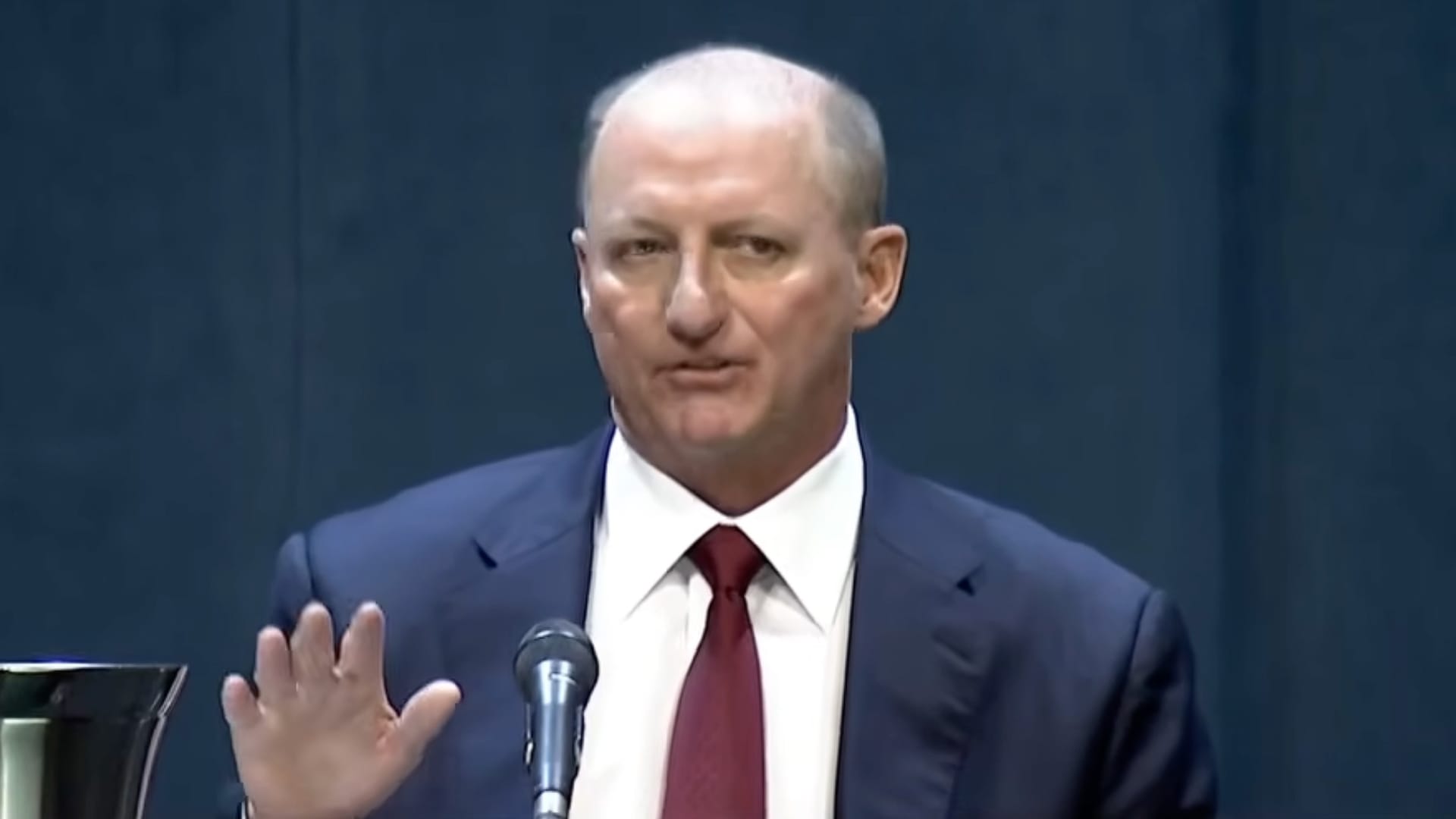
Berkshire Hathaway's Major Portfolio Overhaul Under Greg Abel

- Portfolio Restructuring: Under Greg Abel's leadership, Berkshire Hathaway's equity portfolio underwent significant changes in the first three months, adding Delta Air Lines and Macy's, indicating a renewed focus on the airline and retail sectors.
- Massive Alphabet Stake Increase: Berkshire increased its stake in Google's parent company Alphabet by 224% in Q1, making it the company's seventh-largest holding with a market value of $16.6 billion, and the stock has rallied 38% since, showcasing the success of this decision.
- Reduction in Holdings: Abel dramatically cut the number of companies in the portfolio, selling off major stakes including Amazon and Visa, with Amazon's shares reduced from 10 million to 2.3 million, reflecting a significant strategic shift in investment focus.
- Return to Delta Airlines: Berkshire purchased 39.8 million shares of Delta Air Lines in Q1, currently valued at $2.8 billion, marking the company's first return to airline stocks since 2020, demonstrating confidence in the recovery of the airline industry.
See More
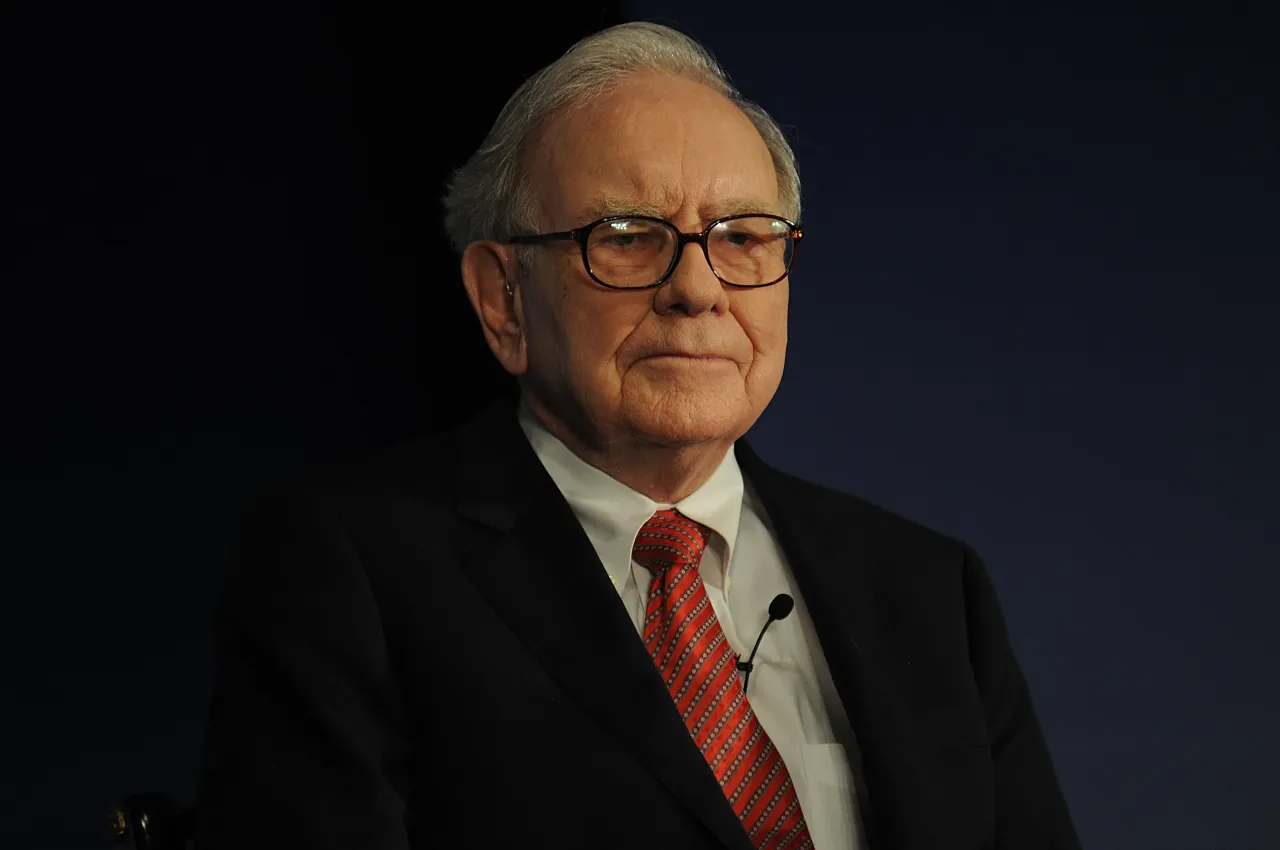
Berkshire Restructures Portfolio, Increases Stakes in Google and Delta

- Portfolio Restructuring: In Q1 2026, Berkshire Hathaway fully exited its position in UnitedHealth Group (UNH), marking the first portfolio shuffle under new CEO Greg Abel, indicating a strategic shift in the company's investment approach.
- Increased Google Holdings: Berkshire established a new $1 billion stake in Alphabet Class C shares (GOOG) and tripled its Class A shares (GOOGL) to approximately $15 billion, reflecting the company's continued confidence in tech stocks, which may drive long-term growth.
- New Investments and Reductions: The firm initiated a $2.6 billion position in Delta Air Lines (DAL) while trimming stakes in several core holdings, including Bank of America and Chevron, showcasing its confidence in the airline sector and caution towards traditional financial stocks.
- Positive Market Reaction: While shares of V, MA, and AMZN slipped marginally after hours, DAL and Macy's (M) saw increases of 3% and 6%, respectively, reflecting a positive market response to Berkshire's new investment strategy, particularly in the airline and retail sectors.
See More

Berkshire Hathaway Reenters Airline Sector with Delta Stake

- Delta Stake Acquisition: Berkshire Hathaway has acquired a stake in Delta Air Lines worth over $2.6 billion, making it the company's 14th largest holding, marking a return to the airline sector after exiting during the pandemic, indicating confidence in the industry's recovery.
- Portfolio Rebalancing: In the first quarter, Berkshire trimmed its stake in Chevron while significantly increasing its investment in Alphabet, now the seventh largest holding, reflecting a strategic shift towards technology stocks.
- Stock Sales: The conglomerate sold several stocks last quarter, including Mastercard and Visa, likely to unwind positions tied to departed investment manager Todd Combs, showcasing a strategic adjustment following management changes.
- Increased Cash Reserves: Buffett acknowledged the current investment environment is not ideal, with Berkshire's cash reserves nearing $400 billion, indicating challenges in finding suitable investment opportunities.
See More
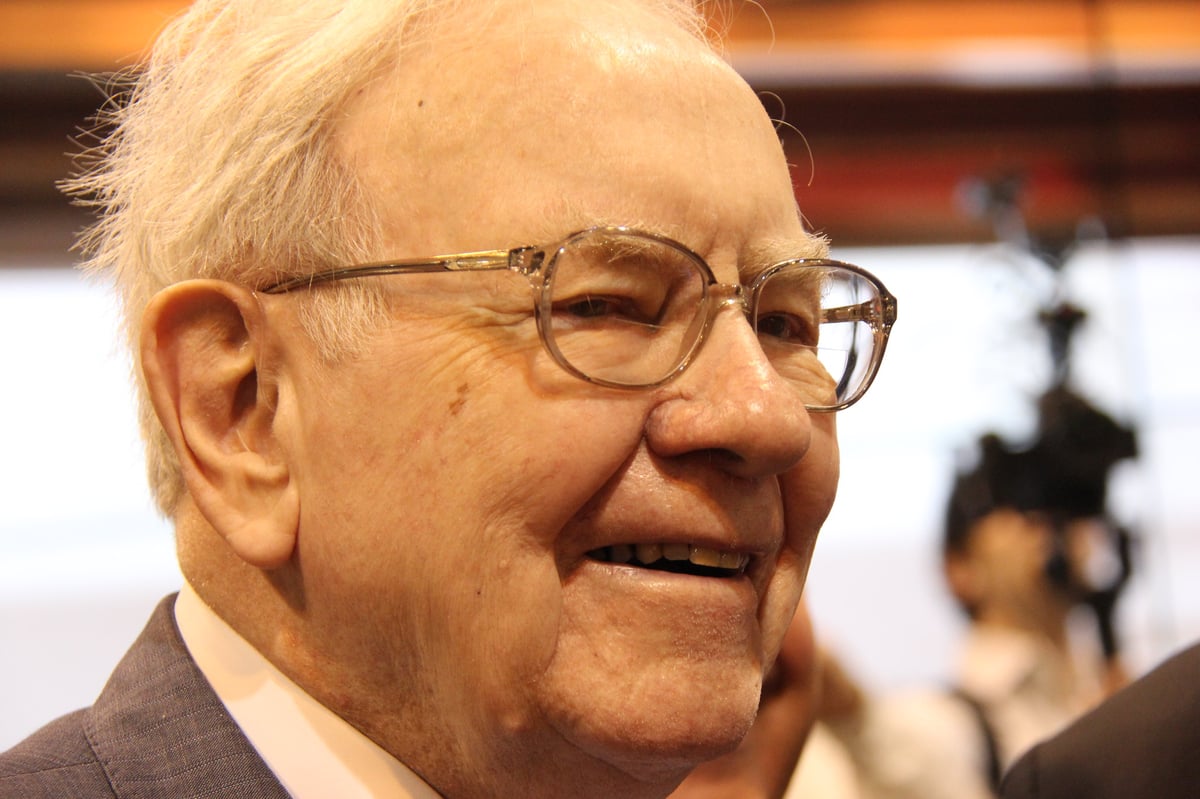
Buffett Retires, Abel Takes Control of Berkshire Hathaway

- Leadership Transition: Warren Buffett retired on December 31, handing over the reins to Greg Abel as CEO of Berkshire Hathaway, marking a new era for the company where Abel's leadership style and investment strategies will significantly impact future growth.
- Portfolio Overhaul: Abel completely exited 16 positions, including Amazon and Domino's Pizza, during Q1, demonstrating a bold restructuring of the portfolio, particularly the reduction in Amazon, which reflects a reassessment of value investments.
- Increased Stake in Alphabet: Abel tripled Berkshire's stake in Alphabet to approximately $23 billion by purchasing over 36 million Class A shares and 3.5 million Class C shares, indicating confidence in tech stocks and a focus on future growth potential.
- Cloud Computing Growth: Google Cloud achieved a 63% year-over-year growth rate in Q1, showcasing Abel's investment strategy that not only targets traditional industries but also actively invests in high-growth tech sectors, reflecting a shift in Berkshire's investment direction.
See More
Berkshire's 13-F Filing Under New CEO Reveals Strategic Investment Shifts
- Stable Apple Holdings: Berkshire maintained its stake in Apple at approximately 228 million shares, which, while below the historical peak of over 900 million shares, still represents 22% of its equity portfolio, reflecting confidence in Apple's long-term value.
- Significant Google Investment: Berkshire's share count in Alphabet surged from about 17.85 million to roughly 58 million, pushing the position's value to nearly $17 billion, indicating CEO Abel's strong confidence and willingness to invest in tech stocks.
- Exploration of New Investment Areas: The new $2.65 billion stake in Delta Air Lines and a minor position in Macy's signal Abel's readiness to enter sectors previously avoided by Buffett, further diversifying the investment portfolio.
- Aggressive Sell-offs: Berkshire exited positions in Amazon, Visa, Mastercard, and others, while slashing its stake in Constellation Brands by 95%, indicating Abel's intent to reshape the investment strategy and reinforce his personal style.
See More
Investment Opportunities in the Financial Sector
- Visa's Growth Potential: Visa processed 71 billion transactions in 2015, a 9% year-over-year increase, and is projected to handle 257.5 billion transactions by 2025, reflecting a 10% annual growth rate, indicating sustained business expansion, although its current price-to-earnings and price-to-sales ratios are below five-year averages, suggesting reasonable valuation.
- Federal Realty's Stability: With a 3.9% dividend yield, Federal Realty is recognized as a Dividend King, having increased its dividend for over fifty years, focusing on quality asset management that ensures higher population densities and income levels in its portfolio, making it a highly reliable investment despite slower growth.
- AGNC Investment Risks: While AGNC Investment boasts a dividend yield exceeding 13%, its dividend has been volatile and has declined for over a decade, and although its total return is comparable to the S&P 500 index, investors should exercise caution as its dividends are not reliable.
- Diverse Investment Options: Within the financial sector, Visa and Federal Realty present reliable dividend growth stocks, while AGNC Investment offers high yields but requires careful consideration, prompting investors to choose based on their risk tolerance.
See More
Berkshire Hathaway's Major Portfolio Overhaul Under Greg Abel
- Portfolio Restructuring: Under Greg Abel's leadership, Berkshire Hathaway's equity portfolio underwent significant changes in the first three months, adding Delta Air Lines and Macy's, indicating a renewed focus on the airline and retail sectors.
- Massive Alphabet Stake Increase: Berkshire increased its stake in Google's parent company Alphabet by 224% in Q1, making it the company's seventh-largest holding with a market value of $16.6 billion, and the stock has rallied 38% since, showcasing the success of this decision.
- Reduction in Holdings: Abel dramatically cut the number of companies in the portfolio, selling off major stakes including Amazon and Visa, with Amazon's shares reduced from 10 million to 2.3 million, reflecting a significant strategic shift in investment focus.
- Return to Delta Airlines: Berkshire purchased 39.8 million shares of Delta Air Lines in Q1, currently valued at $2.8 billion, marking the company's first return to airline stocks since 2020, demonstrating confidence in the recovery of the airline industry.
See More
Berkshire Restructures Portfolio, Increases Stakes in Google and Delta
- Portfolio Restructuring: In Q1 2026, Berkshire Hathaway fully exited its position in UnitedHealth Group (UNH), marking the first portfolio shuffle under new CEO Greg Abel, indicating a strategic shift in the company's investment approach.
- Increased Google Holdings: Berkshire established a new $1 billion stake in Alphabet Class C shares (GOOG) and tripled its Class A shares (GOOGL) to approximately $15 billion, reflecting the company's continued confidence in tech stocks, which may drive long-term growth.
- New Investments and Reductions: The firm initiated a $2.6 billion position in Delta Air Lines (DAL) while trimming stakes in several core holdings, including Bank of America and Chevron, showcasing its confidence in the airline sector and caution towards traditional financial stocks.
- Positive Market Reaction: While shares of V, MA, and AMZN slipped marginally after hours, DAL and Macy's (M) saw increases of 3% and 6%, respectively, reflecting a positive market response to Berkshire's new investment strategy, particularly in the airline and retail sectors.
See More
Berkshire Hathaway Reenters Airline Sector with Delta Stake
- Delta Stake Acquisition: Berkshire Hathaway has acquired a stake in Delta Air Lines worth over $2.6 billion, making it the company's 14th largest holding, marking a return to the airline sector after exiting during the pandemic, indicating confidence in the industry's recovery.
- Portfolio Rebalancing: In the first quarter, Berkshire trimmed its stake in Chevron while significantly increasing its investment in Alphabet, now the seventh largest holding, reflecting a strategic shift towards technology stocks.
- Stock Sales: The conglomerate sold several stocks last quarter, including Mastercard and Visa, likely to unwind positions tied to departed investment manager Todd Combs, showcasing a strategic adjustment following management changes.
- Increased Cash Reserves: Buffett acknowledged the current investment environment is not ideal, with Berkshire's cash reserves nearing $400 billion, indicating challenges in finding suitable investment opportunities.
See More
Buffett Retires, Abel Takes Control of Berkshire Hathaway
- Leadership Transition: Warren Buffett retired on December 31, handing over the reins to Greg Abel as CEO of Berkshire Hathaway, marking a new era for the company where Abel's leadership style and investment strategies will significantly impact future growth.
- Portfolio Overhaul: Abel completely exited 16 positions, including Amazon and Domino's Pizza, during Q1, demonstrating a bold restructuring of the portfolio, particularly the reduction in Amazon, which reflects a reassessment of value investments.
- Increased Stake in Alphabet: Abel tripled Berkshire's stake in Alphabet to approximately $23 billion by purchasing over 36 million Class A shares and 3.5 million Class C shares, indicating confidence in tech stocks and a focus on future growth potential.
- Cloud Computing Growth: Google Cloud achieved a 63% year-over-year growth rate in Q1, showcasing Abel's investment strategy that not only targets traditional industries but also actively invests in high-growth tech sectors, reflecting a shift in Berkshire's investment direction.
See More