Investment Opportunities in Consumer Staples Stocks Amid Geopolitical Tensions
Written by Emily J. Thompson, Senior Investment Analyst
Updated: 1 day ago
0mins

Source: Fool
- Target's Challenges and Opportunities: Despite a 2% sales decline in fiscal 2025, Target (TGT) is investing $5 billion under new CEO Michael Fiddelke to upgrade stores and enhance AI capabilities, with analysts forecasting a 3% net sales growth in fiscal 2026, indicating a strategic recovery effort amidst adversity.
- Stable Dividend Returns: Target has increased its dividend for 54 consecutive years, currently at $4.56 per share with a yield of nearly 4%, significantly above the S&P 500's 1.2%, providing investors with reliable cash flow despite ongoing challenges.
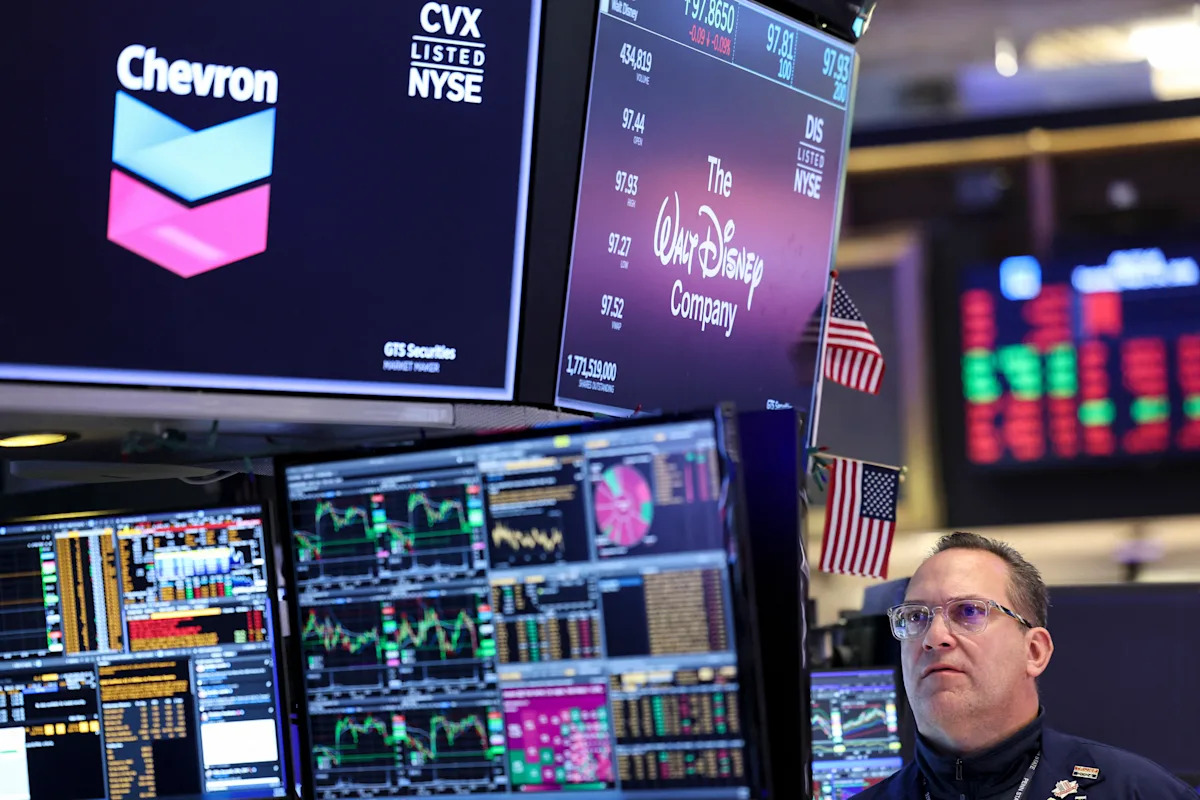
- Chevron's Growth Potential: As a leading gasoline retailer, Chevron (CVX) remains well-positioned with 70% of U.S. energy consumption from its products, and its dividend, which has risen for 39 years, pays $7.12 per share with a yield of 3.3%, reflecting strong long-term demand despite geopolitical tensions.
- PepsiCo's Brand Revitalization: Facing health-conscious consumer trends, PepsiCo (PEP) is revitalizing its brands and cutting costs, maintaining a 54-year dividend growth at $5.69 per share with a yield of 3.8%, indicating its potential for recovery and growth in a challenging market.
Trade with 70% Backtested Accuracy
Stop guessing "Should I Buy TGT?" and start using high-conviction signals backed by rigorous historical data.
Sign up today to access powerful investing tools and make smarter, data-driven decisions.
Analyst Views on TGT
Wall Street analysts forecast TGT stock price to fall
26 Analyst Rating
8 Buy
14 Hold
4 Sell
Hold
Current: 117.000

Low
80.00
Averages
98.83
High
126.00
Current: 117.000
Low
80.00
Averages
98.83
High
126.00
About TGT
Target Corporation is a general merchandise retailer selling products to its guests through its stores and digital channels. The Company offers customers, referred to as guests, everyday essentials and fashionable, differentiated merchandise at discounted prices. The majority of its stores offer a wide assortment of general merchandise and food. Its merchandise categories include apparel and accessories, beauty and household essentials, food and beverage, hardlines, and home furnishings and decor. Most of its stores are larger than 170,000 square feet, offer a variety of general merchandise and a full line of food items comparable to traditional supermarkets. Its digital channels include a wide merchandise and food assortment, including many items found in its stores, along with a complementary assortment sold by the Company and third parties. Its brands include A New Day, Ava & Viv, Cloud Island, Favorite Day, and others. It serves guests at nearly 2,000 stores and at Target.com.
About the author

Emily J. Thompson
Emily J. Thompson, a Chartered Financial Analyst (CFA) with 12 years in investment research, graduated with honors from the Wharton School. Specializing in industrial and technology stocks, she provides in-depth analysis for Intellectia’s earnings and market brief reports.
2026 Economic Outlook and Uber Developments


- GDP Growth Slowdown: The GDP growth rate for Q1 2026 is only 0.7%, significantly lower than the previous estimate of 1.4%, indicating a sluggish economic recovery that may dampen investor confidence and negatively impact stock market performance.
- Rising Inflation Pressure: With inflation exceeding 3% in January, combined with slowing GDP growth, concerns about stagflation may arise, leading to reduced consumer spending and threatening corporate profitability.
- Surge in Oil Prices: West Texas Intermediate crude oil prices have surged from $57 on January 2 to $93, even exceeding $100 at times, increasing consumer energy expenditure pressure and potentially suppressing spending in other areas.
- Uber's Autonomous Driving Partnerships: Uber has recently formed partnerships with several companies, including Waymo and Lucid, indicating its proactive positioning in the autonomous driving sector, which may lay the groundwork for future market share growth.
See More

2026 Economic Outlook and Oil Price Fluctuations
- GDP Growth Slowdown: The GDP growth rate for Q1 2026 is only 0.7%, significantly lower than the previous estimate of 1.4%, indicating economic stagnation that may heighten investor concerns about future economic prospects.
- High Inflation Pressure: With inflation exceeding 3% in January, combined with low growth, market fears of stagflation are rising, which could negatively impact consumer spending and business investment decisions, further dragging down economic recovery.
- Surging Oil Prices Impact: As of the recording date, West Texas Intermediate crude oil prices have reached $93 per barrel, a significant increase from $57 on January 2, which may force consumers to cut back on other expenditures due to rising energy costs, affecting overall economic activity.
- Geopolitical Risks: The rise in oil prices is primarily driven by geopolitical conflicts rather than demand growth, particularly due to uncertainties surrounding Iran, which could lead to a more pessimistic economic outlook, necessitating close monitoring of related developments.
See More
Analysis of Retail Sector Impact from Rising Oil Prices


- Impact of Rising Oil Prices: Brent crude futures have surged above $110 per barrel due to the ongoing Middle East conflict, with diesel prices exceeding $5 per gallon for the first time since 2022, potentially imposing secondary effects on the U.S. retail sector and increasing household budget pressures.
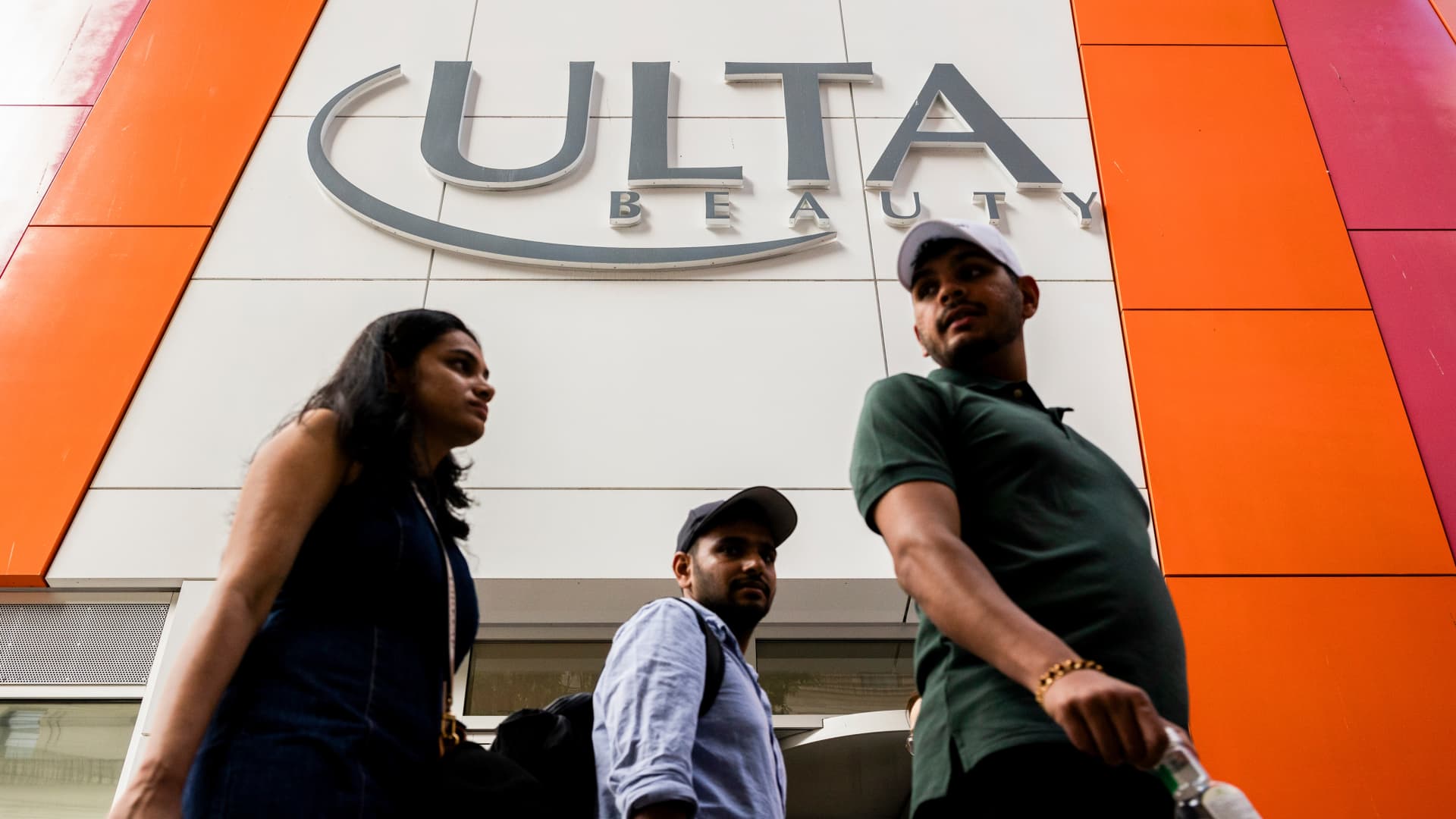
- Advantage of Higher-Income Customers: Deutsche Bank analysts noted that retailers like Ulta Beauty and Costco, which cater to higher-income demographics, have historically shown a positive correlation between sales and rising oil prices, indicating better sales performance in such environments.
- Pressure on Lower-Income Customers: Conversely, retailers like BJ's Wholesale Club and Burlington Stores, which primarily serve lower-income customers, exhibit negative sales correlations with rising gas prices, highlighting a trend where lower-income consumers reduce spending as fuel costs increase.
- Inventory Management Strategy: Despite the risks associated with rising input costs, many global brands, including Amer Sports and Birkenstock, maintain over 200 days of finished goods inventory, which helps mitigate near-term margin pressures and ensures market stability amid supply chain disruptions.
See More

Investment Opportunities in Target, Chevron, and PepsiCo


- Target's Transformation Plan: Newly appointed CEO Michael Fiddelke took over on February 1, outlining a $5 billion investment plan over the next few years to upgrade stores, hire more staff, and enhance AI capabilities, with analysts forecasting a 3% net sales growth in fiscal 2026 despite a 2% sales decline in fiscal 2025.
- Chevron's Robust Dividends: Chevron has increased its dividend for 39 consecutive years, paying $7.12 per share in 2025, yielding 3.3%; although the dividend cost was $12.8 billion, its $16.6 billion in free cash flow ensures the potential for future dividend growth.
- PepsiCo's Brand Revival: PepsiCo reported $93 billion in revenue, growing 2%, with an annual dividend of $5.69 per share yielding 3.8%; the company is cutting costs using AI and closing less productive plants to enhance brand competitiveness.
- Market Environment Impact: Amid heightened geopolitical tensions, consumers are leaning towards essentials, prompting investors to rotate into consumer staples stocks for stable dividend returns, positioning Target, Chevron, and PepsiCo as strong growth and income opportunities in this climate.
See More

Investment Opportunities in Consumer Staples Stocks Amid Geopolitical Tensions
- Target's Challenges and Opportunities: Despite a 2% sales decline in fiscal 2025, Target (TGT) is investing $5 billion under new CEO Michael Fiddelke to upgrade stores and enhance AI capabilities, with analysts forecasting a 3% net sales growth in fiscal 2026, indicating a strategic recovery effort amidst adversity.
- Stable Dividend Returns: Target has increased its dividend for 54 consecutive years, currently at $4.56 per share with a yield of nearly 4%, significantly above the S&P 500's 1.2%, providing investors with reliable cash flow despite ongoing challenges.
- Chevron's Growth Potential: As a leading gasoline retailer, Chevron (CVX) remains well-positioned with 70% of U.S. energy consumption from its products, and its dividend, which has risen for 39 years, pays $7.12 per share with a yield of 3.3%, reflecting strong long-term demand despite geopolitical tensions.
- PepsiCo's Brand Revitalization: Facing health-conscious consumer trends, PepsiCo (PEP) is revitalizing its brands and cutting costs, maintaining a 54-year dividend growth at $5.69 per share with a yield of 3.8%, indicating its potential for recovery and growth in a challenging market.
See More
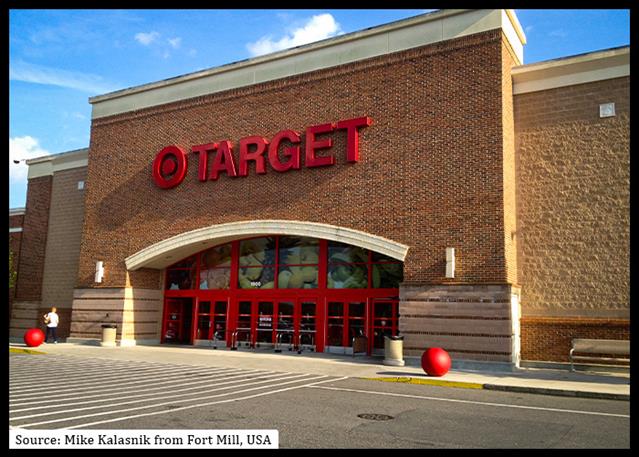
AFT Calls for Target Boycott Amid Immigration Concerns
- Escalating Boycott: The American Federation of Teachers (AFT) has urged its 1.8 million members to boycott Target during the back-to-school season due to perceived inadequate responses to federal immigration enforcement in Minneapolis, where two U.S. citizens lost their lives, thereby intensifying pressure on the retailer.
- Inter-Organizational Collaboration: AFT President Randi Weingarten indicated that the union plans to promote similar boycott resolutions within other prominent organizations, including the AFL-CIO, which could further amplify the boycott's impact.
- Target's Response Strategy: While Target emphasizes its commitment to community investment through long-standing philanthropic efforts and educator discount programs, it has not directly addressed the boycott initiative, potentially affecting its brand image and customer loyalty.
- Increased Sales Pressure: Following three consecutive years of declining sales, CEO Michael Fiddelke is seeking to restore growth through store renovations, price reductions, and expanded merchandise offerings, and this boycott undoubtedly poses an additional challenge to achieving those sales recovery goals.
See More
2026 Economic Outlook and Uber Developments
- GDP Growth Slowdown: The GDP growth rate for Q1 2026 is only 0.7%, significantly lower than the previous estimate of 1.4%, indicating a sluggish economic recovery that may dampen investor confidence and negatively impact stock market performance.
- Rising Inflation Pressure: With inflation exceeding 3% in January, combined with slowing GDP growth, concerns about stagflation may arise, leading to reduced consumer spending and threatening corporate profitability.
- Surge in Oil Prices: West Texas Intermediate crude oil prices have surged from $57 on January 2 to $93, even exceeding $100 at times, increasing consumer energy expenditure pressure and potentially suppressing spending in other areas.
- Uber's Autonomous Driving Partnerships: Uber has recently formed partnerships with several companies, including Waymo and Lucid, indicating its proactive positioning in the autonomous driving sector, which may lay the groundwork for future market share growth.
See More
2026 Economic Outlook and Oil Price Fluctuations
- GDP Growth Slowdown: The GDP growth rate for Q1 2026 is only 0.7%, significantly lower than the previous estimate of 1.4%, indicating economic stagnation that may heighten investor concerns about future economic prospects.
- High Inflation Pressure: With inflation exceeding 3% in January, combined with low growth, market fears of stagflation are rising, which could negatively impact consumer spending and business investment decisions, further dragging down economic recovery.
- Surging Oil Prices Impact: As of the recording date, West Texas Intermediate crude oil prices have reached $93 per barrel, a significant increase from $57 on January 2, which may force consumers to cut back on other expenditures due to rising energy costs, affecting overall economic activity.
- Geopolitical Risks: The rise in oil prices is primarily driven by geopolitical conflicts rather than demand growth, particularly due to uncertainties surrounding Iran, which could lead to a more pessimistic economic outlook, necessitating close monitoring of related developments.
See More
Analysis of Retail Sector Impact from Rising Oil Prices
- Impact of Rising Oil Prices: Brent crude futures have surged above $110 per barrel due to the ongoing Middle East conflict, with diesel prices exceeding $5 per gallon for the first time since 2022, potentially imposing secondary effects on the U.S. retail sector and increasing household budget pressures.
- Advantage of Higher-Income Customers: Deutsche Bank analysts noted that retailers like Ulta Beauty and Costco, which cater to higher-income demographics, have historically shown a positive correlation between sales and rising oil prices, indicating better sales performance in such environments.
- Pressure on Lower-Income Customers: Conversely, retailers like BJ's Wholesale Club and Burlington Stores, which primarily serve lower-income customers, exhibit negative sales correlations with rising gas prices, highlighting a trend where lower-income consumers reduce spending as fuel costs increase.
- Inventory Management Strategy: Despite the risks associated with rising input costs, many global brands, including Amer Sports and Birkenstock, maintain over 200 days of finished goods inventory, which helps mitigate near-term margin pressures and ensures market stability amid supply chain disruptions.
See More
Investment Opportunities in Target, Chevron, and PepsiCo
- Target's Transformation Plan: Newly appointed CEO Michael Fiddelke took over on February 1, outlining a $5 billion investment plan over the next few years to upgrade stores, hire more staff, and enhance AI capabilities, with analysts forecasting a 3% net sales growth in fiscal 2026 despite a 2% sales decline in fiscal 2025.
- Chevron's Robust Dividends: Chevron has increased its dividend for 39 consecutive years, paying $7.12 per share in 2025, yielding 3.3%; although the dividend cost was $12.8 billion, its $16.6 billion in free cash flow ensures the potential for future dividend growth.
- PepsiCo's Brand Revival: PepsiCo reported $93 billion in revenue, growing 2%, with an annual dividend of $5.69 per share yielding 3.8%; the company is cutting costs using AI and closing less productive plants to enhance brand competitiveness.
- Market Environment Impact: Amid heightened geopolitical tensions, consumers are leaning towards essentials, prompting investors to rotate into consumer staples stocks for stable dividend returns, positioning Target, Chevron, and PepsiCo as strong growth and income opportunities in this climate.
See More
Investment Opportunities in Consumer Staples Stocks Amid Geopolitical Tensions
- Target's Challenges and Opportunities: Despite a 2% sales decline in fiscal 2025, Target (TGT) is investing $5 billion under new CEO Michael Fiddelke to upgrade stores and enhance AI capabilities, with analysts forecasting a 3% net sales growth in fiscal 2026, indicating a strategic recovery effort amidst adversity.
- Stable Dividend Returns: Target has increased its dividend for 54 consecutive years, currently at $4.56 per share with a yield of nearly 4%, significantly above the S&P 500's 1.2%, providing investors with reliable cash flow despite ongoing challenges.
- Chevron's Growth Potential: As a leading gasoline retailer, Chevron (CVX) remains well-positioned with 70% of U.S. energy consumption from its products, and its dividend, which has risen for 39 years, pays $7.12 per share with a yield of 3.3%, reflecting strong long-term demand despite geopolitical tensions.
- PepsiCo's Brand Revitalization: Facing health-conscious consumer trends, PepsiCo (PEP) is revitalizing its brands and cutting costs, maintaining a 54-year dividend growth at $5.69 per share with a yield of 3.8%, indicating its potential for recovery and growth in a challenging market.
See More
AFT Calls for Target Boycott Amid Immigration Concerns
- Escalating Boycott: The American Federation of Teachers (AFT) has urged its 1.8 million members to boycott Target during the back-to-school season due to perceived inadequate responses to federal immigration enforcement in Minneapolis, where two U.S. citizens lost their lives, thereby intensifying pressure on the retailer.
- Inter-Organizational Collaboration: AFT President Randi Weingarten indicated that the union plans to promote similar boycott resolutions within other prominent organizations, including the AFL-CIO, which could further amplify the boycott's impact.
- Target's Response Strategy: While Target emphasizes its commitment to community investment through long-standing philanthropic efforts and educator discount programs, it has not directly addressed the boycott initiative, potentially affecting its brand image and customer loyalty.
- Increased Sales Pressure: Following three consecutive years of declining sales, CEO Michael Fiddelke is seeking to restore growth through store renovations, price reductions, and expanded merchandise offerings, and this boycott undoubtedly poses an additional challenge to achieving those sales recovery goals.
See More