Investment Opportunities in Ares Capital and UPS
Written by Emily J. Thompson, Senior Investment Analyst
Updated: 2 hours ago
0mins

Should l Buy UPS?
Source: Fool
- Market Misunderstanding of Ares Capital: Despite market concerns stemming from negative media coverage of the private credit sector, Ares Capital's diversified portfolio and annual loss rate significantly below the industry average indicate strong risk management, positioning the company for stable future returns.
- UPS's Transformation Potential: Although UPS's revenue has declined compared to the past and its stock price is down 45% from three years ago, the company is focusing on higher-margin shipments and streamlining operations, with expectations of reaching a profitability inflection point by 2026.
- Limited Investment Window: Currently, investors have a limited opportunity to buy Ares Capital and UPS at discounted prices, as the market is likely to soon recognize the potential value of these stocks, making now the time to lock in attractive yields of 10% and 4.1% respectively.
- Industry Outlook and Risks: While concerns about private credit are rising, Ares Capital's investment strategy in resilient software and services mitigates risks, and UPS's focus on high-margin business and operational optimization showcases its potential for future growth.
Trade with 70% Backtested Accuracy
Stop guessing "Should I Buy UPS?" and start using high-conviction signals backed by rigorous historical data.
Sign up today to access powerful investing tools and make smarter, data-driven decisions.
Analyst Views on UPS
Wall Street analysts forecast UPS stock price to fall
19 Analyst Rating
9 Buy
9 Hold
1 Sell
Moderate Buy
Current: 107.110

Low
80.00
Averages
107.06
High
126.00
Current: 107.110
Low
80.00
Averages
107.06
High
126.00
About UPS
United Parcel Service, Inc. is a global package delivery and logistics provider. Its U.S. Domestic Package segment offers a full spectrum of air and ground package transportation services. Its air portfolio offers time-definite, same-day, next-day, two-day and three-day delivery alternatives as well as air cargo services. Its ground network enables customers to ship using its day-definite ground service. Ground Saver provides residential ground service for customers with non-urgent, lightweight residential shipments. Its International Package segment consists of small package operations in Europe, Middle East and Africa, Canada and Latin America and Asia. It offers a selection of guaranteed day and time-definite international transportation services supported by its brokerage capabilities that facilitate cross-border clearance for international shipments. Its supply chain solutions consist of customized third-party logistics and specialized cold chain transportation solutions.
About the author

Emily J. Thompson
Emily J. Thompson, a Chartered Financial Analyst (CFA) with 12 years in investment research, graduated with honors from the Wharton School. Specializing in industrial and technology stocks, she provides in-depth analysis for Intellectia’s earnings and market brief reports.

Investment Opportunities in Ares Capital and UPS


- Misunderstanding Ares Capital: Despite rising default rate concerns in the private credit industry, Ares Capital, as the largest publicly traded business development company, boasts a significantly lower annual loss rate than the industry average, showcasing its disciplined underwriting process and diversified investment strategy, which may attract more investor attention in the future.
- UPS's Transformation Potential: Although UPS's revenue has declined compared to the past and its stock price is 45% lower than three years ago, the company is focusing on higher-margin shipping and streamlining operations, with expectations of reaching a profitability inflection point by 2026, a shift that the market has yet to fully recognize.
- Attractive Dividend Yields: Ares Capital's forward dividend yield hovers around 10%, while UPS's yield stands at 4.1%, allowing investors to lock in substantial returns at current low prices before the market realizes the potential value of these stocks, enhancing portfolio returns.
- Delayed Market Reaction: The misunderstanding of Ares Capital and UPS by investors has led to depressed stock prices; however, as the market reassesses the future prospects of these two companies, a rebound in stock prices is anticipated, providing a limited window of investment opportunity.
See More

Investment Opportunities in Ares Capital and UPS
- Market Misunderstanding of Ares Capital: Despite market concerns stemming from negative media coverage of the private credit sector, Ares Capital's diversified portfolio and annual loss rate significantly below the industry average indicate strong risk management, positioning the company for stable future returns.
- UPS's Transformation Potential: Although UPS's revenue has declined compared to the past and its stock price is down 45% from three years ago, the company is focusing on higher-margin shipments and streamlining operations, with expectations of reaching a profitability inflection point by 2026.
- Limited Investment Window: Currently, investors have a limited opportunity to buy Ares Capital and UPS at discounted prices, as the market is likely to soon recognize the potential value of these stocks, making now the time to lock in attractive yields of 10% and 4.1% respectively.
- Industry Outlook and Risks: While concerns about private credit are rising, Ares Capital's investment strategy in resilient software and services mitigates risks, and UPS's focus on high-margin business and operational optimization showcases its potential for future growth.
See More

Trump Extends Iran Ceasefire Deadline Amid Market Uncertainty


- Ceasefire Extension: President Trump has extended the Iran ceasefire deadline by two weeks, a move that may exacerbate uncertainty in the Middle East conflict as Tehran shows reluctance to engage in diplomatic efforts, potentially impacting global market sentiment.
- Tariff Policy Impact: Trump expressed hope that U.S. companies that have not sought refunds for his tariffs will adhere to a 'no take back' policy, despite the Supreme Court ruling the tariffs illegal; major firms like Apple and Amazon have yet to file for refunds, which could affect their future financial performance.
- Market Reaction: Following Trump's announcement of the ceasefire extension, U.S. stock index futures rose, despite a lower close on Tuesday, while crude oil prices increased, indicating market sensitivity to developments in the Middle East.
- Aviation Industry Outlook: United Airlines has slashed its 2026 earnings outlook due to supply chain issues stemming from the Middle East conflict, reflecting the direct impact of soaring fuel prices on the airline industry and potentially leading to broader industry adjustments.
See More

UBS Analysis: Impact of US-Iran Ceasefire on Stocks

- Ceasefire Impact Assessment: UBS analysts evaluated individual stocks' performance during the US-Iran ceasefire using three metrics, including exposure to Middle Eastern commodities, pricing power, and sensitivity to past supply shocks, providing investors with clear investment directions.
- Southwest Airlines Outlook: The stock of Southwest Airlines fell over 25% during the war, but UBS believes it will benefit if hostilities cease; prior to the conflict, analysts upgraded the stock to buy, anticipating that new initiatives would enhance profitability.
- Procter & Gamble Potential Winner: As of Monday, Procter & Gamble's stock was 14% below its pre-war level, despite gaining 17% in the first two months of the year, and UBS sees potential for recovery and increased market confidence if peace is achieved.
- UPS Growth Opportunities: UPS's stock rose 17% in the two months before the war but fell 18% during hostilities; UBS analysts noted that avoiding further conflict could benefit UPS due to its undervalued stock and potential earnings growth.
See More
UPS and Happy Returns Expand Return Bar Network to 10K Locations
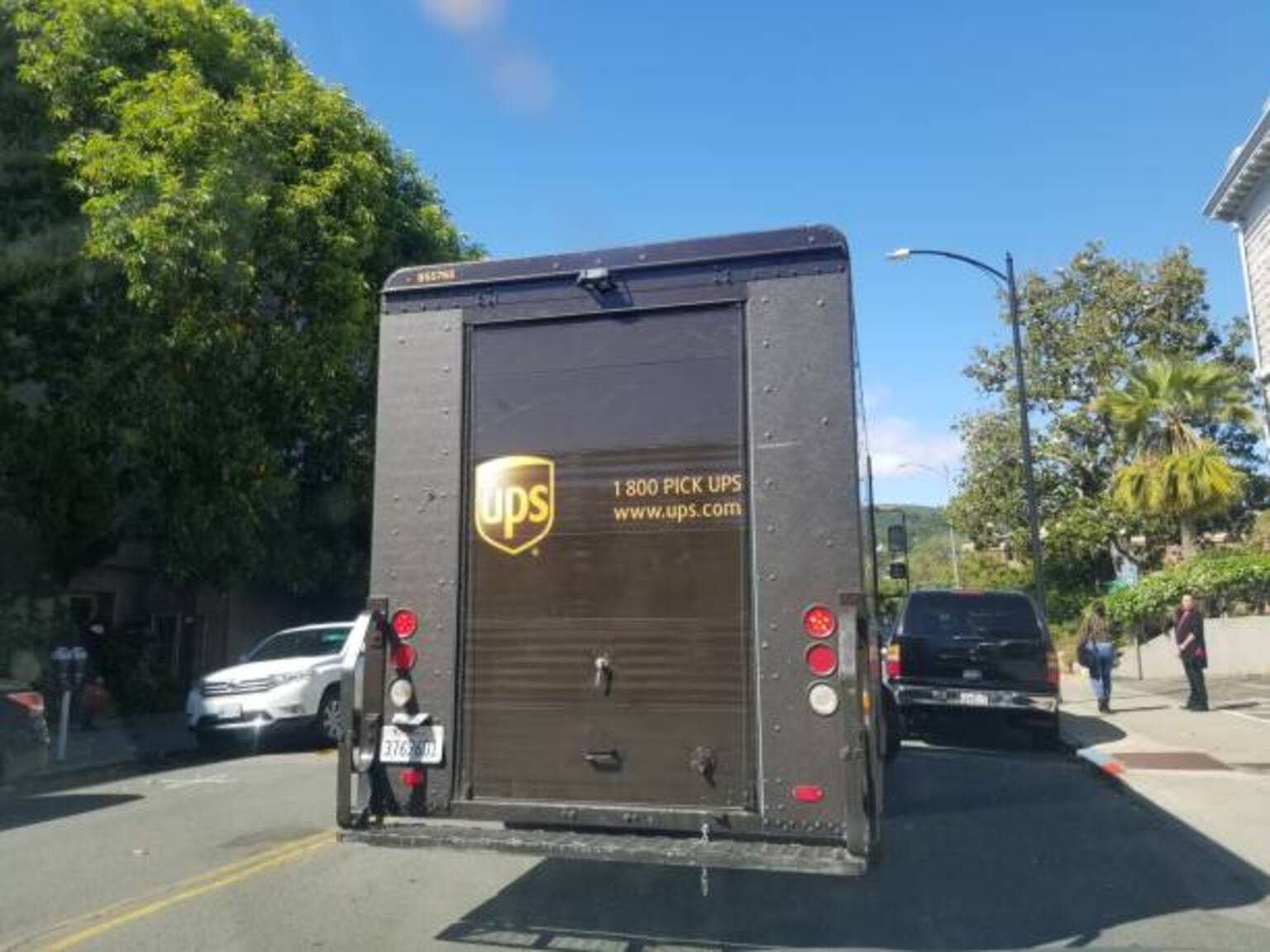
- Network Expansion Milestone: UPS and Happy Returns have expanded their return network to 10,000 U.S. locations, adding over 1,700 new sites, which solidifies their position as the largest consolidated return network in the country, significantly enhancing return convenience for online shoppers.
- Convenient Return Options: With 79% of the U.S. population now living within five miles of a Return Bar and over a quarter within one mile, the return process is easier to integrate into daily errands, improving customer experience and satisfaction.
- Instant Refund Mechanism: Shoppers can bring unpackaged items to participating locations, where associates scan a barcode to verify returns and trigger instant refunds, eliminating the need for boxes and printers, thus streamlining the return process.
- Strategic Partnership Advantages: Happy Returns collaborates with brands like Everlane and SHEIN, focusing on box-free, label-free return solutions that enhance return efficiency and sustainability, further solidifying UPS's market leadership in reverse logistics.
See More

UPS and Happy Returns Expand Return Bar Network to 10,000 Locations
- Network Expansion: The partnership between UPS and Happy Returns adds 1,700 new Return Bar® locations, bringing the total to 10,000, significantly enhancing consumer return convenience and expected to drive further growth in online shopping.
- Increased Coverage: The new locations allow 79% of the U.S. population to find a Return Bar® within five miles, up from 76%, indicating significant progress in simplifying the return process and enhancing customer satisfaction.
- Rapid Processing: With AI-powered Return Vision™ technology, return processing time is reduced to 3.6 days, with an average return transit time of seven days, enabling retailers to better manage the increasing volume of returns.
- Market Leadership: Happy Returns' return network is now the largest consolidated return network in the U.S., three times the size of the next competitor, further solidifying its leadership position in the reverse logistics market and enhancing brand competitiveness.
See More
Investment Opportunities in Ares Capital and UPS
- Misunderstanding Ares Capital: Despite rising default rate concerns in the private credit industry, Ares Capital, as the largest publicly traded business development company, boasts a significantly lower annual loss rate than the industry average, showcasing its disciplined underwriting process and diversified investment strategy, which may attract more investor attention in the future.
- UPS's Transformation Potential: Although UPS's revenue has declined compared to the past and its stock price is 45% lower than three years ago, the company is focusing on higher-margin shipping and streamlining operations, with expectations of reaching a profitability inflection point by 2026, a shift that the market has yet to fully recognize.
- Attractive Dividend Yields: Ares Capital's forward dividend yield hovers around 10%, while UPS's yield stands at 4.1%, allowing investors to lock in substantial returns at current low prices before the market realizes the potential value of these stocks, enhancing portfolio returns.
- Delayed Market Reaction: The misunderstanding of Ares Capital and UPS by investors has led to depressed stock prices; however, as the market reassesses the future prospects of these two companies, a rebound in stock prices is anticipated, providing a limited window of investment opportunity.
See More
Investment Opportunities in Ares Capital and UPS
- Market Misunderstanding of Ares Capital: Despite market concerns stemming from negative media coverage of the private credit sector, Ares Capital's diversified portfolio and annual loss rate significantly below the industry average indicate strong risk management, positioning the company for stable future returns.
- UPS's Transformation Potential: Although UPS's revenue has declined compared to the past and its stock price is down 45% from three years ago, the company is focusing on higher-margin shipments and streamlining operations, with expectations of reaching a profitability inflection point by 2026.
- Limited Investment Window: Currently, investors have a limited opportunity to buy Ares Capital and UPS at discounted prices, as the market is likely to soon recognize the potential value of these stocks, making now the time to lock in attractive yields of 10% and 4.1% respectively.
- Industry Outlook and Risks: While concerns about private credit are rising, Ares Capital's investment strategy in resilient software and services mitigates risks, and UPS's focus on high-margin business and operational optimization showcases its potential for future growth.
See More
Trump Extends Iran Ceasefire Deadline Amid Market Uncertainty
- Ceasefire Extension: President Trump has extended the Iran ceasefire deadline by two weeks, a move that may exacerbate uncertainty in the Middle East conflict as Tehran shows reluctance to engage in diplomatic efforts, potentially impacting global market sentiment.
- Tariff Policy Impact: Trump expressed hope that U.S. companies that have not sought refunds for his tariffs will adhere to a 'no take back' policy, despite the Supreme Court ruling the tariffs illegal; major firms like Apple and Amazon have yet to file for refunds, which could affect their future financial performance.
- Market Reaction: Following Trump's announcement of the ceasefire extension, U.S. stock index futures rose, despite a lower close on Tuesday, while crude oil prices increased, indicating market sensitivity to developments in the Middle East.
- Aviation Industry Outlook: United Airlines has slashed its 2026 earnings outlook due to supply chain issues stemming from the Middle East conflict, reflecting the direct impact of soaring fuel prices on the airline industry and potentially leading to broader industry adjustments.
See More
UBS Analysis: Impact of US-Iran Ceasefire on Stocks
- Ceasefire Impact Assessment: UBS analysts evaluated individual stocks' performance during the US-Iran ceasefire using three metrics, including exposure to Middle Eastern commodities, pricing power, and sensitivity to past supply shocks, providing investors with clear investment directions.
- Southwest Airlines Outlook: The stock of Southwest Airlines fell over 25% during the war, but UBS believes it will benefit if hostilities cease; prior to the conflict, analysts upgraded the stock to buy, anticipating that new initiatives would enhance profitability.
- Procter & Gamble Potential Winner: As of Monday, Procter & Gamble's stock was 14% below its pre-war level, despite gaining 17% in the first two months of the year, and UBS sees potential for recovery and increased market confidence if peace is achieved.
- UPS Growth Opportunities: UPS's stock rose 17% in the two months before the war but fell 18% during hostilities; UBS analysts noted that avoiding further conflict could benefit UPS due to its undervalued stock and potential earnings growth.
See More
UPS and Happy Returns Expand Return Bar Network to 10K Locations
- Network Expansion Milestone: UPS and Happy Returns have expanded their return network to 10,000 U.S. locations, adding over 1,700 new sites, which solidifies their position as the largest consolidated return network in the country, significantly enhancing return convenience for online shoppers.
- Convenient Return Options: With 79% of the U.S. population now living within five miles of a Return Bar and over a quarter within one mile, the return process is easier to integrate into daily errands, improving customer experience and satisfaction.
- Instant Refund Mechanism: Shoppers can bring unpackaged items to participating locations, where associates scan a barcode to verify returns and trigger instant refunds, eliminating the need for boxes and printers, thus streamlining the return process.
- Strategic Partnership Advantages: Happy Returns collaborates with brands like Everlane and SHEIN, focusing on box-free, label-free return solutions that enhance return efficiency and sustainability, further solidifying UPS's market leadership in reverse logistics.
See More
UPS and Happy Returns Expand Return Bar Network to 10,000 Locations
- Network Expansion: The partnership between UPS and Happy Returns adds 1,700 new Return Bar® locations, bringing the total to 10,000, significantly enhancing consumer return convenience and expected to drive further growth in online shopping.
- Increased Coverage: The new locations allow 79% of the U.S. population to find a Return Bar® within five miles, up from 76%, indicating significant progress in simplifying the return process and enhancing customer satisfaction.
- Rapid Processing: With AI-powered Return Vision™ technology, return processing time is reduced to 3.6 days, with an average return transit time of seven days, enabling retailers to better manage the increasing volume of returns.
- Market Leadership: Happy Returns' return network is now the largest consolidated return network in the U.S., three times the size of the next competitor, further solidifying its leadership position in the reverse logistics market and enhancing brand competitiveness.
See More