Intel Partners with Elon Musk on Terafab Chip Facility
Written by Emily J. Thompson, Senior Investment Analyst
Updated: Apr 07 2026
0mins
Source: Yahoo Finance
- Project Launch: Intel is collaborating with Elon Musk on the Terafab project, aiming to establish a chip design facility with support from Tesla, SpaceX, and xAI, marking a strategic move into physical AI.
- Stock Recovery: Intel's stock has risen 40% this year, indicating that its turnaround efforts are beginning to pay off, particularly under new CEO Libu, who has focused on cost-cutting and core technology enhancement to boost market confidence.
- Customer Expansion: The partnership with xAI and Tesla not only opens new markets for Intel's chip products but also has the potential to attract major clients like Amazon and Microsoft, further solidifying its position in the high-performance computing sector.
- Technology Integration: Intel's collaboration with Nvidia will enable its chips to be integrated with Nvidia GPUs on the same platform, enhancing server performance and flexibility, signaling ongoing progress in technological innovation and market competitiveness.
Trade with 70% Backtested Accuracy
Stop guessing "Should I Buy INTC?" and start using high-conviction signals backed by rigorous historical data.
Sign up today to access powerful investing tools and make smarter, data-driven decisions.
Analyst Views on INTC
Wall Street analysts forecast INTC stock price to fall
29 Analyst Rating
5 Buy
19 Hold
5 Sell
Hold
Current: 132.870

Low
20.00
Averages
39.30
High
52.00
Current: 132.870
Low
20.00
Averages
39.30
High
52.00
About INTC
Intel Corporation is a global designer and manufacturer of semiconductor products. The Company's segments include Intel Products, Intel Foundry, and All Other. Its Intel Products comprise Client Computing Group (CCG) and Data Center and AI (DCAI). CCG delivers platforms and processors that power PCs and edge devices, enabling enhanced performance, connectivity and user experience for consumer and commercial markets with capabilities that also support retail, industrial robotics and AI ecosystems at the edge. DCAI delivers workload-optimized solutions based upon its x86 architecture for data centers, including CPUs, AI accelerators, NICs, IPUs and custom ASICs, enabling performance and scalability for cloud, enterprise, telecommunication and HPC environments. The Intel Foundry segment comprises technology development, manufacturing and foundry services, developing new semiconductor process technologies and advanced packaging technologies. All Other segments include Mobileye and Other.
About the author

Emily J. Thompson
Emily J. Thompson, a Chartered Financial Analyst (CFA) with 12 years in investment research, graduated with honors from the Wharton School. Specializing in industrial and technology stocks, she provides in-depth analysis for Intellectia’s earnings and market brief reports.

CoreWeave and Nvidia Partnership Fuels AI Growth


- Core Advantage: CoreWeave has secured over $99 billion in contracts through its partnership with Nvidia, becoming the first cloud provider to integrate Nvidia's Vera Rubin NVL72 platform, thereby gaining a crucial competitive edge in a crowded market.
- Financial Performance Analysis: Despite CoreWeave's revenue reaching nearly $2.1 billion in Q1 2026, a 112% year-over-year increase, its $740 million loss and nearly $25 billion debt level have raised investor concerns, potentially putting pressure on its stock price.
- Nokia's Transformation and Growth: Nokia's partnership with Nvidia allows its 5G equipment to embed Nvidia's ARC-Pro processors; although Q1 2026 revenue grew only 2%, its stock has surged approximately 170% over the past year, reflecting market optimism about its future potential.
- Future Outlook for AI Functionality: Collaborations with T-Mobile and French telco Orange will drive the implementation of AI capabilities, with plans to integrate these into upcoming 6G technology, suggesting that despite current financial performance, this strategic partnership could yield long-term growth opportunities for Nokia.
See More

Nvidia Boosts CoreWeave and Nokia Stock Prices Significantly
- CoreWeave Contract Surge: Following its partnership with Nvidia, CoreWeave's backlog skyrocketed from $67 billion to $99 billion, indicating strong demand in the cloud computing sector; despite a $740 million loss in Q1, the 112% revenue growth underscores the potential of the AI market.
- Financial Pressure Evident: While CoreWeave boasts a market cap of $54 billion, its debt has approached $25 billion, posing a significant burden, and if AI growth does not meet expectations, it could further pressure the stock price.
- Nokia's Successful Transformation: Nokia's collaboration with Nvidia embeds ARC-Pro processors into its 5G equipment; although Q1 revenue grew only 2%, its stock has surged approximately 170% over the past year, reflecting market optimism about its future potential.
- Positive Future Outlook: With a forward P/E ratio of 34, Nokia presents an opportunity for investors; as AI functionalities are integrated, the company is poised for its best performance in decades within the telecom sector.
See More
Nvidia's Portfolio: Potential Stocks to Buy Now

- CoreWeave's Growth Potential: CoreWeave's backlog has reached $99 billion due to its partnership with Nvidia, with Q1 2026 revenue hitting $2.1 billion, a 112% year-over-year increase, despite a loss of $740 million, indicating strong AI growth potential.
- Debt Burden Concerns: CoreWeave's debt has approached $25 billion, which is significant compared to its $4.8 billion book value, potentially impacting stock performance if AI growth does not meet expectations.
- Nokia's Transformation: Nokia's partnership with Nvidia has integrated ARC-Pro processors into its 5G equipment, leading to a 2% revenue increase in Q1 2026, while its stock has surged approximately 170% over the past year, reflecting market optimism about its future.
- Future Growth Opportunities: With a forward P/E ratio of 34, Nokia presents an opportunity for investors to profit as it supports Nvidia's AI functionalities, particularly in the upcoming 6G technology.
See More
Amkor Technology: The Secret Weapon in Semiconductors

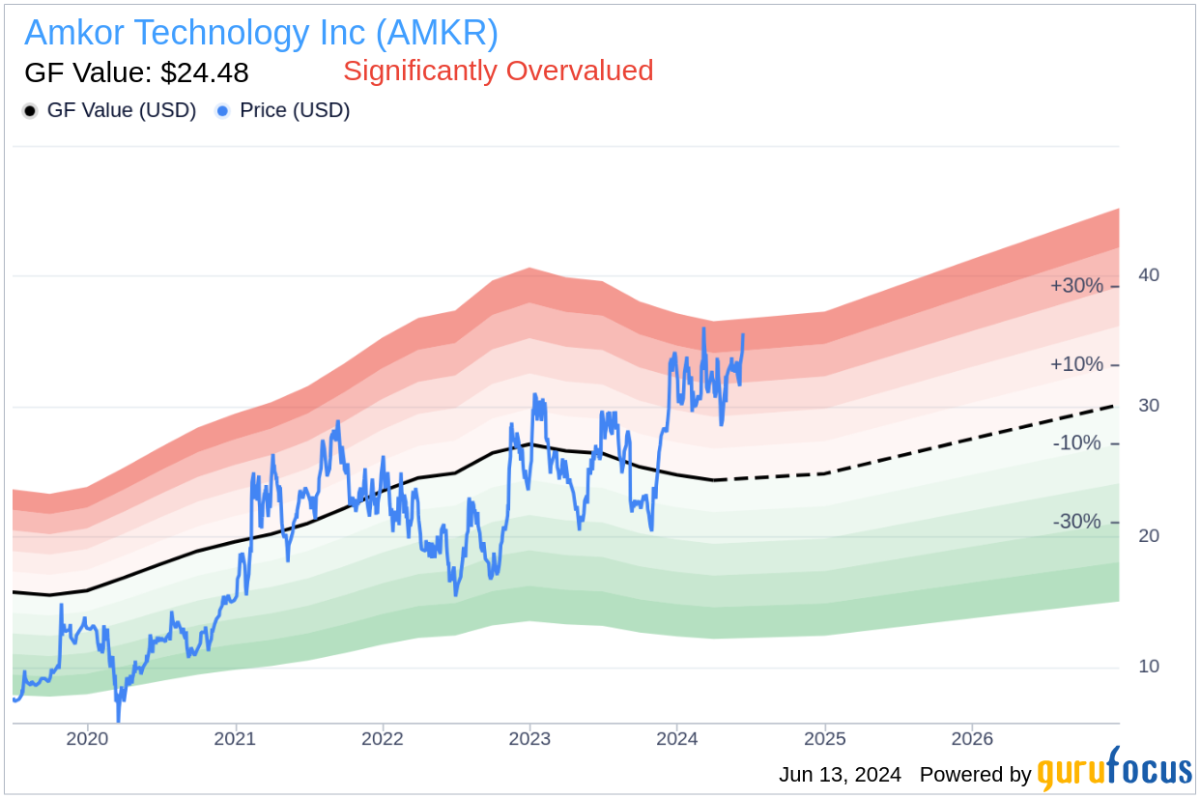
- Significant Industry Position: Amkor Technology, a 50-year veteran in the semiconductor industry, is positioned as a key player in the U.S. advanced nanochip manufacturing landscape due to its close relationships with Apple and TSMC, and is expected to benefit from the trend of onshoring production in America.
- Critical Technology Integration: The packaging and testing services provided by Amkor are essential in the semiconductor supply chain, as they integrate various chip components like GPUs and memory into a single package, enhancing overall chip performance and market competitiveness.
- Exhibition Opportunities: Amkor is set to showcase its products alongside TSMC at an exhibition in China on June 25, followed by an event in South Korea in July, which not only boosts brand visibility but may also pave the way for future collaboration opportunities, strengthening its global market presence.
- Investment Potential Analysis: While Amkor is viewed as a promising investment, market analysts suggest that certain AI stocks may offer greater upside potential and lower downside risk, indicating that investors should carefully assess the balance of risk and reward when making investment decisions.
See More

Tesla Completes Blueprint for AI5 Chip


- AI5 Chip Design Completed: Tesla has finalized the design of its AI5 chip, which has been sent to Samsung and Taiwan Semiconductor for manufacturing, with production expected to ramp up over the next 12 to 18 months, providing robust support for its humanoid robots and autonomous driving network.
- Significant Performance Boost: The new AI5 chip boasts a 40x performance increase over its predecessor, aimed at reducing manufacturing costs and enhancing Tesla's competitiveness in the robotics and autonomous driving sectors, thereby solidifying its market position.
- Vertical Integration Strategy: Tesla plans to build its own semiconductor manufacturing facility, Terrafab, in Texas to achieve greater vertical integration, which is expected to reduce reliance on external suppliers and provide cost advantages in future robot manufacturing.
- High Market Valuation: Despite the appealing vision, Tesla's current market cap stands at $1.4 trillion with a P/E ratio of 348, indicating that market expectations for future growth are already priced in, prompting investors to carefully assess risks.
See More
Tesla Expands into AI with New Chip Development
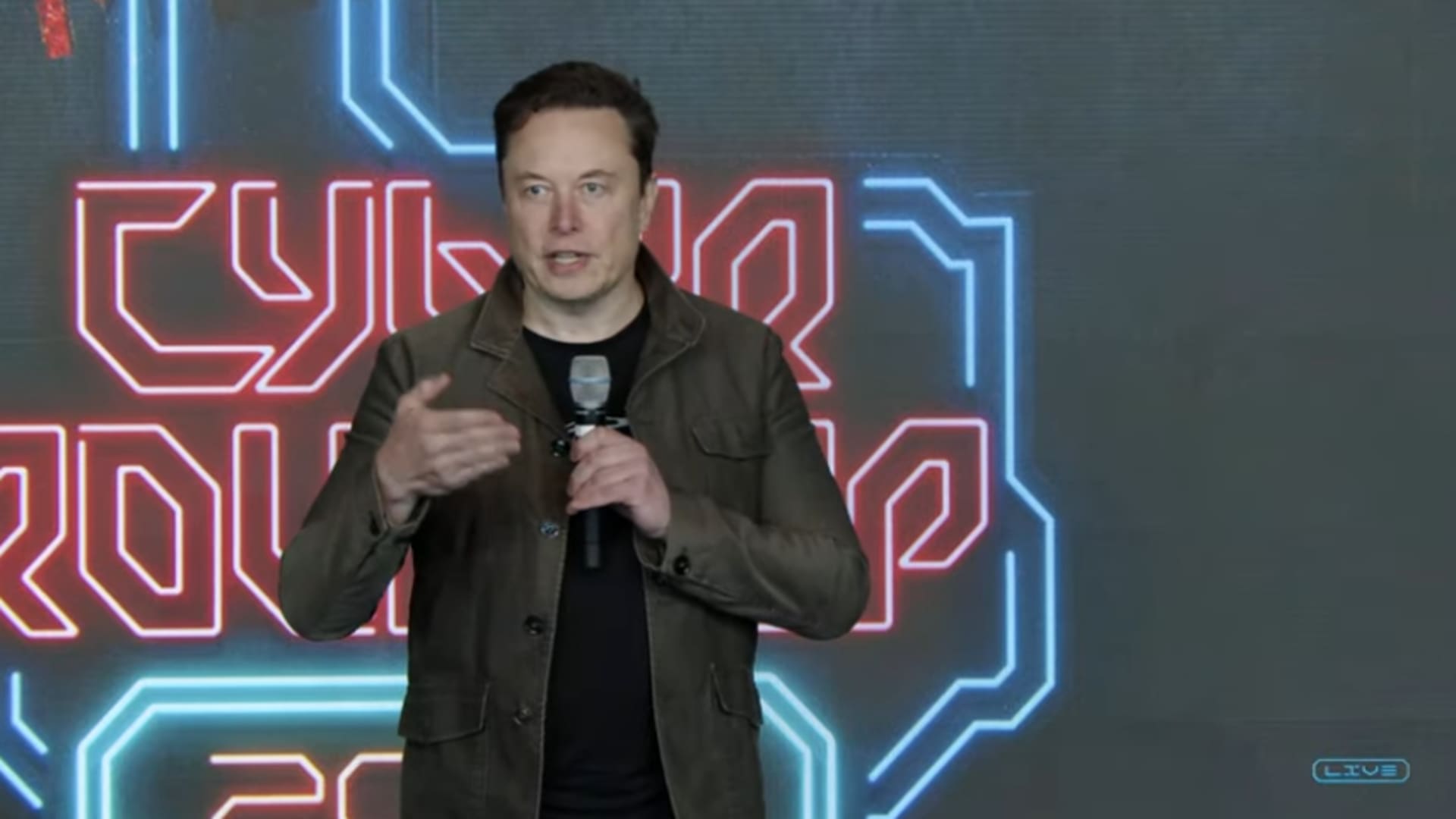
- Chip Design Breakthrough: Tesla has completed the tape-out of its AI5 computer chip, which is expected to enter production within the next 12 to 18 months, supporting new projects like the Optimus humanoid robot, showcasing the company's ambitions in the AI sector.
- Significant Performance Boost: The new chip boasts a 40x performance increase over its predecessor, aimed at facilitating Tesla's expansion into robotics and autonomous driving, which is expected to provide a cost advantage and enhance market competitiveness.
- Vertical Integration Strategy: Tesla plans to build its own semiconductor manufacturing facility, named Terrafab, in Texas, aiming to further integrate its robotics and AI production chain and reduce reliance on external suppliers.
- Complex Market Outlook: Despite Tesla's market cap reaching $1.4 trillion and a P/E ratio of 348, realizing Musk's vision faces multiple challenges, prompting investors to carefully assess the current stock price's validity.
See More
CoreWeave and Nvidia Partnership Fuels AI Growth
- Core Advantage: CoreWeave has secured over $99 billion in contracts through its partnership with Nvidia, becoming the first cloud provider to integrate Nvidia's Vera Rubin NVL72 platform, thereby gaining a crucial competitive edge in a crowded market.
- Financial Performance Analysis: Despite CoreWeave's revenue reaching nearly $2.1 billion in Q1 2026, a 112% year-over-year increase, its $740 million loss and nearly $25 billion debt level have raised investor concerns, potentially putting pressure on its stock price.
- Nokia's Transformation and Growth: Nokia's partnership with Nvidia allows its 5G equipment to embed Nvidia's ARC-Pro processors; although Q1 2026 revenue grew only 2%, its stock has surged approximately 170% over the past year, reflecting market optimism about its future potential.
- Future Outlook for AI Functionality: Collaborations with T-Mobile and French telco Orange will drive the implementation of AI capabilities, with plans to integrate these into upcoming 6G technology, suggesting that despite current financial performance, this strategic partnership could yield long-term growth opportunities for Nokia.
See More
Nvidia Boosts CoreWeave and Nokia Stock Prices Significantly
- CoreWeave Contract Surge: Following its partnership with Nvidia, CoreWeave's backlog skyrocketed from $67 billion to $99 billion, indicating strong demand in the cloud computing sector; despite a $740 million loss in Q1, the 112% revenue growth underscores the potential of the AI market.
- Financial Pressure Evident: While CoreWeave boasts a market cap of $54 billion, its debt has approached $25 billion, posing a significant burden, and if AI growth does not meet expectations, it could further pressure the stock price.
- Nokia's Successful Transformation: Nokia's collaboration with Nvidia embeds ARC-Pro processors into its 5G equipment; although Q1 revenue grew only 2%, its stock has surged approximately 170% over the past year, reflecting market optimism about its future potential.
- Positive Future Outlook: With a forward P/E ratio of 34, Nokia presents an opportunity for investors; as AI functionalities are integrated, the company is poised for its best performance in decades within the telecom sector.
See More
Nvidia's Portfolio: Potential Stocks to Buy Now
- CoreWeave's Growth Potential: CoreWeave's backlog has reached $99 billion due to its partnership with Nvidia, with Q1 2026 revenue hitting $2.1 billion, a 112% year-over-year increase, despite a loss of $740 million, indicating strong AI growth potential.
- Debt Burden Concerns: CoreWeave's debt has approached $25 billion, which is significant compared to its $4.8 billion book value, potentially impacting stock performance if AI growth does not meet expectations.
- Nokia's Transformation: Nokia's partnership with Nvidia has integrated ARC-Pro processors into its 5G equipment, leading to a 2% revenue increase in Q1 2026, while its stock has surged approximately 170% over the past year, reflecting market optimism about its future.
- Future Growth Opportunities: With a forward P/E ratio of 34, Nokia presents an opportunity for investors to profit as it supports Nvidia's AI functionalities, particularly in the upcoming 6G technology.
See More
Amkor Technology: The Secret Weapon in Semiconductors
- Significant Industry Position: Amkor Technology, a 50-year veteran in the semiconductor industry, is positioned as a key player in the U.S. advanced nanochip manufacturing landscape due to its close relationships with Apple and TSMC, and is expected to benefit from the trend of onshoring production in America.
- Critical Technology Integration: The packaging and testing services provided by Amkor are essential in the semiconductor supply chain, as they integrate various chip components like GPUs and memory into a single package, enhancing overall chip performance and market competitiveness.
- Exhibition Opportunities: Amkor is set to showcase its products alongside TSMC at an exhibition in China on June 25, followed by an event in South Korea in July, which not only boosts brand visibility but may also pave the way for future collaboration opportunities, strengthening its global market presence.
- Investment Potential Analysis: While Amkor is viewed as a promising investment, market analysts suggest that certain AI stocks may offer greater upside potential and lower downside risk, indicating that investors should carefully assess the balance of risk and reward when making investment decisions.
See More
Tesla Completes Blueprint for AI5 Chip
- AI5 Chip Design Completed: Tesla has finalized the design of its AI5 chip, which has been sent to Samsung and Taiwan Semiconductor for manufacturing, with production expected to ramp up over the next 12 to 18 months, providing robust support for its humanoid robots and autonomous driving network.
- Significant Performance Boost: The new AI5 chip boasts a 40x performance increase over its predecessor, aimed at reducing manufacturing costs and enhancing Tesla's competitiveness in the robotics and autonomous driving sectors, thereby solidifying its market position.
- Vertical Integration Strategy: Tesla plans to build its own semiconductor manufacturing facility, Terrafab, in Texas to achieve greater vertical integration, which is expected to reduce reliance on external suppliers and provide cost advantages in future robot manufacturing.
- High Market Valuation: Despite the appealing vision, Tesla's current market cap stands at $1.4 trillion with a P/E ratio of 348, indicating that market expectations for future growth are already priced in, prompting investors to carefully assess risks.
See More
Tesla Expands into AI with New Chip Development
- Chip Design Breakthrough: Tesla has completed the tape-out of its AI5 computer chip, which is expected to enter production within the next 12 to 18 months, supporting new projects like the Optimus humanoid robot, showcasing the company's ambitions in the AI sector.
- Significant Performance Boost: The new chip boasts a 40x performance increase over its predecessor, aimed at facilitating Tesla's expansion into robotics and autonomous driving, which is expected to provide a cost advantage and enhance market competitiveness.
- Vertical Integration Strategy: Tesla plans to build its own semiconductor manufacturing facility, named Terrafab, in Texas, aiming to further integrate its robotics and AI production chain and reduce reliance on external suppliers.
- Complex Market Outlook: Despite Tesla's market cap reaching $1.4 trillion and a P/E ratio of 348, realizing Musk's vision faces multiple challenges, prompting investors to carefully assess the current stock price's validity.
See More