Indirect Investment Opportunities in NASA
Written by Emily J. Thompson, Senior Investment Analyst
Updated: Jan 28 2026
0mins


Source: Benzinga
- Investment Limitations: As NASA is a U.S. government agency and not a public company, investors cannot directly purchase its stock, which means they miss out on traditional market returns associated with NASA.
- Indirect Investment Channels: Investors can gain indirect exposure through publicly traded companies like Lockheed Martin (LMT) and Northrop Grumman (NOC), which earn revenue from government contracts and commercial services, showcasing a diversified business model.
- Risks of Pure-Play Space Stocks: Companies like Rocket Lab (RKLB), which focus on small satellite launches, offer higher growth potential but come with increased risk, requiring investors to carefully assess volatility and market demand.
- Diversified Options via Space ETFs: Investors can opt for space-themed exchange-traded funds (ETFs) such as Procure Space ETF and ARK Space Exploration ETF, which hold stocks of various aerospace and defense companies, providing broader market exposure without relying on a single entity.
Trade with 70% Backtested Accuracy
Stop guessing "Should I Buy BA?" and start using high-conviction signals backed by rigorous historical data.
Sign up today to access powerful investing tools and make smarter, data-driven decisions.
Analyst Views on BA
Wall Street analysts forecast BA stock price to rise
16 Analyst Rating
14 Buy
1 Hold
1 Sell
Strong Buy
Current: 213.470

Low
150.00
Averages
269.14
High
298.00
Current: 213.470
Low
150.00
Averages
269.14
High
298.00
About BA
The Boeing Company is an aerospace company. Its segments include Commercial Airplanes (BCA), Defense, Space & Security (BDS), and Global Services (BGS). Its BCA segment develops, produces and markets commercial jet aircraft principally for the commercial airline industry worldwide. Its family of commercial jet aircraft in production includes the 737 narrow-body model and the 767, 777 and 787 wide-body models. Its BDS segment is engaged in the research, development, production and modification of manned and unmanned military aircraft and weapons systems for strike, surveillance and mobility. Its BGS segment provides services to its commercial and defense customers worldwide. It sustains aerospace platforms and systems with a range of products and services, including supply chain and logistics management, engineering, maintenance and modifications, upgrades and conversions, spare parts, pilot and maintenance training systems and services, technical and maintenance documents, and others.
About the author

Emily J. Thompson
Emily J. Thompson, a Chartered Financial Analyst (CFA) with 12 years in investment research, graduated with honors from the Wharton School. Specializing in industrial and technology stocks, she provides in-depth analysis for Intellectia’s earnings and market brief reports.
Boeing Secures $489.3M U.S. Navy Order for Beowulf Upgrade

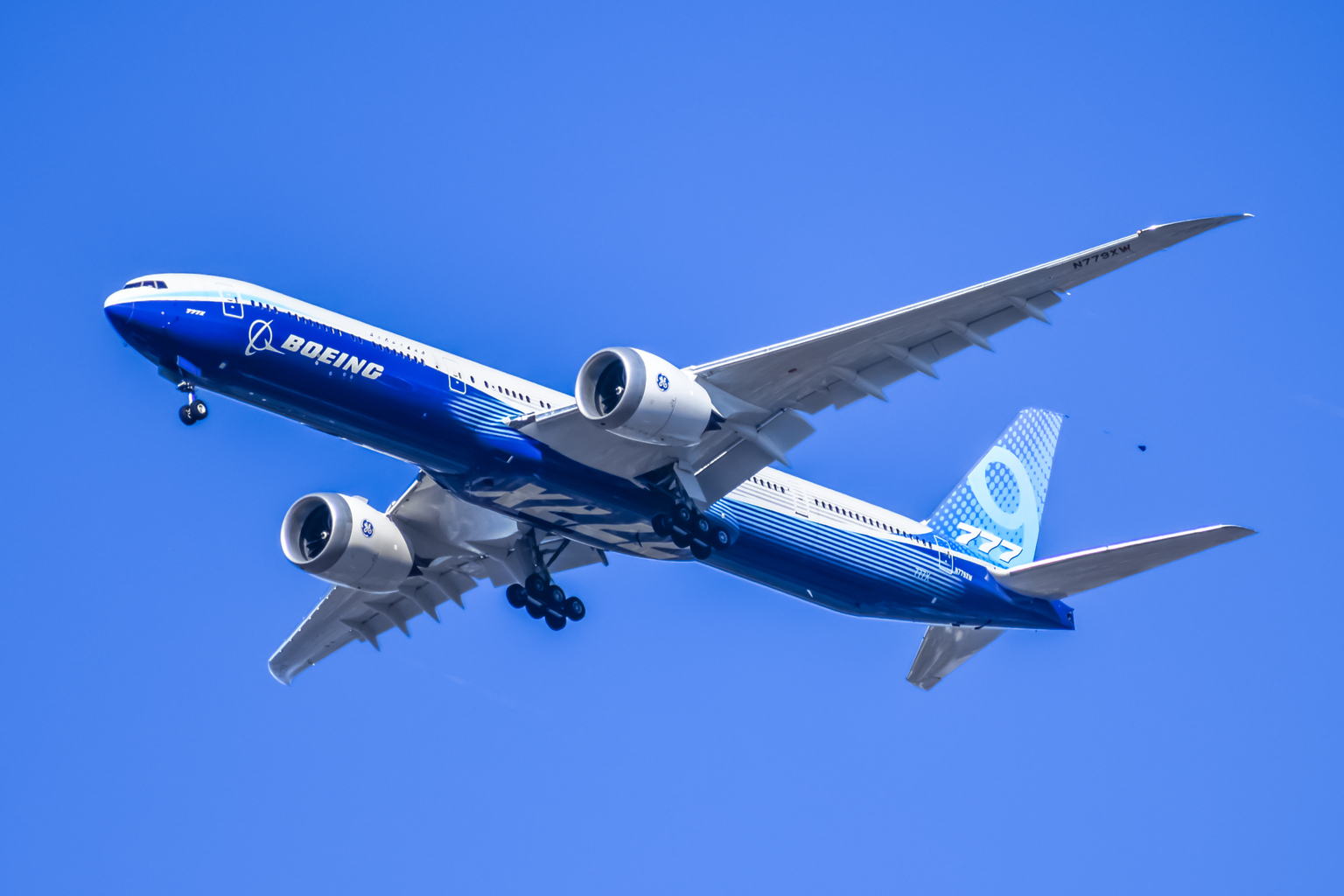
- Significant Order Value: Boeing has secured an order worth up to $489.3 million from the U.S. Navy for engineering work and test assets related to the Beowulf upgrade on the EA-18G Growler platform, indicating strong demand and market position in the defense sector.
- Comprehensive Equipment Configuration: The order includes four Beowulf A-kits, four Gunbay Pallet A-kits, 12 Beowulf B-kits, 15 sensor control unit B-kits, and nine power control unit B-kits, showcasing Boeing's technical capabilities and product diversity in complex military systems.
- R&D Funding Assurance: At the time of the award, approximately $33.99 million in FY26 R&D funds were allocated, ensuring financial support for the project and the continuity of technological development, thereby enhancing the company's future competitiveness.
- Project Completion Timeline: The contract is expected to be completed by February 2030, reflecting Boeing's commitment to meeting customer demands and delivery timelines, which helps to enhance its reputation and client relationships in the defense market.
See More
Boeing Monitors Middle East Conflict Impact on Production
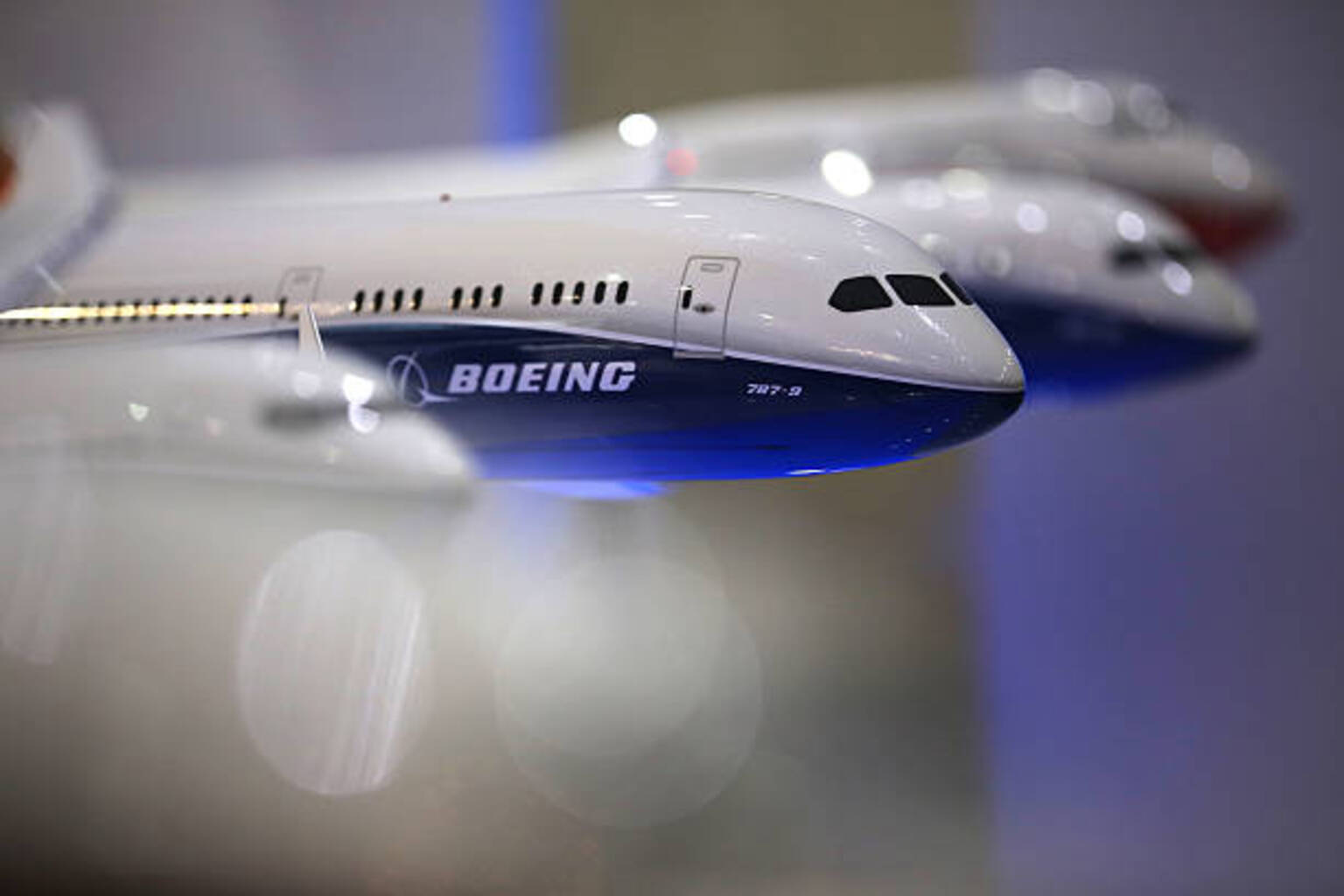
- Supply Chain Risk Assessment: Boeing (BA) is asking suppliers to evaluate the impact of the U.S.-Israeli conflict on aircraft production, reflecting concerns that a prolonged war could disrupt the global aerospace supply chain, with reports due by March 9 on any operations in the Middle East.
- Production Delays: While the Middle East is not a major production base for aircraft parts, transport delays in the region have already affected component deliveries to airlines, with oil prices nearing $100 per barrel, exacerbating uncertainty in the industry.
- Industry Monitoring Dynamics: Other aircraft manufacturers, including Airbus (EADSF) and Brazil's Embraer, are also assessing the conflict's impact on production and transportation costs, indicating a heightened awareness of potential supply chain disruptions across the sector.
- Long-term Demand Concerns: Analysts note that while the conflict has not yet significantly affected aerospace manufacturing, prolonged warfare could lead to higher fuel prices, pressuring airline profitability and curbing demand for new aircraft orders, particularly in the Middle East market.
See More

Salesforce Launches Largest Share Buyback Program in History


- Share Buyback Program: Salesforce announced an agreement with several large institutions to repurchase 103 million shares, representing about 80% of its $25 billion accelerated share repurchase program, reflecting the company's confidence in its current stock price.
- Financing Strategy: The company raised $25 billion in debt to finance this buyback, a move that has sparked some controversy but is also seen as an opportunistic strategy that could enhance shareholder value in the long run.
- Market Reaction: Amidst oil price fluctuations and a hypersensitive market, the S&P Oscillator suggests potential for a stock rebound, and Salesforce's buyback plan may further drive stock price increases and bolster market confidence.
- Future Outlook: With no major earnings or economic reports on the horizon, the market will focus on upcoming conferences, and Salesforce's aggressive buyback could inspire similar actions from other companies, potentially boosting overall market performance.
See More

Oil Price Drop Fuels Stock Market Rally

- Oil Price Impact: U.S. oil prices fell below $100 per barrel, leading the S&P 500 to rise over 1%, indicating a positive market reaction to the drop, which may encourage investors to start buying stocks.
- Nvidia Stock Surge: Ahead of CEO Jensen Huang's keynote at the GTC conference, Nvidia shares gained more than 2%, with expectations that a new inference chip will enhance competitiveness, potentially driving further stock price increases.
- Meta Layoff Plans: Meta Platforms' stock rose over 2% following reports of a potential 20% workforce reduction, which could save $5 billion to $6 billion, although this is a small fraction of its projected expenses of $162 billion to $169 billion.
- Investor Reactions: Jim Cramer believes investors have overreacted to Meta's AI spending plans, suggesting that expenditures over the coming years could ultimately yield greater cash flow and enhance the company's long-term value.
See More
Jim Cramer's Trust Increases Holdings in Boeing and Goldman Sachs
- Boeing Increase: Jim Cramer's Charitable Trust purchased 25 shares of Boeing at approximately $214.02, raising its total holdings to 560 shares and increasing portfolio weight to 3.10%, indicating confidence in the recovery of the aviation sector.
- Goldman Sachs Increase: The Trust also bought 10 shares of Goldman Sachs at about $797.42, bringing total holdings to 195 shares with a portfolio weight of around 4.05%, reflecting ongoing optimism in the financial services industry.
- Market Dynamics: As U.S. West Texas Intermediate crude fell below $100 a barrel, the market rebounded at the start of the week; despite the risk of oil prices reversing, Cramer opted to make small purchases in high-quality stocks given the oversold market conditions.
- Analyst Outlook: Boeing's CFO will speak at the Bank of America Global Industrials Conference, and if the company lowers its first-quarter free cash flow outlook while reiterating full-year guidance, it could create a 'tactical bottom' for the stock, attracting investor interest.
See More

JD.com Launches Joybuy to Compete with Amazon in the UK

- Market Expansion: JD.com has officially launched its Joybuy marketplace in the UK and Northern Europe, leveraging its $2.5 billion acquisition of Ceconomy to deploy 60 warehouses for same-day delivery to 15 million households, directly challenging Amazon's regional dominance and showcasing JD's ambitions in international markets.
- Price Competition: The introduction of the “JoyPlus” subscription service at just £3.99 per month significantly undercuts Amazon Prime, aiming to attract price-sensitive consumers, thereby increasing market share and enhancing customer loyalty.
- Logistics Advantage: By controlling its own last-mile delivery service and localized warehouses, JD is attempting to replicate its efficient fulfillment model from China to address domestic competitive pressures and improve overall operational efficiency.
- Electronics Market: The integration of Ceconomy provides Joybuy with an immediate foothold in the high-margin European electronics sector, expected to challenge Amazon's pricing strategies and further drive JD's growth potential in international markets.
See More
Boeing Secures $489.3M U.S. Navy Order for Beowulf Upgrade
- Significant Order Value: Boeing has secured an order worth up to $489.3 million from the U.S. Navy for engineering work and test assets related to the Beowulf upgrade on the EA-18G Growler platform, indicating strong demand and market position in the defense sector.
- Comprehensive Equipment Configuration: The order includes four Beowulf A-kits, four Gunbay Pallet A-kits, 12 Beowulf B-kits, 15 sensor control unit B-kits, and nine power control unit B-kits, showcasing Boeing's technical capabilities and product diversity in complex military systems.
- R&D Funding Assurance: At the time of the award, approximately $33.99 million in FY26 R&D funds were allocated, ensuring financial support for the project and the continuity of technological development, thereby enhancing the company's future competitiveness.
- Project Completion Timeline: The contract is expected to be completed by February 2030, reflecting Boeing's commitment to meeting customer demands and delivery timelines, which helps to enhance its reputation and client relationships in the defense market.
See More
Boeing Monitors Middle East Conflict Impact on Production
- Supply Chain Risk Assessment: Boeing (BA) is asking suppliers to evaluate the impact of the U.S.-Israeli conflict on aircraft production, reflecting concerns that a prolonged war could disrupt the global aerospace supply chain, with reports due by March 9 on any operations in the Middle East.
- Production Delays: While the Middle East is not a major production base for aircraft parts, transport delays in the region have already affected component deliveries to airlines, with oil prices nearing $100 per barrel, exacerbating uncertainty in the industry.
- Industry Monitoring Dynamics: Other aircraft manufacturers, including Airbus (EADSF) and Brazil's Embraer, are also assessing the conflict's impact on production and transportation costs, indicating a heightened awareness of potential supply chain disruptions across the sector.
- Long-term Demand Concerns: Analysts note that while the conflict has not yet significantly affected aerospace manufacturing, prolonged warfare could lead to higher fuel prices, pressuring airline profitability and curbing demand for new aircraft orders, particularly in the Middle East market.
See More
Salesforce Launches Largest Share Buyback Program in History
- Share Buyback Program: Salesforce announced an agreement with several large institutions to repurchase 103 million shares, representing about 80% of its $25 billion accelerated share repurchase program, reflecting the company's confidence in its current stock price.
- Financing Strategy: The company raised $25 billion in debt to finance this buyback, a move that has sparked some controversy but is also seen as an opportunistic strategy that could enhance shareholder value in the long run.
- Market Reaction: Amidst oil price fluctuations and a hypersensitive market, the S&P Oscillator suggests potential for a stock rebound, and Salesforce's buyback plan may further drive stock price increases and bolster market confidence.
- Future Outlook: With no major earnings or economic reports on the horizon, the market will focus on upcoming conferences, and Salesforce's aggressive buyback could inspire similar actions from other companies, potentially boosting overall market performance.
See More
Oil Price Drop Fuels Stock Market Rally
- Oil Price Impact: U.S. oil prices fell below $100 per barrel, leading the S&P 500 to rise over 1%, indicating a positive market reaction to the drop, which may encourage investors to start buying stocks.
- Nvidia Stock Surge: Ahead of CEO Jensen Huang's keynote at the GTC conference, Nvidia shares gained more than 2%, with expectations that a new inference chip will enhance competitiveness, potentially driving further stock price increases.
- Meta Layoff Plans: Meta Platforms' stock rose over 2% following reports of a potential 20% workforce reduction, which could save $5 billion to $6 billion, although this is a small fraction of its projected expenses of $162 billion to $169 billion.
- Investor Reactions: Jim Cramer believes investors have overreacted to Meta's AI spending plans, suggesting that expenditures over the coming years could ultimately yield greater cash flow and enhance the company's long-term value.
See More
Jim Cramer's Trust Increases Holdings in Boeing and Goldman Sachs
- Boeing Increase: Jim Cramer's Charitable Trust purchased 25 shares of Boeing at approximately $214.02, raising its total holdings to 560 shares and increasing portfolio weight to 3.10%, indicating confidence in the recovery of the aviation sector.
- Goldman Sachs Increase: The Trust also bought 10 shares of Goldman Sachs at about $797.42, bringing total holdings to 195 shares with a portfolio weight of around 4.05%, reflecting ongoing optimism in the financial services industry.
- Market Dynamics: As U.S. West Texas Intermediate crude fell below $100 a barrel, the market rebounded at the start of the week; despite the risk of oil prices reversing, Cramer opted to make small purchases in high-quality stocks given the oversold market conditions.
- Analyst Outlook: Boeing's CFO will speak at the Bank of America Global Industrials Conference, and if the company lowers its first-quarter free cash flow outlook while reiterating full-year guidance, it could create a 'tactical bottom' for the stock, attracting investor interest.
See More
JD.com Launches Joybuy to Compete with Amazon in the UK
- Market Expansion: JD.com has officially launched its Joybuy marketplace in the UK and Northern Europe, leveraging its $2.5 billion acquisition of Ceconomy to deploy 60 warehouses for same-day delivery to 15 million households, directly challenging Amazon's regional dominance and showcasing JD's ambitions in international markets.
- Price Competition: The introduction of the “JoyPlus” subscription service at just £3.99 per month significantly undercuts Amazon Prime, aiming to attract price-sensitive consumers, thereby increasing market share and enhancing customer loyalty.
- Logistics Advantage: By controlling its own last-mile delivery service and localized warehouses, JD is attempting to replicate its efficient fulfillment model from China to address domestic competitive pressures and improve overall operational efficiency.
- Electronics Market: The integration of Ceconomy provides Joybuy with an immediate foothold in the high-margin European electronics sector, expected to challenge Amazon's pricing strategies and further drive JD's growth potential in international markets.
See More