Impact of U.S. Consumer Spending on Financial Stocks
Written by Emily J. Thompson, Senior Investment Analyst
Updated: 8 hours ago
0mins

Source: Fool
- Consumer Spending Share: Consumer spending accounts for 70% of U.S. GDP, prompting investors to focus on companies like American Express and Visa that benefit from this metric, both of which have outperformed the S&P 500 over the past decade, indicating strong market performance.
- Business Model Differences: American Express operates a closed-loop payment system limited to its cards, capturing fees from merchants and cardholders while earning interest, whereas Visa functions as an open-loop system, acting as a toll booth that collects transaction fees, showcasing distinct profit models and risk management strategies.
- Financial Performance Comparison: Visa's quarterly operating margin averaged 67.3% over the past five years, significantly higher than American Express's 20.6%, enabling Visa to return $1.3 billion in dividends and repurchase $7.9 billion in stock in Q2 2023, demonstrating its robust capital return capability.
- Growth Trend Analysis: Over the past five years, American Express's diluted EPS grew at a compound annual rate of 9.3%, while Visa's soared at 17.9%, indicating Visa's stronger advantage in profit growth and market valuation, attracting more investor interest.
Trade with 70% Backtested Accuracy
Stop guessing "Should I Buy AXP?" and start using high-conviction signals backed by rigorous historical data.
Sign up today to access powerful investing tools and make smarter, data-driven decisions.
Analyst Views on AXP
Wall Street analysts forecast AXP stock price to rise
21 Analyst Rating
8 Buy
12 Hold
1 Sell
Moderate Buy
Current: 315.120

Low
280.00
Averages
379.06
High
425.00
Current: 315.120
Low
280.00
Averages
379.06
High
425.00
About AXP
American Express Company is a global payments and premium lifestyle brand powered by technology. Its card-issuing, merchant-acquiring and card network businesses offer products and services to a broad range of customers, including consumers, small businesses, mid-sized companies and large corporations around the world. Its range of products and services includes credit and charge cards and complementary products and services, including travel, dining, lifestyle and expense management products and services; banking and other payment and financing products and services, including deposits and non-card lending; merchant acquisition and processing, servicing and settlement, fraud prevention, and point-of-sale marketing and information products and services, and network services. These products and services are offered through various channels, including mobile and online applications, affiliate marketing, customer referral programs, third-party service providers, and business partners.
About the author

Emily J. Thompson
Emily J. Thompson, a Chartered Financial Analyst (CFA) with 12 years in investment research, graduated with honors from the Wharton School. Specializing in industrial and technology stocks, she provides in-depth analysis for Intellectia’s earnings and market brief reports.

Reasons Behind Buffett's Hold on American Express


- Portfolio Concentration: Under CEO Greg Abel's leadership, Berkshire Hathaway has streamlined its $330 billion equity portfolio from 42 to 29 high-conviction stocks, demonstrating a strong commitment to quality assets that is expected to enhance investment returns.
- Divestiture of Smaller Holdings: Abel sold off several smaller positions, including Visa and Mastercard, with Visa accounting for 1% of the total portfolio, indicating decisive action in optimizing the investment strategy, which may strengthen overall financial health.
- American Express Competitive Edge: American Express has successfully withstood economic pressures with its unique membership model and affluent customer focus, achieving an 18% year-over-year increase in fee revenue, which accounted for 14% of total revenue, showcasing the resilience and appeal of its business model.
- Outperformance Against Peers: Over the past five years of macroeconomic volatility, American Express has outperformed both Visa and Mastercard by more than double, reflecting its durable competitive advantage and solidifying its value as a reliable investment.
See More

Analysis of American Express's Competitive Advantage
- Significant Competitive Edge: American Express's unique business model has allowed its stock to outperform Visa, Mastercard, and the S&P 500 over the past five years, demonstrating its durable competitive advantage in the credit card industry.
- Executive Strategic Shift: Under the leadership of new CEO Greg Abel, Berkshire Hathaway has concentrated its $330 billion equity portfolio from 42 to 29 high-conviction stocks, selling off shares in Visa and Mastercard while retaining American Express, indicating a strategic focus on more compelling investments.
- Membership Revenue Growth: In Q1 2026, 70% of new products from American Express were fee-based, with annual fee revenue increasing by 18% year-over-year, accounting for 14% of total revenue, highlighting the effectiveness of its membership model in enhancing customer loyalty and revenue stability.
- Economic Resilience: By targeting affluent customers, American Express has shown resilience even under economic pressure, and its proprietary banking model allows for better control over operations and revenue streams, particularly advantageous in a high-interest-rate environment.
See More

Analysis of American Express and Visa Business Models

- Business Model Differences: American Express operates a closed-loop payment system that captures all transaction economics and primarily targets affluent clients, while Visa functions as an open-loop system, acting as a toll booth that collects small fees from users across various income levels.
- Profitability Comparison: Over the past five years, Visa's average quarterly operating margin reached an impressive 67.3%, compared to American Express's 20.6%, enabling Visa to pay $1.3 billion in dividends and repurchase $7.9 billion in stock in Q2 2023.
- Growth Trend Analysis: American Express's diluted earnings per share (EPS) grew at a compound annual rate of 9.3% over the past five years, while Visa's EPS increased at a remarkable 17.9%, indicating Visa's superior growth potential and valuation multiple.
- Investor Considerations: While Visa's price-to-earnings (P/E) ratio stands at 28.8, significantly higher than American Express's 19.9, its stable profitability and lower credit risk make it a more attractive investment choice, especially during economic cycles of volatility.
See More

Buffett's Transition Leaves Berkshire Hathaway's Future Bright


- Buffett's Transformational Success: Under Buffett's leadership, Berkshire Hathaway evolved from a struggling textile manufacturer in 1965 to a $1 trillion conglomerate, showcasing exceptional investment acumen and management prowess that will continue to influence global markets.
- Successor's Strategic Continuity: New CEO Greg Abel, who worked alongside Buffett for over 20 years, is expected to maintain the investment strategy focused on stable growth and shareholder-friendly companies, ensuring Berkshire's long-term success.
- Apple Investment Returns: Berkshire's investment in Apple reached $38 billion from 2016 to 2023, with a valuation exceeding $170 billion by early 2024; despite selling 75% of its stake, it still represents 21.5% of its portfolio, with projected dividends of $243.9 million in 2026.
- Dividend Contributions from Coca-Cola and American Express: Coca-Cola and American Express are set to contribute $848 million and $556.4 million in dividends to Berkshire, respectively, highlighting the company's strong cash flow and long-term investment returns, further solidifying its financial foundation.
See More
Buffett's Dividend Investment Strategy
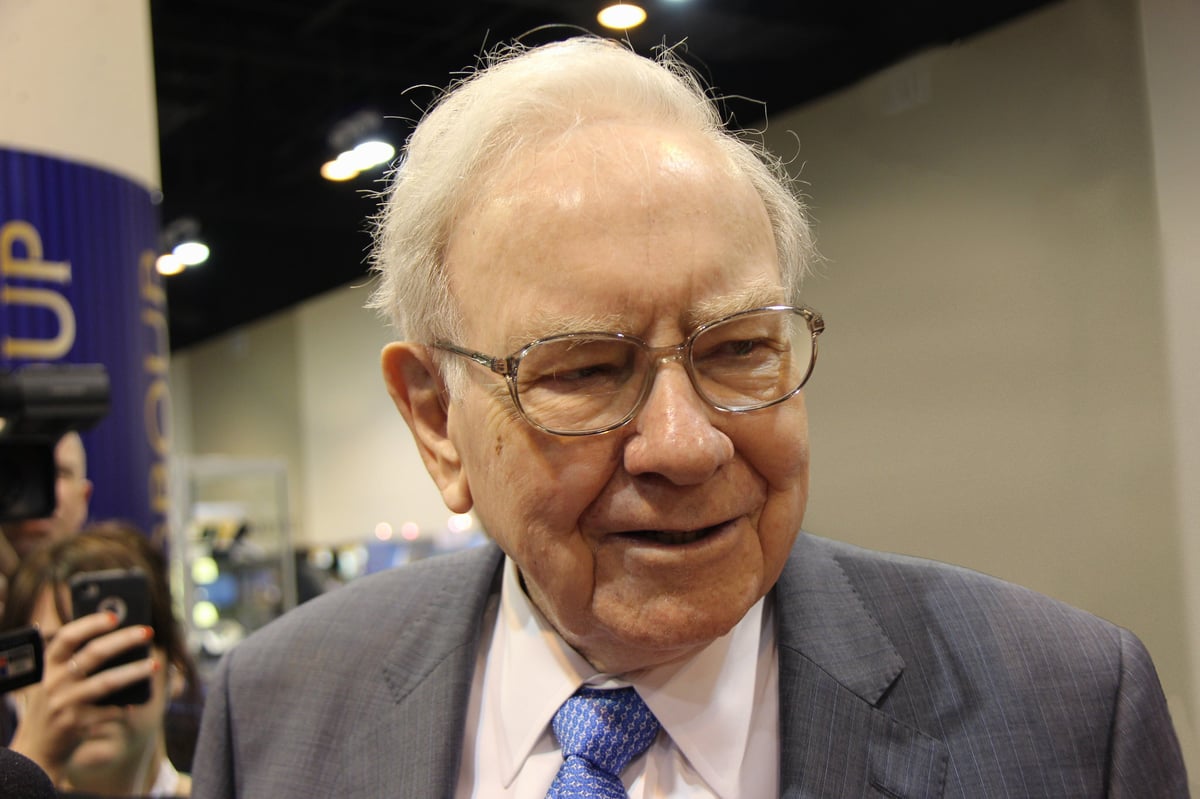
- Dividend Potential: Berkshire Hathaway is projected to earn $243.9 million in dividends from Apple in 2026, reflecting its holding of 227.9 million shares, which underscores the company's strong capability in generating stable income and solidifies its investment position in the tech sector.
- American Express Returns: American Express is expected to contribute $556.4 million in dividends to Berkshire in 2026, based on its holding of 151.6 million shares, demonstrating the company's robust performance in the financial services sector and reflecting Buffett's confidence in long-term investments.
- Coca-Cola's Consistent Returns: Coca-Cola is projected to deliver $848 million in dividends to Berkshire in 2026, based on its 400 million shares, indicating the company's strong cash flow and shareholder return strategy in the consumer goods sector, which further enhances Berkshire's portfolio diversity.
- Investment Strategy Continuity: New CEO Greg Abel is likely to continue Buffett's investment strategy, focusing on companies with steady growth and shareholder-friendly initiatives, which will help Berkshire achieve sustainable capital appreciation and dividend income in the future.
See More

Impact of U.S. Consumer Spending on Financial Stocks
- Consumer Spending Share: Consumer spending accounts for 70% of U.S. GDP, prompting investors to focus on companies like American Express and Visa that benefit from this metric, both of which have outperformed the S&P 500 over the past decade, indicating strong market performance.
- Business Model Differences: American Express operates a closed-loop payment system limited to its cards, capturing fees from merchants and cardholders while earning interest, whereas Visa functions as an open-loop system, acting as a toll booth that collects transaction fees, showcasing distinct profit models and risk management strategies.
- Financial Performance Comparison: Visa's quarterly operating margin averaged 67.3% over the past five years, significantly higher than American Express's 20.6%, enabling Visa to return $1.3 billion in dividends and repurchase $7.9 billion in stock in Q2 2023, demonstrating its robust capital return capability.
- Growth Trend Analysis: Over the past five years, American Express's diluted EPS grew at a compound annual rate of 9.3%, while Visa's soared at 17.9%, indicating Visa's stronger advantage in profit growth and market valuation, attracting more investor interest.
See More
Reasons Behind Buffett's Hold on American Express
- Portfolio Concentration: Under CEO Greg Abel's leadership, Berkshire Hathaway has streamlined its $330 billion equity portfolio from 42 to 29 high-conviction stocks, demonstrating a strong commitment to quality assets that is expected to enhance investment returns.
- Divestiture of Smaller Holdings: Abel sold off several smaller positions, including Visa and Mastercard, with Visa accounting for 1% of the total portfolio, indicating decisive action in optimizing the investment strategy, which may strengthen overall financial health.
- American Express Competitive Edge: American Express has successfully withstood economic pressures with its unique membership model and affluent customer focus, achieving an 18% year-over-year increase in fee revenue, which accounted for 14% of total revenue, showcasing the resilience and appeal of its business model.
- Outperformance Against Peers: Over the past five years of macroeconomic volatility, American Express has outperformed both Visa and Mastercard by more than double, reflecting its durable competitive advantage and solidifying its value as a reliable investment.
See More
Analysis of American Express's Competitive Advantage
- Significant Competitive Edge: American Express's unique business model has allowed its stock to outperform Visa, Mastercard, and the S&P 500 over the past five years, demonstrating its durable competitive advantage in the credit card industry.
- Executive Strategic Shift: Under the leadership of new CEO Greg Abel, Berkshire Hathaway has concentrated its $330 billion equity portfolio from 42 to 29 high-conviction stocks, selling off shares in Visa and Mastercard while retaining American Express, indicating a strategic focus on more compelling investments.
- Membership Revenue Growth: In Q1 2026, 70% of new products from American Express were fee-based, with annual fee revenue increasing by 18% year-over-year, accounting for 14% of total revenue, highlighting the effectiveness of its membership model in enhancing customer loyalty and revenue stability.
- Economic Resilience: By targeting affluent customers, American Express has shown resilience even under economic pressure, and its proprietary banking model allows for better control over operations and revenue streams, particularly advantageous in a high-interest-rate environment.
See More
Analysis of American Express and Visa Business Models
- Business Model Differences: American Express operates a closed-loop payment system that captures all transaction economics and primarily targets affluent clients, while Visa functions as an open-loop system, acting as a toll booth that collects small fees from users across various income levels.
- Profitability Comparison: Over the past five years, Visa's average quarterly operating margin reached an impressive 67.3%, compared to American Express's 20.6%, enabling Visa to pay $1.3 billion in dividends and repurchase $7.9 billion in stock in Q2 2023.
- Growth Trend Analysis: American Express's diluted earnings per share (EPS) grew at a compound annual rate of 9.3% over the past five years, while Visa's EPS increased at a remarkable 17.9%, indicating Visa's superior growth potential and valuation multiple.
- Investor Considerations: While Visa's price-to-earnings (P/E) ratio stands at 28.8, significantly higher than American Express's 19.9, its stable profitability and lower credit risk make it a more attractive investment choice, especially during economic cycles of volatility.
See More
Buffett's Transition Leaves Berkshire Hathaway's Future Bright
- Buffett's Transformational Success: Under Buffett's leadership, Berkshire Hathaway evolved from a struggling textile manufacturer in 1965 to a $1 trillion conglomerate, showcasing exceptional investment acumen and management prowess that will continue to influence global markets.
- Successor's Strategic Continuity: New CEO Greg Abel, who worked alongside Buffett for over 20 years, is expected to maintain the investment strategy focused on stable growth and shareholder-friendly companies, ensuring Berkshire's long-term success.
- Apple Investment Returns: Berkshire's investment in Apple reached $38 billion from 2016 to 2023, with a valuation exceeding $170 billion by early 2024; despite selling 75% of its stake, it still represents 21.5% of its portfolio, with projected dividends of $243.9 million in 2026.
- Dividend Contributions from Coca-Cola and American Express: Coca-Cola and American Express are set to contribute $848 million and $556.4 million in dividends to Berkshire, respectively, highlighting the company's strong cash flow and long-term investment returns, further solidifying its financial foundation.
See More
Buffett's Dividend Investment Strategy
- Dividend Potential: Berkshire Hathaway is projected to earn $243.9 million in dividends from Apple in 2026, reflecting its holding of 227.9 million shares, which underscores the company's strong capability in generating stable income and solidifies its investment position in the tech sector.
- American Express Returns: American Express is expected to contribute $556.4 million in dividends to Berkshire in 2026, based on its holding of 151.6 million shares, demonstrating the company's robust performance in the financial services sector and reflecting Buffett's confidence in long-term investments.
- Coca-Cola's Consistent Returns: Coca-Cola is projected to deliver $848 million in dividends to Berkshire in 2026, based on its 400 million shares, indicating the company's strong cash flow and shareholder return strategy in the consumer goods sector, which further enhances Berkshire's portfolio diversity.
- Investment Strategy Continuity: New CEO Greg Abel is likely to continue Buffett's investment strategy, focusing on companies with steady growth and shareholder-friendly initiatives, which will help Berkshire achieve sustainable capital appreciation and dividend income in the future.
See More
Impact of U.S. Consumer Spending on Financial Stocks
- Consumer Spending Share: Consumer spending accounts for 70% of U.S. GDP, prompting investors to focus on companies like American Express and Visa that benefit from this metric, both of which have outperformed the S&P 500 over the past decade, indicating strong market performance.
- Business Model Differences: American Express operates a closed-loop payment system limited to its cards, capturing fees from merchants and cardholders while earning interest, whereas Visa functions as an open-loop system, acting as a toll booth that collects transaction fees, showcasing distinct profit models and risk management strategies.
- Financial Performance Comparison: Visa's quarterly operating margin averaged 67.3% over the past five years, significantly higher than American Express's 20.6%, enabling Visa to return $1.3 billion in dividends and repurchase $7.9 billion in stock in Q2 2023, demonstrating its robust capital return capability.
- Growth Trend Analysis: Over the past five years, American Express's diluted EPS grew at a compound annual rate of 9.3%, while Visa's soared at 17.9%, indicating Visa's stronger advantage in profit growth and market valuation, attracting more investor interest.
See More