Impact of Iran War on Global Supply Chain
Written by Emily J. Thompson, Senior Investment Analyst
Updated: 8 hours ago
0mins

Source: CNBC
- Surge in Oil Prices: The U.S. and Israel's attack on Iran caused the largest oil supply disruption in history, leading to a more than 35% increase in U.S. crude prices, which hit $119.50 on Monday, significantly straining household budgets.
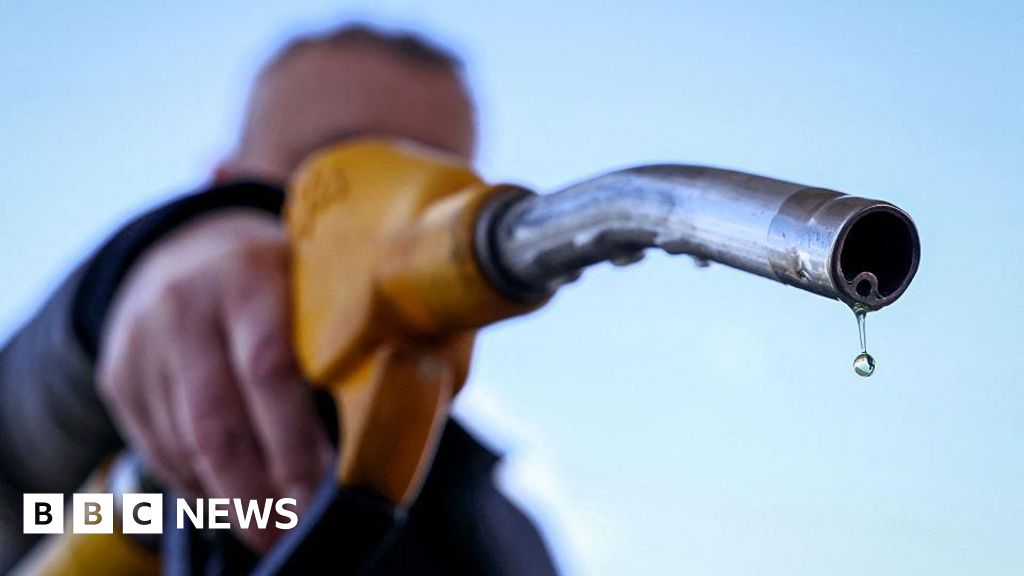
- Inflation Concerns Intensify: Economist Mark Zandi warns that if oil prices remain around $100 per barrel, gasoline could approach $4 per gallon by next week, exacerbating the decline in consumer purchasing power and negatively impacting consumer spending and GDP.
- Rising Unemployment Rate: The U.S. economy lost jobs in February, with the unemployment rate rising to 4.4%, indicating a softening labor market that intensifies the affordability crisis and places greater economic pressure on consumers.
- Interest Rates Climb: Due to rising oil prices and inflationary pressures, the yield on the benchmark 10-year Treasury rose over 4 basis points, with mortgage rates increasing to 6.14%, further burdening households and impacting consumer confidence.
Trade with 70% Backtested Accuracy
Stop guessing "Should I Buy MCO?" and start using high-conviction signals backed by rigorous historical data.
Sign up today to access powerful investing tools and make smarter, data-driven decisions.
Analyst Views on MCO
Wall Street analysts forecast MCO stock price to rise
10 Analyst Rating
8 Buy
2 Hold
0 Sell
Strong Buy
Current: 462.690

Low
526.00
Averages
586.50
High
660.00
Current: 462.690
Low
526.00
Averages
586.50
High
660.00
About MCO
Moody's Corporation is a global integrated risk assessment company. It is a global provider of research and insights; data and information, and decision solutions, which help companies make decisions. Its MA segment provides data, intelligence and analytical tools to help business and financial leaders make decisions. MA consists of a premier fixed income and economic research business (Research & Insights); a data business powered by databases on companies and credit (Data & Information), and three cloud-based subscription businesses serving banking, insurance and KYC workflows (Decision Solutions). Its MIS segment is a global provider of credit ratings, research, and risk analysis. It publishes credit ratings and provides assessment services on a wide range of debt obligations, programs and facilities, and the entities that issue such obligations in markets worldwide, including various corporate, financial institution and governmental obligations, and structured finance securities.
About the author

Emily J. Thompson
Emily J. Thompson, a Chartered Financial Analyst (CFA) with 12 years in investment research, graduated with honors from the Wharton School. Specializing in industrial and technology stocks, she provides in-depth analysis for Intellectia’s earnings and market brief reports.
Impact of Iran War on Global Supply Chain


- Surge in Oil Prices: The U.S. and Israel's attack on Iran caused the largest oil supply disruption in history, leading to a more than 35% increase in U.S. crude prices, which hit $119.50 on Monday, significantly straining household budgets.
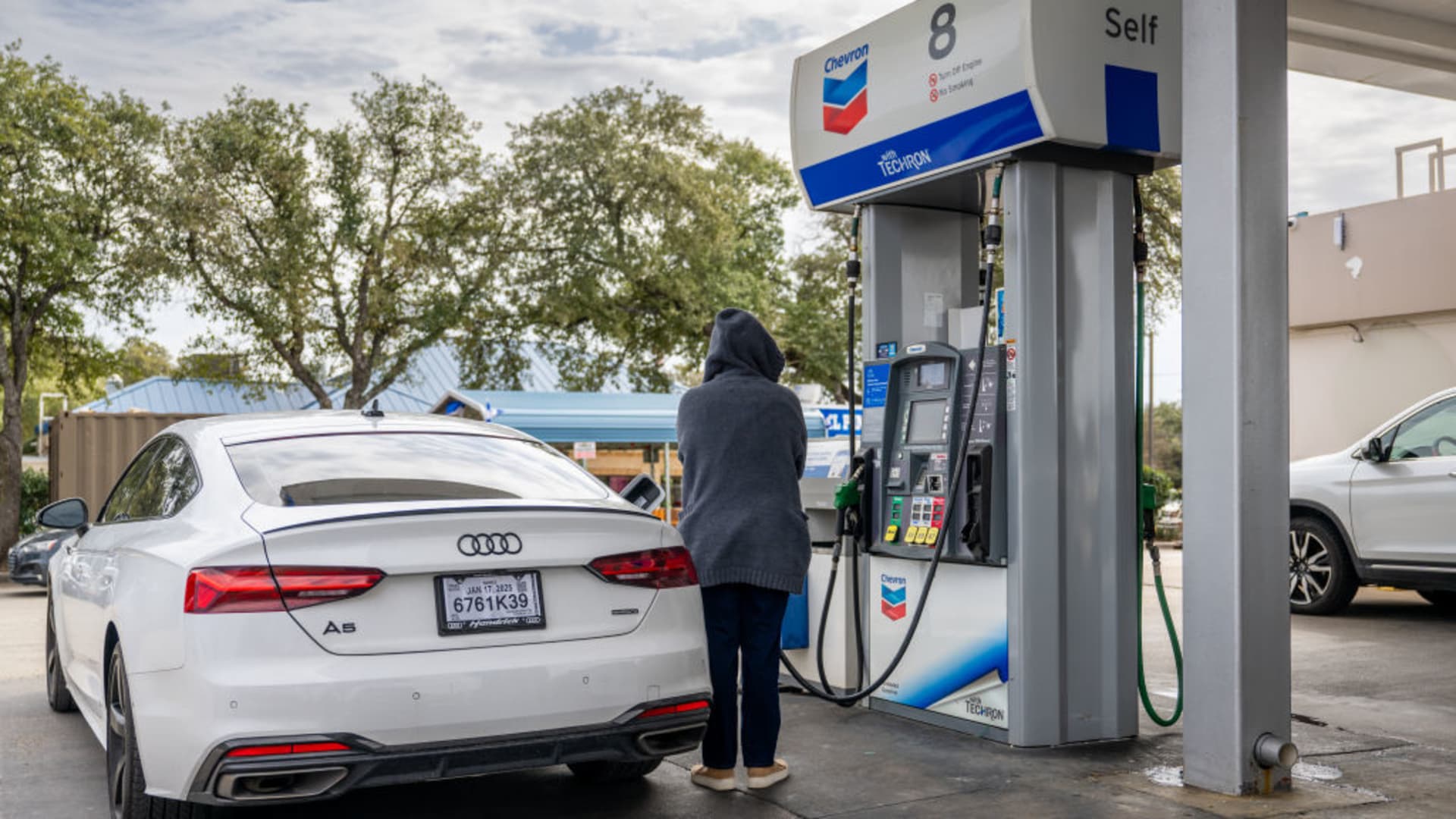
- Inflation Concerns Intensify: Economist Mark Zandi warns that if oil prices remain around $100 per barrel, gasoline could approach $4 per gallon by next week, exacerbating the decline in consumer purchasing power and negatively impacting consumer spending and GDP.
- Rising Unemployment Rate: The U.S. economy lost jobs in February, with the unemployment rate rising to 4.4%, indicating a softening labor market that intensifies the affordability crisis and places greater economic pressure on consumers.
- Interest Rates Climb: Due to rising oil prices and inflationary pressures, the yield on the benchmark 10-year Treasury rose over 4 basis points, with mortgage rates increasing to 6.14%, further burdening households and impacting consumer confidence.
See More

Berkshire Hathaway's Cash Reserves Analysis


- Cash Reserve Status: Berkshire Hathaway ended 2025 with a cash reserve of $373.3 billion, down from $381.6 billion in Q3, yet still demonstrating strong financial strength, indicating the company's resilience amid market fluctuations.
- Stock Trading Dynamics: The company has been a net seller for the 13th consecutive quarter, primarily raising funds through sales of Apple and Bank of America stocks, reflecting its ongoing focus on these core holdings and risk management strategies.
- Buyback Strategy Adjustment: Although the company has not repurchased shares for six straight quarters, it began buying back stock earlier this month, indicating a reassessment of current stock prices, particularly as the price-to-book ratio has decreased from 1.8 to 1.4.
- CEO Strategic Outlook: New CEO Abel emphasized patience in managing the cash reserves in his annual letter, stating the need for disciplined investment timing while also highlighting the importance of risk management beyond its large insurance operations.
See More

Berkshire Ends 2025 with Record Cash Reserves
- Cash Reserve Status: Berkshire ended 2025 with a cash reserve of $373.3 billion, down from $381.6 billion in Q3, yet still demonstrating strong financial strength that allows for flexibility in future investment opportunities.
- Stock Trading Strategy: The company has been a net seller for the 13th consecutive quarter, primarily raising funds through sales of Apple and Bank of America stocks, indicating a cautious approach to these holdings, while Apple remains its largest investment, reflecting stability in its long-term investment strategy.
- Stock Buyback Decision: Berkshire has not repurchased any shares for six consecutive quarters, although it has recently begun to reconsider its buyback strategy, indicating a more cautious approach to assessing the intrinsic value of its stock, especially with the current P/B ratio at 1.4.
- Impact of Management Changes: New CEO Abel emphasizes the importance of patience and risk management, and while investors express frustration over the company's inaction, he believes that maintaining discipline and a prudent investment strategy is wise in a rapidly evolving technological landscape.
See More
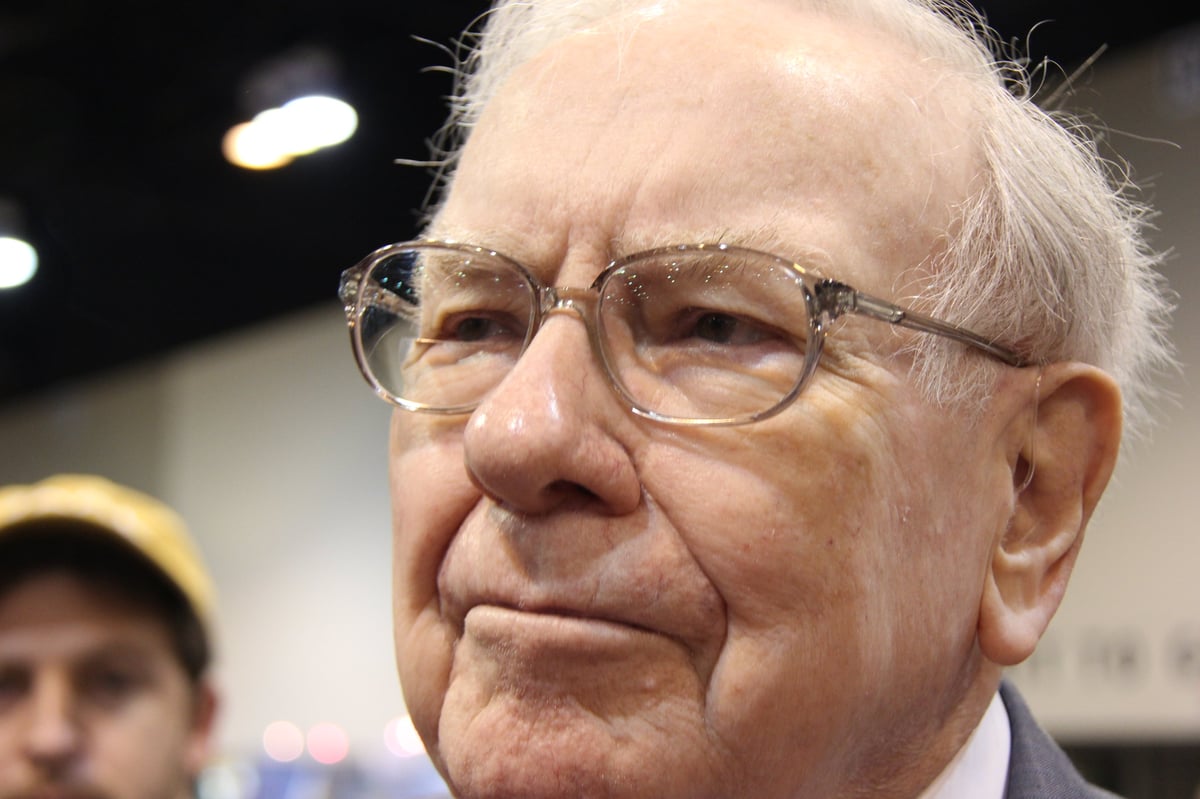
Buffett's Retirement Marks Shift in Berkshire's Investment Strategy
- Buffett's Retirement: Warren Buffett officially retired on December 31, 2025, concluding his six-decade tenure as CEO of Berkshire Hathaway, although he remains chairman, which may impact the company's investment decisions and market confidence.
- Net Stock Selling: During Buffett's last three years, he was a net seller of stocks for 13 consecutive quarters, totaling nearly $187 billion, reflecting his cautious stance on current market valuations, which could lower investor expectations for future earnings.
- No Stock Buybacks: Over the past 19 months, Buffett did not repurchase any of Berkshire's stock despite having $373.3 billion in cash and equivalents, indicating his conservative view on the company's stock valuation, which may affect shareholder returns.
- Successor's Strategy: New CEO Greg Abel commits to continuing Buffett's value investment philosophy, emphasizing share buybacks when stocks trade below intrinsic value, which could create long-term value for shareholders, but short-term market volatility remains a concern.
See More

Buffett's 13 Quarters of Net Stock Selling Before Retirement
- Buffett's Selling Strategy: Leading up to his retirement, Buffett was a net seller of stocks for 13 consecutive quarters, offloading nearly $187 billion, which reflects his cautious stance on market valuations despite overseeing a massive $318 billion investment portfolio.
- Share Buyback Policy Change: In July 2018, Berkshire's board amended share repurchase terms, allowing Buffett to buy back shares when trading below 120% of book value; however, he refrained from any buybacks in the 19 months before his retirement, indicating high market valuations.
- Successor's Investment Philosophy: New CEO Greg Abel adopts Buffett's investment philosophy, emphasizing patience and value investing, and is expected to continue repurchasing shares at appropriate price levels to enhance shareholder value.
- Market Reaction and Future Outlook: Although Buffett did not purchase his favorite stock before retirement, confidence in his successor remains strong, as Abel announced a resumption of share buybacks on March 5, demonstrating the company's flexibility under current market conditions.
See More

Greg Abel Launches Tenure with Shareholder Letter at Berkshire Hathaway
- Corporate Structure Outlook: Abel emphasized in his letter that Berkshire will maintain a decentralized management model, granting greater autonomy and accountability to its business units, which is viewed as a competitive advantage expected to drive independent growth across various sectors.
- Investment Portfolio Strategy: Abel noted that four stocks in Berkshire's portfolio—Apple, American Express, Coca-Cola, and Moody's—will see 'limited activity,' indicating a more conservative investment strategy moving forward, which may alter market expectations regarding Berkshire's active investment approach.
- Dividend Policy Continuation: Abel reiterated that Berkshire will not pay dividends unless it believes it cannot create more value through reinvestment, although he did not completely rule out the possibility of future dividends, reflecting the company's cautious stance on capital distribution.
- Share Repurchase Strategy Adjustment: Abel mentioned that Berkshire will continue to repurchase shares when they trade below intrinsic value and will consider purchasing large blocks from major investors, a strategy aimed at enhancing shareholder value and boosting market confidence.
See More
Impact of Iran War on Global Supply Chain
- Surge in Oil Prices: The U.S. and Israel's attack on Iran caused the largest oil supply disruption in history, leading to a more than 35% increase in U.S. crude prices, which hit $119.50 on Monday, significantly straining household budgets.
- Inflation Concerns Intensify: Economist Mark Zandi warns that if oil prices remain around $100 per barrel, gasoline could approach $4 per gallon by next week, exacerbating the decline in consumer purchasing power and negatively impacting consumer spending and GDP.
- Rising Unemployment Rate: The U.S. economy lost jobs in February, with the unemployment rate rising to 4.4%, indicating a softening labor market that intensifies the affordability crisis and places greater economic pressure on consumers.
- Interest Rates Climb: Due to rising oil prices and inflationary pressures, the yield on the benchmark 10-year Treasury rose over 4 basis points, with mortgage rates increasing to 6.14%, further burdening households and impacting consumer confidence.
See More
Berkshire Hathaway's Cash Reserves Analysis
- Cash Reserve Status: Berkshire Hathaway ended 2025 with a cash reserve of $373.3 billion, down from $381.6 billion in Q3, yet still demonstrating strong financial strength, indicating the company's resilience amid market fluctuations.
- Stock Trading Dynamics: The company has been a net seller for the 13th consecutive quarter, primarily raising funds through sales of Apple and Bank of America stocks, reflecting its ongoing focus on these core holdings and risk management strategies.
- Buyback Strategy Adjustment: Although the company has not repurchased shares for six straight quarters, it began buying back stock earlier this month, indicating a reassessment of current stock prices, particularly as the price-to-book ratio has decreased from 1.8 to 1.4.
- CEO Strategic Outlook: New CEO Abel emphasized patience in managing the cash reserves in his annual letter, stating the need for disciplined investment timing while also highlighting the importance of risk management beyond its large insurance operations.
See More
Berkshire Ends 2025 with Record Cash Reserves
- Cash Reserve Status: Berkshire ended 2025 with a cash reserve of $373.3 billion, down from $381.6 billion in Q3, yet still demonstrating strong financial strength that allows for flexibility in future investment opportunities.
- Stock Trading Strategy: The company has been a net seller for the 13th consecutive quarter, primarily raising funds through sales of Apple and Bank of America stocks, indicating a cautious approach to these holdings, while Apple remains its largest investment, reflecting stability in its long-term investment strategy.
- Stock Buyback Decision: Berkshire has not repurchased any shares for six consecutive quarters, although it has recently begun to reconsider its buyback strategy, indicating a more cautious approach to assessing the intrinsic value of its stock, especially with the current P/B ratio at 1.4.
- Impact of Management Changes: New CEO Abel emphasizes the importance of patience and risk management, and while investors express frustration over the company's inaction, he believes that maintaining discipline and a prudent investment strategy is wise in a rapidly evolving technological landscape.
See More
Buffett's Retirement Marks Shift in Berkshire's Investment Strategy
- Buffett's Retirement: Warren Buffett officially retired on December 31, 2025, concluding his six-decade tenure as CEO of Berkshire Hathaway, although he remains chairman, which may impact the company's investment decisions and market confidence.
- Net Stock Selling: During Buffett's last three years, he was a net seller of stocks for 13 consecutive quarters, totaling nearly $187 billion, reflecting his cautious stance on current market valuations, which could lower investor expectations for future earnings.
- No Stock Buybacks: Over the past 19 months, Buffett did not repurchase any of Berkshire's stock despite having $373.3 billion in cash and equivalents, indicating his conservative view on the company's stock valuation, which may affect shareholder returns.
- Successor's Strategy: New CEO Greg Abel commits to continuing Buffett's value investment philosophy, emphasizing share buybacks when stocks trade below intrinsic value, which could create long-term value for shareholders, but short-term market volatility remains a concern.
See More
Buffett's 13 Quarters of Net Stock Selling Before Retirement
- Buffett's Selling Strategy: Leading up to his retirement, Buffett was a net seller of stocks for 13 consecutive quarters, offloading nearly $187 billion, which reflects his cautious stance on market valuations despite overseeing a massive $318 billion investment portfolio.
- Share Buyback Policy Change: In July 2018, Berkshire's board amended share repurchase terms, allowing Buffett to buy back shares when trading below 120% of book value; however, he refrained from any buybacks in the 19 months before his retirement, indicating high market valuations.
- Successor's Investment Philosophy: New CEO Greg Abel adopts Buffett's investment philosophy, emphasizing patience and value investing, and is expected to continue repurchasing shares at appropriate price levels to enhance shareholder value.
- Market Reaction and Future Outlook: Although Buffett did not purchase his favorite stock before retirement, confidence in his successor remains strong, as Abel announced a resumption of share buybacks on March 5, demonstrating the company's flexibility under current market conditions.
See More
Greg Abel Launches Tenure with Shareholder Letter at Berkshire Hathaway
- Corporate Structure Outlook: Abel emphasized in his letter that Berkshire will maintain a decentralized management model, granting greater autonomy and accountability to its business units, which is viewed as a competitive advantage expected to drive independent growth across various sectors.
- Investment Portfolio Strategy: Abel noted that four stocks in Berkshire's portfolio—Apple, American Express, Coca-Cola, and Moody's—will see 'limited activity,' indicating a more conservative investment strategy moving forward, which may alter market expectations regarding Berkshire's active investment approach.
- Dividend Policy Continuation: Abel reiterated that Berkshire will not pay dividends unless it believes it cannot create more value through reinvestment, although he did not completely rule out the possibility of future dividends, reflecting the company's cautious stance on capital distribution.
- Share Repurchase Strategy Adjustment: Abel mentioned that Berkshire will continue to repurchase shares when they trade below intrinsic value and will consider purchasing large blocks from major investors, a strategy aimed at enhancing shareholder value and boosting market confidence.
See More