IEMG, FTRB: Big ETF Inflows


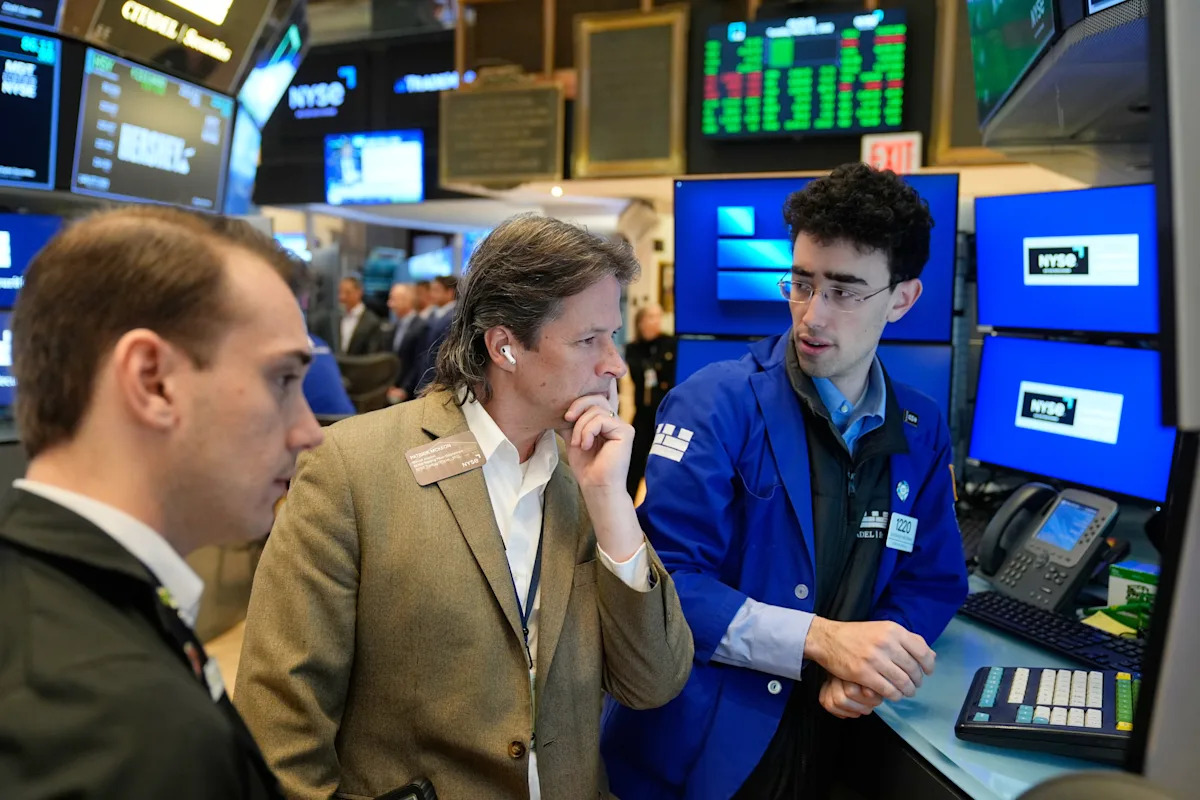
ETF Inflow Highlights: The FTRB ETF experienced the largest increase in inflows, adding 2,500,000 units, which represents a 36.8% rise in outstanding units.
Author's Perspective: The opinions expressed in the article are those of the author and do not necessarily reflect the views of Nasdaq, Inc.
Trade with 70% Backtested Accuracy
Analyst Views on IEMG
About the author


JP Morgan's 2026 Forecast: K-Shaped Growth and Policy Uncertainty


Economic Outlook: JP Morgan Asset Management anticipates a K-shaped economic recovery in 2026, with growth above 3% in the first half, driven by fiscal support, while inflation is expected to rise towards 4% before settling at 2% by year-end.
Key Policy Drivers: The bank identifies three main factors influencing economic volatility: increased U.S. tariffs impacting consumer prices, a decline in net immigration affecting job growth, and significant investments in AI projected to reach $588 billion.
Investment Strategy: JP Morgan advises investors to focus on fixed income and duration rather than yield levels, suggesting that TIPS and commodities remain relevant as inflation hedges, while also recommending a tilt towards value and international markets.
Global Market Trends: The firm highlights four structural themes, including revitalization of European and Japanese companies, the broadening impact of AI, increased fiscal spending in the Eurozone and Japan, and a global shift towards higher shareholder returns.

BRICS Surpasses G7: A Clear Shift in Economic Power


BRICS+ Economic Growth: The BRICS+ bloc, now including countries like Egypt and Saudi Arabia, has surpassed the G7 in global GDP measured by purchasing power parity (PPP), accounting for approximately 40% of the world's economic output compared to the G7's 28.8%.
Demographic Influence: BRICS+ nations represent 45% of the global population, with China and India alone making up about 35%, contributing to their sustained economic growth rates that significantly outpace the G7.
Shift to Multipolarity: The economic reversal between BRICS+ and G7 signifies a transition to a multipolar world, where economic influence is distributed across multiple centers rather than dominated by Western institutions.
Implications for Investors and Policymakers: As the unipolar era ends, businesses and investors must adapt to new regulatory environments and currency risks, while policymakers need to engage with emerging powers to navigate this evolving economic landscape.

Should Investors Consider Global Equity ETFs for Broader Market Access?


Current Economic Landscape: Investors are facing uncertainty due to concerns over AI bubbles, overvalued U.S. asset prices, and geopolitical tensions, making diversification essential for portfolio protection.
Global Equity Exposure: Increasing investment in global equities, particularly through international equity ETFs, is recommended to mitigate risks associated with a potential U.S. stock market correction and to enhance overall portfolio diversification.

Is It Time to Invest in Emerging Markets ETFs?

Emerging Market Stocks Performance: Emerging-market stocks have seen their longest winning streak since 2004, with a 29.5% gain this year, driven by strong demand for Asian tech shares and favorable conditions like a weak dollar and Fed rate cuts.
Valuation and Growth Potential: Despite recent gains, emerging markets remain undervalued compared to U.S. stocks, with lower P/E ratios, and are expected to benefit from policy easing and declining consumer-price growth in major economies like China and India.
Chinese Tech Sector Optimism: The Chinese technology sector is experiencing a boom, particularly in AI, with investments making Chinese tech stocks cheaper than their U.S. counterparts, suggesting further growth potential.
Highlighted ETFs: Several emerging market-based ETFs have outperformed the S&P 500 this year, featuring low P/E ratios and solid market values, indicating strong investment opportunities in this sector.

ETF Inflow Alert: IEMG, PDD, NU, BAP

IEMG Share Price Analysis: IEMG's 52-week low is $47.29 and high is $66.445, with the last trade at $65.71, indicating a strong position near its high point.
Understanding ETFs: ETFs function like stocks, trading in "units" that can be created or destroyed based on investor demand, affecting the underlying holdings and market dynamics.
Bessent's Tariff Discussions Create Unease for Dollar-Sensitive Stocks

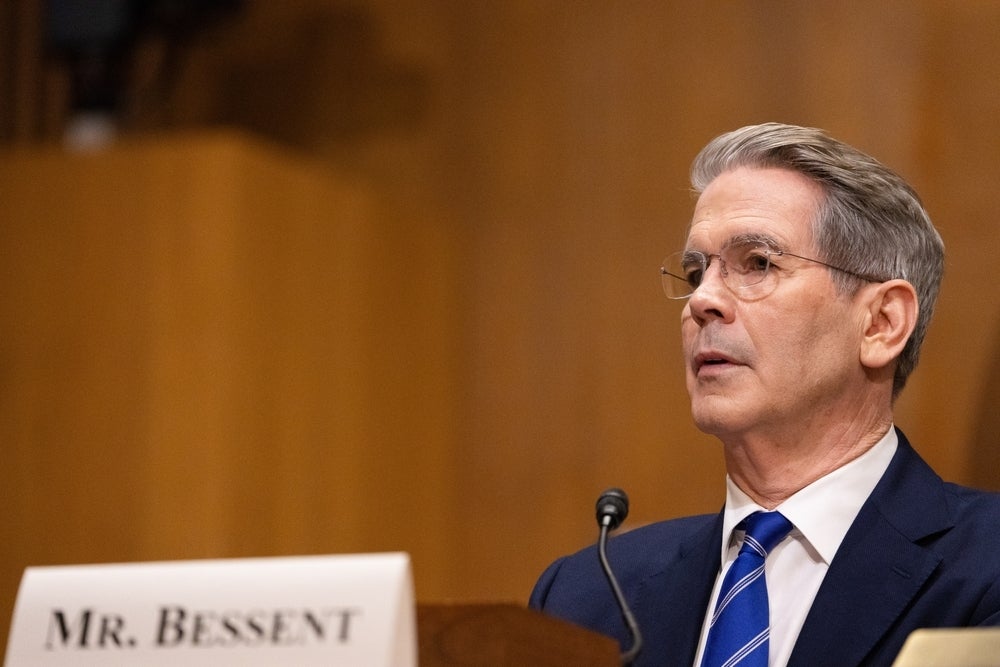
Scott Bessent's Insights on Tariffs: Treasury Secretary Scott Bessent discusses the implications of tariffs and a narrowing U.S. trade deficit with China, warning that while it may seem beneficial, it could lead to a stronger dollar that negatively impacts dollar-sensitive stocks and multinationals like Apple and Nike.
Market Reactions and Sector Impacts: A firmer dollar could pressure export-heavy sectors and emerging-market equities, leading to tighter liquidity and potential outflows, while U.S. companies with a domestic focus may benefit as global competitors face challenges.
Geopolitical and Currency Interconnection: Bessent emphasizes the intertwined nature of geopolitics and currency markets, suggesting that even if tariffs are resolved, the financial market consequences, particularly regarding currency strength, remain a concern for investors.
Investment Strategy Considerations: Investors are advised to consider the FX risk associated with the evolving trade landscape, as the impact of tariffs and currency fluctuations could reshape the dynamics of market winners and losers.
JP Morgan's 2026 Forecast: K-Shaped Growth and Policy Uncertainty
Economic Outlook: JP Morgan Asset Management anticipates a K-shaped economic recovery in 2026, with growth above 3% in the first half, driven by fiscal support, while inflation is expected to rise towards 4% before settling at 2% by year-end.
Key Policy Drivers: The bank identifies three main factors influencing economic volatility: increased U.S. tariffs impacting consumer prices, a decline in net immigration affecting job growth, and significant investments in AI projected to reach $588 billion.
Investment Strategy: JP Morgan advises investors to focus on fixed income and duration rather than yield levels, suggesting that TIPS and commodities remain relevant as inflation hedges, while also recommending a tilt towards value and international markets.
Global Market Trends: The firm highlights four structural themes, including revitalization of European and Japanese companies, the broadening impact of AI, increased fiscal spending in the Eurozone and Japan, and a global shift towards higher shareholder returns.
BRICS Surpasses G7: A Clear Shift in Economic Power
BRICS+ Economic Growth: The BRICS+ bloc, now including countries like Egypt and Saudi Arabia, has surpassed the G7 in global GDP measured by purchasing power parity (PPP), accounting for approximately 40% of the world's economic output compared to the G7's 28.8%.
Demographic Influence: BRICS+ nations represent 45% of the global population, with China and India alone making up about 35%, contributing to their sustained economic growth rates that significantly outpace the G7.
Shift to Multipolarity: The economic reversal between BRICS+ and G7 signifies a transition to a multipolar world, where economic influence is distributed across multiple centers rather than dominated by Western institutions.
Implications for Investors and Policymakers: As the unipolar era ends, businesses and investors must adapt to new regulatory environments and currency risks, while policymakers need to engage with emerging powers to navigate this evolving economic landscape.
Should Investors Consider Global Equity ETFs for Broader Market Access?
Current Economic Landscape: Investors are facing uncertainty due to concerns over AI bubbles, overvalued U.S. asset prices, and geopolitical tensions, making diversification essential for portfolio protection.
Global Equity Exposure: Increasing investment in global equities, particularly through international equity ETFs, is recommended to mitigate risks associated with a potential U.S. stock market correction and to enhance overall portfolio diversification.
Is It Time to Invest in Emerging Markets ETFs?
Emerging Market Stocks Performance: Emerging-market stocks have seen their longest winning streak since 2004, with a 29.5% gain this year, driven by strong demand for Asian tech shares and favorable conditions like a weak dollar and Fed rate cuts.
Valuation and Growth Potential: Despite recent gains, emerging markets remain undervalued compared to U.S. stocks, with lower P/E ratios, and are expected to benefit from policy easing and declining consumer-price growth in major economies like China and India.
Chinese Tech Sector Optimism: The Chinese technology sector is experiencing a boom, particularly in AI, with investments making Chinese tech stocks cheaper than their U.S. counterparts, suggesting further growth potential.
Highlighted ETFs: Several emerging market-based ETFs have outperformed the S&P 500 this year, featuring low P/E ratios and solid market values, indicating strong investment opportunities in this sector.
ETF Inflow Alert: IEMG, PDD, NU, BAP
IEMG Share Price Analysis: IEMG's 52-week low is $47.29 and high is $66.445, with the last trade at $65.71, indicating a strong position near its high point.
Understanding ETFs: ETFs function like stocks, trading in "units" that can be created or destroyed based on investor demand, affecting the underlying holdings and market dynamics.
Bessent's Tariff Discussions Create Unease for Dollar-Sensitive Stocks
Scott Bessent's Insights on Tariffs: Treasury Secretary Scott Bessent discusses the implications of tariffs and a narrowing U.S. trade deficit with China, warning that while it may seem beneficial, it could lead to a stronger dollar that negatively impacts dollar-sensitive stocks and multinationals like Apple and Nike.
Market Reactions and Sector Impacts: A firmer dollar could pressure export-heavy sectors and emerging-market equities, leading to tighter liquidity and potential outflows, while U.S. companies with a domestic focus may benefit as global competitors face challenges.
Geopolitical and Currency Interconnection: Bessent emphasizes the intertwined nature of geopolitics and currency markets, suggesting that even if tariffs are resolved, the financial market consequences, particularly regarding currency strength, remain a concern for investors.
Investment Strategy Considerations: Investors are advised to consider the FX risk associated with the evolving trade landscape, as the impact of tariffs and currency fluctuations could reshape the dynamics of market winners and losers.