Humanoid Robots Poised for Growth in Automation Market
Written by Emily J. Thompson, Senior Investment Analyst
Updated: 3 days ago
0mins


Should l Buy TSLA?
Source: CNBC
- Market Drivers: Jefferies identifies three key drivers for the humanoid robot market's rapid growth over the next decade, including an aging population increasing demand for supplemental labor, declining interest in manufacturing jobs among younger generations, and breakthroughs in semiconductor and AI technology.
- Tesla's Potential: Analyst Philippe Houchois assigns a hold rating to Tesla with a $300 price target, noting that while the company has provided few specifics on its humanoid robot initiatives, its early applications in manufacturing and ability to self-fund developments may provide a competitive edge.
- Metal Demand Growth: Analyst Chris LaFemina highlights that 70% of humanoid robots' weight comes from metals, suggesting that companies like Freeport McMoRan, Alcoa, and Nucor could benefit from rising demand for copper, aluminum, and steel, indicating potential prosperity in the raw materials market.
- Analog Devices' Advantage: Analog Devices is recognized for its expertise in sensors and analog control, with analyst Blayne Curtis giving it a buy rating and a $410 price target, as the scaling of humanoid robots presents opportunities for its signal-chain and power technologies through each joint and sensor integration.
Trade with 70% Backtested Accuracy
Stop guessing "Should I Buy TSLA?" and start using high-conviction signals backed by rigorous historical data.
Sign up today to access powerful investing tools and make smarter, data-driven decisions.
Analyst Views on TSLA
Wall Street analysts forecast TSLA stock price to rise
30 Analyst Rating
12 Buy
11 Hold
7 Sell
Hold
Current: 372.110

Low
25.28
Averages
401.93
High
600.00
Current: 372.110
Low
25.28
Averages
401.93
High
600.00
About TSLA
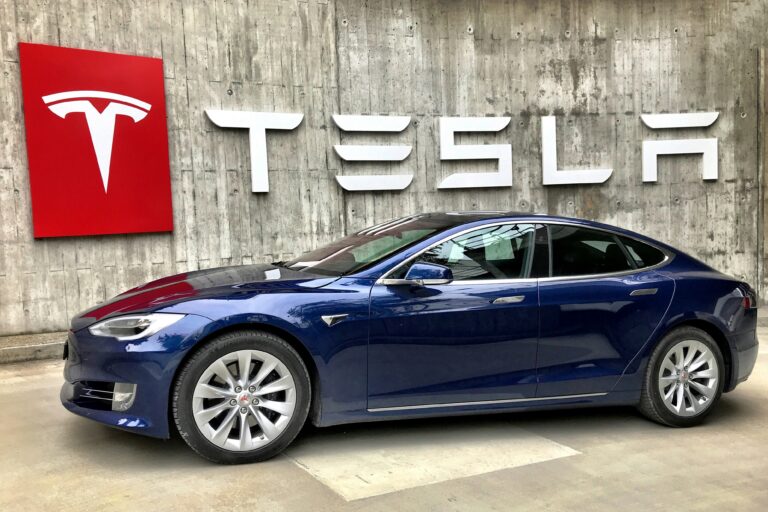
Tesla, Inc. designs, develops, manufactures, sells and leases high-performance fully electric vehicles and energy generation and storage systems, and offers services related to its products. Its segments include automotive, and energy generation and storage. The automotive segment includes the design, development, manufacturing, sales and leasing of high-performance fully electric vehicles, and sales of automotive regulatory credits. It also includes sales of used vehicles, non-warranty maintenance services and collisions, part sales, paid supercharging, insurance services revenue and retail merchandise sales. The energy generation and storage segment include the design, manufacture, installation, sales and leasing of solar energy generation and energy storage products and related services and sales of solar energy systems incentives. Its consumer vehicles include the Model 3, Y, S, X and Cybertruck. Its lithium-ion battery energy storage products include Powerwall and Megapack.
About the author

Emily J. Thompson
Emily J. Thompson, a Chartered Financial Analyst (CFA) with 12 years in investment research, graduated with honors from the Wharton School. Specializing in industrial and technology stocks, she provides in-depth analysis for Intellectia’s earnings and market brief reports.
Tesla's Future Relies on Robotics Technology

- Strong Stock Performance: Tesla (TSLA) shares have risen 36% over the past year, reflecting market confidence in its future, particularly in the potential of robotics and AI technologies.
- Executive Share Buyback: Elon Musk's announcement to purchase $1 billion worth of Tesla shares led to a 2.8% increase in stock price on September 16, indicating strong executive confidence and positive market sentiment.
- New Product Launch: At an event in Las Vegas, Tesla unveiled new products for its energy storage business, demonstrating strategic diversification despite challenges in its core electric vehicle segment.
- Earnings Miss Expectations: Tesla reported earnings per share of $0.50 for the third quarter, falling short of analysts' expectations of $0.56, yet the market remains optimistic about its long-term growth prospects, particularly due to investments in robotics.
See More

2026 Economic Outlook and Uber Developments


- GDP Growth Slowdown: The GDP growth rate for Q1 2026 is only 0.7%, significantly lower than the previous estimate of 1.4%, indicating a sluggish economic recovery that may dampen investor confidence and negatively impact stock market performance.
- Rising Inflation Pressure: With inflation exceeding 3% in January, combined with slowing GDP growth, concerns about stagflation may arise, leading to reduced consumer spending and threatening corporate profitability.
- Surge in Oil Prices: West Texas Intermediate crude oil prices have surged from $57 on January 2 to $93, even exceeding $100 at times, increasing consumer energy expenditure pressure and potentially suppressing spending in other areas.
- Uber's Autonomous Driving Partnerships: Uber has recently formed partnerships with several companies, including Waymo and Lucid, indicating its proactive positioning in the autonomous driving sector, which may lay the groundwork for future market share growth.
See More

2026 Economic Outlook and Oil Price Fluctuations
- GDP Growth Slowdown: The GDP growth rate for Q1 2026 is only 0.7%, significantly lower than the previous estimate of 1.4%, indicating economic stagnation that may heighten investor concerns about future economic prospects.
- High Inflation Pressure: With inflation exceeding 3% in January, combined with low growth, market fears of stagflation are rising, which could negatively impact consumer spending and business investment decisions, further dragging down economic recovery.
- Surging Oil Prices Impact: As of the recording date, West Texas Intermediate crude oil prices have reached $93 per barrel, a significant increase from $57 on January 2, which may force consumers to cut back on other expenditures due to rising energy costs, affecting overall economic activity.
- Geopolitical Risks: The rise in oil prices is primarily driven by geopolitical conflicts rather than demand growth, particularly due to uncertainties surrounding Iran, which could lead to a more pessimistic economic outlook, necessitating close monitoring of related developments.
See More

Amazon Acquires Fauna Robotics, Laying Foundation for Future Robotics Market

- Acquisition Context: Amazon confirmed its acquisition of Fauna Robotics this week, a two-year-old startup founded by former Meta and Google engineers, indicating Amazon's ongoing investment in the robotics sector despite a rough track record in home robotics.
- Product Features: Fauna's Sprout is a 42-inch, 50-pound bipedal humanoid running on Nvidia's Jetson Orin platform, featuring a swappable battery lasting about three hours and priced at $50,000, designed for social interaction, showcasing a fundamentally different design philosophy from Amazon's previous products.
- Market Potential: Sprout's design aims for interaction with children and pets, leveraging Amazon's established trust in homes and its Prime ecosystem, potentially opening new opportunities in the home robotics market, despite competition from Tesla's Optimus.
- Investor Attention: Amazon's acquisition could reshape the home robotics landscape, and investors should monitor how Amazon leverages its 200 million-plus Prime members and Alexa infrastructure to enhance Sprout's market competitiveness, which may impact stock performance for both companies.
See More

Amazon Acquires Fauna Robotics, Shifts to Software-First Strategy
- Acquisition of Fauna Robotics: Amazon confirmed this week its acquisition of Fauna Robotics, a startup founded by former Meta and Google engineers, aiming to enhance user interaction through a social robot platform, marking a strategic shift in Amazon's approach to home robotics.
- Product Features and Market Positioning: Fauna's Sprout is a 42-inch, 50-pound bipedal humanoid running on Nvidia's Jetson Orin platform, priced at $50,000, designed for social interaction with features like facial recognition and memory, emphasizing Amazon's focus on home environments.
- Comparison with Tesla: Unlike Tesla's Optimus, which focuses on labor and production, Amazon's Sprout emphasizes building trust and daily interaction, suggesting a different market positioning that could influence future competitive dynamics, particularly in the home robotics sector.
- Strategic Implications and Future Outlook: Amazon's advantage in home trust, combined with its 200 million-plus Prime members and Alexa infrastructure, could position Sprout as a household member rather than just a labor tool, making it a significant player in the future market, warranting close investor attention.
See More

Elon Musk Unveils Terafab Semiconductor Vision


- Surging Chip Demand: Musk envisions a need for one terawatt of computing power annually, while the current global AI computing capacity stands at only 20 gigawatts, indicating a significant demand for semiconductor production that could intensify market competition.
- Tesla and SpaceX's Needs: Tesla and the soon-to-be-public SpaceX will be the primary users of Terafab chips, with Musk predicting that the Optimus robots will require 10 to 100 times the current chip demand, further driving the need for chips.
- Investment and Valuation Challenges: If Terafab were 50 times the size of TSMC, its potential value could reach $90 trillion; however, given the high costs and technological challenges of semiconductor manufacturing, investors must cautiously assess the feasibility of this vision.
- Technical and Talent Shortages: Achieving the goals of Terafab requires massive investment and top-tier talent, while the current technological barriers and talent competition in the semiconductor industry pose significant challenges that could impact the long-term growth of Tesla and SpaceX.
See More
Tesla's Future Relies on Robotics Technology
- Strong Stock Performance: Tesla (TSLA) shares have risen 36% over the past year, reflecting market confidence in its future, particularly in the potential of robotics and AI technologies.
- Executive Share Buyback: Elon Musk's announcement to purchase $1 billion worth of Tesla shares led to a 2.8% increase in stock price on September 16, indicating strong executive confidence and positive market sentiment.
- New Product Launch: At an event in Las Vegas, Tesla unveiled new products for its energy storage business, demonstrating strategic diversification despite challenges in its core electric vehicle segment.
- Earnings Miss Expectations: Tesla reported earnings per share of $0.50 for the third quarter, falling short of analysts' expectations of $0.56, yet the market remains optimistic about its long-term growth prospects, particularly due to investments in robotics.
See More
2026 Economic Outlook and Uber Developments
- GDP Growth Slowdown: The GDP growth rate for Q1 2026 is only 0.7%, significantly lower than the previous estimate of 1.4%, indicating a sluggish economic recovery that may dampen investor confidence and negatively impact stock market performance.
- Rising Inflation Pressure: With inflation exceeding 3% in January, combined with slowing GDP growth, concerns about stagflation may arise, leading to reduced consumer spending and threatening corporate profitability.
- Surge in Oil Prices: West Texas Intermediate crude oil prices have surged from $57 on January 2 to $93, even exceeding $100 at times, increasing consumer energy expenditure pressure and potentially suppressing spending in other areas.
- Uber's Autonomous Driving Partnerships: Uber has recently formed partnerships with several companies, including Waymo and Lucid, indicating its proactive positioning in the autonomous driving sector, which may lay the groundwork for future market share growth.
See More
2026 Economic Outlook and Oil Price Fluctuations
- GDP Growth Slowdown: The GDP growth rate for Q1 2026 is only 0.7%, significantly lower than the previous estimate of 1.4%, indicating economic stagnation that may heighten investor concerns about future economic prospects.
- High Inflation Pressure: With inflation exceeding 3% in January, combined with low growth, market fears of stagflation are rising, which could negatively impact consumer spending and business investment decisions, further dragging down economic recovery.
- Surging Oil Prices Impact: As of the recording date, West Texas Intermediate crude oil prices have reached $93 per barrel, a significant increase from $57 on January 2, which may force consumers to cut back on other expenditures due to rising energy costs, affecting overall economic activity.
- Geopolitical Risks: The rise in oil prices is primarily driven by geopolitical conflicts rather than demand growth, particularly due to uncertainties surrounding Iran, which could lead to a more pessimistic economic outlook, necessitating close monitoring of related developments.
See More
Amazon Acquires Fauna Robotics, Laying Foundation for Future Robotics Market
- Acquisition Context: Amazon confirmed its acquisition of Fauna Robotics this week, a two-year-old startup founded by former Meta and Google engineers, indicating Amazon's ongoing investment in the robotics sector despite a rough track record in home robotics.
- Product Features: Fauna's Sprout is a 42-inch, 50-pound bipedal humanoid running on Nvidia's Jetson Orin platform, featuring a swappable battery lasting about three hours and priced at $50,000, designed for social interaction, showcasing a fundamentally different design philosophy from Amazon's previous products.
- Market Potential: Sprout's design aims for interaction with children and pets, leveraging Amazon's established trust in homes and its Prime ecosystem, potentially opening new opportunities in the home robotics market, despite competition from Tesla's Optimus.
- Investor Attention: Amazon's acquisition could reshape the home robotics landscape, and investors should monitor how Amazon leverages its 200 million-plus Prime members and Alexa infrastructure to enhance Sprout's market competitiveness, which may impact stock performance for both companies.
See More
Amazon Acquires Fauna Robotics, Shifts to Software-First Strategy
- Acquisition of Fauna Robotics: Amazon confirmed this week its acquisition of Fauna Robotics, a startup founded by former Meta and Google engineers, aiming to enhance user interaction through a social robot platform, marking a strategic shift in Amazon's approach to home robotics.
- Product Features and Market Positioning: Fauna's Sprout is a 42-inch, 50-pound bipedal humanoid running on Nvidia's Jetson Orin platform, priced at $50,000, designed for social interaction with features like facial recognition and memory, emphasizing Amazon's focus on home environments.
- Comparison with Tesla: Unlike Tesla's Optimus, which focuses on labor and production, Amazon's Sprout emphasizes building trust and daily interaction, suggesting a different market positioning that could influence future competitive dynamics, particularly in the home robotics sector.
- Strategic Implications and Future Outlook: Amazon's advantage in home trust, combined with its 200 million-plus Prime members and Alexa infrastructure, could position Sprout as a household member rather than just a labor tool, making it a significant player in the future market, warranting close investor attention.
See More
Elon Musk Unveils Terafab Semiconductor Vision
- Surging Chip Demand: Musk envisions a need for one terawatt of computing power annually, while the current global AI computing capacity stands at only 20 gigawatts, indicating a significant demand for semiconductor production that could intensify market competition.
- Tesla and SpaceX's Needs: Tesla and the soon-to-be-public SpaceX will be the primary users of Terafab chips, with Musk predicting that the Optimus robots will require 10 to 100 times the current chip demand, further driving the need for chips.
- Investment and Valuation Challenges: If Terafab were 50 times the size of TSMC, its potential value could reach $90 trillion; however, given the high costs and technological challenges of semiconductor manufacturing, investors must cautiously assess the feasibility of this vision.
- Technical and Talent Shortages: Achieving the goals of Terafab requires massive investment and top-tier talent, while the current technological barriers and talent competition in the semiconductor industry pose significant challenges that could impact the long-term growth of Tesla and SpaceX.
See More