Humana Partners with Multiple Organizations to Improve Heart Health
Written by Emily J. Thompson, Senior Investment Analyst
Updated: Mar 03 2026
0mins
Should l Buy HUM?
Humana announced new partnerships to improve heart health for eligible Medicare Advantage members through value-based care. Building on Humana's existing cardiac care partnership with CVAUSA's Novocardia Care Solutions division, new agreements with Karoo Health, US Heart and Vascular and Chamber Cardio further expand the company's comprehensive cardiac care program. "Managing a heart condition can feel overwhelming. Our members need integrated, coordinated, evidence-based care that meets them where they are," said Caraline Coats, Senior Vice President Clinical Strategy at Humana. "As a leader in value-based care, Humana is committed to expanding access to high-quality, whole-person care that supports better health outcomes."
Trade with 70% Backtested Accuracy
Stop guessing "Should I Buy HUM?" and start using high-conviction signals backed by rigorous historical data.
Sign up today to access powerful investing tools and make smarter, data-driven decisions.
Analyst Views on HUM
Wall Street analysts forecast HUM stock price to rise
19 Analyst Rating
6 Buy
12 Hold
1 Sell
Moderate Buy
Current: 173.390

Low
231.00
Averages
290.39
High
344.00
Current: 173.390
Low
231.00
Averages
290.39
High
344.00
About HUM
Humana Inc. provides Humana insurance services and CenterWell health care services. The Company's segments include Insurance and CenterWell. The Insurance segment consists of Medicare benefits, marketed to individuals or directly via group Medicare accounts, as well as its contract with CMS to administer the Limited Income Newly Eligible Transition (LI-NET) prescription drug plan program and contracts with various states to provide Medicaid, dual eligible demonstration, and Long-Term Support Services benefits. This segment also includes products consisting of employer group commercial fully-insured medical and specialty health insurance benefits marketed to individuals and employer groups. The CenterWell segment includes its pharmacy, primary care, and home solutions operations. The segment also includes its strategic partnerships with WCAS to develop and operate senior-focused, payor-agnostic, primary care centers, as well as its minority ownership interest in hospice operations.
About the author

Emily J. Thompson
Emily J. Thompson, a Chartered Financial Analyst (CFA) with 12 years in investment research, graduated with honors from the Wharton School. Specializing in industrial and technology stocks, she provides in-depth analysis for Intellectia’s earnings and market brief reports.

Humana to Release Q1 2026 Financial Results

- Earnings Release Schedule: Humana Inc. will release its Q1 2026 financial results at 6:00 a.m. Eastern Time on April 29, 2026, along with prepared management remarks in PDF format, which is expected to significantly impact investor sentiment.
- Interactive Q&A Session: The company will host a live Q&A session at 8:00 a.m. Eastern Time on the same day, allowing investors to register in advance, thereby enhancing engagement with management and increasing transparency.
- Non-GAAP Financial Metrics: The earnings report will include financial measures that are not in accordance with Generally Accepted Accounting Principles (GAAP), providing reconciliations to GAAP results, which will help investors better understand the company's financial health.
- Investor Relations Page: Investors can access the earnings call webcast and historical presentations via Humana's Investor Relations page, ensuring timely information access and transparency, which further strengthens trust between the company and its investors.
See More
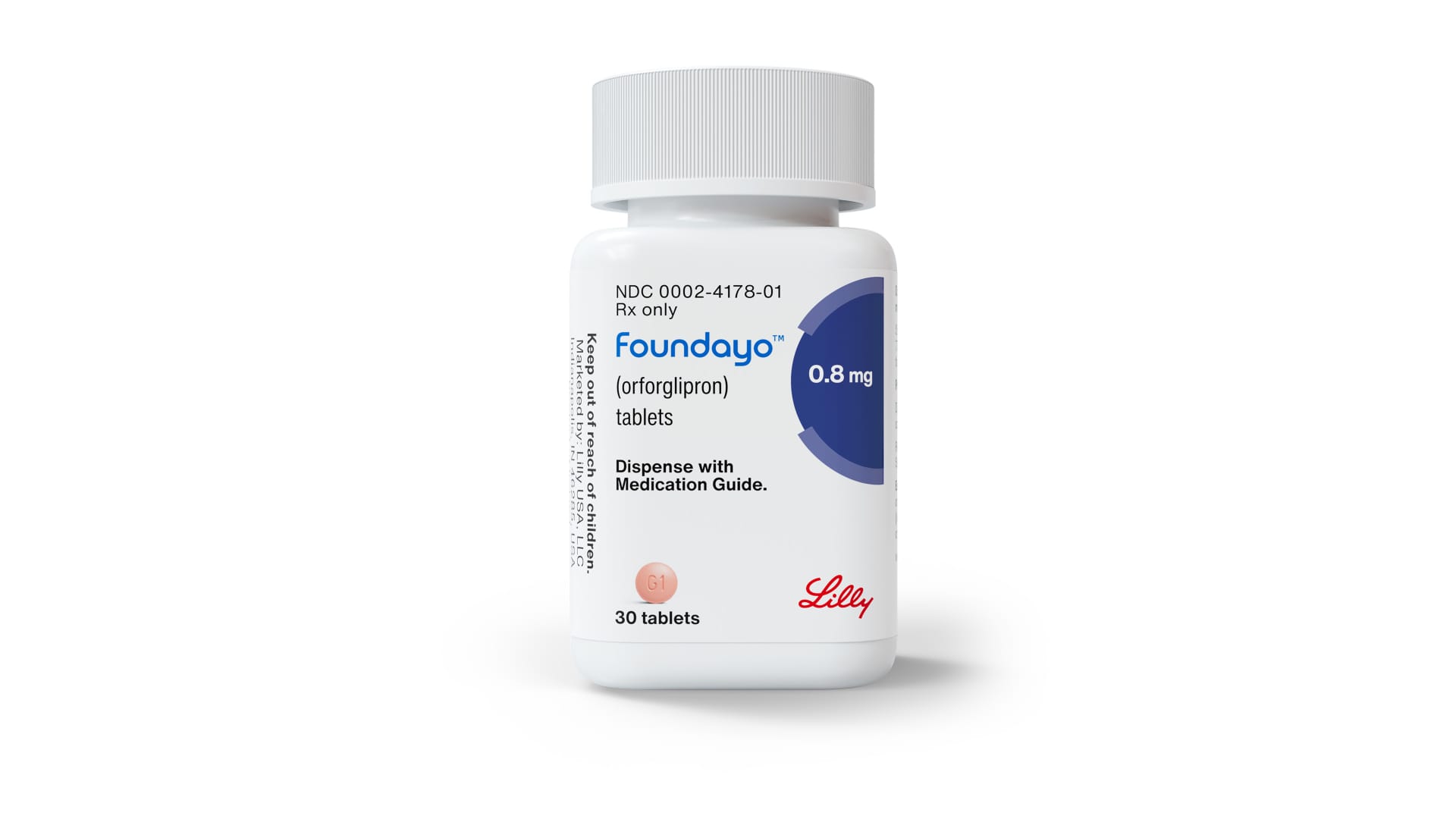
Eli Lilly's GLP-1 Pill Approval Marks New Weight Loss Market Entry

- Regulatory Milestone: The FDA's approval of Eli Lilly's GLP-1 pill, Foundayo, represents a significant advancement for the company in the weight-loss medication market, setting the stage for competition with Novo Nordisk's Wegovy and altering market dynamics.
- Pricing Strategy: Foundayo is priced at $25 per month with insurance or between $149 and $349 out-of-pocket, aiming to attract a broader patient base, particularly appealing to seniors, thereby expanding the market for weight-loss drugs.
- Global Market Expansion: Lilly plans to seek approval for Foundayo in over 40 countries within the next year, leveraging its small molecule nature to enable global production and distribution without cold-chain constraints, enhancing its competitive edge.
- Sales Projections: Analysts estimate Foundayo's sales could reach $14.79 billion by 2030, although lower than Zepbound's $24.68 billion, it still indicates strong market potential and is seen as a key factor for Eli Lilly's stock recovery.
See More

Medicare Trust Fund Expected to Deplete by 2040

- Trust Fund Depletion Risk: The Medicare Hospital Insurance Trust Fund is projected to be depleted by 2040 according to updated projections from the Congressional Budget Office, which would lead to payment cuts to hospitals and providers, initially estimated to be in the low double digits, potentially triggering a ripple effect throughout the healthcare supply chain.
- Limited Payment Capacity: Once the trust fund reserves are exhausted, Medicare will shift to a pay-as-you-go system, meaning it can only pay what it receives from payroll taxes, which could further reduce hospital margins and limit available services.
- Inadequate Mitigation Measures: Analysts indicate that while options like increasing the current 2.9% payroll tax rate or cutting spending could mitigate risks, these measures are highly unpopular, and no significant changes are expected until the situation becomes critical, likely leading to increased volatility in the healthcare sector.
- Congressional Options: Congress has the ability to protect Medicare by raising payroll taxes or adjusting Medicare Advantage payments, but these proposals face significant resistance, particularly the idea of raising the eligibility age, which could impact insurers like UnitedHealthcare (UNH) and Humana (HUM).
See More

Medicare Advantage Plans Under Cost Control Pressure Ahead of 2027 Rates
- Cost Control Issues: CMS Deputy Administrator Chris Klomp highlighted that Medicare Advantage plans have not effectively controlled costs, adding pressure to the upcoming 2027 reimbursement rate decision, which could impact insurers' profitability.
- Reimbursement Rate Proposal: The CMS's proposed flat reimbursement rates for MA insurers in January led to declines in managed care stocks, including UnitedHealth (UNH) and Humana (HUM), reflecting market concerns about future profitability amid regulatory changes.
- UnitedHealth's Response Strategy: As the largest MA insurer, UnitedHealth indicated it might consider benefit reductions in response to the CMS's “disappointing” initial reimbursement rates, showcasing the company's adaptability and strategic planning in the face of policy shifts.
- Market Choice Risks: Klomp warned that if the CMS acts “too aggressively” on rates, it could lead to plans exiting certain markets, thereby reducing choices for Medicare recipients and exacerbating market uncertainties.
See More
Significant Increase in CGM Usage Among Medicare Advantage Members
- Increase in CGM Usage: The proportion of Medicare Advantage members with type 2 diabetes using continuous glucose monitors (CGMs) rose from less than 2% in January 2021 to about 16% by December 2023, indicating a significant increase in technology adoption coinciding with expanded Medicare coverage.
- Impact of Healthcare Visits: In the 2023 study cohort, patients who had an endocrinology visit were over four times more likely to use a CGM, highlighting the critical role of regular medical interactions in facilitating access to advanced diabetes management tools.
- Challenges for Older Patients: The analysis revealed that older adults and those with fewer healthcare interactions were less likely to utilize CGMs, suggesting a need for targeted outreach to ensure these vulnerable populations receive essential diabetes management support.
- Future Coverage Plans: By 2026, most individuals with a Humana Medicare Advantage plan will be able to obtain a CGM at no out-of-pocket cost, which is expected to further enhance CGM adoption and improve health outcomes for diabetes management.
See More

U.S. HMO Industry Faces Challenges and Opportunities

- Rising Medical Costs: U.S. health insurers are experiencing increased medical expenses due to the resumption of deferred care and heightened demand for chronic disease management, leading to a rise in insurance claims and pressure on profit margins.
- Regulatory Uncertainty: New legislation may tighten Medicaid eligibility and reduce ACA enrollment, impacting insurers' membership and reimbursements, which forces a shift towards commercial insurance products to enhance profitability.
- Healthcare Workforce Shortage: The ongoing shortage of nurses and healthcare professionals is straining hospital operations, affecting HMOs' ability to deliver high-quality care, which could lead to customer attrition.
- M&A Strategy: HMO companies are pursuing mergers and acquisitions to expand market share and enhance competitiveness, with expected interest rate declines in 2026 likely to fuel further M&A activity, driving industry consolidation.
See More
Humana to Release Q1 2026 Financial Results
- Earnings Release Schedule: Humana Inc. will release its Q1 2026 financial results at 6:00 a.m. Eastern Time on April 29, 2026, along with prepared management remarks in PDF format, which is expected to significantly impact investor sentiment.
- Interactive Q&A Session: The company will host a live Q&A session at 8:00 a.m. Eastern Time on the same day, allowing investors to register in advance, thereby enhancing engagement with management and increasing transparency.
- Non-GAAP Financial Metrics: The earnings report will include financial measures that are not in accordance with Generally Accepted Accounting Principles (GAAP), providing reconciliations to GAAP results, which will help investors better understand the company's financial health.
- Investor Relations Page: Investors can access the earnings call webcast and historical presentations via Humana's Investor Relations page, ensuring timely information access and transparency, which further strengthens trust between the company and its investors.
See More
Eli Lilly's GLP-1 Pill Approval Marks New Weight Loss Market Entry
- Regulatory Milestone: The FDA's approval of Eli Lilly's GLP-1 pill, Foundayo, represents a significant advancement for the company in the weight-loss medication market, setting the stage for competition with Novo Nordisk's Wegovy and altering market dynamics.
- Pricing Strategy: Foundayo is priced at $25 per month with insurance or between $149 and $349 out-of-pocket, aiming to attract a broader patient base, particularly appealing to seniors, thereby expanding the market for weight-loss drugs.
- Global Market Expansion: Lilly plans to seek approval for Foundayo in over 40 countries within the next year, leveraging its small molecule nature to enable global production and distribution without cold-chain constraints, enhancing its competitive edge.
- Sales Projections: Analysts estimate Foundayo's sales could reach $14.79 billion by 2030, although lower than Zepbound's $24.68 billion, it still indicates strong market potential and is seen as a key factor for Eli Lilly's stock recovery.
See More
Medicare Trust Fund Expected to Deplete by 2040
- Trust Fund Depletion Risk: The Medicare Hospital Insurance Trust Fund is projected to be depleted by 2040 according to updated projections from the Congressional Budget Office, which would lead to payment cuts to hospitals and providers, initially estimated to be in the low double digits, potentially triggering a ripple effect throughout the healthcare supply chain.
- Limited Payment Capacity: Once the trust fund reserves are exhausted, Medicare will shift to a pay-as-you-go system, meaning it can only pay what it receives from payroll taxes, which could further reduce hospital margins and limit available services.
- Inadequate Mitigation Measures: Analysts indicate that while options like increasing the current 2.9% payroll tax rate or cutting spending could mitigate risks, these measures are highly unpopular, and no significant changes are expected until the situation becomes critical, likely leading to increased volatility in the healthcare sector.
- Congressional Options: Congress has the ability to protect Medicare by raising payroll taxes or adjusting Medicare Advantage payments, but these proposals face significant resistance, particularly the idea of raising the eligibility age, which could impact insurers like UnitedHealthcare (UNH) and Humana (HUM).
See More
Medicare Advantage Plans Under Cost Control Pressure Ahead of 2027 Rates
- Cost Control Issues: CMS Deputy Administrator Chris Klomp highlighted that Medicare Advantage plans have not effectively controlled costs, adding pressure to the upcoming 2027 reimbursement rate decision, which could impact insurers' profitability.
- Reimbursement Rate Proposal: The CMS's proposed flat reimbursement rates for MA insurers in January led to declines in managed care stocks, including UnitedHealth (UNH) and Humana (HUM), reflecting market concerns about future profitability amid regulatory changes.
- UnitedHealth's Response Strategy: As the largest MA insurer, UnitedHealth indicated it might consider benefit reductions in response to the CMS's “disappointing” initial reimbursement rates, showcasing the company's adaptability and strategic planning in the face of policy shifts.
- Market Choice Risks: Klomp warned that if the CMS acts “too aggressively” on rates, it could lead to plans exiting certain markets, thereby reducing choices for Medicare recipients and exacerbating market uncertainties.
See More
Significant Increase in CGM Usage Among Medicare Advantage Members
- Increase in CGM Usage: The proportion of Medicare Advantage members with type 2 diabetes using continuous glucose monitors (CGMs) rose from less than 2% in January 2021 to about 16% by December 2023, indicating a significant increase in technology adoption coinciding with expanded Medicare coverage.
- Impact of Healthcare Visits: In the 2023 study cohort, patients who had an endocrinology visit were over four times more likely to use a CGM, highlighting the critical role of regular medical interactions in facilitating access to advanced diabetes management tools.
- Challenges for Older Patients: The analysis revealed that older adults and those with fewer healthcare interactions were less likely to utilize CGMs, suggesting a need for targeted outreach to ensure these vulnerable populations receive essential diabetes management support.
- Future Coverage Plans: By 2026, most individuals with a Humana Medicare Advantage plan will be able to obtain a CGM at no out-of-pocket cost, which is expected to further enhance CGM adoption and improve health outcomes for diabetes management.
See More
U.S. HMO Industry Faces Challenges and Opportunities
- Rising Medical Costs: U.S. health insurers are experiencing increased medical expenses due to the resumption of deferred care and heightened demand for chronic disease management, leading to a rise in insurance claims and pressure on profit margins.
- Regulatory Uncertainty: New legislation may tighten Medicaid eligibility and reduce ACA enrollment, impacting insurers' membership and reimbursements, which forces a shift towards commercial insurance products to enhance profitability.
- Healthcare Workforce Shortage: The ongoing shortage of nurses and healthcare professionals is straining hospital operations, affecting HMOs' ability to deliver high-quality care, which could lead to customer attrition.
- M&A Strategy: HMO companies are pursuing mergers and acquisitions to expand market share and enhance competitiveness, with expected interest rate declines in 2026 likely to fuel further M&A activity, driving industry consolidation.
See More