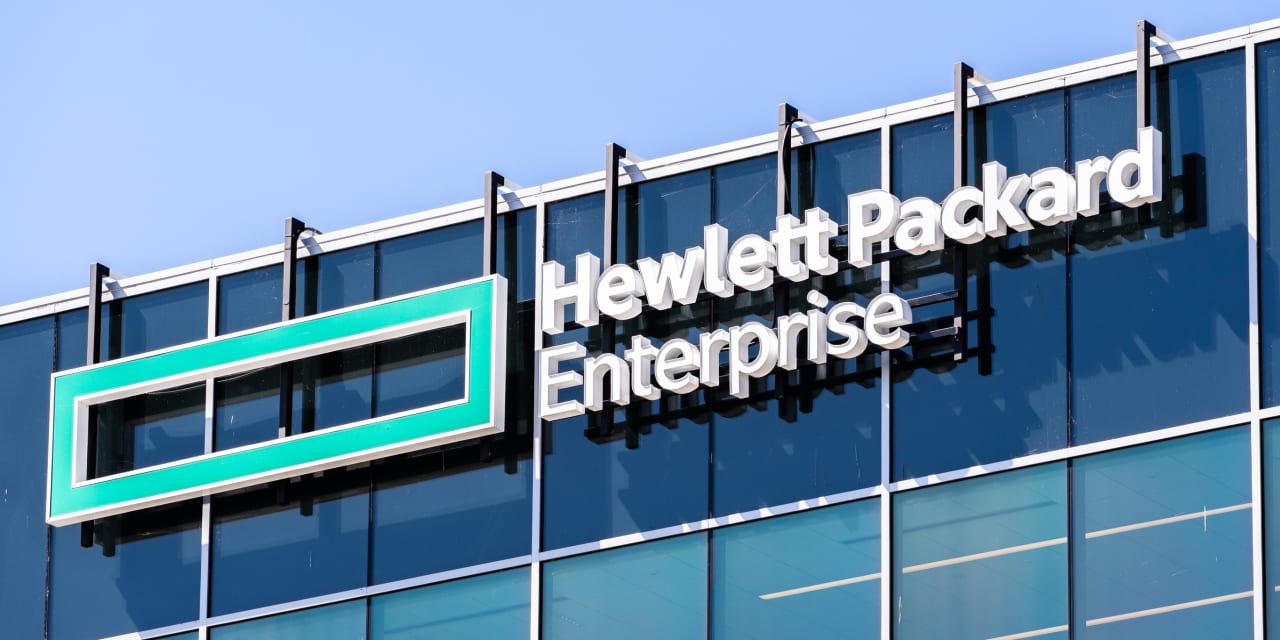
HPE Accelerates Juniper Integration by Launching AI Networking Solutions
- AI Network Expansion: HPE has launched unified AIOps features just five months post-Juniper acquisition, enhancing self-driving operations across HPE Aruba and Juniper networking platforms, significantly boosting performance and scalability for AI workloads.
- New Hardware Introduction: The HPE Juniper Networking QFX5250 switch, with 102.4Tbps bandwidth, connects GPUs in data centers while leveraging liquid cooling and AIOps intelligence to optimize performance and power efficiency for next-gen AI infrastructure.
- Innovative Financing Solutions: HPE Financial Services introduces 0% financing options to lower barriers for organizations adopting AI-native networking, alongside a leasing program offering 10% cash savings, aimed at accelerating the adoption of AI technologies.
- Partnership Extensions: HPE has expanded its collaborations with NVIDIA and AMD to introduce new high-performance networking solutions that facilitate efficient AI factory deployments, enhancing user experiences across various production scenarios.
Trade with 70% Backtested Accuracy
Analyst Views on HPE

About HPE
About the author

GigaCloud Technology's Rating Rises to 96


- Rating Increase: GigaCloud Technology's IBD SmartSelect Composite Rating rose from 94 to 96, indicating an enhancement in the company's competitive edge and investment appeal in the market.
- Market Reaction: The rating upgrade may attract more investor attention, potentially driving up the company's stock price and boosting market confidence.
- Investor Confidence: The high rating reflects analysts' optimistic expectations regarding GigaCloud's future growth potential, which could facilitate increased capital inflow.
- Strategic Implications: This rating improvement signifies the company's ongoing advancements in technological innovation and market performance, helping to elevate its position within the industry.
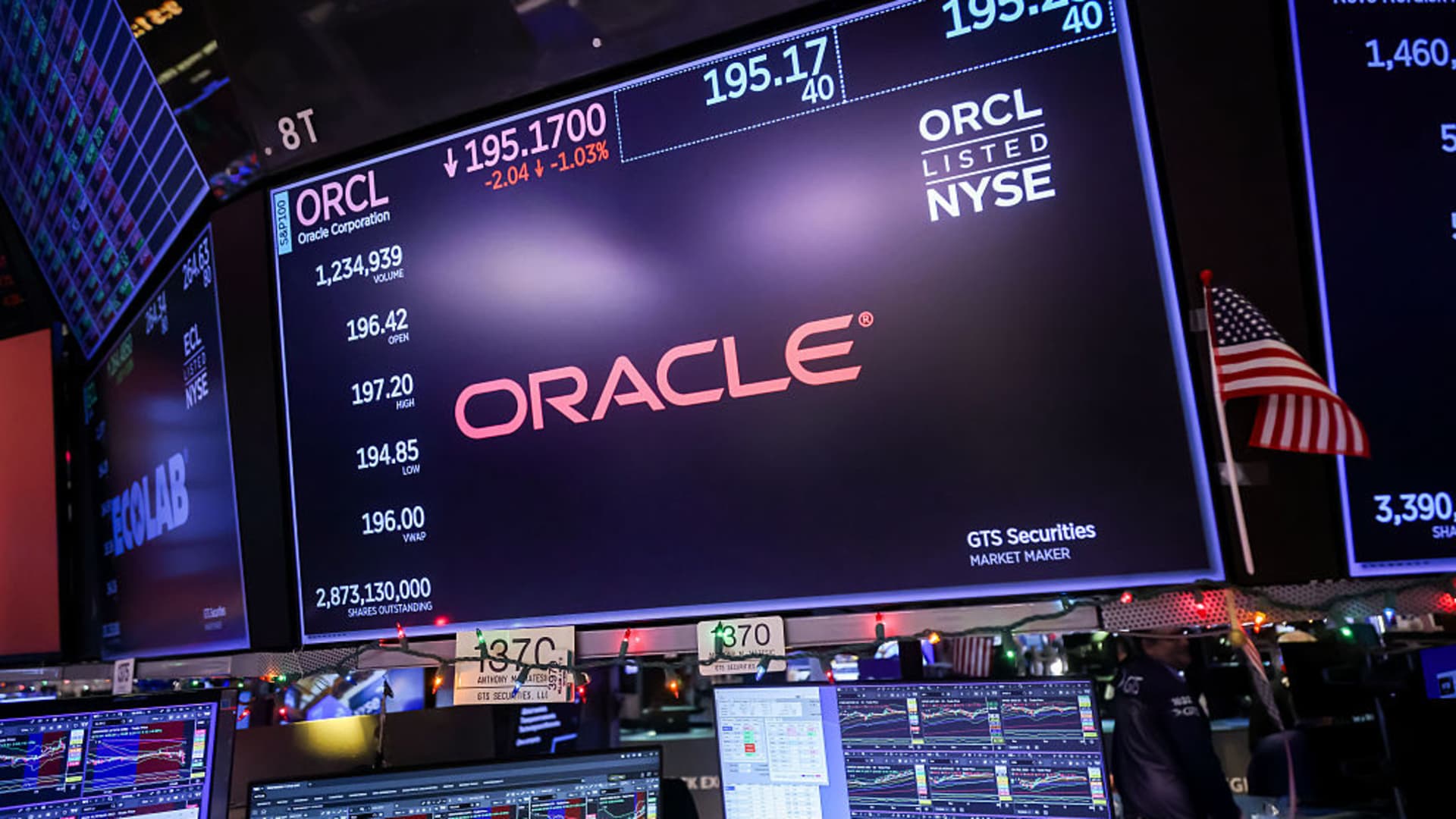
Oracle Cuts Thousands of Jobs to Support AI Infrastructure Development


- Layoff Announcement: Oracle has begun notifying its 162,000 employees about plans to cut thousands of jobs to free up cash flow for AI data center infrastructure development, which is expected to significantly reduce operating costs and enhance financial flexibility.
- Stock Price Reaction: Following the layoff news, Oracle's shares rose 2.6% in early trading, despite being down approximately 25% year-to-date, indicating a cautiously optimistic market response to the company's future strategy.
- Capital Expenditure Pressure: Oracle plans to raise up to $50 billion in 2025 through a mix of debt and equity to meet cloud service demand from clients, particularly from companies like Nvidia and Meta, reflecting strong market demand for AI infrastructure.
- Analyst Perspective: Barclays analysts noted that the layoffs will help free up cash flow and viewed this move as unsurprising, projecting that Oracle could triple its revenue over the next few years, despite lower employee productivity compared to competitors.

Iran Threatens Attacks on U.S. Tech Firms

- Escalating Threats: The Islamic Revolutionary Guard Corps (IRGC) has declared intentions to attack 18 U.S. tech companies, including Nvidia, Apple, Microsoft, and Google, in retaliation for U.S. and Israeli strikes on Iran, indicating a significant escalation in regional tensions.
- Specific Attack Timeline: The IRGC warned that attacks would commence at 8 PM Tehran time on April 1, urging employees at these companies to evacuate immediately to safeguard their lives, highlighting the urgency and potential danger of the situation.
- Vulnerability of Tech Infrastructure: This threat follows Iranian strikes on AWS data centers in the Middle East, which caused outages in several apps and digital services in the UAE, underscoring the vulnerability of U.S. tech firms' infrastructure in the region and its impact on business operations.
- Corporate Response Strategies: Companies like Intel have stated that employee safety is their top priority and are implementing measures to protect their facilities in the Middle East, reflecting their adaptability to geopolitical risks and commitment to employee welfare.

Iran's IRGC Threatens U.S. Tech Firms Amid Rising Tensions

- Expanded Threat Scope: Iran's Islamic Revolutionary Guard Corps (IRGC) has designated 18 U.S. tech companies, including Nvidia, Apple, Microsoft, and Google, as 'legitimate targets' in retaliation for U.S. and Israeli strikes on Iran, highlighting escalating regional tensions.
- Attack Timeline Set: The IRGC announced via Telegram that attacks on these companies would commence at 8 p.m. Tehran time on April 1, warning employees to evacuate workplaces immediately to safeguard their lives, indicating the urgency of their threats.
- Enhanced Security Measures: An Intel spokesperson stated that the safety of their team is the top priority, and the company is implementing measures to protect workers and facilities in the Middle East, reflecting tech firms' strategies in response to security threats.
- Significant Market Impact: As U.S. tech companies have increased investments in the Middle East, particularly in AI infrastructure, the IRGC's threats may compel these firms to reassess their operations and investment strategies in the region, potentially affecting future market positioning.
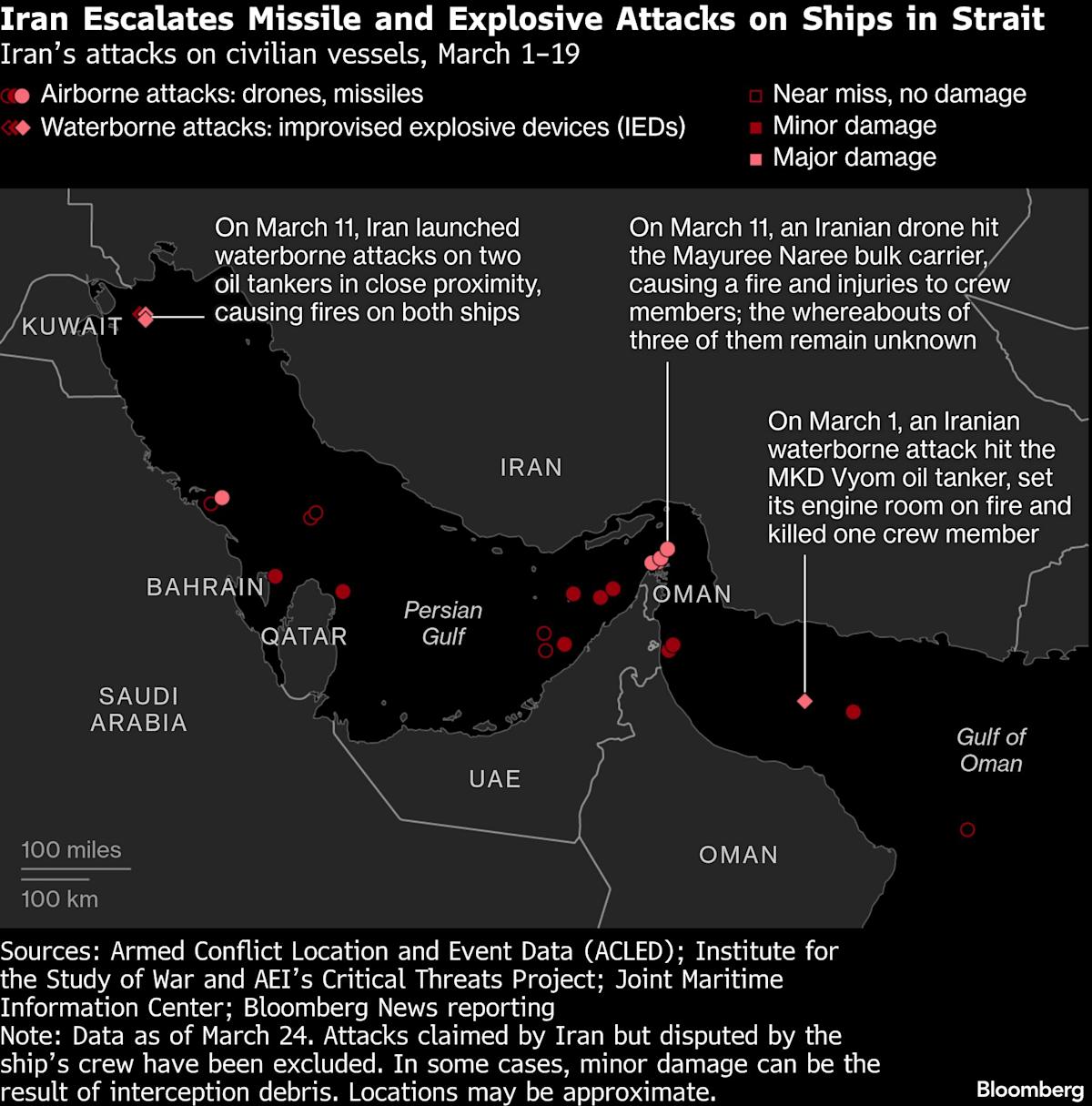
The Iran Conflict May Persist: Current Investment Opportunities for Success.


- Current Market Status: The Nasdaq is currently in a correction, having dropped over 10% from its recent highs.
- Bear Market Concerns: There are increasing fears that the Nasdaq may soon enter a bear market, defined as a decline of 20%.
- Wall Street Perspective: Despite the downturn, there is a common belief on Wall Street that opportunities for profit exist in other sectors.
- Market Sentiment: The overall sentiment reflects anxiety about the tech-heavy index's performance amidst potential further declines.
Locating Profitable Stocks During the Iran War Crisis
Current Market Status: The Nasdaq Composite is currently in a correction, having fallen over 10% from its recent highs.
Bear Market Concerns: There are increasing fears that the index may soon enter a bear market, defined as a decline of 20% or more.
Wall Street Perspective: Despite the downturn, the sentiment on Wall Street remains optimistic, suggesting that there are always opportunities for gains in other sectors.
Investment Outlook: Investors are encouraged to look for potential bull markets in different areas, even amidst the current challenges faced by the tech-heavy index.
GigaCloud Technology's Rating Rises to 96
- Rating Increase: GigaCloud Technology's IBD SmartSelect Composite Rating rose from 94 to 96, indicating an enhancement in the company's competitive edge and investment appeal in the market.
- Market Reaction: The rating upgrade may attract more investor attention, potentially driving up the company's stock price and boosting market confidence.
- Investor Confidence: The high rating reflects analysts' optimistic expectations regarding GigaCloud's future growth potential, which could facilitate increased capital inflow.
- Strategic Implications: This rating improvement signifies the company's ongoing advancements in technological innovation and market performance, helping to elevate its position within the industry.
Oracle Cuts Thousands of Jobs to Support AI Infrastructure Development
- Layoff Announcement: Oracle has begun notifying its 162,000 employees about plans to cut thousands of jobs to free up cash flow for AI data center infrastructure development, which is expected to significantly reduce operating costs and enhance financial flexibility.
- Stock Price Reaction: Following the layoff news, Oracle's shares rose 2.6% in early trading, despite being down approximately 25% year-to-date, indicating a cautiously optimistic market response to the company's future strategy.
- Capital Expenditure Pressure: Oracle plans to raise up to $50 billion in 2025 through a mix of debt and equity to meet cloud service demand from clients, particularly from companies like Nvidia and Meta, reflecting strong market demand for AI infrastructure.
- Analyst Perspective: Barclays analysts noted that the layoffs will help free up cash flow and viewed this move as unsurprising, projecting that Oracle could triple its revenue over the next few years, despite lower employee productivity compared to competitors.
Iran Threatens Attacks on U.S. Tech Firms
- Escalating Threats: The Islamic Revolutionary Guard Corps (IRGC) has declared intentions to attack 18 U.S. tech companies, including Nvidia, Apple, Microsoft, and Google, in retaliation for U.S. and Israeli strikes on Iran, indicating a significant escalation in regional tensions.
- Specific Attack Timeline: The IRGC warned that attacks would commence at 8 PM Tehran time on April 1, urging employees at these companies to evacuate immediately to safeguard their lives, highlighting the urgency and potential danger of the situation.
- Vulnerability of Tech Infrastructure: This threat follows Iranian strikes on AWS data centers in the Middle East, which caused outages in several apps and digital services in the UAE, underscoring the vulnerability of U.S. tech firms' infrastructure in the region and its impact on business operations.
- Corporate Response Strategies: Companies like Intel have stated that employee safety is their top priority and are implementing measures to protect their facilities in the Middle East, reflecting their adaptability to geopolitical risks and commitment to employee welfare.
Iran's IRGC Threatens U.S. Tech Firms Amid Rising Tensions
- Expanded Threat Scope: Iran's Islamic Revolutionary Guard Corps (IRGC) has designated 18 U.S. tech companies, including Nvidia, Apple, Microsoft, and Google, as 'legitimate targets' in retaliation for U.S. and Israeli strikes on Iran, highlighting escalating regional tensions.
- Attack Timeline Set: The IRGC announced via Telegram that attacks on these companies would commence at 8 p.m. Tehran time on April 1, warning employees to evacuate workplaces immediately to safeguard their lives, indicating the urgency of their threats.
- Enhanced Security Measures: An Intel spokesperson stated that the safety of their team is the top priority, and the company is implementing measures to protect workers and facilities in the Middle East, reflecting tech firms' strategies in response to security threats.
- Significant Market Impact: As U.S. tech companies have increased investments in the Middle East, particularly in AI infrastructure, the IRGC's threats may compel these firms to reassess their operations and investment strategies in the region, potentially affecting future market positioning.
The Iran Conflict May Persist: Current Investment Opportunities for Success.
- Current Market Status: The Nasdaq is currently in a correction, having dropped over 10% from its recent highs.
- Bear Market Concerns: There are increasing fears that the Nasdaq may soon enter a bear market, defined as a decline of 20%.
- Wall Street Perspective: Despite the downturn, there is a common belief on Wall Street that opportunities for profit exist in other sectors.
- Market Sentiment: The overall sentiment reflects anxiety about the tech-heavy index's performance amidst potential further declines.
Locating Profitable Stocks During the Iran War Crisis
Current Market Status: The Nasdaq Composite is currently in a correction, having fallen over 10% from its recent highs.
Bear Market Concerns: There are increasing fears that the index may soon enter a bear market, defined as a decline of 20% or more.
Wall Street Perspective: Despite the downturn, the sentiment on Wall Street remains optimistic, suggesting that there are always opportunities for gains in other sectors.
Investment Outlook: Investors are encouraged to look for potential bull markets in different areas, even amidst the current challenges faced by the tech-heavy index.