Understanding the Cost of Sam's Club Membership: A Comparison of Club and Plus Options
Membership Options: Sam's Club offers two membership tiers—Club ($50, currently $15) and Plus ($110, currently $50)—both cheaper than Costco's equivalents, with various perks including free curbside pickup and shipping options.
Additional Benefits for Plus Members: Plus members receive extra benefits such as 2% cash back on purchases, exclusive shopping hours, and free delivery on orders over $50, along with access to generic prescription medications.
Frequent Discounts: Unlike Costco, Sam's Club frequently offers discounts on membership fees, especially during holiday seasons, making it accessible for new members, including specific groups like seniors and military personnel.
Membership Purchase Options: Memberships can be purchased online, through the Sam's Club app, or in-store, with various payment methods accepted, including cash and checks.
Trade with 70% Backtested Accuracy
Analyst Views on COST

About COST
About the author

Costco's Share Price Surpasses $1,000 Mark
- Stock Performance: Costco's share price is currently around $1,000, which may shock some investors; however, this price does not indicate overvaluation but rather reflects the company's strong market performance and stable financial health.
- Financial Metrics: In its recent second-quarter earnings report, Costco achieved a 7.4% year-over-year increase in net sales and a remarkable 22.6% growth in digital sales, with net income exceeding $2 billion and diluted earnings per share at $4.58, showcasing the company's sustained profitability and growth potential.
- Dividend Increase: On April 15, Costco announced a $0.17 increase in its quarterly cash dividend, bringing the annual payout to $5.88 per share, which enhances investor return expectations and reflects the company's strong cash flow and profitability.
- Competitive Advantage: With a membership renewal rate exceeding 90%, Costco enjoys predictable cash flow and can offer lower prices, as evidenced by Consumer Reports indicating its prices are 21.4% lower than Walmart's, establishing a strong competitive moat in the retail sector.

Costco's Future Expansion and Valuation Challenges
- Performance Review: Costco has achieved a total return of 688% over the past decade, yet its current stock price is 7% below its all-time high from February 2025, indicating a gap between market expectations and actual growth potential.
- Expansion Plans: The company aims to open over 30 new warehouses annually, an increase from the planned 28 in fiscal 2026, which is intended to grow its membership base and drive future sales and earnings, although expanding from a $270 billion sales base poses significant challenges.
- Valuation Concerns: With a price-to-earnings ratio of 52.2, Costco's stock reflects lofty market expectations that may deter investors, particularly those seeking long-term investment opportunities with substantial growth potential.
- Dividend Growth: Over the past decade, Costco has increased its dividend by 189%, demonstrating its strong profitability and cash flow, although the current market conditions necessitate a cautious approach to investing in its stock.
Costco Stock Investment Outlook Analysis
- Stock Performance: As of April 22, Costco has generated a total return of 688% over the past decade, yet its stock is currently nearly 7% off its all-time high from February 2025, indicating a lack of short-term upward momentum.
- Valuation Concerns: With a price-to-earnings ratio of 52.2, Costco reflects lofty market expectations that pose significant risks for investors, particularly when seeking long-term investment returns amidst such high valuations.
- Expansion Plans: Despite challenges related to valuation and scale, Costco plans to open over 30 new warehouses annually, an increase from the 28 planned for fiscal 2026, which will help expand its membership base and drive future sales and earnings growth.
- Investment Strategy: While Costco is an outstanding company, investors should keep its stock on a watchlist and wait for a significant pullback before investing, as this will test patience and discipline, critical traits for long-term success in the stock market.
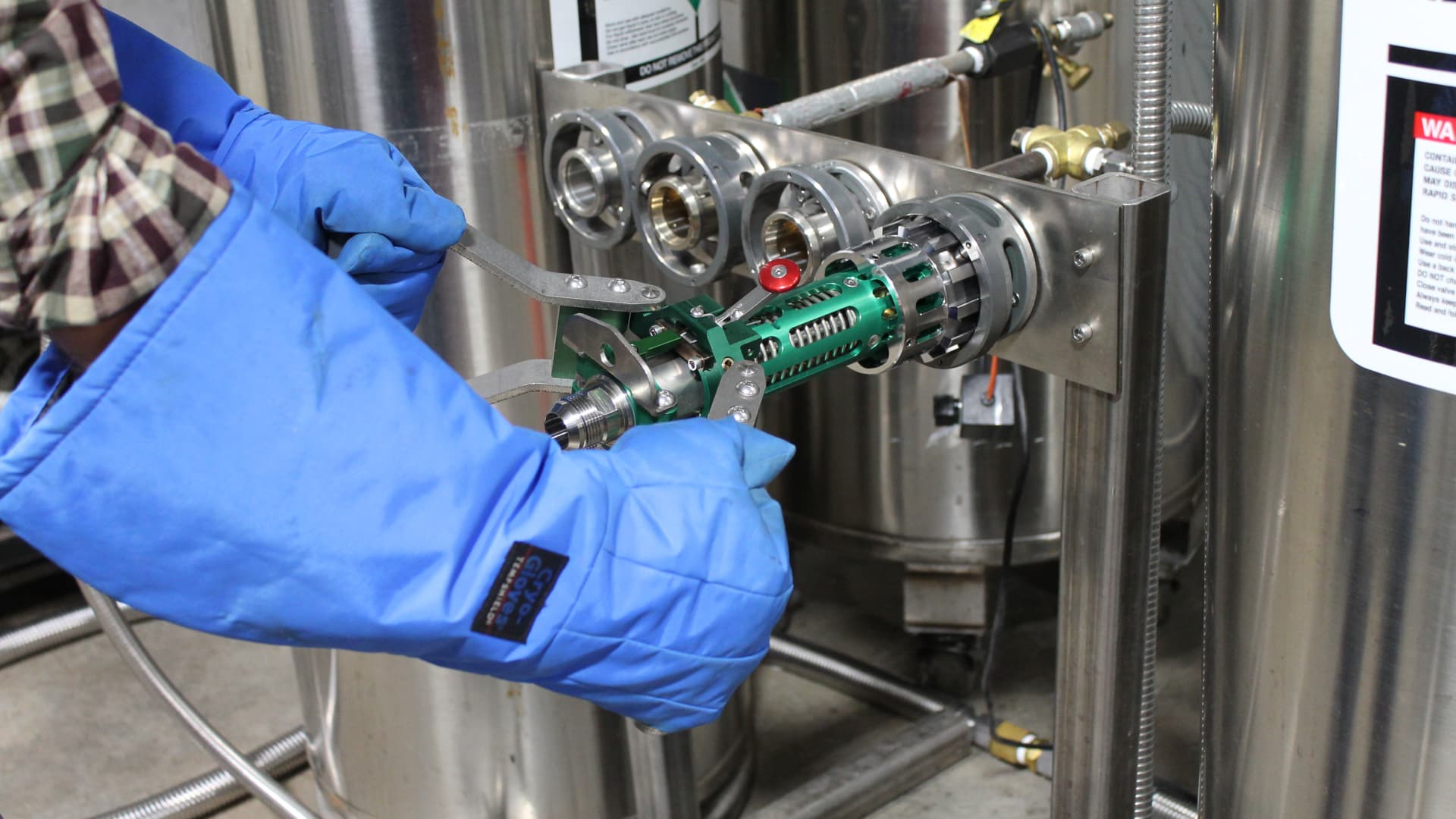
Dover Reports Strong Q1 Results with Double-Digit Earnings Growth

- Significant Revenue Growth: Dover's Q1 revenue rose 10% year-over-year to $2.05 billion, exceeding the LSEG consensus of $2 billion, indicating strong market performance and robust customer demand.
- Surge in Orders: The company reported a 24% year-over-year increase in orders to $2.5 billion, signaling strong market demand and effective order fulfillment capabilities, which further boosts investor confidence in Dover's future performance.
- Improved Profitability: Adjusted earnings per share (EPS) reached $2.28, beating expectations by 2 cents and reflecting an 11.2% increase from the previous year, showcasing the company's success in cost control and operational efficiency.
- Optimistic Market Outlook: Dover anticipates over $1 billion in revenue by 2026 from AI and power infrastructure applications, representing 11.5% of total revenue, highlighting the company's strategic positioning and growth potential in emerging markets.

Costco Stock Rises 17% Amid Competitive Consumer Goods Analysis

- Costco Stock Performance: In 2026, Costco's stock surged approximately 17%, reflecting investor preference for defensive consumer goods stocks, although its high valuation at 49 times earnings poses risks.
- Coca-Cola's Strength: Coca-Cola's stock is up 7% year-to-date, offering a stable sales outlook and a 2.8% dividend yield at a 23 times P/E ratio, with management forecasting 4% to 5% organic revenue growth for 2026, indicating further margin expansion.
- Dollar General's Resilient Growth: Dollar General has consistently achieved same-store sales growth over the past 36 years, trading at a 17 times P/E ratio in 2026, with a 1.90% dividend yield reflecting its strong competitive position in rural markets.
- TJX Companies' Expansion Potential: TJX operates over 5,200 stores globally, generating over $60 billion in annual sales, with same-store sales growth between 4% and 5%, showcasing resilience in the discount retail market and significant expansion potential.

Analysis of Coca-Cola and Other Consumer Goods Companies
- Coca-Cola's Market Strength: Coca-Cola generates $48 billion in annual sales with an estimated 2.2 billion servings consumed daily, leveraging strong retail relationships and brand influence to drive sales growth, with a projected 4% to 5% organic revenue growth in 2026, suggesting further margin expansion.
- Dividend King Status: Coca-Cola has increased its dividend for 64 consecutive years, currently offering a 2.8% dividend yield supported by a 67% payout ratio, showcasing its stable cash flow and long-term investment value.
- Dollar General's Resilience: Dollar General has achieved consistent same-store sales growth over the past 36 years, with last year's sales reaching $42 billion and a same-store sales growth rate of 3%, demonstrating its strong competitive position in rural America.
- TJX Companies' Expansion Potential: TJX operates over 5,200 stores globally with annual sales exceeding $60 billion, maintaining a same-store sales growth rate of 4% to 5% despite economic challenges, with management targeting an expansion to over 7,000 stores, indicating robust growth potential.
Costco's Share Price Surpasses $1,000 Mark
- Stock Performance: Costco's share price is currently around $1,000, which may shock some investors; however, this price does not indicate overvaluation but rather reflects the company's strong market performance and stable financial health.
- Financial Metrics: In its recent second-quarter earnings report, Costco achieved a 7.4% year-over-year increase in net sales and a remarkable 22.6% growth in digital sales, with net income exceeding $2 billion and diluted earnings per share at $4.58, showcasing the company's sustained profitability and growth potential.
- Dividend Increase: On April 15, Costco announced a $0.17 increase in its quarterly cash dividend, bringing the annual payout to $5.88 per share, which enhances investor return expectations and reflects the company's strong cash flow and profitability.
- Competitive Advantage: With a membership renewal rate exceeding 90%, Costco enjoys predictable cash flow and can offer lower prices, as evidenced by Consumer Reports indicating its prices are 21.4% lower than Walmart's, establishing a strong competitive moat in the retail sector.
Costco's Future Expansion and Valuation Challenges
- Performance Review: Costco has achieved a total return of 688% over the past decade, yet its current stock price is 7% below its all-time high from February 2025, indicating a gap between market expectations and actual growth potential.
- Expansion Plans: The company aims to open over 30 new warehouses annually, an increase from the planned 28 in fiscal 2026, which is intended to grow its membership base and drive future sales and earnings, although expanding from a $270 billion sales base poses significant challenges.
- Valuation Concerns: With a price-to-earnings ratio of 52.2, Costco's stock reflects lofty market expectations that may deter investors, particularly those seeking long-term investment opportunities with substantial growth potential.
- Dividend Growth: Over the past decade, Costco has increased its dividend by 189%, demonstrating its strong profitability and cash flow, although the current market conditions necessitate a cautious approach to investing in its stock.
Costco Stock Investment Outlook Analysis
- Stock Performance: As of April 22, Costco has generated a total return of 688% over the past decade, yet its stock is currently nearly 7% off its all-time high from February 2025, indicating a lack of short-term upward momentum.
- Valuation Concerns: With a price-to-earnings ratio of 52.2, Costco reflects lofty market expectations that pose significant risks for investors, particularly when seeking long-term investment returns amidst such high valuations.
- Expansion Plans: Despite challenges related to valuation and scale, Costco plans to open over 30 new warehouses annually, an increase from the 28 planned for fiscal 2026, which will help expand its membership base and drive future sales and earnings growth.
- Investment Strategy: While Costco is an outstanding company, investors should keep its stock on a watchlist and wait for a significant pullback before investing, as this will test patience and discipline, critical traits for long-term success in the stock market.
Dover Reports Strong Q1 Results with Double-Digit Earnings Growth
- Significant Revenue Growth: Dover's Q1 revenue rose 10% year-over-year to $2.05 billion, exceeding the LSEG consensus of $2 billion, indicating strong market performance and robust customer demand.
- Surge in Orders: The company reported a 24% year-over-year increase in orders to $2.5 billion, signaling strong market demand and effective order fulfillment capabilities, which further boosts investor confidence in Dover's future performance.
- Improved Profitability: Adjusted earnings per share (EPS) reached $2.28, beating expectations by 2 cents and reflecting an 11.2% increase from the previous year, showcasing the company's success in cost control and operational efficiency.
- Optimistic Market Outlook: Dover anticipates over $1 billion in revenue by 2026 from AI and power infrastructure applications, representing 11.5% of total revenue, highlighting the company's strategic positioning and growth potential in emerging markets.
Costco Stock Rises 17% Amid Competitive Consumer Goods Analysis
- Costco Stock Performance: In 2026, Costco's stock surged approximately 17%, reflecting investor preference for defensive consumer goods stocks, although its high valuation at 49 times earnings poses risks.
- Coca-Cola's Strength: Coca-Cola's stock is up 7% year-to-date, offering a stable sales outlook and a 2.8% dividend yield at a 23 times P/E ratio, with management forecasting 4% to 5% organic revenue growth for 2026, indicating further margin expansion.
- Dollar General's Resilient Growth: Dollar General has consistently achieved same-store sales growth over the past 36 years, trading at a 17 times P/E ratio in 2026, with a 1.90% dividend yield reflecting its strong competitive position in rural markets.
- TJX Companies' Expansion Potential: TJX operates over 5,200 stores globally, generating over $60 billion in annual sales, with same-store sales growth between 4% and 5%, showcasing resilience in the discount retail market and significant expansion potential.
Analysis of Coca-Cola and Other Consumer Goods Companies
- Coca-Cola's Market Strength: Coca-Cola generates $48 billion in annual sales with an estimated 2.2 billion servings consumed daily, leveraging strong retail relationships and brand influence to drive sales growth, with a projected 4% to 5% organic revenue growth in 2026, suggesting further margin expansion.
- Dividend King Status: Coca-Cola has increased its dividend for 64 consecutive years, currently offering a 2.8% dividend yield supported by a 67% payout ratio, showcasing its stable cash flow and long-term investment value.
- Dollar General's Resilience: Dollar General has achieved consistent same-store sales growth over the past 36 years, with last year's sales reaching $42 billion and a same-store sales growth rate of 3%, demonstrating its strong competitive position in rural America.
- TJX Companies' Expansion Potential: TJX operates over 5,200 stores globally with annual sales exceeding $60 billion, maintaining a same-store sales growth rate of 4% to 5% despite economic challenges, with management targeting an expansion to over 7,000 stores, indicating robust growth potential.