How Is Tapestry’s Stock Performance Compared to Other Luxury Stocks?
Written by Emily J. Thompson, Senior Investment Analyst
Updated: Dec 30 2024
0mins


Should l Buy PVH?
Source: NASDAQ.COM
Tapestry, Inc. Performance: Tapestry, Inc., a luxury fashion house with a market cap of $15.4 billion, has seen its stock soar 79.1% over the past year, significantly outperforming competitors and the broader luxury index, driven by successful strategies to attract younger consumers.
Merger Termination Impact: Following the termination of its planned $8.5 billion merger with Capri Holdings due to antitrust objections, TPR shares surged over 12%, leading gains in the S&P 500, while analysts maintain a "Moderate Buy" consensus rating for the stock.
Trade with 70% Backtested Accuracy
Stop guessing "Should I Buy PVH?" and start using high-conviction signals backed by rigorous historical data.
Sign up today to access powerful investing tools and make smarter, data-driven decisions.
Analyst Views on PVH
Wall Street analysts forecast PVH stock price to rise
13 Analyst Rating
6 Buy
7 Hold
0 Sell
Moderate Buy
Current: 65.820

Low
80.00
Averages
94.36
High
148.00
Current: 65.820
Low
80.00
Averages
94.36
High
148.00
About PVH
PVH Corp. is an apparel company that designs and markets branded sportswear (casual apparel), jeanswear, intimate apparel, swimwear, handbags, accessories, footwear and other related products. Its segments include Americas, Europe, the Middle East and Africa, Asia-Pacific, and Licensing. Its three main businesses include Tommy Hilfiger, which consists of the Tommy Hilfiger North America and Tommy Hilfiger International segments; Calvin Klein, which consists of the Calvin Klein North America and Calvin Klein International segments; and Heritage Brands, which consists of the Heritage Brands Wholesale segment. Its operations outside North America consist of wholesale sales under its owned and licensed trademarks, and retail stores operations, and digital commerce sites under its TOMMY HILFIGER and Calvin Klein trademarks. Its licensing activities include TOMMY HILFIGER and Calvin Klein trademark licensing for a broad array of product categories and for use in certain territories.
About the author

Emily J. Thompson
Emily J. Thompson, a Chartered Financial Analyst (CFA) with 12 years in investment research, graduated with honors from the Wharton School. Specializing in industrial and technology stocks, she provides in-depth analysis for Intellectia’s earnings and market brief reports.

Shift in Corporate Investments in DEI and ESG Initiatives

- Investment Trends: According to Just Capital's annual rankings, companies continue to increase investments in areas such as workers, communities, and the environment despite political and legal pressures, indicating a focus on long-term benefits.
- Employee Benefits Enhancement: Hewlett Packard stands out for its employee benefits, offering flexible time-off policies and 12 weeks of paid leave, aimed at improving employee economic well-being and job satisfaction.
- Minimum Wage Increase: The average minimum wage in the Russell 1000 has risen from $16.92 to $17.27, with more companies publicly disclosing their minimum wage, reflecting a growing emphasis on employee economic conditions.
- Decline in Transparency: While companies are ramping up investments in workforce initiatives, there has been a decline in disclosures related to diversity and climate issues, highlighting the complex balance companies face between external pressures and internal goals.
See More

PVH Corp. Schedules Q4 and Year-End 2025 Earnings Release

- Earnings Release Schedule: PVH Corp. announced it will release its Q4 and year-end 2025 earnings results on March 31, 2026, after market close, demonstrating the company's commitment to transparency and investor communication.
- Conference Call Details: The company will host a conference call on April 1, 2026, at 9:00 A.M. Eastern Time, led by CEO Stefan Larsson and Interim CFO Melissa Stone, aimed at providing in-depth discussions on the earnings report to bolster investor confidence.
- Live Webcast Availability: The conference call will be broadcast live over the Internet, with a link available on PVH's website under the Investors section, ensuring broad dissemination and accessibility of information to stakeholders.
- Forward-Looking Statements: The call will include forward-looking statements reflecting the company's views on future financial performance, emphasizing a cautious approach amid uncertainties regarding future operational results.
See More
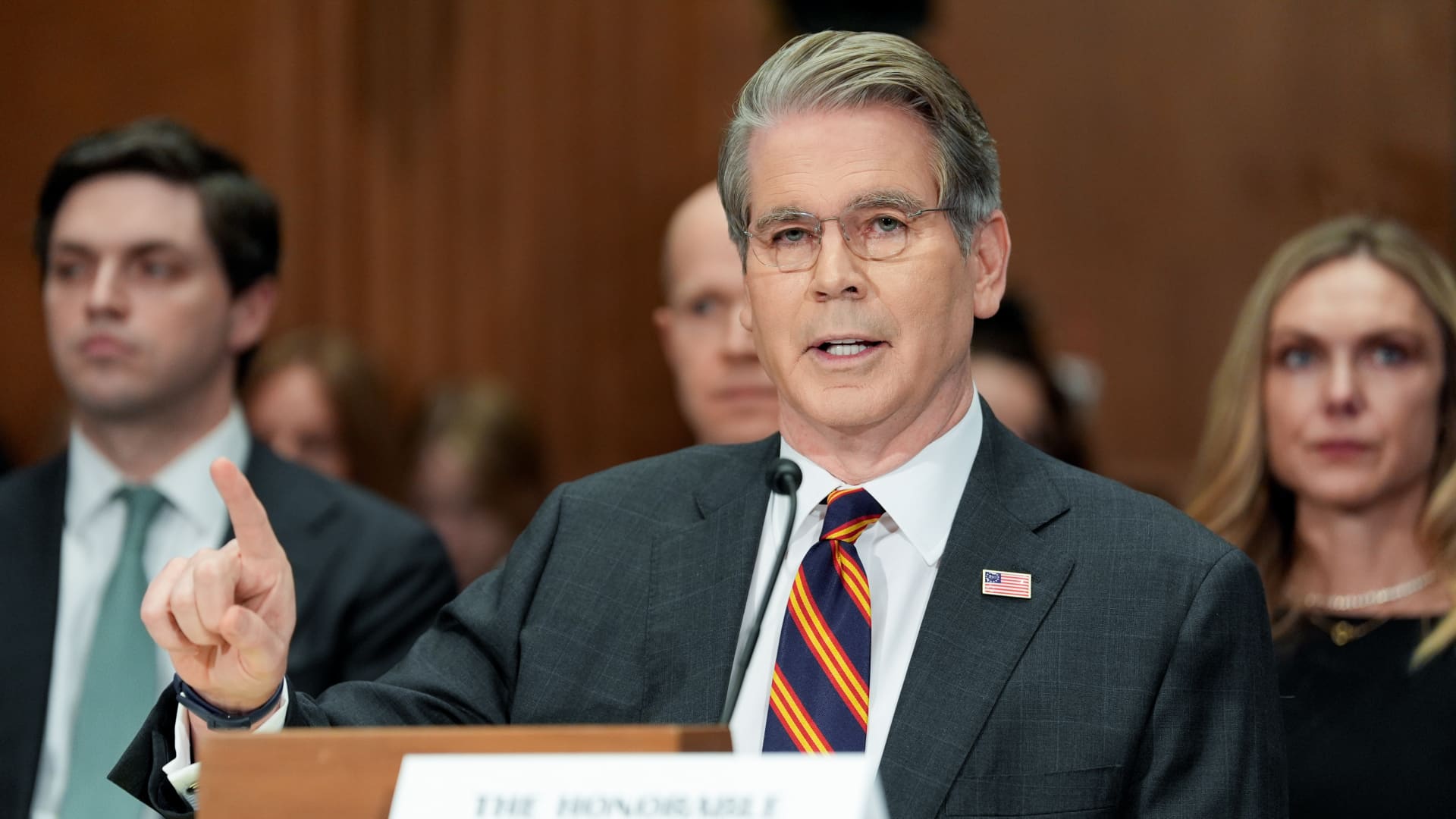
US Launches Trade Investigations into 60 Economies for Forced Labor

- Trade Investigations Launched: The U.S. initiated new trade investigations into 60 economies on Thursday to assess whether they have failed to curb imports of goods made with forced labor, a move that could impact trade relations with countries like China and the EU.
- Legal Basis: These investigations are conducted under Section 301(b) of the Trade Act of 1974, allowing the U.S. to impose tariffs on countries found engaging in unfair trade practices without congressional authorization, reflecting a tough stance in U.S. trade policy.
- International Response: The U.S. Trade Representative stated that despite international consensus against forced labor, governments have inadequately enforced bans on such goods, which could negatively affect U.S. workers and businesses.
- Impact on Future Negotiations: Launching these investigations just before the upcoming Trump-Xi meeting may affect the negotiation atmosphere, with experts suggesting that unilateral measures could hinder consensus, emphasizing the need for cooperative solutions.
See More

G-III Apparel Reports Disappointing Q4 Earnings, Shares Drop 10%

- Revenue Decline: G-III Apparel's Q4 revenue fell 8.1% to $771.5 million, missing the market expectation of $792 million, primarily due to the loss of licenses for Tommy Hilfiger and Calvin Klein, indicating short-term challenges from brand consolidation.
- Gross Margin Erosion: The company's gross profit dropped 13% to $285.4 million, reflecting the need to markdown inventory in a weak consumer spending environment, which further impacted profitability.
- Significant EPS Drop: Adjusted earnings per share plummeted from $1.27 to $0.30, falling short of the analyst consensus of $0.59, which included a $0.30 per share hit from bad debt expenses related to Saks' bankruptcy, highlighting increased financial pressure.
- Pessimistic Outlook: For fiscal 2027, revenue is expected to decline to $2.71 billion from $2.96 billion last year, with adjusted EPS projected between $2.00 and $2.10, significantly below the analyst forecast of $2.93, reflecting the substantial impact of brand losses on future performance.
See More
Calvin Klein Launches Spring 2026 Denim Campaign Featuring Jung Kook
- Global Ambassador: Calvin Klein announces a collaboration with BTS member Jung Kook for its Spring 2026 denim campaign, leveraging his global influence to enhance brand image and attract young consumers.
- Fashion and Entertainment Fusion: Directed by Mert Alas, the campaign combines music and dance to showcase Jung Kook's unique style, aiming to strengthen the brand's market competitiveness through high-impact visual storytelling.
- Product Features: The new collection includes 90s-inspired Straight jeans, Baggy styles, and reimagined Trucker jackets, emphasizing versatility and modernity, which is expected to drive sales growth and enhance brand loyalty.
- Global Launch Plan: The collection will launch globally on February 24 across Calvin Klein retail stores and social platforms, reinforcing brand visibility in the global market and supporting future sales growth.
See More
Calvin Klein Launches New Fragrance Line Featuring Rosalía

- Brand Ambassador: Global superstar ROSALÍA has been appointed as the face of Calvin Klein's new fragrance line, euphoria elixirs, aiming to leverage her influence to attract younger consumers and enhance brand image.
- Product Launch: The euphoria elixirs collection features three distinct parfum intense creations, showcasing the brand's innovation in the fragrance market and expected to appeal to consumers seeking high-end scents.
- Market Strategy: By collaborating with a renowned artist, Calvin Klein aims to strengthen its position in the competitive fragrance market while expanding its reach through ROSALÍA's fan base.
- Brand Synergy: This partnership not only elevates Calvin Klein's brand visibility but may also drive sales growth for Coty Inc., further solidifying its market share in the fragrance industry.
See More
Shift in Corporate Investments in DEI and ESG Initiatives
- Investment Trends: According to Just Capital's annual rankings, companies continue to increase investments in areas such as workers, communities, and the environment despite political and legal pressures, indicating a focus on long-term benefits.
- Employee Benefits Enhancement: Hewlett Packard stands out for its employee benefits, offering flexible time-off policies and 12 weeks of paid leave, aimed at improving employee economic well-being and job satisfaction.
- Minimum Wage Increase: The average minimum wage in the Russell 1000 has risen from $16.92 to $17.27, with more companies publicly disclosing their minimum wage, reflecting a growing emphasis on employee economic conditions.
- Decline in Transparency: While companies are ramping up investments in workforce initiatives, there has been a decline in disclosures related to diversity and climate issues, highlighting the complex balance companies face between external pressures and internal goals.
See More
PVH Corp. Schedules Q4 and Year-End 2025 Earnings Release
- Earnings Release Schedule: PVH Corp. announced it will release its Q4 and year-end 2025 earnings results on March 31, 2026, after market close, demonstrating the company's commitment to transparency and investor communication.
- Conference Call Details: The company will host a conference call on April 1, 2026, at 9:00 A.M. Eastern Time, led by CEO Stefan Larsson and Interim CFO Melissa Stone, aimed at providing in-depth discussions on the earnings report to bolster investor confidence.
- Live Webcast Availability: The conference call will be broadcast live over the Internet, with a link available on PVH's website under the Investors section, ensuring broad dissemination and accessibility of information to stakeholders.
- Forward-Looking Statements: The call will include forward-looking statements reflecting the company's views on future financial performance, emphasizing a cautious approach amid uncertainties regarding future operational results.
See More
US Launches Trade Investigations into 60 Economies for Forced Labor
- Trade Investigations Launched: The U.S. initiated new trade investigations into 60 economies on Thursday to assess whether they have failed to curb imports of goods made with forced labor, a move that could impact trade relations with countries like China and the EU.
- Legal Basis: These investigations are conducted under Section 301(b) of the Trade Act of 1974, allowing the U.S. to impose tariffs on countries found engaging in unfair trade practices without congressional authorization, reflecting a tough stance in U.S. trade policy.
- International Response: The U.S. Trade Representative stated that despite international consensus against forced labor, governments have inadequately enforced bans on such goods, which could negatively affect U.S. workers and businesses.
- Impact on Future Negotiations: Launching these investigations just before the upcoming Trump-Xi meeting may affect the negotiation atmosphere, with experts suggesting that unilateral measures could hinder consensus, emphasizing the need for cooperative solutions.
See More
G-III Apparel Reports Disappointing Q4 Earnings, Shares Drop 10%
- Revenue Decline: G-III Apparel's Q4 revenue fell 8.1% to $771.5 million, missing the market expectation of $792 million, primarily due to the loss of licenses for Tommy Hilfiger and Calvin Klein, indicating short-term challenges from brand consolidation.
- Gross Margin Erosion: The company's gross profit dropped 13% to $285.4 million, reflecting the need to markdown inventory in a weak consumer spending environment, which further impacted profitability.
- Significant EPS Drop: Adjusted earnings per share plummeted from $1.27 to $0.30, falling short of the analyst consensus of $0.59, which included a $0.30 per share hit from bad debt expenses related to Saks' bankruptcy, highlighting increased financial pressure.
- Pessimistic Outlook: For fiscal 2027, revenue is expected to decline to $2.71 billion from $2.96 billion last year, with adjusted EPS projected between $2.00 and $2.10, significantly below the analyst forecast of $2.93, reflecting the substantial impact of brand losses on future performance.
See More
Calvin Klein Launches Spring 2026 Denim Campaign Featuring Jung Kook
- Global Ambassador: Calvin Klein announces a collaboration with BTS member Jung Kook for its Spring 2026 denim campaign, leveraging his global influence to enhance brand image and attract young consumers.
- Fashion and Entertainment Fusion: Directed by Mert Alas, the campaign combines music and dance to showcase Jung Kook's unique style, aiming to strengthen the brand's market competitiveness through high-impact visual storytelling.
- Product Features: The new collection includes 90s-inspired Straight jeans, Baggy styles, and reimagined Trucker jackets, emphasizing versatility and modernity, which is expected to drive sales growth and enhance brand loyalty.
- Global Launch Plan: The collection will launch globally on February 24 across Calvin Klein retail stores and social platforms, reinforcing brand visibility in the global market and supporting future sales growth.
See More
Calvin Klein Launches New Fragrance Line Featuring Rosalía
- Brand Ambassador: Global superstar ROSALÍA has been appointed as the face of Calvin Klein's new fragrance line, euphoria elixirs, aiming to leverage her influence to attract younger consumers and enhance brand image.
- Product Launch: The euphoria elixirs collection features three distinct parfum intense creations, showcasing the brand's innovation in the fragrance market and expected to appeal to consumers seeking high-end scents.
- Market Strategy: By collaborating with a renowned artist, Calvin Klein aims to strengthen its position in the competitive fragrance market while expanding its reach through ROSALÍA's fan base.
- Brand Synergy: This partnership not only elevates Calvin Klein's brand visibility but may also drive sales growth for Coty Inc., further solidifying its market share in the fragrance industry.
See More