The Rise of Byron Trott as Warren Buffett's Preferred Banker Among America's Elite Families


Byron Trott's Role: Byron Trott, a prominent banker, has guided many family-led companies, helping them transition from struggling startups to successful enterprises, and is recognized for his deep understanding of clients' needs.
BDT & MSD Partners: Trott's firm, formed from a merger, focuses on advising wealthy families on investments, capital raising, and diversifying their wealth, managing around $70 billion and emphasizing long-term investment strategies.
Trends in Family Offices: Wealthy families are increasingly interested in direct investing and establishing family offices with clear objectives, while also navigating the complexities of succession and values-based investing for the next generation.
Cultural and Financial Synergy: The merging of traditional family businesses with modern tech entrepreneurs fosters a unique environment where both parties can learn from each other, emphasizing the importance of values and social impact in wealth management.
Trade with 70% Backtested Accuracy
Analyst Views on GS

About GS
About the author

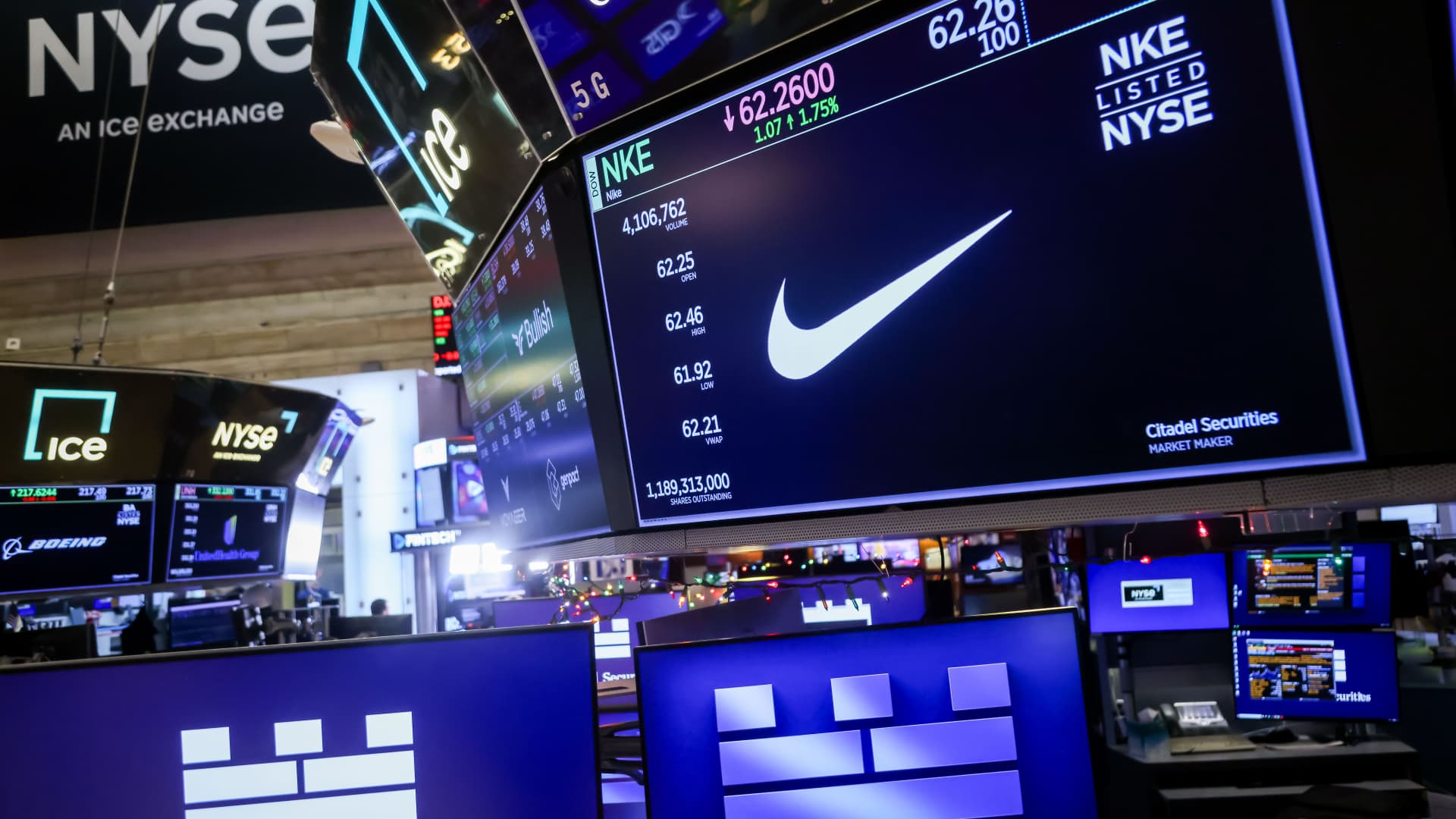
Nike's Earnings Miss Expectations, Shares Plunge 14%

- Sales Forecast Downgrade: Nike anticipates a sales decline of 2% to 4% for the current quarter, significantly worse than the 1.9% growth analysts expected, primarily due to a projected 20% drop in China, negatively impacting overall performance.
- Gross Margin Decline: Nike's gross margin has fallen for seven consecutive quarters, and rising input costs due to the Middle East conflict may complicate future margin recovery, potentially affecting profitability.
- Market Reaction: The slow turnaround has led to downgrades from three major Wall Street banks, indicating diminishing investor patience regarding the company's growth prospects, especially with an unclear timeline for sales recovery.
- Management's Lack of Confidence: Although management expresses optimism about recovery in North America, the vague timeline for achieving balanced growth suggests ongoing challenges, with CEO Hill acknowledging that the recovery process is more complex than anticipated.

Eli Lilly Gains FDA Approval, Shares Rise


- FDA Drug Approval: Eli Lilly's once-daily GLP-1 pill Foundayo received FDA approval, leading to a 4% rise in shares, which will enhance the company's competitive edge in the obesity treatment market and drive future sales growth.
- Cybersecurity Incident Impact: Hasbro's shares fell over 4% due to a cybersecurity incident involving unauthorized network access, with the company investigating the full impact and implementing protective measures, potentially increasing operational costs in the short term.
- Tobacco Product Delay: Philip Morris International's shares dropped more than 5% after the FDA delayed authorization for nicotine pouch sales, which may hinder the company's future market expansion plans, particularly among new user demographics.
- Semiconductor Buyback Plan: Intel announced a $14.2 billion buyback of a 49% stake in its Ireland Fab 34 joint venture, resulting in a 9% increase in shares, with funding sourced from cash on hand and approximately $6.5 billion in new debt, expected to strengthen its position in the global semiconductor market.
Market Watch: Corporate Dynamics and Analysis

- Nike's Disappointing Performance: Despite beating revenue and earnings expectations, Nike issued weak guidance due to inventory issues and a slowdown in North American growth, prompting downgrades from Goldman, JPMorgan, and Bank of America, reflecting market concerns about its future performance.
- RH's Poor Earnings Report: Luxury home furnishings maker RH fell short on key metrics in its fourth quarter, and its current quarter guidance was also weak, impacted by tariffs and a sluggish housing market, leading to an 18% drop in shares, although its full-year cash flow guidance improved, the overall outlook remains bleak.
- Arm's Price Target Increase: Wells Fargo raised Arm's price target from $165 to $175, with analysts optimistic about Arm's entry into the data center CPU market with its first in-house silicon offering, reiterating a buy rating, indicating strong market confidence in its competition against Intel and AMD.
- Boeing Stock Rating Upgrade: Wells Fargo upgraded Boeing's stock to buy with a price target of $250, implying over 25% upside from yesterday's close, as analysts favor Boeing's free cash flow recovery and overall turnaround under CEO Kelly Ortberg, suggesting potential returns for investors.
Latest Wall Street Ratings Overview


- Boeing Rating: Wells Fargo initiates coverage of Boeing with a Buy rating, forecasting a significant recovery in free cash flow as production normalizes, setting a price target of $250 based on a 20x FCF multiple on its 2028 forecast, indicating strong confidence in future growth.
- Disney Upgrade: Raymond James upgrades Disney from Market Perform to Outperform with a price target of $115, viewing the current macro backdrop and international visitation challenges as an attractive investment opportunity, reflecting optimism about its valuation.
- Microsoft Buy Rating: Benchmark initiates Microsoft with a Buy rating and a price target of $450, describing it as a juggernaut in artificial intelligence, leveraging its comprehensive portfolio of digital applications and cloud services to drive enterprise and consumer transformation, showcasing its strong market position.
- Algonquin Power Rating: Barclays initiates coverage of Algonquin Power & Utilities with an Overweight rating, citing the company's undervaluation and strong turnaround potential, indicating market confidence in its future performance.
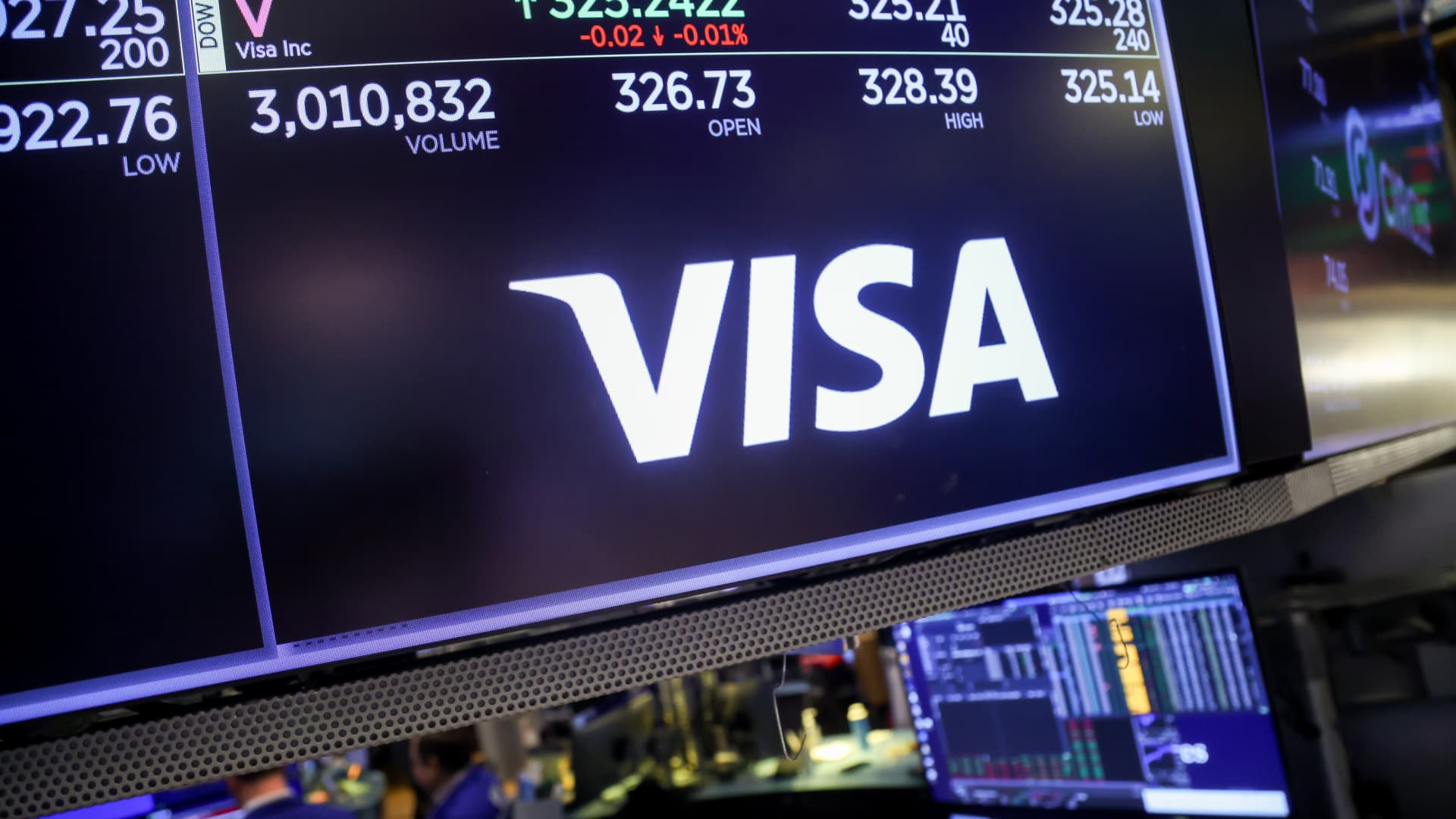
Visa Launches Six AI Tools to Streamline Dispute Resolution

- Dispute Resolution Innovation: Visa has launched six new tools designed to leverage artificial intelligence to streamline the credit card dispute process, which is expected to significantly reduce costs and complexities for merchants, issuers, and acquirers while enhancing overall customer experience.
- Surge in Dispute Volume: In 2025, Visa processed over 106 million charge disputes globally, marking a 35% increase since 2019, highlighting the urgent need for efficient processing tools that enhance the company's competitive edge in the market.
- Merchant Support Features: Three of the new tools focus on merchants, enabling them to proactively manage disputes before escalation by providing generative AI responses and detailed order insights, thereby reducing disputes arising from unfamiliar charges and improving customer satisfaction.
- Comprehensive Automation Platform: The other three tools support issuers and acquirers by utilizing predictive AI models for case analysis and establishing an integrated dispute management platform, aiming to shift from reactive to proactive management, thereby enhancing processing efficiency.

Nike's Weak Sales Guidance Leads to Downgrades
- Sales Guidance Downgrade: Nike expects a sales drop of 2% to 4% in Q4, significantly below Wall Street's 1.9% growth forecast, indicating that its new corporate strategy has not quickly improved product demand, resulting in an almost 11% share price decline.
- Analyst Downgrades: Bank of America downgraded Nike from Buy to Neutral and cut its price target from $73 to $55, suggesting a 4% upside, reflecting a pessimistic outlook on future sales growth amid disappointing guidance.
- Delayed Strategic Execution: Nike's 'Win Now' roadmap aimed at reversing declining sales through new wholesale deals and performance innovation has seen slow progress, leading to diminished investor confidence and a shift towards bearish market sentiment.
- Poor Market Performance: Nike's shares have fallen 17% year-to-date, underperforming the broader market, with analysts noting ongoing pressures in international markets (like EMEA and China) and an extended timeline for sales recovery.
Nike's Earnings Miss Expectations, Shares Plunge 14%
- Sales Forecast Downgrade: Nike anticipates a sales decline of 2% to 4% for the current quarter, significantly worse than the 1.9% growth analysts expected, primarily due to a projected 20% drop in China, negatively impacting overall performance.
- Gross Margin Decline: Nike's gross margin has fallen for seven consecutive quarters, and rising input costs due to the Middle East conflict may complicate future margin recovery, potentially affecting profitability.
- Market Reaction: The slow turnaround has led to downgrades from three major Wall Street banks, indicating diminishing investor patience regarding the company's growth prospects, especially with an unclear timeline for sales recovery.
- Management's Lack of Confidence: Although management expresses optimism about recovery in North America, the vague timeline for achieving balanced growth suggests ongoing challenges, with CEO Hill acknowledging that the recovery process is more complex than anticipated.
Eli Lilly Gains FDA Approval, Shares Rise
- FDA Drug Approval: Eli Lilly's once-daily GLP-1 pill Foundayo received FDA approval, leading to a 4% rise in shares, which will enhance the company's competitive edge in the obesity treatment market and drive future sales growth.
- Cybersecurity Incident Impact: Hasbro's shares fell over 4% due to a cybersecurity incident involving unauthorized network access, with the company investigating the full impact and implementing protective measures, potentially increasing operational costs in the short term.
- Tobacco Product Delay: Philip Morris International's shares dropped more than 5% after the FDA delayed authorization for nicotine pouch sales, which may hinder the company's future market expansion plans, particularly among new user demographics.
- Semiconductor Buyback Plan: Intel announced a $14.2 billion buyback of a 49% stake in its Ireland Fab 34 joint venture, resulting in a 9% increase in shares, with funding sourced from cash on hand and approximately $6.5 billion in new debt, expected to strengthen its position in the global semiconductor market.
Market Watch: Corporate Dynamics and Analysis
- Nike's Disappointing Performance: Despite beating revenue and earnings expectations, Nike issued weak guidance due to inventory issues and a slowdown in North American growth, prompting downgrades from Goldman, JPMorgan, and Bank of America, reflecting market concerns about its future performance.
- RH's Poor Earnings Report: Luxury home furnishings maker RH fell short on key metrics in its fourth quarter, and its current quarter guidance was also weak, impacted by tariffs and a sluggish housing market, leading to an 18% drop in shares, although its full-year cash flow guidance improved, the overall outlook remains bleak.
- Arm's Price Target Increase: Wells Fargo raised Arm's price target from $165 to $175, with analysts optimistic about Arm's entry into the data center CPU market with its first in-house silicon offering, reiterating a buy rating, indicating strong market confidence in its competition against Intel and AMD.
- Boeing Stock Rating Upgrade: Wells Fargo upgraded Boeing's stock to buy with a price target of $250, implying over 25% upside from yesterday's close, as analysts favor Boeing's free cash flow recovery and overall turnaround under CEO Kelly Ortberg, suggesting potential returns for investors.
Latest Wall Street Ratings Overview
- Boeing Rating: Wells Fargo initiates coverage of Boeing with a Buy rating, forecasting a significant recovery in free cash flow as production normalizes, setting a price target of $250 based on a 20x FCF multiple on its 2028 forecast, indicating strong confidence in future growth.
- Disney Upgrade: Raymond James upgrades Disney from Market Perform to Outperform with a price target of $115, viewing the current macro backdrop and international visitation challenges as an attractive investment opportunity, reflecting optimism about its valuation.
- Microsoft Buy Rating: Benchmark initiates Microsoft with a Buy rating and a price target of $450, describing it as a juggernaut in artificial intelligence, leveraging its comprehensive portfolio of digital applications and cloud services to drive enterprise and consumer transformation, showcasing its strong market position.
- Algonquin Power Rating: Barclays initiates coverage of Algonquin Power & Utilities with an Overweight rating, citing the company's undervaluation and strong turnaround potential, indicating market confidence in its future performance.
Visa Launches Six AI Tools to Streamline Dispute Resolution
- Dispute Resolution Innovation: Visa has launched six new tools designed to leverage artificial intelligence to streamline the credit card dispute process, which is expected to significantly reduce costs and complexities for merchants, issuers, and acquirers while enhancing overall customer experience.
- Surge in Dispute Volume: In 2025, Visa processed over 106 million charge disputes globally, marking a 35% increase since 2019, highlighting the urgent need for efficient processing tools that enhance the company's competitive edge in the market.
- Merchant Support Features: Three of the new tools focus on merchants, enabling them to proactively manage disputes before escalation by providing generative AI responses and detailed order insights, thereby reducing disputes arising from unfamiliar charges and improving customer satisfaction.
- Comprehensive Automation Platform: The other three tools support issuers and acquirers by utilizing predictive AI models for case analysis and establishing an integrated dispute management platform, aiming to shift from reactive to proactive management, thereby enhancing processing efficiency.
Nike's Weak Sales Guidance Leads to Downgrades
- Sales Guidance Downgrade: Nike expects a sales drop of 2% to 4% in Q4, significantly below Wall Street's 1.9% growth forecast, indicating that its new corporate strategy has not quickly improved product demand, resulting in an almost 11% share price decline.
- Analyst Downgrades: Bank of America downgraded Nike from Buy to Neutral and cut its price target from $73 to $55, suggesting a 4% upside, reflecting a pessimistic outlook on future sales growth amid disappointing guidance.
- Delayed Strategic Execution: Nike's 'Win Now' roadmap aimed at reversing declining sales through new wholesale deals and performance innovation has seen slow progress, leading to diminished investor confidence and a shift towards bearish market sentiment.
- Poor Market Performance: Nike's shares have fallen 17% year-to-date, underperforming the broader market, with analysts noting ongoing pressures in international markets (like EMEA and China) and an extended timeline for sales recovery.