

Honda Reports Declining Profits Amid Weak Sales
Written by Emily J. Thompson, Senior Investment Analyst
Updated: Feb 10 2026
0mins
Source: NASDAQ.COM
- Significant Profit Decline: Honda reported a profit of 465.44 billion yen for the first nine months ending March 31, down 42.2% from 805.26 billion yen last year, indicating severe impacts from weak sales revenue.
- Earnings Per Share Drop: The earnings per share fell to 115.53 yen, compared to 169.69 yen last year, reflecting a notable decrease in the company's profitability.
- Operating Profit Plummets: Operating profit dropped 48.1% to 591.51 billion yen from last year's 1.14 trillion yen, highlighting pressures on cost control and market competition.
- Sales Revenue Forecast Adjustment: While maintaining its full-year profit outlook, Honda raised its sales revenue forecast to 21.10 trillion yen from the previous 20.70 trillion yen, indicating cautious optimism about future market conditions.
Trade with 70% Backtested Accuracy
Stop guessing "Should I Buy HMC?" and start using high-conviction signals backed by rigorous historical data.
Sign up today to access powerful investing tools and make smarter, data-driven decisions.
Analyst Views on HMC
About HMC
Honda Motor Co Ltd is a Japan-based company principally engaged in the motorcycle business, the automobile business, the financial service business and the life creation business. The Company operates through four business segments. The Motorcycle segment is engaged in the research and development, production and sale of motorcycles, all-terrain vehicles (ATVs), side-by-side vehicles and related parts. The Automobile segment is engaged in the research and development, production and sale of automobiles and related parts. The Financial Service segment is engaged in the sales financing and leasing of its products. The Power Products and Other Business segment is engaged in the research and development, production and sale of power products and related parts.
About the author

Emily J. Thompson
Emily J. Thompson, a Chartered Financial Analyst (CFA) with 12 years in investment research, graduated with honors from the Wharton School. Specializing in industrial and technology stocks, she provides in-depth analysis for Intellectia’s earnings and market brief reports.
Honda Recalls Over One Million Vehicles Due to Tire Repair Kit Defect

- Massive Recall: Honda is recalling 1,049,883 vehicles in the U.S. due to a defect in the tire repair kit that may cause the bottle cap to detach and become a projectile, increasing the risk of injury to users.
- Design Flaw Issue: During the development of the flat tire repair kit, the design inadequately accounted for pressure buildup, resulting in the inclusion of an unnecessary fluid leak prevention valve that compromises safety.
- Manufacturing Errors: Certain relief valves were improperly adjusted during supplier manufacturing, preventing pressure from being released as intended, thereby exacerbating potential safety hazards.
- User Notification Measures: Registered owners of all affected vehicles will be contacted by mail and asked to take their vehicles to authorized Honda dealers for replacement of the tire repair kit nozzle or sealant bottle.
See More
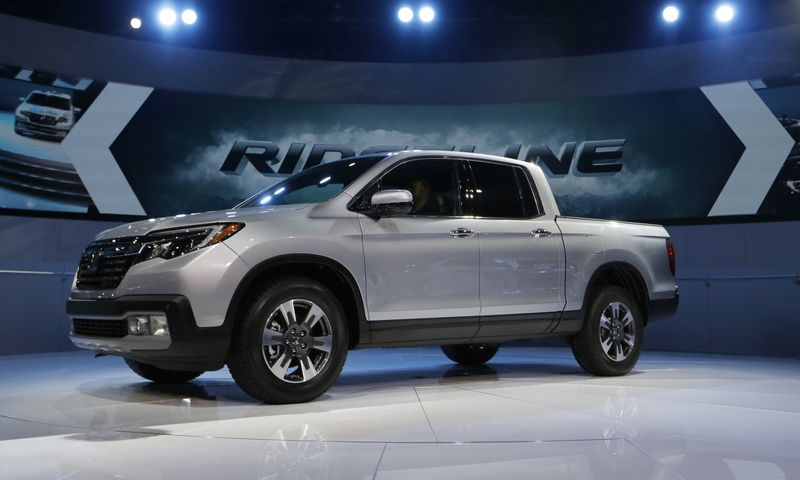
Honda Recalls Over 880,000 SUVs and Trucks Due to Suspension Issues
- Massive Recall: Honda Motor Co. is recalling over 880,000 SUVs and pickup trucks, including models like the Honda Pilot, Ridgeline, Passport, and Acura MDX, highlighting the company's significant accountability regarding safety issues.
- Safety Hazard Analysis: According to the U.S. National Highway Traffic Safety Administration, the rear subframe supporting the rear suspension may corrode, leading to structural weakening and increased crash risk, particularly in regions where road salt is heavily used during winter.
- Repair Measures: Honda will provide free inspections and install reinforcement kits for affected vehicles, and if corrosion damage is found, they will repair or replace rear subframe components at no cost, demonstrating the company's commitment to customer safety.
- Historical Context: This recall follows another one announced last month involving nearly 99,000 vehicles due to airbag deployment concerns, reflecting ongoing challenges Honda faces in product quality and safety, although no injury reports related to this defect have been received as of May 28.
See More
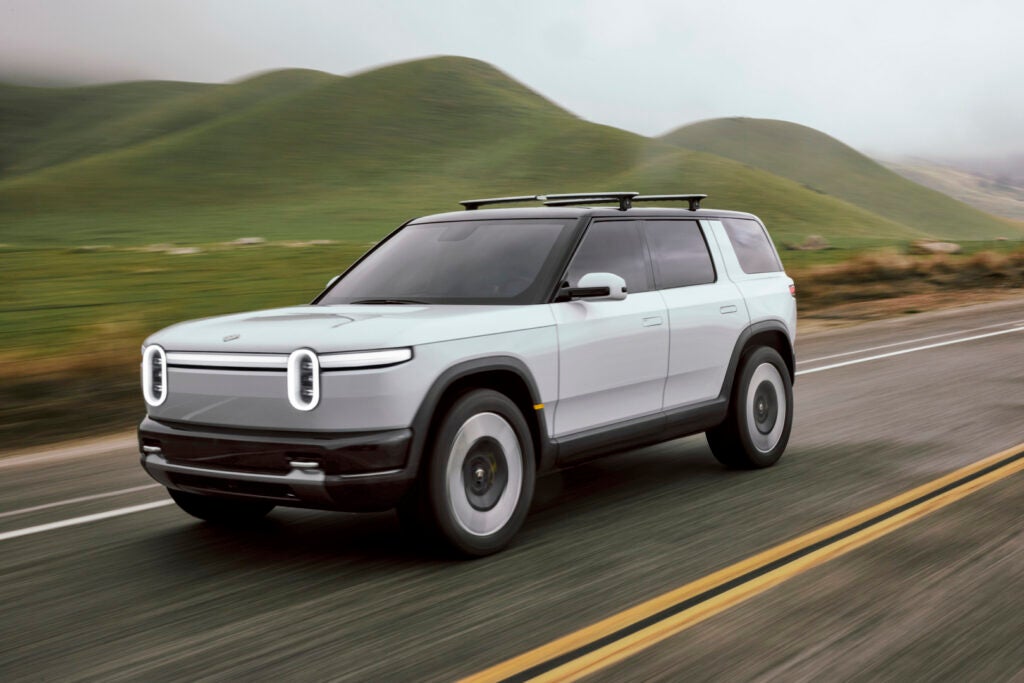
Rivian Launches R2 SUV Aiming for Profitability


- R2 SUV Launch: Rivian unveiled its R2 SUV in Utah, moving the entry-level model priced around $45,000 to next summer, aiming to attract a broader consumer base and increase market share.
- Profitability Goal Reaffirmed: Despite a $3.6 billion loss last year, Rivian plans to achieve unit production profitability with the R2, expecting to significantly reduce its burn rate once the new Georgia plant ramps up production.
- Market Competition Strategy: Priced around $50,000, the R2 SUV aims to compete with Tesla's Model Y and traditional automotive brands, as Rivian seeks to leverage its strong brand to attract non-EV customers and expand its market footprint.
- Enhanced Technology Partnership: Rivian's $5.8 billion deal with Volkswagen to integrate its software and electrical architecture into future EVs showcases its competitive edge in software and autonomous driving technology, further solidifying its market position.
See More

FIEM Industries Reports Record FY26 Performance with Strong Growth
- Significant Performance Growth: FIEM Industries Ltd (BOM:532768) achieved a 16% revenue increase and a 24% rise in profit after tax for FY26, with an all-time high EBITDA margin of 14.09%, demonstrating the effectiveness of its operating leverage and integrated manufacturing model.
- Expanded Customer Base: The company secured new business with major clients like TVS, Honda, and Royal Enfield, particularly in the electric vehicle segment, enhancing its market competitiveness and future growth potential.
- Investment in Green Energy: FIEM meets 65% of its energy needs at the Hosur facility through solar power and plans to expand renewable energy use across all plants, reflecting its commitment to sustainability.
- Leadership Transition Challenges: While the resignation of CEO Vineet Sani may pose transitional challenges, management responsibilities have been assumed by Managing Director Rahul Jain and Joint Managing Director Rajesh Sharma, ensuring continued growth in the four-wheeler business.
See More

Analysis of High Insider Ownership Growth Companies in Australia


- Market Rebound Context: Australian shares are rebounding significantly due to global events and domestic fiscal policies, with investors showing keen interest in growth companies with high insider ownership, particularly for the alignment of interests between management and shareholders.
- HMC Capital Overview: With a market cap of A$1.26 billion, HMC Capital is forecasted to achieve annual revenue growth of 10.8%, while its return on equity is expected to remain low at 5.3% over the next three years; however, its earnings growth rate is projected at 26.77%, indicating potential growth momentum.
- Mesoblast's Outlook: Mesoblast, valued at A$2.77 billion, anticipates annual revenue growth of 45.1% and is expected to become profitable within three years, with insider ownership at 34.9%; recent FDA approval for trials in Duchenne muscular dystrophy could significantly boost future revenues.
- Pinnacle Investment Management: Pinnacle, with a market cap of A$3.59 billion, expects earnings to grow at 21.1% annually and revenue at 30.4%, maintaining relevance in the small-cap market despite being dropped from the S&P/ASX 100 Index, indicating strong business expansion potential.
See More

Honda Reports First Full-Year Loss, Shifts Focus to Hybrid Models
- Historic Full-Year Loss: For the first time as a publicly traded company, Honda reported a full-year loss, taking a massive $10 billion hit in its electric vehicle segment, although it remains profitable when excluding this area, showcasing the resilience of its traditional business.
- Strategic Shift: Honda plans to roll out 15 new hybrid models by early 2030, having canceled several EV models and delayed its autonomous driving ambitions, indicating a strategic retreat in the EV space to better leverage its existing strengths.
- Market Challenges and Adjustments: The company is discontinuing sales in South Korea, closing a plant in China, and revising its climate pledge from achieving combustion-free status by 2040 to aiming for carbon neutrality by 2050, reflecting its adaptability in facing market challenges.
- Importance of Investor Patience: Despite a more than 13% decline in stock price over the past five years, the hybrid market is projected to reach $457 billion by 2030, growing at an annual rate of 11%, suggesting that Honda's strategic pivot may yield returns for long-term investors, emphasizing the need for patience.
See More
Honda Recalls Over One Million Vehicles Due to Tire Repair Kit Defect
- Massive Recall: Honda is recalling 1,049,883 vehicles in the U.S. due to a defect in the tire repair kit that may cause the bottle cap to detach and become a projectile, increasing the risk of injury to users.
- Design Flaw Issue: During the development of the flat tire repair kit, the design inadequately accounted for pressure buildup, resulting in the inclusion of an unnecessary fluid leak prevention valve that compromises safety.
- Manufacturing Errors: Certain relief valves were improperly adjusted during supplier manufacturing, preventing pressure from being released as intended, thereby exacerbating potential safety hazards.
- User Notification Measures: Registered owners of all affected vehicles will be contacted by mail and asked to take their vehicles to authorized Honda dealers for replacement of the tire repair kit nozzle or sealant bottle.
See More
Honda Recalls Over 880,000 SUVs and Trucks Due to Suspension Issues
- Massive Recall: Honda Motor Co. is recalling over 880,000 SUVs and pickup trucks, including models like the Honda Pilot, Ridgeline, Passport, and Acura MDX, highlighting the company's significant accountability regarding safety issues.
- Safety Hazard Analysis: According to the U.S. National Highway Traffic Safety Administration, the rear subframe supporting the rear suspension may corrode, leading to structural weakening and increased crash risk, particularly in regions where road salt is heavily used during winter.
- Repair Measures: Honda will provide free inspections and install reinforcement kits for affected vehicles, and if corrosion damage is found, they will repair or replace rear subframe components at no cost, demonstrating the company's commitment to customer safety.
- Historical Context: This recall follows another one announced last month involving nearly 99,000 vehicles due to airbag deployment concerns, reflecting ongoing challenges Honda faces in product quality and safety, although no injury reports related to this defect have been received as of May 28.
See More
Rivian Launches R2 SUV Aiming for Profitability
- R2 SUV Launch: Rivian unveiled its R2 SUV in Utah, moving the entry-level model priced around $45,000 to next summer, aiming to attract a broader consumer base and increase market share.
- Profitability Goal Reaffirmed: Despite a $3.6 billion loss last year, Rivian plans to achieve unit production profitability with the R2, expecting to significantly reduce its burn rate once the new Georgia plant ramps up production.
- Market Competition Strategy: Priced around $50,000, the R2 SUV aims to compete with Tesla's Model Y and traditional automotive brands, as Rivian seeks to leverage its strong brand to attract non-EV customers and expand its market footprint.
- Enhanced Technology Partnership: Rivian's $5.8 billion deal with Volkswagen to integrate its software and electrical architecture into future EVs showcases its competitive edge in software and autonomous driving technology, further solidifying its market position.
See More
FIEM Industries Reports Record FY26 Performance with Strong Growth
- Significant Performance Growth: FIEM Industries Ltd (BOM:532768) achieved a 16% revenue increase and a 24% rise in profit after tax for FY26, with an all-time high EBITDA margin of 14.09%, demonstrating the effectiveness of its operating leverage and integrated manufacturing model.
- Expanded Customer Base: The company secured new business with major clients like TVS, Honda, and Royal Enfield, particularly in the electric vehicle segment, enhancing its market competitiveness and future growth potential.
- Investment in Green Energy: FIEM meets 65% of its energy needs at the Hosur facility through solar power and plans to expand renewable energy use across all plants, reflecting its commitment to sustainability.
- Leadership Transition Challenges: While the resignation of CEO Vineet Sani may pose transitional challenges, management responsibilities have been assumed by Managing Director Rahul Jain and Joint Managing Director Rajesh Sharma, ensuring continued growth in the four-wheeler business.
See More
Analysis of High Insider Ownership Growth Companies in Australia
- Market Rebound Context: Australian shares are rebounding significantly due to global events and domestic fiscal policies, with investors showing keen interest in growth companies with high insider ownership, particularly for the alignment of interests between management and shareholders.
- HMC Capital Overview: With a market cap of A$1.26 billion, HMC Capital is forecasted to achieve annual revenue growth of 10.8%, while its return on equity is expected to remain low at 5.3% over the next three years; however, its earnings growth rate is projected at 26.77%, indicating potential growth momentum.
- Mesoblast's Outlook: Mesoblast, valued at A$2.77 billion, anticipates annual revenue growth of 45.1% and is expected to become profitable within three years, with insider ownership at 34.9%; recent FDA approval for trials in Duchenne muscular dystrophy could significantly boost future revenues.
- Pinnacle Investment Management: Pinnacle, with a market cap of A$3.59 billion, expects earnings to grow at 21.1% annually and revenue at 30.4%, maintaining relevance in the small-cap market despite being dropped from the S&P/ASX 100 Index, indicating strong business expansion potential.
See More
Honda Reports First Full-Year Loss, Shifts Focus to Hybrid Models
- Historic Full-Year Loss: For the first time as a publicly traded company, Honda reported a full-year loss, taking a massive $10 billion hit in its electric vehicle segment, although it remains profitable when excluding this area, showcasing the resilience of its traditional business.
- Strategic Shift: Honda plans to roll out 15 new hybrid models by early 2030, having canceled several EV models and delayed its autonomous driving ambitions, indicating a strategic retreat in the EV space to better leverage its existing strengths.
- Market Challenges and Adjustments: The company is discontinuing sales in South Korea, closing a plant in China, and revising its climate pledge from achieving combustion-free status by 2040 to aiming for carbon neutrality by 2050, reflecting its adaptability in facing market challenges.
- Importance of Investor Patience: Despite a more than 13% decline in stock price over the past five years, the hybrid market is projected to reach $457 billion by 2030, growing at an annual rate of 11%, suggesting that Honda's strategic pivot may yield returns for long-term investors, emphasizing the need for patience.
See More





