Strait of Hormuz Oil Tanker Traffic Set to Surge with US-Iran Agreement
Written by Emily J. Thompson, Senior Investment Analyst
Updated: Jun 12 2026
0mins
Source: seekingalpha
- Optimistic Traffic Outlook: Frontline CEO Lars Barstad stated that if the U.S. and Iran reach a credible agreement to enhance security in the Strait of Hormuz, oil tanker traffic is expected to increase rapidly, potentially rising from the current daily transit of only 5-10 ships to significantly higher levels.
- Transport Capacity Constraints: Currently, 5 of Frontline's 80 vessels are stuck in the Persian Gulf due to the closure of Hormuz, directly impacting the company's shipping capacity and market share in the oil transportation sector.
- Freight Rate Surge: With the closure of Hormuz, the global tanker fleet has been dispersed to other regions for oil, and Barstad anticipates that freight rates will rise sharply, attracting tankers back to the Middle East, which will further facilitate the recovery of tanker transportation.
- Reduced Oil Supply from the Middle East: Barstad noted that some oil wells closed during the war may have been permanently damaged due to pressure loss and water contamination, leading to a long-term decrease in oil supply from the Middle East compared to pre-closure levels, which will have significant implications for global oil prices.
Trade with 70% Backtested Accuracy
Stop guessing "Should I Buy FRO?" and start using high-conviction signals backed by rigorous historical data.
Sign up today to access powerful investing tools and make smarter, data-driven decisions.
Analyst Views on FRO
Wall Street analysts forecast FRO stock price to fall
3 Analyst Rating
2 Buy
0 Hold
1 Sell
Moderate Buy
Current: 36.870

Low
14.36
Averages
23.45
High
30.00
Current: 36.870
Low
14.36
Averages
23.45
High
30.00
About FRO
FRONTLINE PLC is a Cyprus-based company primarily operating in the transportation sector. The Company's main focus is on seaborne transportation of crude oil and refined products. The Company owns and operates a fleet consisting of multiple VLCC, Suezmax and LR2 / Aframax tankers intended for freight of oil and cargo. The Company operates worldwide.
About the author

Emily J. Thompson
Emily J. Thompson, a Chartered Financial Analyst (CFA) with 12 years in investment research, graduated with honors from the Wharton School. Specializing in industrial and technology stocks, she provides in-depth analysis for Intellectia’s earnings and market brief reports.

Oil Tanker Hiring Costs Surge in Persian Gulf

- Hiring Costs Surge: The cost of hiring oil tankers in the Persian Gulf has nearly doubled in the past week, rising from $106K/day to $190K/day, indicating a strong rebound in demand as Middle Eastern producers rush to transport stranded crude.
- Record Earnings for VLCCs: Average daily earnings for very large crude carriers (VLCCs) have reached nearly $470K/day for cargoes needing to transit through the Strait of Hormuz, reflecting a more than $50K increase from the previous week, highlighting the acute supply-demand imbalance.
- Insurance Costs Decline: Despite soaring hiring rates, war risk insurance costs have softened from approximately 5% to 3% of a ship's value, translating to hundreds of thousands of dollars in savings for shipowners, thereby alleviating some cost pressures.
- Tight Shipping Capacity: Traffic through the Strait of Hormuz remains well below the pre-conflict daily average of 125 ships, with around 100 tankers stranded in the Persian Gulf, exacerbating the shortage of available vessels and indicating significant implications for Middle Eastern crude exports in the coming weeks.
See More
Threat to Shipping in Strait of Hormuz Reduced
- Threat Level Downgraded: The U.S.-led naval coalition announced that the threat level in the Strait of Hormuz has been downgraded from 'severe' to 'substantial' following the announcement of the Iran deal, indicating an improvement in the security situation, although vigilance is still advised.
- Oil Tanker Traffic Remains Low: Despite the lowered threat level, only six tankers and 13 commercial ships transited Hormuz on Tuesday, significantly below the pre-war average of over 100 vessels daily, reflecting market caution regarding the security situation.
- Iran's Revolutionary Guard Stabilization: The Joint Maritime Information Center reported that the behavior of Iran's Revolutionary Guard has become less volatile after the deal announcement, providing some confidence to shipping companies, although potential attacks remain a concern.
- Need for Assurances in Shipping: The global shipping trade group Bimco stated that credible assurances from both Iran and the U.S. are necessary for traffic through Hormuz to return to pre-war levels, emphasizing that the shipping industry's security situation remains volatile and risky due to a lack of details.
See More
Strait of Hormuz Ship Traffic Set to Recover
- Traffic Recovery: Analysts predict that if the U.S.-Iran deal is implemented smoothly, ship traffic through the Strait of Hormuz could rise to nearly 50% of prewar levels within a month, with daily transits increasing from 100 to 40, significantly enhancing global oil and gas transport efficiency.
- Stranded Tankers Departing: Approximately 118 fully loaded tankers are expected to prioritize transit through Hormuz within the next 15 days, marking a large-scale exit of stranded vessels, although this surge is viewed as a one-time event, necessitating observation of future traffic levels.
- Cautious Shippers: While Frontline's CEO asserts that vessels will move quickly once a deal is signed, cautious shippers will monitor initial transit conditions and consider re-entering the Gulf only if there are no attacks or mine threats, with insurance rates expected to decrease accordingly.
- Safety Risk Warnings: The global shipping trade group Bimco warns that the security situation in the Strait of Hormuz remains high-risk; despite differing views on mine threats, the lack of details and historical over-optimism contribute to ongoing volatility in the shipping industry's safety landscape.
See More
Strait of Hormuz Expected to Open Toll-Free Long-Term
- Long-Term Toll-Free Expectation: Vice President JD Vance stated that the U.S.-Iran deal is expected to open the Strait of Hormuz toll-free for the long term, which could facilitate the recovery and growth of international shipping through further technical negotiations.
- Short-Term Transit Arrangement: Iranian media reported that the Strait will have a toll-free transit arrangement for the next 60 days, after which it will be managed by Iran and Oman, potentially impacting the safety and efficiency of global oil and gas transportation.
- Increased Shipping Traffic: Vance noted that ship traffic through Hormuz has already increased over the past 24 hours, although this information has not been verified by CNBC, indicating a positive market reaction to the anticipated agreement.
- Industry Risk Warning: The global shipping trade group BIMCO cautioned that despite the expectation of an agreement, the lack of specific details keeps the shipping industry's security situation volatile, particularly with the ongoing threat of mines in Hormuz, which heightens shipping risks.
See More
US and Iran Reach Agreement to Reopen Strait of Hormuz
- Oil Price Plunge: Following President Trump's announcement of a deal with Iran, U.S. crude oil futures fell 4.8% to $80.80 per barrel, while Brent futures dropped 3.9% to $83.89, indicating market optimism about supply restoration.
- Toll Elimination for Hormuz: Trump stated that the Strait of Hormuz will operate without a toll system and that the U.S. will end its naval blockade of Iran, which could restore approximately 20% of global oil supplies and alleviate the largest supply disruption in history.
- Peace Agreement Signing Date Set: Pakistani Prime Minister Shehbaz Sharif announced that the U.S. and Iran will officially sign a peace deal on June 19 in Switzerland, marking the permanent termination of military operations and potentially laying the groundwork for regional stability.
- Shipping Traffic Recovery Expected: Frontline's CEO expressed optimism that shipping traffic through Hormuz will quickly resume if a credible agreement is reached between the U.S. and Iran, reflecting positive market sentiment regarding future shipping safety.
See More
Trump Claims End to Iran War, Oil Prices Drop

- Iran War Settlement: Trump announced a 'great settlement' with Iran, expecting to sign an agreement in the coming days, marking his 39th such claim; however, the market reacted negatively, with oil prices dropping approximately 4%.
- Strait of Hormuz Traffic: If the deal is finalized, Frontline CEO Lars Barstad indicated that oil tanker traffic through the Strait of Hormuz could significantly increase from the current 5 to 10 ships daily, potentially impacting global oil supply dynamics.
- SpaceX IPO Update: SpaceX is set to go public on Friday with an expected valuation of around $1.8 trillion, but the allocation for retail investors is lower than anticipated at around 20%, which may affect market reception and investor confidence.
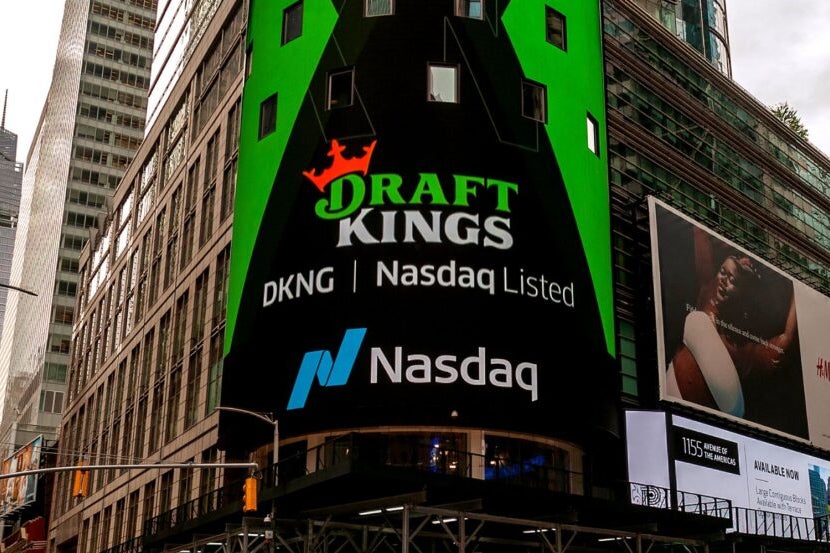
- World Cup Betting Boom: The 2026 FIFA World Cup is projected to be the largest betting event ever, with analysts highlighting DraftKings as a key beneficiary due to its strategic partnerships, particularly in the Spanish-speaking market, which could drive significant betting activity.
See More
Oil Tanker Hiring Costs Surge in Persian Gulf
- Hiring Costs Surge: The cost of hiring oil tankers in the Persian Gulf has nearly doubled in the past week, rising from $106K/day to $190K/day, indicating a strong rebound in demand as Middle Eastern producers rush to transport stranded crude.
- Record Earnings for VLCCs: Average daily earnings for very large crude carriers (VLCCs) have reached nearly $470K/day for cargoes needing to transit through the Strait of Hormuz, reflecting a more than $50K increase from the previous week, highlighting the acute supply-demand imbalance.
- Insurance Costs Decline: Despite soaring hiring rates, war risk insurance costs have softened from approximately 5% to 3% of a ship's value, translating to hundreds of thousands of dollars in savings for shipowners, thereby alleviating some cost pressures.
- Tight Shipping Capacity: Traffic through the Strait of Hormuz remains well below the pre-conflict daily average of 125 ships, with around 100 tankers stranded in the Persian Gulf, exacerbating the shortage of available vessels and indicating significant implications for Middle Eastern crude exports in the coming weeks.
See More
Threat to Shipping in Strait of Hormuz Reduced
- Threat Level Downgraded: The U.S.-led naval coalition announced that the threat level in the Strait of Hormuz has been downgraded from 'severe' to 'substantial' following the announcement of the Iran deal, indicating an improvement in the security situation, although vigilance is still advised.
- Oil Tanker Traffic Remains Low: Despite the lowered threat level, only six tankers and 13 commercial ships transited Hormuz on Tuesday, significantly below the pre-war average of over 100 vessels daily, reflecting market caution regarding the security situation.
- Iran's Revolutionary Guard Stabilization: The Joint Maritime Information Center reported that the behavior of Iran's Revolutionary Guard has become less volatile after the deal announcement, providing some confidence to shipping companies, although potential attacks remain a concern.
- Need for Assurances in Shipping: The global shipping trade group Bimco stated that credible assurances from both Iran and the U.S. are necessary for traffic through Hormuz to return to pre-war levels, emphasizing that the shipping industry's security situation remains volatile and risky due to a lack of details.
See More
Strait of Hormuz Ship Traffic Set to Recover
- Traffic Recovery: Analysts predict that if the U.S.-Iran deal is implemented smoothly, ship traffic through the Strait of Hormuz could rise to nearly 50% of prewar levels within a month, with daily transits increasing from 100 to 40, significantly enhancing global oil and gas transport efficiency.
- Stranded Tankers Departing: Approximately 118 fully loaded tankers are expected to prioritize transit through Hormuz within the next 15 days, marking a large-scale exit of stranded vessels, although this surge is viewed as a one-time event, necessitating observation of future traffic levels.
- Cautious Shippers: While Frontline's CEO asserts that vessels will move quickly once a deal is signed, cautious shippers will monitor initial transit conditions and consider re-entering the Gulf only if there are no attacks or mine threats, with insurance rates expected to decrease accordingly.
- Safety Risk Warnings: The global shipping trade group Bimco warns that the security situation in the Strait of Hormuz remains high-risk; despite differing views on mine threats, the lack of details and historical over-optimism contribute to ongoing volatility in the shipping industry's safety landscape.
See More
Strait of Hormuz Expected to Open Toll-Free Long-Term
- Long-Term Toll-Free Expectation: Vice President JD Vance stated that the U.S.-Iran deal is expected to open the Strait of Hormuz toll-free for the long term, which could facilitate the recovery and growth of international shipping through further technical negotiations.
- Short-Term Transit Arrangement: Iranian media reported that the Strait will have a toll-free transit arrangement for the next 60 days, after which it will be managed by Iran and Oman, potentially impacting the safety and efficiency of global oil and gas transportation.
- Increased Shipping Traffic: Vance noted that ship traffic through Hormuz has already increased over the past 24 hours, although this information has not been verified by CNBC, indicating a positive market reaction to the anticipated agreement.
- Industry Risk Warning: The global shipping trade group BIMCO cautioned that despite the expectation of an agreement, the lack of specific details keeps the shipping industry's security situation volatile, particularly with the ongoing threat of mines in Hormuz, which heightens shipping risks.
See More
US and Iran Reach Agreement to Reopen Strait of Hormuz
- Oil Price Plunge: Following President Trump's announcement of a deal with Iran, U.S. crude oil futures fell 4.8% to $80.80 per barrel, while Brent futures dropped 3.9% to $83.89, indicating market optimism about supply restoration.
- Toll Elimination for Hormuz: Trump stated that the Strait of Hormuz will operate without a toll system and that the U.S. will end its naval blockade of Iran, which could restore approximately 20% of global oil supplies and alleviate the largest supply disruption in history.
- Peace Agreement Signing Date Set: Pakistani Prime Minister Shehbaz Sharif announced that the U.S. and Iran will officially sign a peace deal on June 19 in Switzerland, marking the permanent termination of military operations and potentially laying the groundwork for regional stability.
- Shipping Traffic Recovery Expected: Frontline's CEO expressed optimism that shipping traffic through Hormuz will quickly resume if a credible agreement is reached between the U.S. and Iran, reflecting positive market sentiment regarding future shipping safety.
See More
Trump Claims End to Iran War, Oil Prices Drop
- Iran War Settlement: Trump announced a 'great settlement' with Iran, expecting to sign an agreement in the coming days, marking his 39th such claim; however, the market reacted negatively, with oil prices dropping approximately 4%.
- Strait of Hormuz Traffic: If the deal is finalized, Frontline CEO Lars Barstad indicated that oil tanker traffic through the Strait of Hormuz could significantly increase from the current 5 to 10 ships daily, potentially impacting global oil supply dynamics.
- SpaceX IPO Update: SpaceX is set to go public on Friday with an expected valuation of around $1.8 trillion, but the allocation for retail investors is lower than anticipated at around 20%, which may affect market reception and investor confidence.
- World Cup Betting Boom: The 2026 FIFA World Cup is projected to be the largest betting event ever, with analysts highlighting DraftKings as a key beneficiary due to its strategic partnerships, particularly in the Spanish-speaking market, which could drive significant betting activity.
See More