HMC CAPITAL: KKR to Invest Up to A$603 Million in Preferred Equity, Including A$355 Million in Initial Funding
Written by Emily J. Thompson, Senior Investment Analyst
Updated: Feb 05 2026
0mins

Source: moomoo
Investment Overview: A deal involving up to $603 million in preferred equity investment by KKR has been announced.
Funding Breakdown: The investment includes a $355 million upfront funding component, among other financial arrangements.
Trade with 70% Backtested Accuracy
Stop guessing "Should I Buy HMC?" and start using high-conviction signals backed by rigorous historical data.
Sign up today to access powerful investing tools and make smarter, data-driven decisions.
Analyst Views on HMC
About HMC
Honda Motor Co Ltd is a Japan-based company principally engaged in the motorcycle business, the automobile business, the financial service business and the life creation business. The Company operates through four business segments. The Motorcycle segment is engaged in the research and development, production and sale of motorcycles, all-terrain vehicles (ATVs), side-by-side vehicles and related parts. The Automobile segment is engaged in the research and development, production and sale of automobiles and related parts. The Financial Service segment is engaged in the sales financing and leasing of its products. The Power Products and Other Business segment is engaged in the research and development, production and sale of power products and related parts.
About the author

Emily J. Thompson
Emily J. Thompson, a Chartered Financial Analyst (CFA) with 12 years in investment research, graduated with honors from the Wharton School. Specializing in industrial and technology stocks, she provides in-depth analysis for Intellectia’s earnings and market brief reports.

Impact of Trump's Tariffs One Year Later


- Widespread Tariff Impact: Trump's tariff policies have placed significant economic pressure on U.S. businesses over the past year, with approximately 80% to 85% of costs absorbed by companies, leading to reduced profits and increased consumer prices, thereby exacerbating overall economic uncertainty.
- Retail Sector Adaptation: While large retailers like Walmart have emerged relatively unscathed, smaller businesses have been severely impacted, with Home Depot aiming to limit purchases from any single country to 10% to reduce dependency and enhance supply chain flexibility.
- Automotive Industry Cost Surge: Automakers such as General Motors and Toyota are facing tariff impacts estimated at up to $9.5 billion, and although the Trump administration has taken steps to alleviate overlapping tariffs, overall costs remain significant, forcing companies to reassess their supply chain strategies.
- Pharmaceutical Sector Stability: Pharmaceutical companies have secured three-year tariff exemptions through pricing agreements with Trump, although new tariffs impose 100% on companies that do not reach agreements, the overall industry is still striving to increase investments in U.S. manufacturing.
See More
Tesla's Brand Image Declines Amid High Recognition

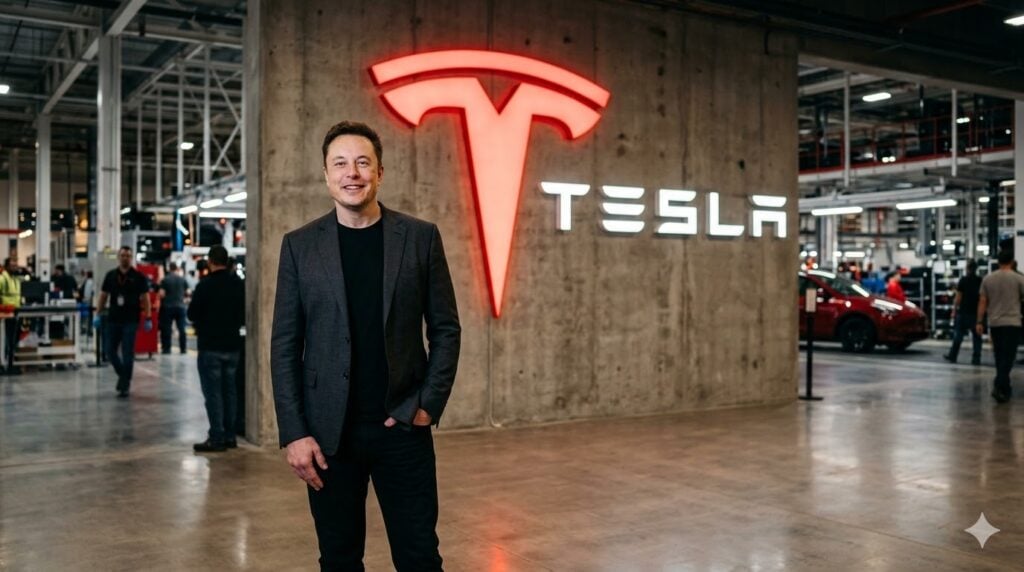
- Brand Recognition vs. Trust Gap: Tesla, despite its high recognition in the EV sector, has a brand positivity score of -4, significantly lower than Toyota and Honda's scores of +20 and +16, indicating a critical lack of brand trust that could impact future sales and market share.
- Consumer Perception of FSD: When considering Tesla's Full Self-Driving technology, consumers are influenced not only by the technology itself but also by Elon Musk, with negative sentiment accounting for 14%, highlighting the close relationship between brand image and the leader's personal reputation.
- Safety Concerns and Opposition: Among feedback on FSD, 33% of consumers expressed safety concerns, while 17% indicated general dislike for Tesla, suggesting that these sentiments could affect potential customers' purchasing decisions and increase competitive pressure in the market.
- Risk of Brand Trust: As brand trust continues to lag while visibility remains high, Tesla faces increasing brand risk that could exacerbate its position in the EV market, particularly in an increasingly competitive landscape.
See More
Honda and Sony Halt Electric Vehicle Development


- Joint Development Halted: Honda and Sony have decided to cease their joint electric vehicle development due to significant losses at Sony Honda Mobility and legal and distribution challenges surrounding the Afeela model, indicating a drastic reduction in the feasibility of their collaboration.
- Strategic Shift Impact: Honda's adjustment of its EV strategy complicates continued cooperation, reflecting the necessity for companies to adapt swiftly to market demands and internal strategic changes in the rapidly evolving EV landscape.
- Joint Venture Background: Sony Honda Mobility was established in 2022 as a 50-50 joint venture aimed at leveraging Sony's strengths in imaging, sensing, software, and entertainment alongside Honda's automotive engineering and manufacturing expertise, yet changing market conditions have hindered this vision.
- Market Reaction: Honda's $15.7 billion write-down in its EV business has led to its first annual loss since 1957, highlighting the challenges and risks it faces in the electric vehicle sector, which may affect investor confidence in its future growth.
See More

Toyota and Mitsubishi Financial Set to Surge: Reasons to Invest in Japanese Stocks.

- Investment Appeal: Japan is becoming an attractive destination for investment due to improving business conditions.
- Focus on Profits: Companies are increasingly prioritizing profits and returning cash to shareholders through dividends and buybacks.
- Impact of Currency: A weaker yen is contributing to enhanced earnings for exporters.
- Overall Economic Outlook: The combination of these factors is creating a more favorable environment for investors in Japan.
See More
Nissan Introduces New e-Power Hybrid System to U.S. Market
- e-Power Hybrid System: Nissan plans to introduce its new e-Power hybrid system in the U.S. market, which uses a traditional gasoline engine to generate power for electric motors, providing an all-electric driving experience and potentially enhancing Nissan's competitiveness in the hybrid market.
- Market Timing: With rising gas prices and slow EV adoption, Nissan's e-Power system is expected to meet consumer demands for fuel economy, as S&P Global Mobility forecasts hybrid sales to rise to 18.4% of new vehicle sales in 2023, a significant increase from last year.
- Powertrain Upgrade: Nissan has developed a more powerful 1.5-liter three-cylinder turbocharged engine for the e-Power system to improve efficiency at higher speeds and enhance driving dynamics, aiming to attract consumers who are hesitant about traditional hybrids.
- Global Success: Since its debut in Japan in 2016, Nissan's e-Power system has sold over 1.6 million vehicles in nearly 70 countries, demonstrating its global success and potential for similar recognition in the U.S. market.
See More

Nissan Unveils New Hybrid Vehicle for U.S. Market
- New Hybrid System: Nissan plans to launch its new 'e-Power' hybrid system in the U.S., which uses a traditional gasoline engine as a generator to power electric motors, providing an electric driving experience and enhancing Nissan's competitiveness in the hybrid market.
- Timely Market Entry: With rising gas prices and slow EV adoption, Nissan's hybrid vehicles are expected to capture 18.4% of new vehicle sales in 2023, a significant increase from 12.6% last year, reflecting strong consumer demand for fuel efficiency.
- Enhanced Powertrain: Nissan has developed a more powerful 1.5-liter three-cylinder turbocharged engine for the e-Power system to improve efficiency at higher speeds and meet American consumer expectations for driving performance, thereby increasing its market appeal.
- Global Success: Since its debut in Japan in 2016, Nissan's e-Power system has sold over 1.6 million vehicles in nearly 70 countries, demonstrating its global success and potential for similar achievements in the U.S. market.
See More
Impact of Trump's Tariffs One Year Later
- Widespread Tariff Impact: Trump's tariff policies have placed significant economic pressure on U.S. businesses over the past year, with approximately 80% to 85% of costs absorbed by companies, leading to reduced profits and increased consumer prices, thereby exacerbating overall economic uncertainty.
- Retail Sector Adaptation: While large retailers like Walmart have emerged relatively unscathed, smaller businesses have been severely impacted, with Home Depot aiming to limit purchases from any single country to 10% to reduce dependency and enhance supply chain flexibility.
- Automotive Industry Cost Surge: Automakers such as General Motors and Toyota are facing tariff impacts estimated at up to $9.5 billion, and although the Trump administration has taken steps to alleviate overlapping tariffs, overall costs remain significant, forcing companies to reassess their supply chain strategies.
- Pharmaceutical Sector Stability: Pharmaceutical companies have secured three-year tariff exemptions through pricing agreements with Trump, although new tariffs impose 100% on companies that do not reach agreements, the overall industry is still striving to increase investments in U.S. manufacturing.
See More
Tesla's Brand Image Declines Amid High Recognition
- Brand Recognition vs. Trust Gap: Tesla, despite its high recognition in the EV sector, has a brand positivity score of -4, significantly lower than Toyota and Honda's scores of +20 and +16, indicating a critical lack of brand trust that could impact future sales and market share.
- Consumer Perception of FSD: When considering Tesla's Full Self-Driving technology, consumers are influenced not only by the technology itself but also by Elon Musk, with negative sentiment accounting for 14%, highlighting the close relationship between brand image and the leader's personal reputation.
- Safety Concerns and Opposition: Among feedback on FSD, 33% of consumers expressed safety concerns, while 17% indicated general dislike for Tesla, suggesting that these sentiments could affect potential customers' purchasing decisions and increase competitive pressure in the market.
- Risk of Brand Trust: As brand trust continues to lag while visibility remains high, Tesla faces increasing brand risk that could exacerbate its position in the EV market, particularly in an increasingly competitive landscape.
See More
Honda and Sony Halt Electric Vehicle Development
- Joint Development Halted: Honda and Sony have decided to cease their joint electric vehicle development due to significant losses at Sony Honda Mobility and legal and distribution challenges surrounding the Afeela model, indicating a drastic reduction in the feasibility of their collaboration.
- Strategic Shift Impact: Honda's adjustment of its EV strategy complicates continued cooperation, reflecting the necessity for companies to adapt swiftly to market demands and internal strategic changes in the rapidly evolving EV landscape.
- Joint Venture Background: Sony Honda Mobility was established in 2022 as a 50-50 joint venture aimed at leveraging Sony's strengths in imaging, sensing, software, and entertainment alongside Honda's automotive engineering and manufacturing expertise, yet changing market conditions have hindered this vision.
- Market Reaction: Honda's $15.7 billion write-down in its EV business has led to its first annual loss since 1957, highlighting the challenges and risks it faces in the electric vehicle sector, which may affect investor confidence in its future growth.
See More
Toyota and Mitsubishi Financial Set to Surge: Reasons to Invest in Japanese Stocks.
- Investment Appeal: Japan is becoming an attractive destination for investment due to improving business conditions.
- Focus on Profits: Companies are increasingly prioritizing profits and returning cash to shareholders through dividends and buybacks.
- Impact of Currency: A weaker yen is contributing to enhanced earnings for exporters.
- Overall Economic Outlook: The combination of these factors is creating a more favorable environment for investors in Japan.
See More
Nissan Introduces New e-Power Hybrid System to U.S. Market
- e-Power Hybrid System: Nissan plans to introduce its new e-Power hybrid system in the U.S. market, which uses a traditional gasoline engine to generate power for electric motors, providing an all-electric driving experience and potentially enhancing Nissan's competitiveness in the hybrid market.
- Market Timing: With rising gas prices and slow EV adoption, Nissan's e-Power system is expected to meet consumer demands for fuel economy, as S&P Global Mobility forecasts hybrid sales to rise to 18.4% of new vehicle sales in 2023, a significant increase from last year.
- Powertrain Upgrade: Nissan has developed a more powerful 1.5-liter three-cylinder turbocharged engine for the e-Power system to improve efficiency at higher speeds and enhance driving dynamics, aiming to attract consumers who are hesitant about traditional hybrids.
- Global Success: Since its debut in Japan in 2016, Nissan's e-Power system has sold over 1.6 million vehicles in nearly 70 countries, demonstrating its global success and potential for similar recognition in the U.S. market.
See More
Nissan Unveils New Hybrid Vehicle for U.S. Market
- New Hybrid System: Nissan plans to launch its new 'e-Power' hybrid system in the U.S., which uses a traditional gasoline engine as a generator to power electric motors, providing an electric driving experience and enhancing Nissan's competitiveness in the hybrid market.
- Timely Market Entry: With rising gas prices and slow EV adoption, Nissan's hybrid vehicles are expected to capture 18.4% of new vehicle sales in 2023, a significant increase from 12.6% last year, reflecting strong consumer demand for fuel efficiency.
- Enhanced Powertrain: Nissan has developed a more powerful 1.5-liter three-cylinder turbocharged engine for the e-Power system to improve efficiency at higher speeds and meet American consumer expectations for driving performance, thereby increasing its market appeal.
- Global Success: Since its debut in Japan in 2016, Nissan's e-Power system has sold over 1.6 million vehicles in nearly 70 countries, demonstrating its global success and potential for similar achievements in the U.S. market.
See More