GSK's Exdensur Approved in China for Severe Asthma Treatment
Written by Emily J. Thompson, Senior Investment Analyst
Updated: 1 hour ago
0mins
Should l Buy GSK?
Source: NASDAQ.COM
- Drug Approval: GSK's Exdensur (depemokimab) has been approved by China's National Medical Products Administration as an add-on maintenance treatment for severe asthma in patients aged 12 and older, marking a significant advancement in the company's respiratory portfolio.
- Clinical Trial Support: The approval is based on data from the SWIFT-1 and SWIFT-2 phase III trials, demonstrating Exdensur's efficacy in improving patient symptoms, providing a robust scientific foundation for GSK's innovations in asthma treatment.
- Market Strategy: GSK's SVP, Global Head of Respiratory, Immunology & Inflammation R&D, Kaivan Khavandi, stated that with Exdensur approved in several major markets, the company aims to transform the treatment paradigm for severe asthma, further solidifying its market leadership.
- Stock Performance: At the last close, GSK shares were trading at 2,049.00 pence, and the market's reaction to the drug approval could potentially drive the stock price higher, boosting investor confidence.
Trade with 70% Backtested Accuracy
Stop guessing "Should I Buy GSK?" and start using high-conviction signals backed by rigorous historical data.
Sign up today to access powerful investing tools and make smarter, data-driven decisions.
Analyst Views on GSK
Wall Street analysts forecast GSK stock price to fall
6 Analyst Rating
1 Buy
2 Hold
3 Sell
Moderate Sell
Current: 53.940

Low
20.15
Averages
38.72
High
55.60
Current: 53.940
Low
20.15
Averages
38.72
High
55.60
About GSK
GSK plc is a biopharma company. The Company’s segments include Commercial Operations and Research and Development. Its portfolio and pipeline are focused on developing medicines and vaccines in four core therapeutic areas, which are the areas of human health it focuses on to prevent and treat disease: respiratory, immunology and inflammation; oncology; human immunodeficiency virus (HIV), and infectious diseases. Its specialty medicines prevent and treat diseases, from HIV to respiratory diseases, immune-mediated conditions like lupus, and cancer. General medicines include inhaled medicines for asthma and COPD with antibiotics. Its portfolio also includes Efimosfermin, a fibroblast growth factor 21 (FGF21) analog therapeutic in clinical development. The Company also engaged in ozureprubart, a long-acting anti-immunoglobulin E (IgE) monoclonal antibody. It is in phase IIb clinical development for prophylactic protection against food allergens.
About the author

Emily J. Thompson
Emily J. Thompson, a Chartered Financial Analyst (CFA) with 12 years in investment research, graduated with honors from the Wharton School. Specializing in industrial and technology stocks, she provides in-depth analysis for Intellectia’s earnings and market brief reports.

GSK's Exdensur Approved in China for Severe Asthma Treatment

- Drug Approval: GSK's Exdensur (depemokimab) has been approved by China's National Medical Products Administration as an add-on maintenance treatment for severe asthma in patients aged 12 and older, marking a significant advancement in the company's respiratory portfolio.
- Clinical Trial Support: The approval is based on data from the SWIFT-1 and SWIFT-2 phase III trials, demonstrating Exdensur's efficacy in improving patient symptoms, providing a robust scientific foundation for GSK's innovations in asthma treatment.
- Market Strategy: GSK's SVP, Global Head of Respiratory, Immunology & Inflammation R&D, Kaivan Khavandi, stated that with Exdensur approved in several major markets, the company aims to transform the treatment paradigm for severe asthma, further solidifying its market leadership.
- Stock Performance: At the last close, GSK shares were trading at 2,049.00 pence, and the market's reaction to the drug approval could potentially drive the stock price higher, boosting investor confidence.
See More
Vaccines Become a Backburner Issue for Trump Administration Ahead of Midterms

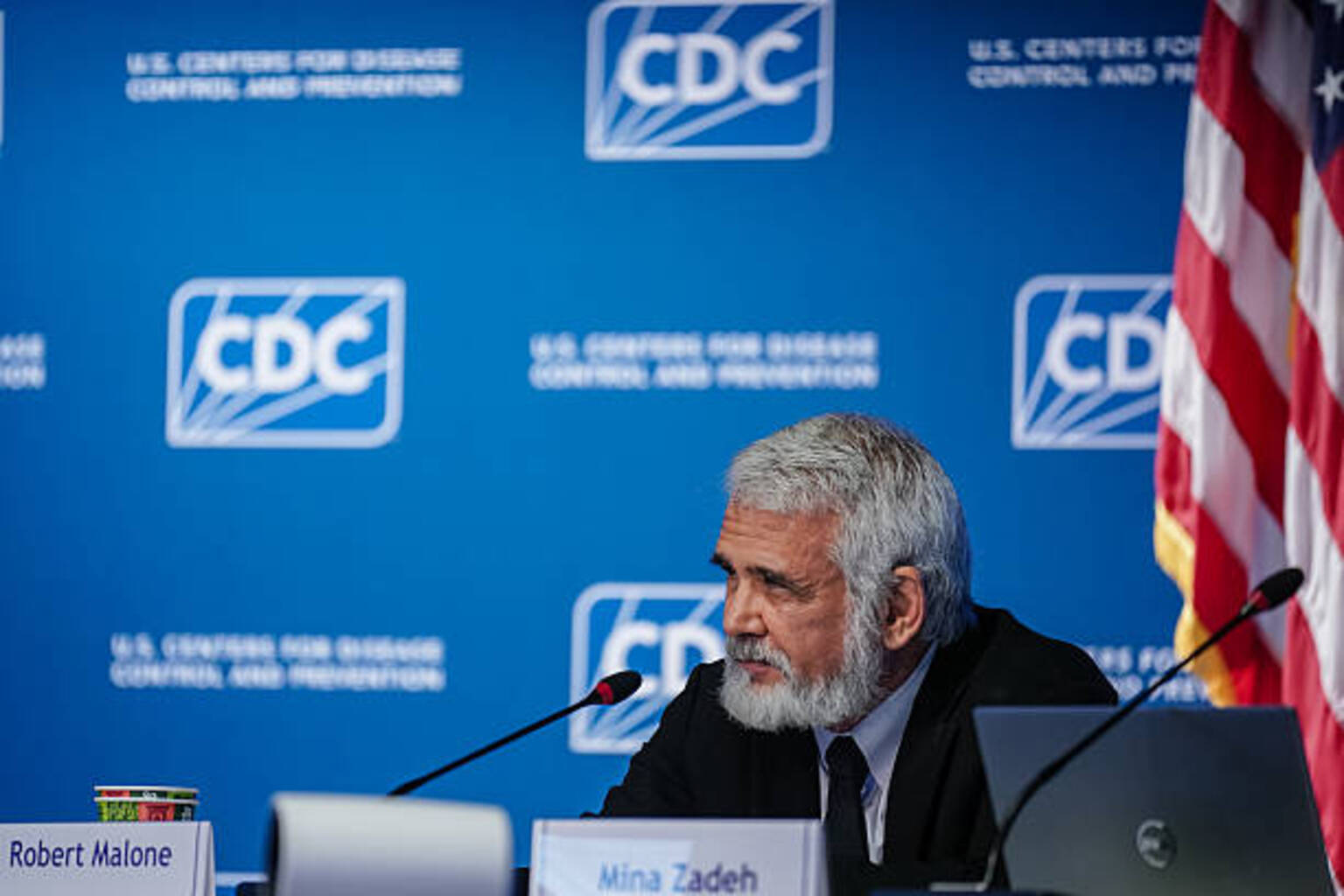
- Shift in Vaccine Policy: Robert Malone, a former member of the CDC's Advisory Committee on Immunization Practices, stated that the Trump administration has relegated vaccines to a secondary issue, viewing it as a 'losing issue,' which indicates a strategic pivot ahead of the midterm elections.
- Political Decision Impact: Malone highlighted that the administration has concluded that the MAHA coalition and the constituents they represent are inconsequential for the midterms, suggesting that this assessment could significantly influence the future direction of vaccine policies as voter priorities shift.
- Vaccine Injury Compensation Request: An anti-vaccine group has petitioned HHS Secretary Robert F. Kennedy Jr. to expand the list of alleged vaccine-related injuries under the Vaccine Injury Compensation Program, a move that may spark broader societal discussions and policy reconsiderations regarding vaccine safety.
- CDC Leadership Nomination Delay: The White House has missed the deadline for nominating a new CDC director, reflecting ongoing uncertainty in vaccine policy and public health leadership, which could impact future public health decisions and vaccine promotion efforts.
See More
Novartis Plans $2 Billion Acquisition of Excellergy for Allergy Treatment

- Acquisition Strategy: Novartis is planning to acquire U.S.-based biotech Excellergy for up to $2 billion, aiming to enhance its allergy drug portfolio by introducing the early-stage candidate Exl-111, which is expected to outperform existing market treatments in speed and efficacy.
- Patent Expiration Response: This acquisition represents Novartis' latest bolt-on deal to counteract looming patent expirations, particularly as its best-selling drugs face generic competition, which is anticipated to positively impact future revenue streams.
- Recent Transaction Activity: Prior to the Excellergy deal, Novartis announced the acquisition of Pikavation Therapeutics for up to $3 billion to secure rights to an experimental breast cancer drug, highlighting its strategic focus on oncology.
- Market Reaction: While Novartis shares traded sideways in morning trading in Zurich, they have increased by 33% over the past year, reflecting market confidence in its acquisition strategy and future growth potential.
See More

GSK Seeks EMA Approval for Bepirovirsen in Chronic Hepatitis B Treatment
- Regulatory Submission Accepted: GSK plc announced that the European Medicines Agency has accepted its marketing authorization application for bepirovirsen, an antiviral drug for adults with chronic hepatitis B, marking a significant milestone in the company's drug development efforts.
- Clinical Trial Results: The application is based on positive outcomes from the B-Well 1 and B-Well 2 Phase III trials, indicating the drug's potential efficacy and safety in treating chronic hepatitis B, which could address a significant unmet medical need.
- Collaborative Development: GSK licensed bepirovirsen from Ionis Pharmaceuticals and collaborated on its development, showcasing the company's strategic partnerships in advancing innovative therapeutics.
- Market Potential Assessment: Although the drug is not yet approved anywhere globally, successful market entry could open new opportunities for GSK in the chronic hepatitis B treatment space, enhancing its competitive position in the biopharmaceutical industry.
See More

Clover Biopharmaceuticals Reports Phase I Trial Results for RSV Vaccine
- Clinical Trial Results: Clover Biopharmaceuticals' Phase I trial of its RSV PreF vaccine (SCB-1019) in the U.S. indicates that heterologous re-vaccination induces approximately 60-80% higher RSV neutralizing antibody levels compared to GSK's AREXVY, demonstrating significant efficacy in older adults.
- Antibody Level Restoration: The updated analysis reveals that SCB-1019 restores antibody levels to about 120-135% of the peak observed after the initial AREXVY dose, while AREXVY re-vaccination only restores approximately 75%, highlighting SCB-1019's superior immune response enhancement.
- Vaccine Coverage Potential: With over 40% of U.S. adults aged 60 and older having received a protein-based RSV vaccine, Clover's findings underscore the potential of its RSV+hMPV±PIV3 combination vaccine candidates to restore waning RSV protection and broaden coverage against related respiratory viruses.
- Ongoing Trial Progress: Clover's ongoing Phase II trial for these combination vaccines began enrollment in January 2026 and is still underway, reflecting the company's continued investment and strategic positioning in the respiratory virus vaccine development space.
See More

Pfizer Seeks Approval for Lyme Disease Vaccine Despite Trial Setback

- Vaccine Development Update: Pfizer announced it will seek regulatory approval for its Lyme disease vaccine despite failing to meet statistical goals in late-stage trials; however, the vaccine demonstrated over a 70% reduction in infection rates, indicating its potential protective capability.
- Market Outlook Assessment: While Pfizer's partner Valneva estimates peak annual sales of $1 billion for the vaccine, Pfizer anticipates overall revenue of around $60 billion, with more than $5 billion coming from its COVID-19 vaccine, highlighting the competitive landscape in the vaccine market.
- Clinical Trial Challenges: In 2023, Pfizer and Valneva dropped about half of the participants due to quality concerns with a third-party clinical trial operator, reducing the trial size from approximately 18,000 to 9,400, which may impact the final efficacy assessment of the vaccine.
- Vaccine Policy Risks: Advancing a vaccine that technically failed a clinical trial under a stricter regulatory environment may pose risks for Pfizer and could serve as a litmus test for vaccine policy in the U.S.
See More
GSK's Exdensur Approved in China for Severe Asthma Treatment
- Drug Approval: GSK's Exdensur (depemokimab) has been approved by China's National Medical Products Administration as an add-on maintenance treatment for severe asthma in patients aged 12 and older, marking a significant advancement in the company's respiratory portfolio.
- Clinical Trial Support: The approval is based on data from the SWIFT-1 and SWIFT-2 phase III trials, demonstrating Exdensur's efficacy in improving patient symptoms, providing a robust scientific foundation for GSK's innovations in asthma treatment.
- Market Strategy: GSK's SVP, Global Head of Respiratory, Immunology & Inflammation R&D, Kaivan Khavandi, stated that with Exdensur approved in several major markets, the company aims to transform the treatment paradigm for severe asthma, further solidifying its market leadership.
- Stock Performance: At the last close, GSK shares were trading at 2,049.00 pence, and the market's reaction to the drug approval could potentially drive the stock price higher, boosting investor confidence.
See More
Vaccines Become a Backburner Issue for Trump Administration Ahead of Midterms
- Shift in Vaccine Policy: Robert Malone, a former member of the CDC's Advisory Committee on Immunization Practices, stated that the Trump administration has relegated vaccines to a secondary issue, viewing it as a 'losing issue,' which indicates a strategic pivot ahead of the midterm elections.
- Political Decision Impact: Malone highlighted that the administration has concluded that the MAHA coalition and the constituents they represent are inconsequential for the midterms, suggesting that this assessment could significantly influence the future direction of vaccine policies as voter priorities shift.
- Vaccine Injury Compensation Request: An anti-vaccine group has petitioned HHS Secretary Robert F. Kennedy Jr. to expand the list of alleged vaccine-related injuries under the Vaccine Injury Compensation Program, a move that may spark broader societal discussions and policy reconsiderations regarding vaccine safety.
- CDC Leadership Nomination Delay: The White House has missed the deadline for nominating a new CDC director, reflecting ongoing uncertainty in vaccine policy and public health leadership, which could impact future public health decisions and vaccine promotion efforts.
See More
Novartis Plans $2 Billion Acquisition of Excellergy for Allergy Treatment
- Acquisition Strategy: Novartis is planning to acquire U.S.-based biotech Excellergy for up to $2 billion, aiming to enhance its allergy drug portfolio by introducing the early-stage candidate Exl-111, which is expected to outperform existing market treatments in speed and efficacy.
- Patent Expiration Response: This acquisition represents Novartis' latest bolt-on deal to counteract looming patent expirations, particularly as its best-selling drugs face generic competition, which is anticipated to positively impact future revenue streams.
- Recent Transaction Activity: Prior to the Excellergy deal, Novartis announced the acquisition of Pikavation Therapeutics for up to $3 billion to secure rights to an experimental breast cancer drug, highlighting its strategic focus on oncology.
- Market Reaction: While Novartis shares traded sideways in morning trading in Zurich, they have increased by 33% over the past year, reflecting market confidence in its acquisition strategy and future growth potential.
See More
GSK Seeks EMA Approval for Bepirovirsen in Chronic Hepatitis B Treatment
- Regulatory Submission Accepted: GSK plc announced that the European Medicines Agency has accepted its marketing authorization application for bepirovirsen, an antiviral drug for adults with chronic hepatitis B, marking a significant milestone in the company's drug development efforts.
- Clinical Trial Results: The application is based on positive outcomes from the B-Well 1 and B-Well 2 Phase III trials, indicating the drug's potential efficacy and safety in treating chronic hepatitis B, which could address a significant unmet medical need.
- Collaborative Development: GSK licensed bepirovirsen from Ionis Pharmaceuticals and collaborated on its development, showcasing the company's strategic partnerships in advancing innovative therapeutics.
- Market Potential Assessment: Although the drug is not yet approved anywhere globally, successful market entry could open new opportunities for GSK in the chronic hepatitis B treatment space, enhancing its competitive position in the biopharmaceutical industry.
See More
Clover Biopharmaceuticals Reports Phase I Trial Results for RSV Vaccine
- Clinical Trial Results: Clover Biopharmaceuticals' Phase I trial of its RSV PreF vaccine (SCB-1019) in the U.S. indicates that heterologous re-vaccination induces approximately 60-80% higher RSV neutralizing antibody levels compared to GSK's AREXVY, demonstrating significant efficacy in older adults.
- Antibody Level Restoration: The updated analysis reveals that SCB-1019 restores antibody levels to about 120-135% of the peak observed after the initial AREXVY dose, while AREXVY re-vaccination only restores approximately 75%, highlighting SCB-1019's superior immune response enhancement.
- Vaccine Coverage Potential: With over 40% of U.S. adults aged 60 and older having received a protein-based RSV vaccine, Clover's findings underscore the potential of its RSV+hMPV±PIV3 combination vaccine candidates to restore waning RSV protection and broaden coverage against related respiratory viruses.
- Ongoing Trial Progress: Clover's ongoing Phase II trial for these combination vaccines began enrollment in January 2026 and is still underway, reflecting the company's continued investment and strategic positioning in the respiratory virus vaccine development space.
See More
Pfizer Seeks Approval for Lyme Disease Vaccine Despite Trial Setback
- Vaccine Development Update: Pfizer announced it will seek regulatory approval for its Lyme disease vaccine despite failing to meet statistical goals in late-stage trials; however, the vaccine demonstrated over a 70% reduction in infection rates, indicating its potential protective capability.
- Market Outlook Assessment: While Pfizer's partner Valneva estimates peak annual sales of $1 billion for the vaccine, Pfizer anticipates overall revenue of around $60 billion, with more than $5 billion coming from its COVID-19 vaccine, highlighting the competitive landscape in the vaccine market.
- Clinical Trial Challenges: In 2023, Pfizer and Valneva dropped about half of the participants due to quality concerns with a third-party clinical trial operator, reducing the trial size from approximately 18,000 to 9,400, which may impact the final efficacy assessment of the vaccine.
- Vaccine Policy Risks: Advancing a vaccine that technically failed a clinical trial under a stricter regulatory environment may pose risks for Pfizer and could serve as a litmus test for vaccine policy in the U.S.
See More