GSK Reports Positive Phase I Trial Results for Mo-Rez Antibody-Drug Conjugate
- Trial Results: GSK's global BEHOLD-1 trial for the Mo-Rez antibody-drug conjugate targeting B7-H4 antigen achieved a 62% objective response rate in platinum-resistant ovarian cancer, indicating broad potential in gynecologic cancer treatment.
- Safety Profile: At the highest doses, no patients in the PROC group discontinued treatment due to treatment-related adverse events, while only 4% of EC patients did, suggesting a favorable safety profile for Mo-Rez in further development.
- Adverse Events Monitoring: The most common treatment-related adverse event was nausea, occurring in 82% of PROC and 75% of EC patients, with grade 3 or higher adverse events reported in 64% and 54% of patients, respectively, aligning with expectations for this therapy class.
- Future Trial Plans: Based on the promising efficacy and safety data, GSK plans to launch five pivotal phase III trials in 2026, with a recommended dose of 5.8 mg/kg to further validate Mo-Rez's clinical application.
Trade with 70% Backtested Accuracy
Analyst Views on GSK

About GSK
About the author


GSK Reports Positive Phase I Trial Results for Mo-Rez Antibody-Drug Conjugate

- Trial Results: GSK's global BEHOLD-1 trial for the Mo-Rez antibody-drug conjugate targeting B7-H4 antigen achieved a 62% objective response rate in platinum-resistant ovarian cancer, indicating broad potential in gynecologic cancer treatment.
- Safety Profile: At the highest doses, no patients in the PROC group discontinued treatment due to treatment-related adverse events, while only 4% of EC patients did, suggesting a favorable safety profile for Mo-Rez in further development.
- Adverse Events Monitoring: The most common treatment-related adverse event was nausea, occurring in 82% of PROC and 75% of EC patients, with grade 3 or higher adverse events reported in 64% and 54% of patients, respectively, aligning with expectations for this therapy class.
- Future Trial Plans: Based on the promising efficacy and safety data, GSK plans to launch five pivotal phase III trials in 2026, with a recommended dose of 5.8 mg/kg to further validate Mo-Rez's clinical application.
GSK's Bold Move into Oncology with Five Late-Stage Trials
- Oncology Trial Strategy: GSK is launching five late-stage clinical trials simultaneously for its promising cancer drug Mo-Rez, including three for ovarian cancer and two for endometrial cancer, indicating a significant shift in the company's historically criticized drug development pipeline towards a more aggressive oncology focus.
- Leadership Impact: Since the appointment of new CEO Luke Miels in September, GSK's stock has surged approximately 50%, as he emphasizes the need for bolder decision-making, reflecting a strategic pivot to address investor concerns over the company's previous conservative approach.
- Competitive Strategy Shift: This strategy mirrors tactics employed by rivals like AstraZeneca, which has advanced in oncology since GSK stepped back in 2015; GSK's re-entry into the field through acquisitions and focus on gynecologic and blood cancers demonstrates its repositioning in the market.
- Promising Early Results: Early data presented at a recent oncology conference showed encouraging response rates of 62% in ovarian cancer patients and 67% in endometrial cancer patients, suggesting Mo-Rez's potential as a blockbuster drug and enhancing GSK's prospects in the oncology sector.

CDC Vaccine Advisory Committee Receives New Operating Rules

- Expanded Committee Role: HHS Secretary Robert F. Kennedy Jr. has signed new rules that significantly expand the CDC Vaccine Advisory Committee's role, moving beyond domestic vaccine recommendations to encompass a broader range of public health initiatives, aiming to enhance the comprehensiveness and effectiveness of vaccine policy.
- Focus on Safety Research: The new rules emphasize identifying gaps in vaccine safety research, including adverse effects post-vaccination, reflecting a heightened concern for vaccine safety that could influence public trust and acceptance, thereby impacting vaccination rates.
- Assessment of New Technologies: The committee is now tasked with considering novel vaccine platforms, such as mRNA vaccines, which were utilized in COVID-19 vaccines, indicating a focus on future vaccine technology developments that may drive innovation and progress in vaccine research.
- Transparent Decision-Making: The new rules mandate a transparent, evidence-driven decision-making process for the committee, requiring the review of clinical data and expert consultations to ensure the scientific validity of vaccine recommendations, which will help enhance public trust in CDC guidance.
GSK Withdraws Approval for Wellcovorin Drug
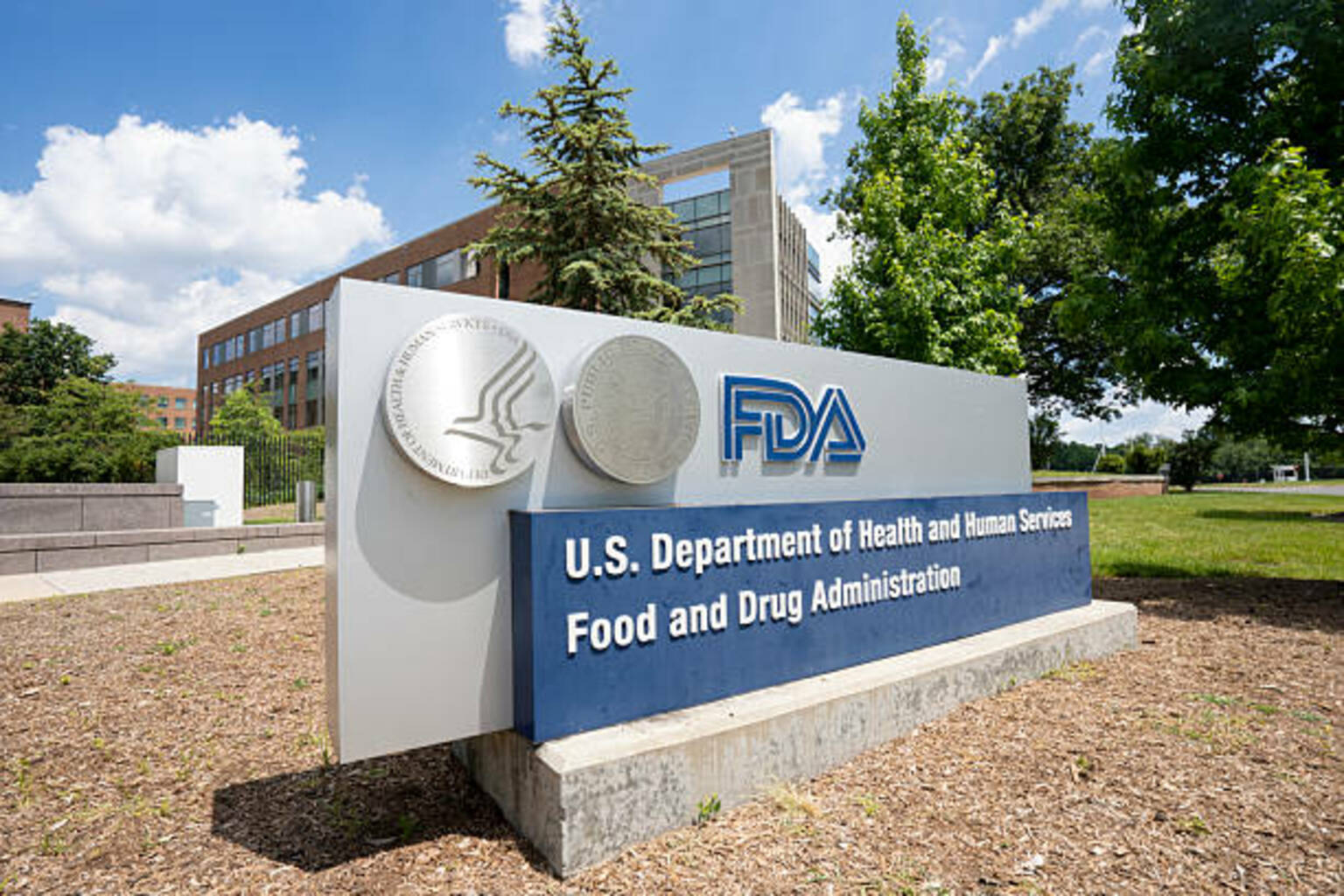
- Approval Withdrawal: The FDA has announced the withdrawal of GSK's Wellcovorin drug approval, which was previously promoted by the Trump administration for autism treatment, indicating a stringent regulatory review process in the pharmaceutical market.
- Market Exit Announcement: GSK has informed the FDA that Wellcovorin (leucovorin calcium) tablets are no longer marketed, and the company ceased sales in 1999, reflecting a lack of optimism regarding the drug's market potential.
- Waiver of Hearing Rights: GSK has chosen to waive its opportunity for a hearing, demonstrating acceptance of the FDA's decision and indicating a strategic shift in the company's drug development focus towards other pharmaceuticals.
- Availability of Alternatives: The FDA noted that approved generic formulations of leucovorin can now be used to treat cerebral folate transport deficiency in patients with specific genetic variants, highlighting the presence of effective alternative treatment options in the market.
GSK Withdraws Autism Drug Application
- Application Withdrawal: GSK has requested the U.S. FDA to withdraw its application for leucovorin calcium, a drug previously touted by President Trump as a potential autism treatment, indicating the company's negative outlook on the drug's market potential.
- Market Stagnation: GSK has not marketed leucovorin calcium since 1999, suggesting a complete lack of commercial interest in the drug, which may impact its reputation in related therapeutic areas.
- FDA Approval Status: Although the FDA approved the drug for cerebral folate transport deficiency last month, it did not approve it for autism, reflecting regulatory caution regarding the drug's efficacy in treating autism.
- Company Statement: A GSK spokesperson stated that the company never intended to sell the drug again, further confirming its strategic shift away from leucovorin calcium towards other therapeutic areas.

Three Affordable Small-Cap Stocks That Deserve Another Look


P/E Ratio Overview: The price-to-earnings (P/E) ratio is a key metric for evaluating a company's valuation, with the average P/E ratio for S&P 500 stocks around 27x. Stocks with a P/E below 12x may offer value, often found among smaller companies that attract less institutional investment.
Innoviva's Unique Business Model: Innoviva, a biotechnology company, operates with a three-part business model and has shown strong revenue growth. It is becoming less reliant on royalty revenue, which has decreased from 72% to 60%, indicating diversification in its income sources.
Wendy's Challenges and Opportunities: Wendy's is facing declining sales and earnings, attributed to reduced consumer dining out. However, it is controlling its operations by shutting underperforming restaurants and showing solid international growth, alongside a high dividend yield of over 8%.
Nabors Industries and Oil Market Trends: Nabors Industries, an oil and gas drilling services company, is experiencing gains due to rising oil prices. Analysts are optimistic about its potential, although the stock's price targets suggest limited upside, making it a speculative pick in the current market.
GSK Reports Positive Phase I Trial Results for Mo-Rez Antibody-Drug Conjugate
- Trial Results: GSK's global BEHOLD-1 trial for the Mo-Rez antibody-drug conjugate targeting B7-H4 antigen achieved a 62% objective response rate in platinum-resistant ovarian cancer, indicating broad potential in gynecologic cancer treatment.
- Safety Profile: At the highest doses, no patients in the PROC group discontinued treatment due to treatment-related adverse events, while only 4% of EC patients did, suggesting a favorable safety profile for Mo-Rez in further development.
- Adverse Events Monitoring: The most common treatment-related adverse event was nausea, occurring in 82% of PROC and 75% of EC patients, with grade 3 or higher adverse events reported in 64% and 54% of patients, respectively, aligning with expectations for this therapy class.
- Future Trial Plans: Based on the promising efficacy and safety data, GSK plans to launch five pivotal phase III trials in 2026, with a recommended dose of 5.8 mg/kg to further validate Mo-Rez's clinical application.
GSK's Bold Move into Oncology with Five Late-Stage Trials
- Oncology Trial Strategy: GSK is launching five late-stage clinical trials simultaneously for its promising cancer drug Mo-Rez, including three for ovarian cancer and two for endometrial cancer, indicating a significant shift in the company's historically criticized drug development pipeline towards a more aggressive oncology focus.
- Leadership Impact: Since the appointment of new CEO Luke Miels in September, GSK's stock has surged approximately 50%, as he emphasizes the need for bolder decision-making, reflecting a strategic pivot to address investor concerns over the company's previous conservative approach.
- Competitive Strategy Shift: This strategy mirrors tactics employed by rivals like AstraZeneca, which has advanced in oncology since GSK stepped back in 2015; GSK's re-entry into the field through acquisitions and focus on gynecologic and blood cancers demonstrates its repositioning in the market.
- Promising Early Results: Early data presented at a recent oncology conference showed encouraging response rates of 62% in ovarian cancer patients and 67% in endometrial cancer patients, suggesting Mo-Rez's potential as a blockbuster drug and enhancing GSK's prospects in the oncology sector.
CDC Vaccine Advisory Committee Receives New Operating Rules
- Expanded Committee Role: HHS Secretary Robert F. Kennedy Jr. has signed new rules that significantly expand the CDC Vaccine Advisory Committee's role, moving beyond domestic vaccine recommendations to encompass a broader range of public health initiatives, aiming to enhance the comprehensiveness and effectiveness of vaccine policy.
- Focus on Safety Research: The new rules emphasize identifying gaps in vaccine safety research, including adverse effects post-vaccination, reflecting a heightened concern for vaccine safety that could influence public trust and acceptance, thereby impacting vaccination rates.
- Assessment of New Technologies: The committee is now tasked with considering novel vaccine platforms, such as mRNA vaccines, which were utilized in COVID-19 vaccines, indicating a focus on future vaccine technology developments that may drive innovation and progress in vaccine research.
- Transparent Decision-Making: The new rules mandate a transparent, evidence-driven decision-making process for the committee, requiring the review of clinical data and expert consultations to ensure the scientific validity of vaccine recommendations, which will help enhance public trust in CDC guidance.
GSK Withdraws Approval for Wellcovorin Drug
- Approval Withdrawal: The FDA has announced the withdrawal of GSK's Wellcovorin drug approval, which was previously promoted by the Trump administration for autism treatment, indicating a stringent regulatory review process in the pharmaceutical market.
- Market Exit Announcement: GSK has informed the FDA that Wellcovorin (leucovorin calcium) tablets are no longer marketed, and the company ceased sales in 1999, reflecting a lack of optimism regarding the drug's market potential.
- Waiver of Hearing Rights: GSK has chosen to waive its opportunity for a hearing, demonstrating acceptance of the FDA's decision and indicating a strategic shift in the company's drug development focus towards other pharmaceuticals.
- Availability of Alternatives: The FDA noted that approved generic formulations of leucovorin can now be used to treat cerebral folate transport deficiency in patients with specific genetic variants, highlighting the presence of effective alternative treatment options in the market.
GSK Withdraws Autism Drug Application
- Application Withdrawal: GSK has requested the U.S. FDA to withdraw its application for leucovorin calcium, a drug previously touted by President Trump as a potential autism treatment, indicating the company's negative outlook on the drug's market potential.
- Market Stagnation: GSK has not marketed leucovorin calcium since 1999, suggesting a complete lack of commercial interest in the drug, which may impact its reputation in related therapeutic areas.
- FDA Approval Status: Although the FDA approved the drug for cerebral folate transport deficiency last month, it did not approve it for autism, reflecting regulatory caution regarding the drug's efficacy in treating autism.
- Company Statement: A GSK spokesperson stated that the company never intended to sell the drug again, further confirming its strategic shift away from leucovorin calcium towards other therapeutic areas.
Three Affordable Small-Cap Stocks That Deserve Another Look
P/E Ratio Overview: The price-to-earnings (P/E) ratio is a key metric for evaluating a company's valuation, with the average P/E ratio for S&P 500 stocks around 27x. Stocks with a P/E below 12x may offer value, often found among smaller companies that attract less institutional investment.
Innoviva's Unique Business Model: Innoviva, a biotechnology company, operates with a three-part business model and has shown strong revenue growth. It is becoming less reliant on royalty revenue, which has decreased from 72% to 60%, indicating diversification in its income sources.
Wendy's Challenges and Opportunities: Wendy's is facing declining sales and earnings, attributed to reduced consumer dining out. However, it is controlling its operations by shutting underperforming restaurants and showing solid international growth, alongside a high dividend yield of over 8%.
Nabors Industries and Oil Market Trends: Nabors Industries, an oil and gas drilling services company, is experiencing gains due to rising oil prices. Analysts are optimistic about its potential, although the stock's price targets suggest limited upside, making it a speculative pick in the current market.