Greece to Ban Social Media for Children Under 15 Starting Next Year
Written by Emily J. Thompson, Senior Investment Analyst
Updated: 1 hour ago
0mins
Should l Buy META?
Source: seekingalpha
- Child Protection Policy: Greek Prime Minister Kyriakos Mitsotakis announced a ban on social media for children under 15 starting January 1, 2027, aimed at safeguarding children's mental health, responding to scientific findings that prolonged screen time negatively impacts children's brains.
- Legislative Process: The ban requires parliamentary approval and is expected to become law, marking a significant step in Greece's efforts for child online safety, potentially pushing the EU to adopt similar measures for child protection.
- Existing Measures: The Greek government has already prohibited mobile phone use in schools and launched the 'Kids Wallet' app to assist parents in managing and supervising their children's online presence, further enhancing child protection efforts.
- International Trend: Greece's ban follows similar actions by Australia and Indonesia, reflecting a global concern regarding children's social media usage, with several countries including the UK, Spain, and France considering implementing similar restrictions.
Trade with 70% Backtested Accuracy
Stop guessing "Should I Buy META?" and start using high-conviction signals backed by rigorous historical data.
Sign up today to access powerful investing tools and make smarter, data-driven decisions.
Analyst Views on META
Wall Street analysts forecast META stock price to rise
44 Analyst Rating
37 Buy
6 Hold
1 Sell
Strong Buy
Current: 573.020

Low
655.15
Averages
824.71
High
1117
Current: 573.020
Low
655.15
Averages
824.71
High
1117
About META
Meta Platforms, Inc. is building human connections, powered by artificial intelligence and immersive technologies. The Company's products enable people to connect and share with friends and family through mobile devices, personal computers, virtual reality (VR) and mixed reality (MR) headsets, augmented reality (AR), and wearables. It also helps people discover and learn about what is going on in the world around them, enabling people to share their experiences, ideas, photos, videos, and other content with audiences ranging from their closest family members and friends to the public at large. The Company's segments include Family of Apps (FoA) and Reality Labs (RL). FoA segment includes Facebook, Instagram, Messenger, WhatsApp and Threads. RL segment includes its virtual, augmented, and mixed reality related consumer hardware, software and content. Its product offerings in VR include its Meta Quest devices, as well as software and content available through the Meta Horizon Store.
About the author

Emily J. Thompson
Emily J. Thompson, a Chartered Financial Analyst (CFA) with 12 years in investment research, graduated with honors from the Wharton School. Specializing in industrial and technology stocks, she provides in-depth analysis for Intellectia’s earnings and market brief reports.

Meta Platforms Reports Weak Earnings Growth Amid Rising Costs

- Revenue Growth: In the last quarter of 2025, Meta's revenue increased by 24% year-over-year to $59.9 billion, although this impressive growth rate appears weak when compared to rising costs.
- Cost Pressure: The company's costs and expenses surged by 40% in the same quarter, significantly outpacing revenue growth, resulting in only a 6% increase in overall operating income, indicating potential profitability risks.
- Investment and Spending: Meta continues to invest heavily in next-gen technologies like the metaverse and AI, and while the returns are unclear, this spending pattern may exacerbate earnings growth challenges in upcoming quarters.
- Market Sentiment Shift: Meta's stock has fallen about 13% this year and is down nearly 30% from its 52-week high of $796.25, with investor concerns over lawsuits related to social media addiction potentially further impacting its stock performance.
See More

Australia Implements Social Media Ban for Under-16s


- Social Media Ban Enforced: Australia has become the first country to implement a sweeping social media ban for under-16s, mandating age verification for platforms like Meta, ByteDance, and Google, aiming to protect youth from potential mental health harms associated with social media use.
- Legislative Trend Expansion: Following Australia's lead, several European countries, including the U.K., Spain, France, and Austria, are drafting similar proposals, indicating a growing global regulatory push against teen social media usage that could inspire further legislative actions.
- Insufficient Law Enforcement: Experts highlight that despite existing laws, governments have failed to enforce them effectively, allowing tech companies to evade accountability, and they urge for stricter regulations to ensure that these companies prioritize youth safety in their product designs.
- Youth Response: After the ban's implementation, many Australian teens resorted to downloading VPNs to bypass restrictions, raising questions about the ban's effectiveness and sparking concerns about the potential shift towards less regulated online environments for social interaction.
See More

Greece to Ban Social Media for Children Under 15 Starting Next Year

- Child Protection Policy: Greek Prime Minister Kyriakos Mitsotakis announced a ban on social media for children under 15 starting January 1, 2027, aimed at safeguarding children's mental health, responding to scientific findings that prolonged screen time negatively impacts children's brains.
- Legislative Process: The ban requires parliamentary approval and is expected to become law, marking a significant step in Greece's efforts for child online safety, potentially pushing the EU to adopt similar measures for child protection.
- Existing Measures: The Greek government has already prohibited mobile phone use in schools and launched the 'Kids Wallet' app to assist parents in managing and supervising their children's online presence, further enhancing child protection efforts.
- International Trend: Greece's ban follows similar actions by Australia and Indonesia, reflecting a global concern regarding children's social media usage, with several countries including the UK, Spain, and France considering implementing similar restrictions.
See More
US Stocks Rally: Meta and Tesla Lead Gains


- Market Rebound: Following the US-Iran temporary ceasefire agreement, Meta and Tesla stocks rose approximately 4.7% in Wednesday's premarket trading, reflecting investor confidence that the market may have bottomed out, potentially driving a broader market recovery.
- Big Tech Performance: Shares of Alphabet and Nvidia increased by 4.2% and 3.7%, respectively, despite year-to-date declines of 2.5% and 4.5%, indicating that this rebound could positively impact their annual performance, especially against the backdrop of a strong recovery in the semiconductor sector.
- Improved Investor Sentiment: On Stocktwits, AAPL's sentiment was rated as 'extremely bullish', while other major tech stocks showed a general improvement in sentiment, suggesting a growing optimism about future growth that may attract more retail investors into the market.
- Geopolitical Impact: The ceasefire agreement announced by Trump provides short-term stability to the market, with oil prices dropping over 13% to $94.49, alleviating pressures from the global energy crisis and potentially creating further upside for the stock market.
See More

Countries Consider Banning Social Media for Children Amid Safety Concerns
- Social Media Ban Discussions: Several countries, including the U.K. and France, are considering banning social media for children, with Australia being the first to enforce such a ban requiring platforms like Meta's Instagram and TikTok to implement age verification, which could significantly reduce youth social interaction.
- Legislative and Regulatory Gaps: Experts argue that governments should focus on enforcing existing laws rather than imposing blanket bans, emphasizing that the U.K.'s Online Safety Act should mandate safety features on social platforms; failure to regulate effectively may lead to increased legislative pressure on tech companies.
- Impact on Youth Mental Health: The social media ban is criticized as a
See More

U.S.-Iran Ceasefire Agreement Sparks Positive Market Reaction

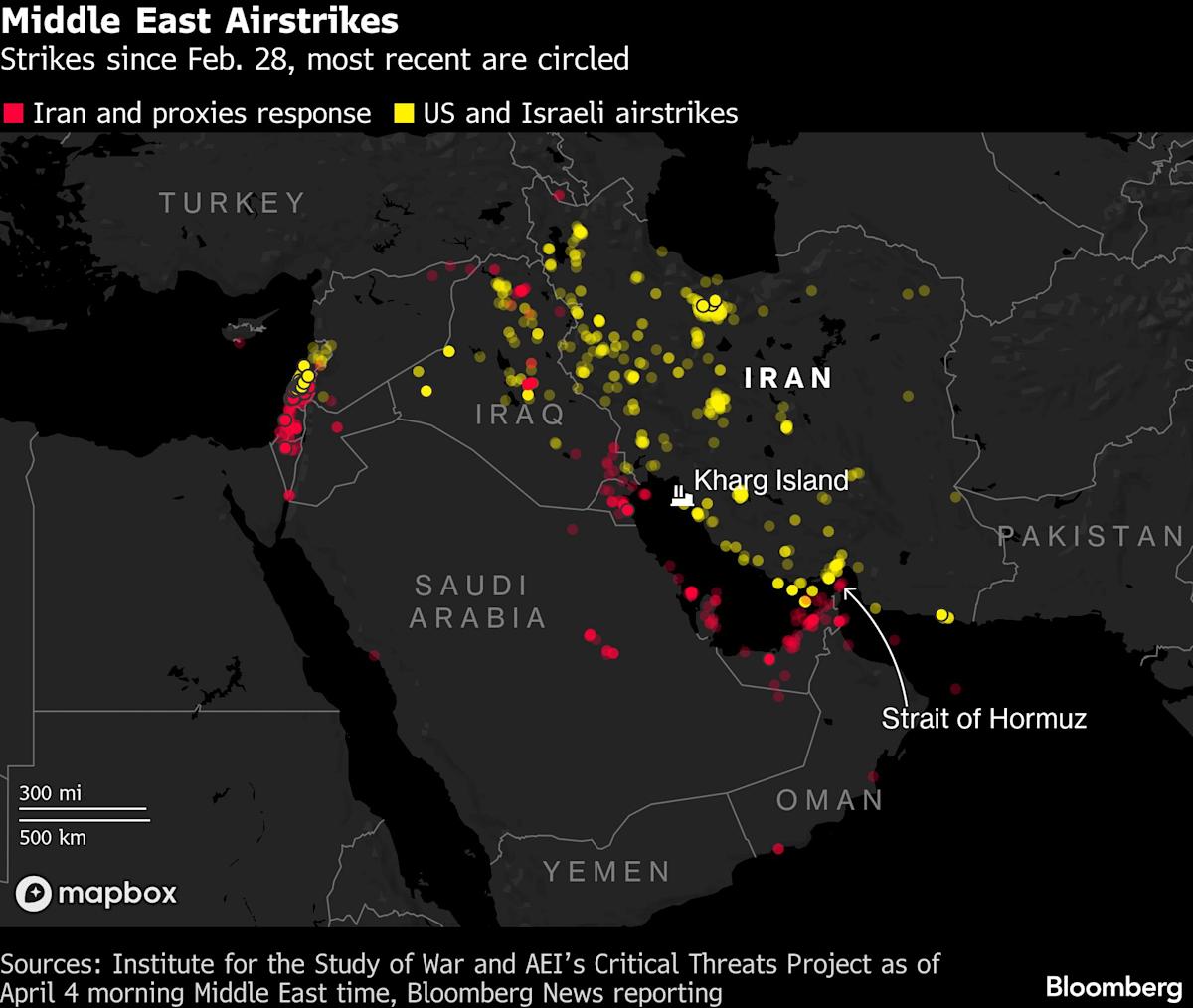
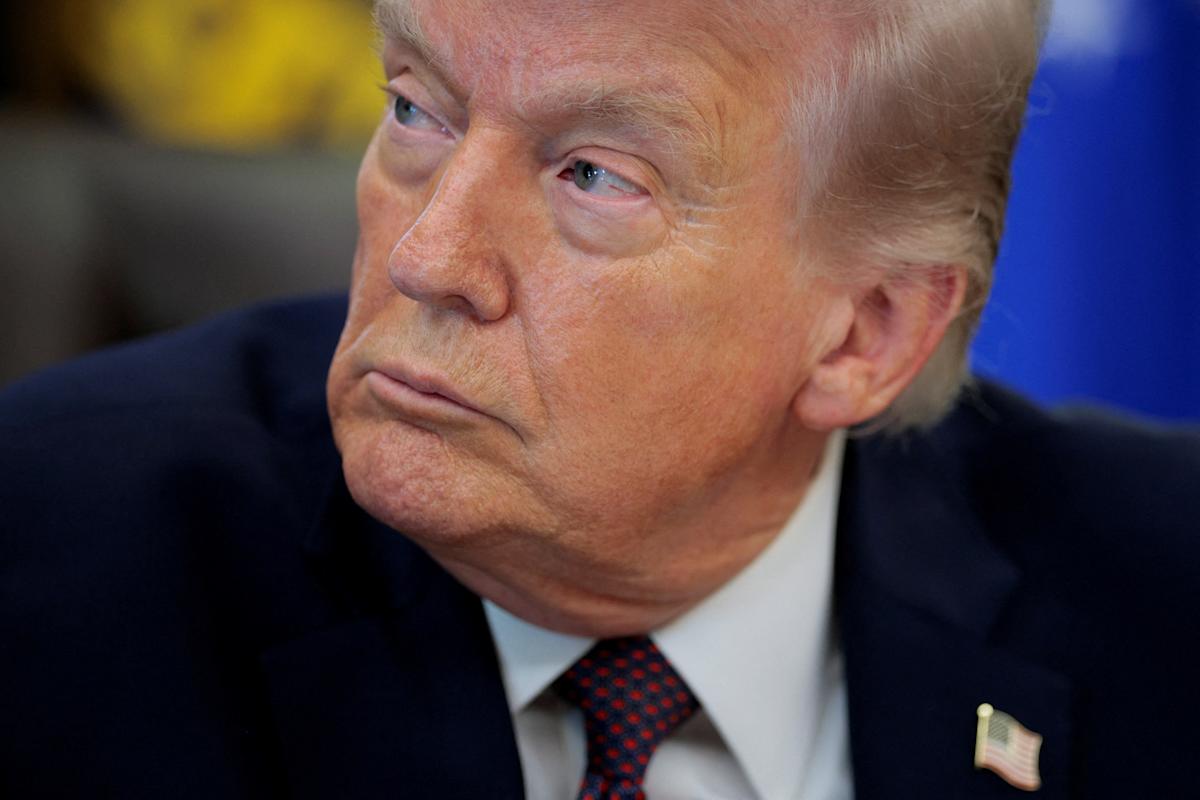
- Ceasefire Agreement Reached: President Trump announced a two-week ceasefire with Iran, leading to a positive market reaction as equity markets surged, particularly with Dow futures gaining over 1,000 points, indicating strong investor optimism.
- Oil Prices Plummet: Following the ceasefire announcement, both Brent and WTI crude oil prices fell below $100 per barrel, reflecting market expectations for reduced geopolitical tensions and potentially stabilizing the global energy market.
- Middle Eastern Alerts Triggered: Despite the ceasefire taking effect, several Middle Eastern countries reported missile and drone launches from Iran, prompting air defense systems to activate across the Gulf, highlighting the ongoing complexities and uncertainties in the region.
- Israel's Firm Stance: Israeli Prime Minister Netanyahu stated that the ceasefire would not apply to Lebanon, emphasizing Israel's security interests in the region, which could influence future diplomatic negotiations and regional stability.
See More
Meta Platforms Reports Weak Earnings Growth Amid Rising Costs
- Revenue Growth: In the last quarter of 2025, Meta's revenue increased by 24% year-over-year to $59.9 billion, although this impressive growth rate appears weak when compared to rising costs.
- Cost Pressure: The company's costs and expenses surged by 40% in the same quarter, significantly outpacing revenue growth, resulting in only a 6% increase in overall operating income, indicating potential profitability risks.
- Investment and Spending: Meta continues to invest heavily in next-gen technologies like the metaverse and AI, and while the returns are unclear, this spending pattern may exacerbate earnings growth challenges in upcoming quarters.
- Market Sentiment Shift: Meta's stock has fallen about 13% this year and is down nearly 30% from its 52-week high of $796.25, with investor concerns over lawsuits related to social media addiction potentially further impacting its stock performance.
See More
Australia Implements Social Media Ban for Under-16s
- Social Media Ban Enforced: Australia has become the first country to implement a sweeping social media ban for under-16s, mandating age verification for platforms like Meta, ByteDance, and Google, aiming to protect youth from potential mental health harms associated with social media use.
- Legislative Trend Expansion: Following Australia's lead, several European countries, including the U.K., Spain, France, and Austria, are drafting similar proposals, indicating a growing global regulatory push against teen social media usage that could inspire further legislative actions.
- Insufficient Law Enforcement: Experts highlight that despite existing laws, governments have failed to enforce them effectively, allowing tech companies to evade accountability, and they urge for stricter regulations to ensure that these companies prioritize youth safety in their product designs.
- Youth Response: After the ban's implementation, many Australian teens resorted to downloading VPNs to bypass restrictions, raising questions about the ban's effectiveness and sparking concerns about the potential shift towards less regulated online environments for social interaction.
See More
Greece to Ban Social Media for Children Under 15 Starting Next Year
- Child Protection Policy: Greek Prime Minister Kyriakos Mitsotakis announced a ban on social media for children under 15 starting January 1, 2027, aimed at safeguarding children's mental health, responding to scientific findings that prolonged screen time negatively impacts children's brains.
- Legislative Process: The ban requires parliamentary approval and is expected to become law, marking a significant step in Greece's efforts for child online safety, potentially pushing the EU to adopt similar measures for child protection.
- Existing Measures: The Greek government has already prohibited mobile phone use in schools and launched the 'Kids Wallet' app to assist parents in managing and supervising their children's online presence, further enhancing child protection efforts.
- International Trend: Greece's ban follows similar actions by Australia and Indonesia, reflecting a global concern regarding children's social media usage, with several countries including the UK, Spain, and France considering implementing similar restrictions.
See More
US Stocks Rally: Meta and Tesla Lead Gains
- Market Rebound: Following the US-Iran temporary ceasefire agreement, Meta and Tesla stocks rose approximately 4.7% in Wednesday's premarket trading, reflecting investor confidence that the market may have bottomed out, potentially driving a broader market recovery.
- Big Tech Performance: Shares of Alphabet and Nvidia increased by 4.2% and 3.7%, respectively, despite year-to-date declines of 2.5% and 4.5%, indicating that this rebound could positively impact their annual performance, especially against the backdrop of a strong recovery in the semiconductor sector.
- Improved Investor Sentiment: On Stocktwits, AAPL's sentiment was rated as 'extremely bullish', while other major tech stocks showed a general improvement in sentiment, suggesting a growing optimism about future growth that may attract more retail investors into the market.
- Geopolitical Impact: The ceasefire agreement announced by Trump provides short-term stability to the market, with oil prices dropping over 13% to $94.49, alleviating pressures from the global energy crisis and potentially creating further upside for the stock market.
See More
Countries Consider Banning Social Media for Children Amid Safety Concerns
- Social Media Ban Discussions: Several countries, including the U.K. and France, are considering banning social media for children, with Australia being the first to enforce such a ban requiring platforms like Meta's Instagram and TikTok to implement age verification, which could significantly reduce youth social interaction.
- Legislative and Regulatory Gaps: Experts argue that governments should focus on enforcing existing laws rather than imposing blanket bans, emphasizing that the U.K.'s Online Safety Act should mandate safety features on social platforms; failure to regulate effectively may lead to increased legislative pressure on tech companies.
- Impact on Youth Mental Health: The social media ban is criticized as a
See More
U.S.-Iran Ceasefire Agreement Sparks Positive Market Reaction
- Ceasefire Agreement Reached: President Trump announced a two-week ceasefire with Iran, leading to a positive market reaction as equity markets surged, particularly with Dow futures gaining over 1,000 points, indicating strong investor optimism.
- Oil Prices Plummet: Following the ceasefire announcement, both Brent and WTI crude oil prices fell below $100 per barrel, reflecting market expectations for reduced geopolitical tensions and potentially stabilizing the global energy market.
- Middle Eastern Alerts Triggered: Despite the ceasefire taking effect, several Middle Eastern countries reported missile and drone launches from Iran, prompting air defense systems to activate across the Gulf, highlighting the ongoing complexities and uncertainties in the region.
- Israel's Firm Stance: Israeli Prime Minister Netanyahu stated that the ceasefire would not apply to Lebanon, emphasizing Israel's security interests in the region, which could influence future diplomatic negotiations and regional stability.
See More