Greece Boosts Defense Spending by $36 Billion
Written by Emily J. Thompson, Senior Investment Analyst
Updated: 1 hour ago
0mins
Should l Buy LMT?
Source: Fool
- Defense Spending Plan: Greece's parliamentary committee has approved a ten-year spending package of up to $36 billion aimed at enhancing its air defense system, particularly the 'Achilles Shield,' akin to Israel's 'Iron Dome,' to prepare for potential tensions with Turkey.
- Impact on Lockheed: While Greece's spending commitment is positive for Lockheed Martin (LMT) investors, it is unlikely to significantly boost the stock price in the near term, as shares dipped 2.52% over the past five days.
- Long-term Investment Outlook: Although Greece's $36 billion spending plan will not have an immediate impact on Lockheed's earnings, it supports a long-term investment thesis, especially against the backdrop of rising global defense budgets.
- Aircraft Upgrades and Purchases: Greece plans to upgrade 38 F-16s and purchase 20 new F-35s, with Lockheed having delivered a record number of these jets last year, indicating its capability to meet client demands effectively.
Trade with 70% Backtested Accuracy
Stop guessing "Should I Buy LMT?" and start using high-conviction signals backed by rigorous historical data.
Sign up today to access powerful investing tools and make smarter, data-driven decisions.
Analyst Views on LMT
Wall Street analysts forecast LMT stock price to fall
12 Analyst Rating
4 Buy
7 Hold
1 Sell
Hold
Current: 642.280

Low
430.00
Averages
535.50
High
605.00
Current: 642.280
Low
430.00
Averages
535.50
High
605.00
About LMT
Lockheed Martin Corporation is a global aerospace and defense company. The Company is engaged in the research, design, development, manufacture, integration and sustainment of advanced technology systems, products and services. Its segments include Aeronautics, Missiles and Fire Control (MFC), Rotary and Mission Systems (RMS) and Space. Aeronautics segment is engaged in the research, design, development, manufacture, integration, sustainment, support and upgrade of advanced military aircraft. MFC segment provides air and missile defense systems, manned and unmanned ground vehicles, energy management solutions, and others. RMS segment designs, manufactures, services and supports various military and commercial helicopters, surface ships, sea and land-based missile defense systems, and others. Its Space segment is engaged in the research and design, development, engineering and production of satellites, space transportation systems, and strategic, advanced strike, and defensive systems.
About the author

Emily J. Thompson
Emily J. Thompson, a Chartered Financial Analyst (CFA) with 12 years in investment research, graduated with honors from the Wharton School. Specializing in industrial and technology stocks, she provides in-depth analysis for Intellectia’s earnings and market brief reports.

U.S. Army Poised to Deploy First Hypersonic Weapons System

- Accelerated Deployment: A senior U.S. Army official indicated that the first hypersonic weapons system could be deployed within weeks, presenting a more optimistic timeline than recent Pentagon assessments, which underscores the Army's urgency and commitment to advancing its weapon systems.
- Production Collaboration: The Army is collaborating with Lockheed Martin to ramp up missile production; although these complex systems still require some manual assembly, this partnership will help expedite delivery and enhance U.S. competitiveness in hypersonic weaponry.
- Insufficient Testing Data: Despite the Army official's optimistic remarks contrasting with a Pentagon testing office report that stated the hypersonic system, known as Dark Eagle, has not yet generated sufficient data for a full operational assessment, the Army retains the option to deploy the system sooner, demonstrating its adaptive capabilities.
- Investment Context: The U.S. has invested over $12 billion in hypersonic weapons development since 2018, and while it lags behind China and Russia in fielding this technology, such investment reflects the U.S. commitment to enhancing its defense capabilities, particularly in the face of global security challenges.
See More

Greece Boosts Defense Spending by $36 Billion
- Defense Spending Plan: Greece's parliamentary committee has approved a ten-year spending package of up to $36 billion aimed at enhancing its air defense system, particularly the 'Achilles Shield,' akin to Israel's 'Iron Dome,' to prepare for potential tensions with Turkey.
- Impact on Lockheed: While Greece's spending commitment is positive for Lockheed Martin (LMT) investors, it is unlikely to significantly boost the stock price in the near term, as shares dipped 2.52% over the past five days.
- Long-term Investment Outlook: Although Greece's $36 billion spending plan will not have an immediate impact on Lockheed's earnings, it supports a long-term investment thesis, especially against the backdrop of rising global defense budgets.
- Aircraft Upgrades and Purchases: Greece plans to upgrade 38 F-16s and purchase 20 new F-35s, with Lockheed having delivered a record number of these jets last year, indicating its capability to meet client demands effectively.
See More
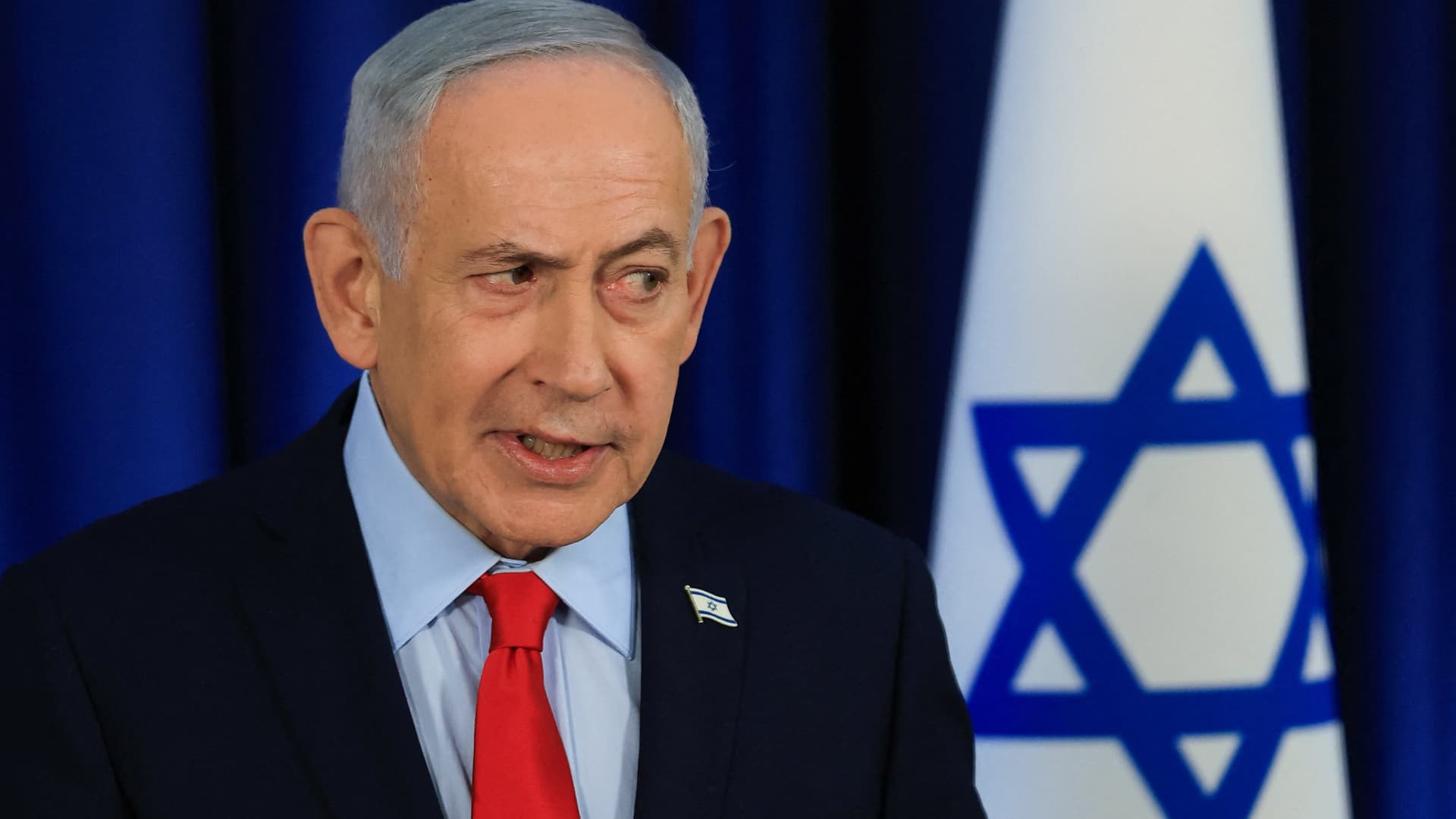
Israeli PM: Iran Lacks Capacity for Uranium Enrichment


- Iran's Nuclear Capability Assessment: Israeli Prime Minister Netanyahu stated that Iran's capacity for uranium enrichment and ballistic missile development has been severely diminished, indicating that international pressure is effectively impacting Iran's military ambitions as the U.S. and Israel conduct airstrikes on its programs.
- Need for Ground Action: Netanyahu emphasized that while airstrikes are effective, meaningful regime change will require ground forces, suggesting that future military operations may become more complex and multifaceted.
- Role of the People: He highlighted that the Iranian people must 'rise to the moment,' indicating Israel's desire to inspire internal change within Iran by creating favorable conditions, reflecting a keen interest in the political dynamics within the country.
- Reaffirmation of U.S. Stance: Netanyahu reiterated President Trump's understanding of the nuclear threat posed by Iran, showcasing alignment between Israel and the U.S. on addressing the Iranian issue, despite Trump's declaration of not sending U.S. troops to the Middle East, which could influence future military strategies.
See More
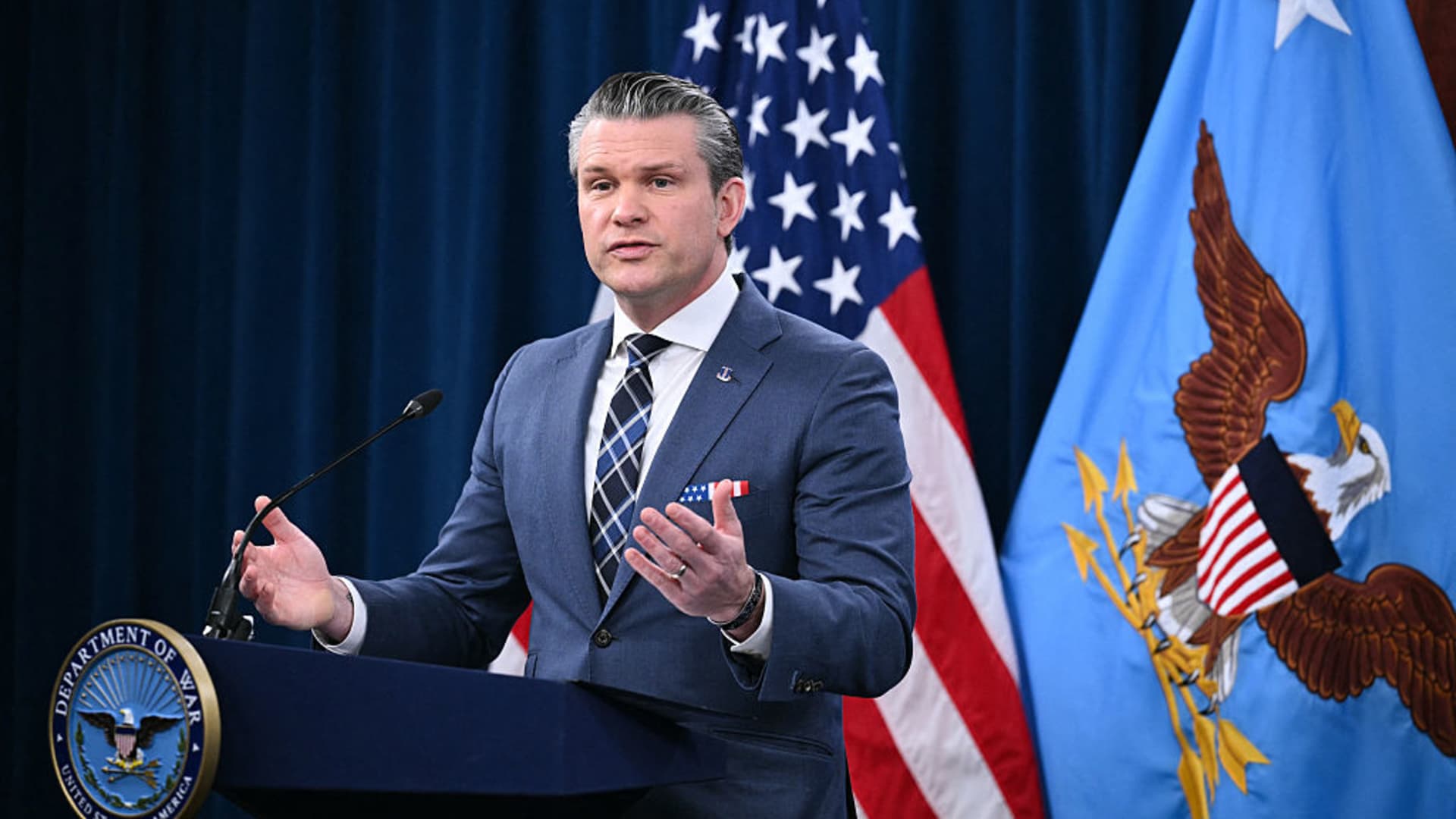
Defense Secretary Proposes $200B Military Funding Request
- Increased Funding Demand: Defense Secretary Pete Hegseth indicated a potential request for $200 billion to support military action against Iran, highlighting the U.S. intent to bolster its military presence in the Middle East.
- Congressional Support: Hegseth emphasized the importance of securing funding through communication with Congress, reflecting the urgency and strategic planning of the Department of Defense regarding military budgets.
- Trump Administration Context: CNBC reported that the Trump administration had informally discussed the $200 billion funding request, indicating the government's focus on military action and its potential implications.
- Related Corporate Dynamics: In this context, defense contractors like Lockheed Martin and Raytheon may benefit from increased military spending, particularly in the rising demand for missile production and defense systems.
See More
Pentagon's $200 Billion Budget Request for Iran War Funding May Change

- Budget Request Dynamics: Defense Secretary Pete Hegseth indicated that the Pentagon's $200 billion budget request for the Iran war may change, reflecting a flexible approach to funding needs.
- Current War Costs: As of March 19, U.S. military operations against Iran have already incurred costs of $12 billion, highlighting the rapid escalation of war expenditures that could influence future budget decisions.
- Congressional Funding Assurance: Hegseth emphasized the need to communicate with Congress to ensure adequate funding for military operations, indicating the government's reliance on congressional support for ongoing military efforts.
- Economic Advisor's Perspective: Kevin Hassett, director of the National Economic Council, stated that he does not believe additional funding from Congress is necessary at this time, suggesting that the current budget may suffice to support ongoing military actions.
See More
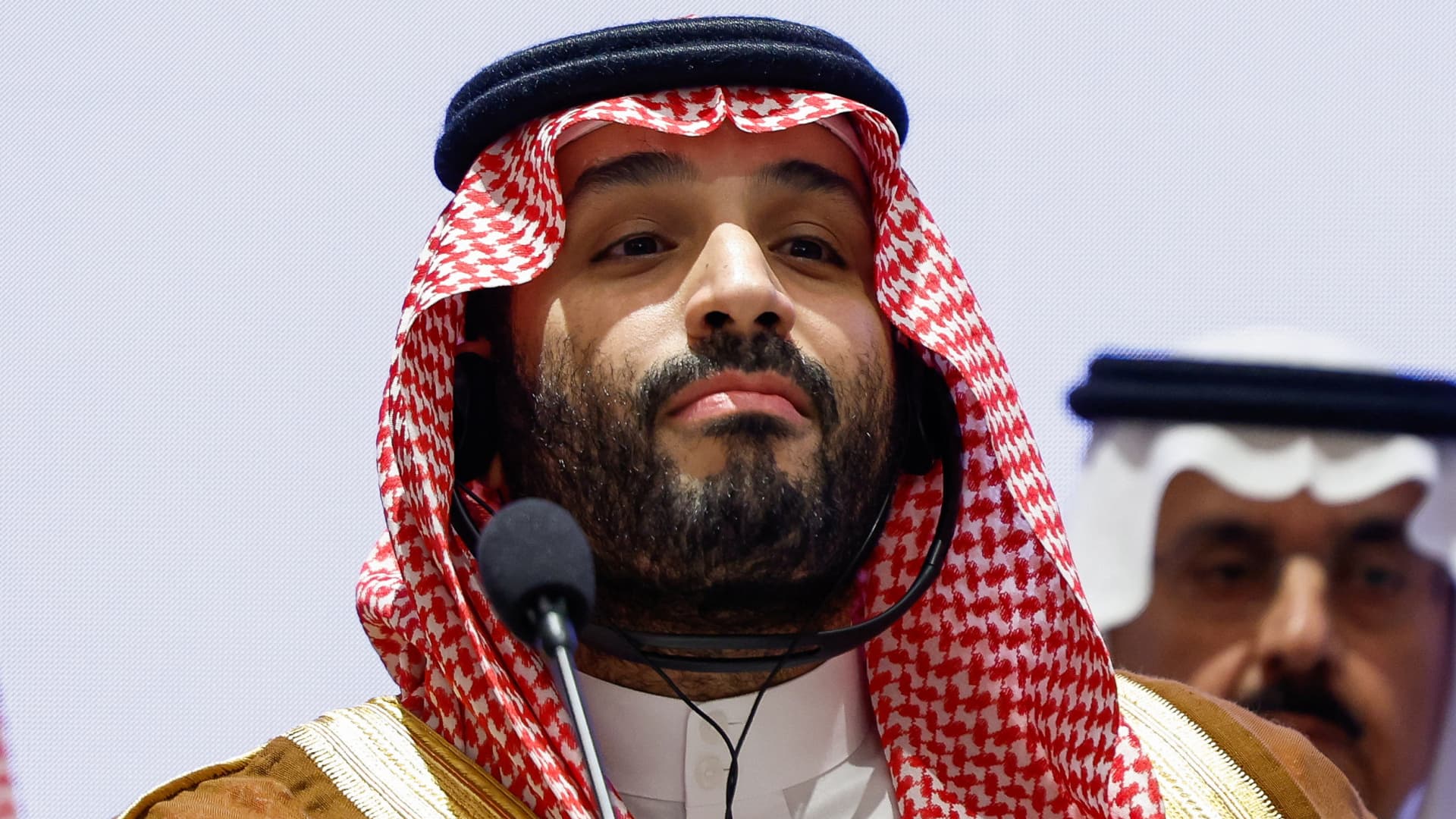
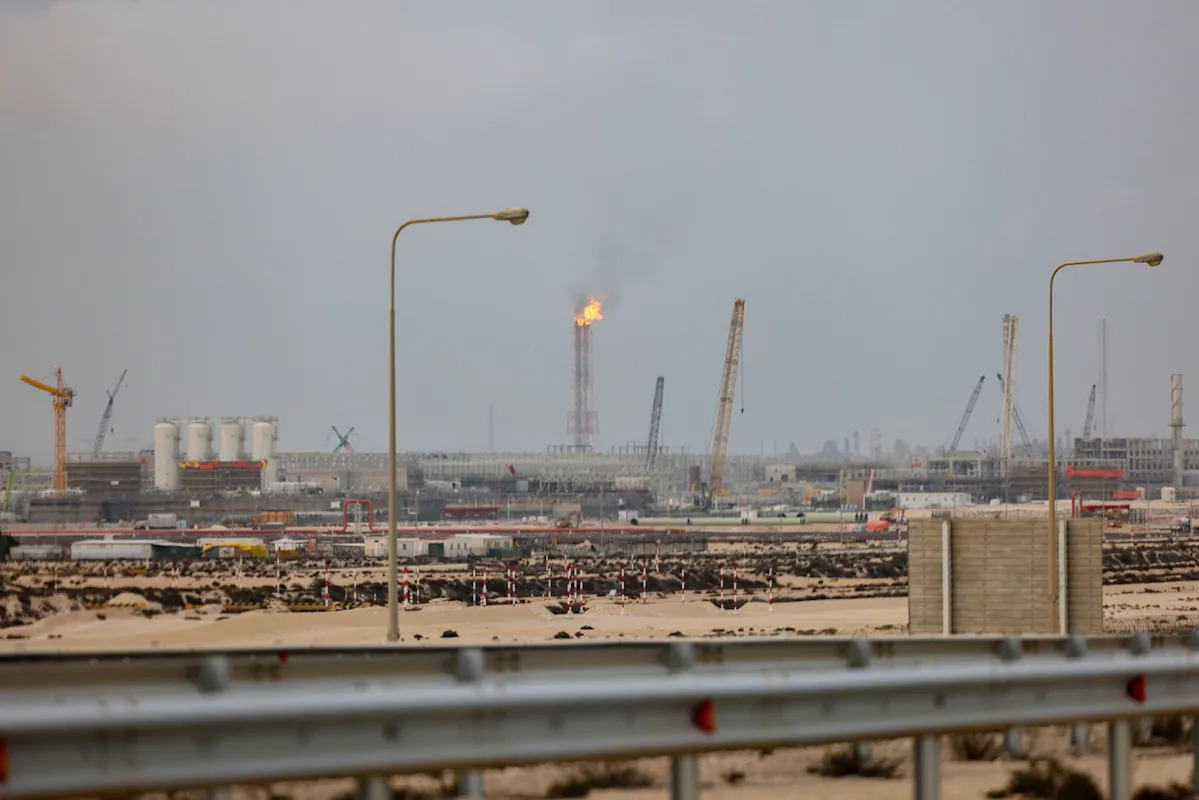
Gulf States Face Pressure from Iranian Attacks


- Escalation of Attacks: Since February, Iran has frequently targeted Gulf states, notably launching missile strikes on Qatar's LNG terminal, which poses a significant security threat and forces Gulf nations to consider retaliation.
- Patience Wearing Thin: Saudi Foreign Minister warns that tolerance for Iranian attacks is limited, indicating that Gulf states may adopt a tougher stance in the future, impacting regional security dynamics and potentially triggering larger conflicts.
- Diplomatic Efforts Undermined: Despite Gulf states' attempts to remain neutral and limit U.S. military presence, Iranian attacks continue unabated, highlighting the threat to their infrastructure and possibly compelling a reassessment of their diplomatic strategies.
- Potential Catastrophic Consequences: Analysts caution that any retaliatory action could lead to Iranian strikes on critical civilian infrastructure, prompting a full-scale offensive from Gulf states and resulting in irreversible damage.
See More
U.S. Army Poised to Deploy First Hypersonic Weapons System
- Accelerated Deployment: A senior U.S. Army official indicated that the first hypersonic weapons system could be deployed within weeks, presenting a more optimistic timeline than recent Pentagon assessments, which underscores the Army's urgency and commitment to advancing its weapon systems.
- Production Collaboration: The Army is collaborating with Lockheed Martin to ramp up missile production; although these complex systems still require some manual assembly, this partnership will help expedite delivery and enhance U.S. competitiveness in hypersonic weaponry.
- Insufficient Testing Data: Despite the Army official's optimistic remarks contrasting with a Pentagon testing office report that stated the hypersonic system, known as Dark Eagle, has not yet generated sufficient data for a full operational assessment, the Army retains the option to deploy the system sooner, demonstrating its adaptive capabilities.
- Investment Context: The U.S. has invested over $12 billion in hypersonic weapons development since 2018, and while it lags behind China and Russia in fielding this technology, such investment reflects the U.S. commitment to enhancing its defense capabilities, particularly in the face of global security challenges.
See More
Greece Boosts Defense Spending by $36 Billion
- Defense Spending Plan: Greece's parliamentary committee has approved a ten-year spending package of up to $36 billion aimed at enhancing its air defense system, particularly the 'Achilles Shield,' akin to Israel's 'Iron Dome,' to prepare for potential tensions with Turkey.
- Impact on Lockheed: While Greece's spending commitment is positive for Lockheed Martin (LMT) investors, it is unlikely to significantly boost the stock price in the near term, as shares dipped 2.52% over the past five days.
- Long-term Investment Outlook: Although Greece's $36 billion spending plan will not have an immediate impact on Lockheed's earnings, it supports a long-term investment thesis, especially against the backdrop of rising global defense budgets.
- Aircraft Upgrades and Purchases: Greece plans to upgrade 38 F-16s and purchase 20 new F-35s, with Lockheed having delivered a record number of these jets last year, indicating its capability to meet client demands effectively.
See More
Israeli PM: Iran Lacks Capacity for Uranium Enrichment
- Iran's Nuclear Capability Assessment: Israeli Prime Minister Netanyahu stated that Iran's capacity for uranium enrichment and ballistic missile development has been severely diminished, indicating that international pressure is effectively impacting Iran's military ambitions as the U.S. and Israel conduct airstrikes on its programs.
- Need for Ground Action: Netanyahu emphasized that while airstrikes are effective, meaningful regime change will require ground forces, suggesting that future military operations may become more complex and multifaceted.
- Role of the People: He highlighted that the Iranian people must 'rise to the moment,' indicating Israel's desire to inspire internal change within Iran by creating favorable conditions, reflecting a keen interest in the political dynamics within the country.
- Reaffirmation of U.S. Stance: Netanyahu reiterated President Trump's understanding of the nuclear threat posed by Iran, showcasing alignment between Israel and the U.S. on addressing the Iranian issue, despite Trump's declaration of not sending U.S. troops to the Middle East, which could influence future military strategies.
See More
Defense Secretary Proposes $200B Military Funding Request
- Increased Funding Demand: Defense Secretary Pete Hegseth indicated a potential request for $200 billion to support military action against Iran, highlighting the U.S. intent to bolster its military presence in the Middle East.
- Congressional Support: Hegseth emphasized the importance of securing funding through communication with Congress, reflecting the urgency and strategic planning of the Department of Defense regarding military budgets.
- Trump Administration Context: CNBC reported that the Trump administration had informally discussed the $200 billion funding request, indicating the government's focus on military action and its potential implications.
- Related Corporate Dynamics: In this context, defense contractors like Lockheed Martin and Raytheon may benefit from increased military spending, particularly in the rising demand for missile production and defense systems.
See More
Pentagon's $200 Billion Budget Request for Iran War Funding May Change
- Budget Request Dynamics: Defense Secretary Pete Hegseth indicated that the Pentagon's $200 billion budget request for the Iran war may change, reflecting a flexible approach to funding needs.
- Current War Costs: As of March 19, U.S. military operations against Iran have already incurred costs of $12 billion, highlighting the rapid escalation of war expenditures that could influence future budget decisions.
- Congressional Funding Assurance: Hegseth emphasized the need to communicate with Congress to ensure adequate funding for military operations, indicating the government's reliance on congressional support for ongoing military efforts.
- Economic Advisor's Perspective: Kevin Hassett, director of the National Economic Council, stated that he does not believe additional funding from Congress is necessary at this time, suggesting that the current budget may suffice to support ongoing military actions.
See More
Gulf States Face Pressure from Iranian Attacks
- Escalation of Attacks: Since February, Iran has frequently targeted Gulf states, notably launching missile strikes on Qatar's LNG terminal, which poses a significant security threat and forces Gulf nations to consider retaliation.
- Patience Wearing Thin: Saudi Foreign Minister warns that tolerance for Iranian attacks is limited, indicating that Gulf states may adopt a tougher stance in the future, impacting regional security dynamics and potentially triggering larger conflicts.
- Diplomatic Efforts Undermined: Despite Gulf states' attempts to remain neutral and limit U.S. military presence, Iranian attacks continue unabated, highlighting the threat to their infrastructure and possibly compelling a reassessment of their diplomatic strategies.
- Potential Catastrophic Consequences: Analysts caution that any retaliatory action could lead to Iranian strikes on critical civilian infrastructure, prompting a full-scale offensive from Gulf states and resulting in irreversible damage.
See More